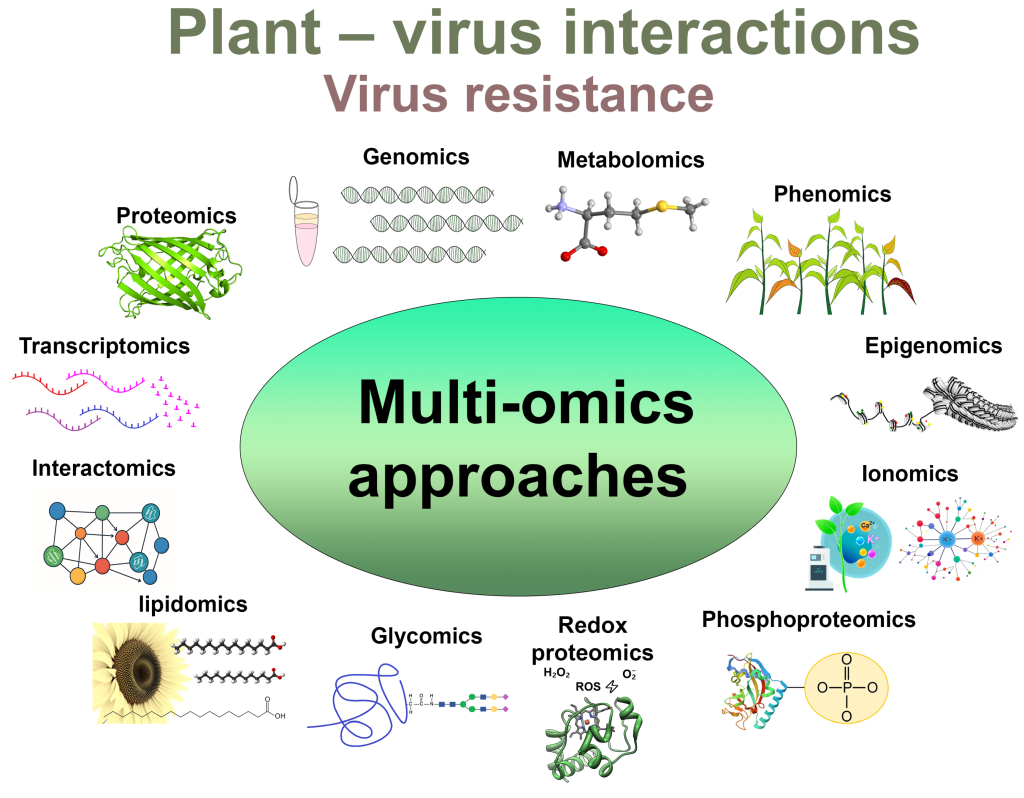
Have you ever wondered how the tiny instructions in your DNA actually shape who you are? The manifestation of a genome is the secret behind how your genetic code turns into real traits—like your eye color, height, and even how your body functions.
Understanding this process can change the way you see yourself and your health. Keep reading, and you’ll discover how the hidden blueprint inside you comes to life in ways that might surprise you.
Credit: www.wikiwand.com
Genome Basics
The genome is the complete set of genetic instructions that define how an organism grows, develops, and functions. Understanding the basics of the genome helps you appreciate how life operates at its most fundamental level. Let’s break down what makes up a genome and how it works inside your cells.
Dna Structure And Function
DNA is the molecule that carries genetic information. It looks like a twisted ladder, known as a double helix, made up of four chemical bases: adenine (A), thymine (T), cytosine (C), and guanine (G).
These bases pair specifically (A with T, C with G) to form the rungs of the ladder. This sequence acts like a code, telling your cells which proteins to make and when to make them. Imagine DNA as a recipe book guiding every step in your body’s development.
Genes And Their Roles
Genes are specific segments of DNA that hold instructions for producing proteins. Each gene has a unique role, whether it’s building muscle, regulating hormones, or influencing eye color.
Think about a time you noticed a family trait—perhaps curly hair or a particular height. That’s a visible sign of certain genes at work. But genes don’t act alone; they interact with each other and the environment, shaping who you are.
Genome Organization
The genome isn’t just a long string of DNA; it’s highly organized within the cell nucleus. DNA wraps around proteins called histones, forming structures known as chromatin, which further fold into chromosomes.
This organization is crucial. It controls which genes are active at any time, affecting how cells behave and respond. Have you ever wondered why some cells in your body look and act differently, even though they have the same DNA? The answer lies in genome organization and gene regulation.
Gene Expression Mechanics
Understanding gene expression mechanics is key to grasping how the genome manifests itself in living organisms. It’s the process that turns the static DNA code into active molecules that perform crucial functions. This transformation happens through a series of well-orchestrated steps that you interact with every moment, even without realizing it.
Transcription Process
The first step in gene expression is transcription, where the DNA sequence of a gene is copied into messenger RNA (mRNA). Think of it as making a working copy of a recipe from a massive cookbook. This mRNA copy carries the instructions outside the cell nucleus to the protein-making machinery.
During transcription, special enzymes called RNA polymerases bind to the DNA at specific regions called promoters. They then read the DNA code and build the mRNA strand one nucleotide at a time. This process is highly selective — not every gene is copied at once, which is why your body can adjust to different needs.
Translation Into Proteins
Once mRNA leaves the nucleus, it heads to the ribosomes, the cell’s protein factories. Here, the mRNA sequence is translated into a chain of amino acids, forming a protein. Proteins are the workhorses of your body, responsible for everything from building tissues to regulating metabolism.
Each three-letter code on the mRNA, called a codon, matches a specific amino acid. Transfer RNA (tRNA) molecules bring the correct amino acids in sequence. The ribosome links these amino acids together, folding them into functional proteins that carry out specific tasks.
Regulation Of Gene Activity
Gene expression is not a simple on/off switch. Your cells regulate it carefully to respond to the environment and developmental signals. Sometimes, a gene is fully active; other times, it’s partially active or completely silent.
This regulation happens at many levels: during transcription, mRNA processing, translation, and even after the protein is made. For example, cells can add chemical tags to DNA or proteins to change their activity. Have you ever wondered how your body knows when to heal a cut or fight off an infection? That’s gene regulation in action.
Epigenetic Influences
Epigenetic influences shape how our genes express without changing the DNA sequence. These changes affect which genes turn on or off. Epigenetics plays a vital role in development and health.
Dna Methylation
DNA methylation adds small chemical groups called methyl groups to DNA. This process usually silences gene activity. Methylation controls gene expression during growth and cell specialization. Abnormal methylation patterns can lead to diseases.
Histone Modification
Histones are proteins around which DNA wraps. Chemical changes to histones affect how tightly DNA is packed. This packing controls gene access and activity. Modifications like acetylation or phosphorylation can activate or repress genes.
Environmental Impact On Epigenetics
The environment influences epigenetic marks strongly. Factors like diet, stress, and pollution change gene expression. These changes can affect health and may pass to future generations. Epigenetics links lifestyle with genetic function.

Credit: www.pnas.org
Genome Manifestation In Traits
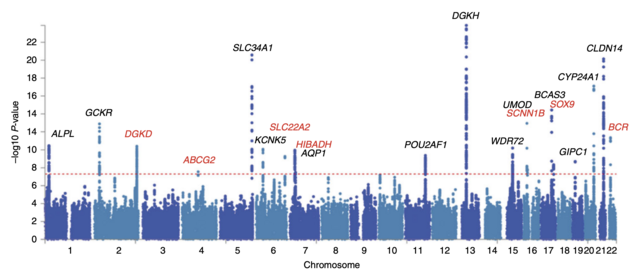
The manifestation of a genome in traits is the visible or measurable expression of the genetic code contained within an organism. It’s the way your unique DNA shapes who you are, from eye color to susceptibility to certain diseases. Understanding how the genome translates into traits can help you appreciate the complex relationship between genes and the world around you.
Phenotype Formation
Your phenotype is the collection of physical and biochemical traits that result from the interaction of your genes with the environment. It includes everything you can see or measure, like height, hair color, or blood type. Think about how two siblings can have different hair colors even though they share parents—that’s phenotype formation in action.
The genome provides the blueprint, but environmental factors often influence the final outcome. For example, nutrition can affect height, even if your genes suggest you could grow taller. Have you noticed how some traits seem to skip generations? That’s a clue to how phenotypes form from complex genetic and environmental interplay.
Genetic Variation Effects
Genetic variation is the reason no two individuals have the exact same traits. These differences arise from mutations, gene recombination, and other changes in the DNA sequence. Some variations have a big impact, like a gene causing a hereditary disease, while others might only slightly change a trait, such as subtle differences in skin tone.
Understanding genetic variation helps explain why people respond differently to medicines or why some are more prone to certain conditions. It also raises an important question for you: how much of your traits are truly unique due to your genetic differences? This insight can guide personalized approaches to health and lifestyle.
Role In Development
The genome doesn’t just influence traits after birth—it plays a crucial role throughout development. From the earliest stages of embryo growth, genes regulate how cells divide, specialize, and organize into tissues and organs. This process determines the foundation for your physical traits and overall health.
Developmental genes can switch on or off at specific times, shaping how traits appear as you grow. For example, the timing of gene expression affects when you start to grow taller or develop certain features. Have you ever wondered why identical twins still show small differences? It’s partly because gene expression during development can vary even with the same genome.
Technologies Revealing Genome Secrets
Understanding the manifestation of a genome depends on technologies that reveal its secrets. These tools help scientists read, edit, and analyze genetic information. Each technology brings new insights into how genes function and influence life.
Sequencing Advances
Sequencing technologies decode the order of DNA bases in a genome. Modern machines can read millions of DNA pieces quickly. This speed lowers cost and increases accuracy. Scientists use sequencing to identify gene variations and mutations. It helps in studying diseases and evolution.
Gene Editing Tools
Gene editing tools allow precise changes in DNA sequences. CRISPR is a popular tool for editing genes with high accuracy. It can add, remove, or alter sections of DNA. This technology aids research on genetic disorders and crop improvement. It also opens new doors for medical treatments.
Bioinformatics Applications
Bioinformatics uses computer software to analyze genetic data. It organizes and interprets large datasets from sequencing projects. Algorithms predict gene functions and interactions. Visualization tools show complex genome structures in simple ways. Bioinformatics supports personalized medicine and genetic research.
Future Perspectives
The future of genome manifestation holds vast promise for medicine and science. Advances in technology will deepen our understanding of how genes influence health and disease. This progress will shape new ways to treat illnesses and improve life quality. Challenges remain, but ongoing research pushes boundaries daily. Ethical questions grow alongside scientific growth, calling for careful thought and action.
Personalized Medicine
Personalized medicine tailors treatments to individual genetic profiles. This approach improves drug effectiveness and reduces side effects. Doctors can predict disease risks by analyzing a person’s genome. Treatments may change based on how a patient’s genes react. This method will make healthcare more precise and patient-focused.
Genomic Research Challenges
Genomic research faces several hurdles. Large data sets require powerful tools for analysis. Understanding gene interactions is complex and time-consuming. Access to diverse genetic samples is limited in some regions. These challenges slow discoveries but inspire new methods and collaborations.
Ethical Considerations
Ethics play a key role in genome studies. Privacy concerns arise from storing genetic information. There is a risk of genetic discrimination by employers or insurers. Consent and transparency must guide research practices. Society must balance innovation with respect for individual rights.

Credit: www.researchgate.net
Frequently Asked Questions
What Does Manifestation Of A Genome Mean?
Manifestation of a genome refers to how genetic information expresses traits. It shows how DNA translates into physical and functional characteristics in an organism.
How Does Genome Manifestation Affect An Organism?
Genome manifestation influences an organism’s development, behavior, and health. It determines how genes are activated or silenced to produce specific traits.
What Factors Influence Genome Manifestation?
Genome manifestation is influenced by gene interactions, environment, and epigenetics. External conditions can affect how genes express and impact an organism’s traits.
Can Genome Manifestation Change Over Time?
Yes, genome manifestation can change due to environmental factors and epigenetic modifications. These changes can alter gene expression without changing the DNA sequence.
Conclusion
The manifestation of a genome shows how genes shape living things. It helps us understand traits and diseases better. This knowledge supports advances in medicine and biology. Knowing how genomes work guides future research and discoveries. Science continues to explore the secrets hidden in DNA.
Each step brings us closer to solving many mysteries. The genome’s role is key to life’s complexity and diversity. Learning about it deepens our respect for nature’s design.