When Was Manifest Destiny: Uncovering America’s Expansion
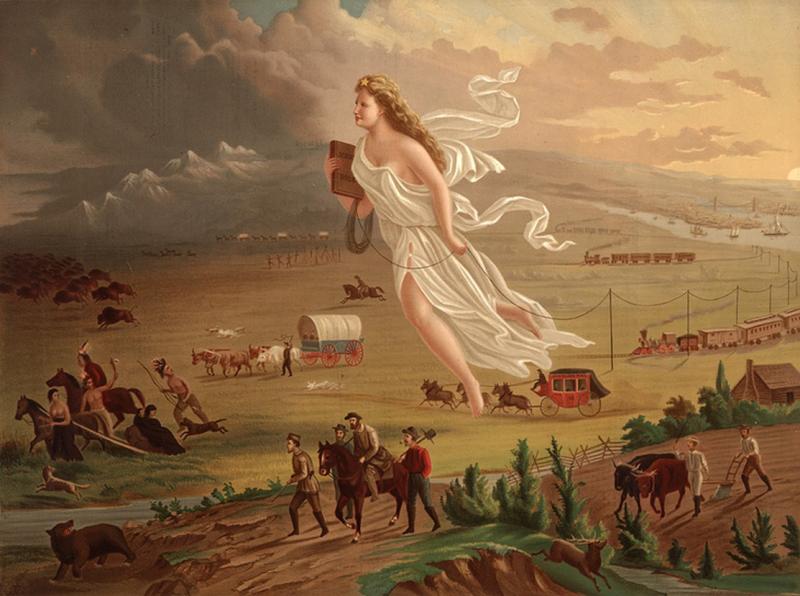
Have you ever wondered when Manifest Destiny truly began? Understanding this key moment in history can change the way you see America’s past and its impact on today’s world.
If you want to know the exact time this powerful idea took hold and why it mattered so much, you’re in the right place. Keep reading to uncover the story behind Manifest Destiny and how it shaped the nation you know now.

Credit: hyperallergic.com
Origins Of Manifest Destiny
The origins of Manifest Destiny reveal a complex mix of ideas and beliefs that shaped 19th-century America. This concept wasn’t born overnight; it grew from deep-rooted ideals and powerful emotions. Understanding its beginnings helps you see why it captured the nation’s imagination and drove expansion across the continent.
Roots In Early American Ideals
Manifest Destiny draws heavily from the founding principles of the United States. Ideas like liberty, democracy, and individual rights were central to the American identity. These values made many believe it was their duty to spread freedom and progress westward.
Think about the Declaration of Independence’s promise of “life, liberty, and the pursuit of happiness.” This promise wasn’t just for the original colonies; many believed it should extend across the whole continent. This mindset laid the groundwork for the belief that America was destined to expand.
Influence Of Nationalism
National pride surged after the War of 1812, boosting confidence in America’s future. This wave of nationalism made people more eager to unite the country physically and culturally. Expansion was seen as a way to strengthen the nation and prove its power on the world stage.
Have you ever felt so proud of your country that you wanted to share its values with others? Many Americans felt that way in the 1800s. The idea of Manifest Destiny gave a clear goal: expand and secure the nation’s place in the world.
Role Of Religion And Morality
Religion played a key role in justifying westward expansion. Many Americans believed God had chosen them to spread Christianity and civilization. This belief added a moral urgency to their mission, making expansion seem like a divine right and duty.
This religious conviction helped people overlook the harsh realities of displacing Native Americans and other groups. It’s a powerful example of how morality can shape political and social actions, even when those actions cause suffering. How do you think your own beliefs influence the way you see big national or global issues?
Key Timeframe And Events
The era of Manifest Destiny is marked by significant events that shaped the United States’ expansion across the continent. Understanding the key timeframe and events helps you grasp how this belief influenced the nation’s growth. These moments reveal the ambition, conflict, and determination driving the country’s westward push.
The 1840s Surge
The 1840s were a pivotal decade for Manifest Destiny. During this time, the U.S. rapidly expanded its territories, fueled by the belief that it was destined to spread from coast to coast. This surge was not just about land but also about power and opportunity.
People moved westward in large numbers, hoping to start new lives and find prosperity. Have you ever wondered what it felt like to leave everything behind and head into the unknown? This decade captures that spirit of risk and hope.
Texas Annexation And The Mexican-american War
The annexation of Texas in 1845 was a major event that intensified tensions with Mexico. Texas had declared independence from Mexico years before, but joining the U.S. sparked conflict. This led directly to the Mexican-American War from 1846 to 1848.
The war ended with the Treaty of Guadalupe Hidalgo, which added vast southwestern lands to the U.S. Think about how the outcomes of a single war can reshape borders and influence a country’s future. This event was a clear example of Manifest Destiny’s impact on international relations.
Oregon Trail And Northern Expansion
While the south expanded through war, northern expansion took a different route—literally. The Oregon Trail became the path for thousands heading to the Pacific Northwest. This migration helped the U.S. claim Oregon Territory peacefully through negotiation with Britain.
Traveling the Oregon Trail was tough, but it symbolized the determination to reach the west coast. How far would you go for a chance at a better life? The trail remains a powerful example of the human drive behind Manifest Destiny.
Major Figures Behind Expansion
The drive behind Manifest Destiny was fueled by a group of determined individuals whose actions shaped the course of American history. These major figures envisioned a vast nation stretching from the Atlantic to the Pacific. Their leadership, courage, and political skills made expansion possible.
President James K. Polk’s Vision
James K. Polk served as the 11th President of the United States during the peak of Manifest Destiny. He strongly believed the U.S. had a right and duty to expand westward. Polk pushed for the annexation of Texas and the Oregon Territory, and he led the country through the Mexican-American War to secure California and New Mexico.
His clear goals and decisive actions show how leadership can turn big ideas into reality. Imagine how different America would be without his focus on expansion.
Notable Explorers And Settlers
Explorers like John C. Frémont mapped unknown territories, making the West more accessible to settlers. Their reports and maps encouraged thousands to move west in search of new opportunities. Settlers braved harsh conditions, proving that determination can overcome obstacles.
Think about the courage it took to leave everything behind and start fresh in an uncharted land. What would you have done if faced with that challenge?
Political Leaders And Advocates
Other key figures included senators and congressmen who promoted expansion policies. Leaders such as Henry Clay and Stephen Douglas debated fiercely over how and where to grow the nation. Their political battles shaped the laws and treaties that guided expansion.
These advocates remind you how important it is to stay involved in political discussions. Your voice can influence big decisions that affect entire countries.
Impact On Native Americans
The impact of Manifest Destiny on Native Americans was deep and lasting. This belief in expanding U.S. territory caused many changes for Native peoples. Their lands, cultures, and ways of life faced great challenges. Understanding this impact helps us see the true cost of westward expansion.
Displacement And Conflict
Native Americans were forced to leave their ancestral lands. The U.S. government moved tribes to make room for settlers. This caused many violent clashes and wars. Native communities lost homes and hunting grounds. Many lives were lost in these conflicts.
Cultural Changes
Native American cultures were deeply affected. Traditional ways of life were disrupted by new laws and settlers. Many Native children were sent to boarding schools. These schools tried to erase Native languages and customs. Cultural loss was a painful part of this era.
Long-term Consequences
The effects of Manifest Destiny are still felt today. Native tribes continue to fight for land rights and recognition. Poverty and health problems affect many Native communities. Efforts to preserve languages and traditions are ongoing. The history of Manifest Destiny shaped the future of Native Americans.
Economic And Social Drivers
The push behind Manifest Destiny was driven by powerful economic and social forces that shaped America’s expansionist mindset. People sought new chances to improve their lives, fueled by hopes of wealth, land, and community growth. Understanding these drivers helps you see why so many risked everything to move westward.
Agricultural Opportunities
Land was at the heart of the Manifest Destiny dream. Farmers wanted fertile soil where they could grow crops and raise livestock. The promise of cheap, abundant land attracted many, especially those from crowded eastern cities.
Imagine being able to own a large farm instead of renting a small plot in a busy town. This opportunity was a huge motivator for families seeking independence and a fresh start. You might ask yourself—what would you give up for a chance at your own land?
Gold Rush And Resource Extraction
The discovery of gold in California in 1848 sparked a massive rush. People from all over the country, and even the world, flooded west hoping to strike it rich. This sudden influx of miners and entrepreneurs boosted the economy and led to the development of towns and infrastructure.
But gold wasn’t the only resource drawing people west. Timber, minerals, and fertile fishing grounds offered additional wealth. If you had the chance, would you head west chasing gold or settle for a more stable but slower path?
Population Growth And Migration
The population in the United States was growing rapidly during this period. More people meant more demand for land and jobs. Many immigrants and eastern residents saw the West as a land of opportunity where they could build new communities.
Moving west wasn’t easy, but the chance to start over in a growing society was powerful. Think about your own community—how much does the chance to be part of something new influence your decisions?

Credit: www.instagram.com
Controversies And Opposition
The idea of Manifest Destiny stirred strong feelings and sparked fierce debates across the United States. While many Americans saw it as a divine right to expand westward, others questioned the morality and consequences of such growth. These controversies reveal how complex and divisive the concept really was.
Debates Over Slavery Expansion
One of the most heated arguments around Manifest Destiny involved whether new territories would allow slavery. This question split the nation and fueled tensions between the North and South.
Many in the North opposed the expansion of slavery, fearing it would strengthen the South’s political power. On the other hand, Southern leaders wanted to extend slavery to protect their economic interests.
Have you ever thought about how the fate of millions hinged on these debates? It shows how expansion wasn’t just about land but about the future of human rights in America.
Whig Party Resistance
The Whig Party stood firmly against Manifest Destiny. They argued that rapid expansion could lead to unnecessary wars and destabilize the country.
They feared that pushing westward without careful planning might stretch resources thin and provoke conflicts with Native Americans and foreign powers. Their resistance highlights the political divide over the pace and purpose of growth.
If you were in their shoes, would you prioritize caution over ambition? This question still resonates when considering any major national project.
International Reactions
Manifest Destiny didn’t just cause debates within the U.S.; it caught the attention of other countries too. Nations like Britain and Mexico were wary of American expansionist aims.
Mexico, in particular, saw Manifest Destiny as a direct threat, which contributed to the Mexican-American War. Britain was concerned about border disputes and the balance of power in North America.
How do you think your neighbors would react if you suddenly tried to claim more land? Understanding these international tensions adds another layer to the story of Manifest Destiny.
Legacy Of Manifest Destiny
The legacy of Manifest Destiny remains a powerful force in American history. It shaped the nation’s borders and its identity. The idea pushed the United States to expand westward. This expansion brought change, conflict, and growth. Its effects still influence America today.
Shaping Modern America
Manifest Destiny helped define the United States’ current size. It led to the acquisition of vast territories. These new lands created opportunities for settlement and development. The nation’s economy grew with new resources and trade routes. It also intensified debates over slavery and state rights. These conflicts set the stage for future political struggles.
Influence On Foreign Policy
The idea of Manifest Destiny shaped U.S. relations with neighbors. It justified expansion into lands held by Mexico and Native Americans. This led to treaties and wars that changed borders. The belief in a continental nation influenced U.S. actions abroad. It laid the groundwork for future American involvement overseas. The policy showed a growing American confidence in global affairs.
Cultural Reflections
Manifest Destiny influenced American culture deeply. It inspired art, literature, and folklore about the West. Stories of pioneers and explorers became part of national identity. The idea also reflected beliefs about progress and destiny. Yet, it often ignored the rights of Native peoples. This legacy remains complex, with pride and pain intertwined.

Credit: www.facebook.com
Frequently Asked Questions
When Did Manifest Destiny Begin?
Manifest Destiny began in the 1840s, driven by the belief that the U. S. should expand westward. It reflected national ambition to spread democracy and capitalism across the continent.
How Long Did Manifest Destiny Last?
Manifest Destiny lasted roughly from the 1840s to the late 1850s. Its influence faded after the Civil War as U. S. expansion slowed.
What Events Marked Manifest Destiny’s Timeline?
Key events include the annexation of Texas (1845), the Oregon Trail migration, and the Mexican-American War (1846-1848). These shaped U. S. territorial growth.
Why Was Manifest Destiny Significant In U.s. History?
Manifest Destiny shaped America’s borders and promoted economic growth. It also led to conflicts over slavery and Native American displacement.
Conclusion
Manifest Destiny shaped the United States during the 1800s. It started around 1840 and lasted about two decades. This idea pushed Americans to expand westward. They believed it was their right to spread across the continent. This movement changed the country’s borders and its future.
Understanding when Manifest Destiny happened helps explain U. S. History. It shows how people’s hopes and fears moved a nation. The effects are still seen today in culture and land. Manifest Destiny remains a key part of America’s story.

Similar Posts