Where Did Manifest Destiny Come from: Unveiling Its Roots
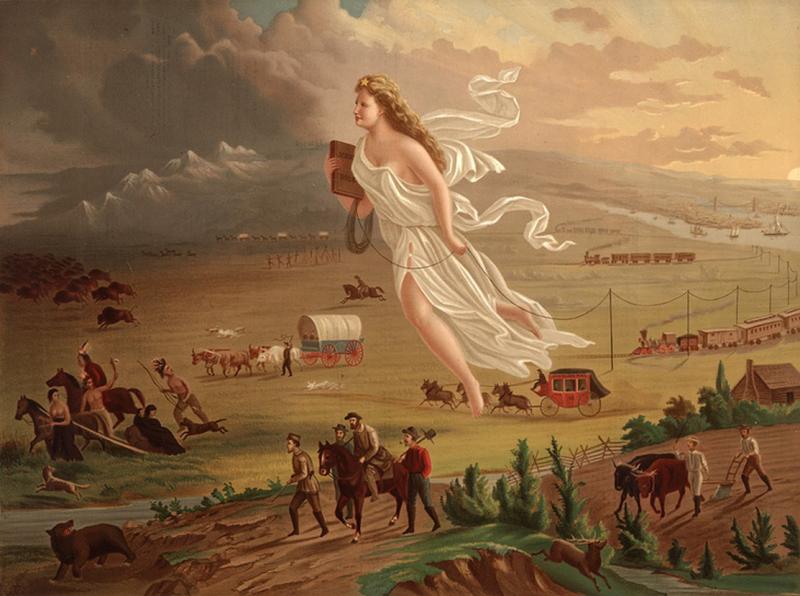
Have you ever wondered why the idea of Manifest Destiny became so powerful in American history? It’s more than just a phrase—it shaped the way the United States grew and changed.
Understanding where Manifest Destiny came from helps you see the hopes, fears, and beliefs that drove a nation to expand across a continent. You’ll discover the roots of this idea and why it mattered so much to people at the time.
Keep reading to unlock the story behind one of America’s most important and debated ideas.

Credit: www.instagram.com
Origins Of Manifest Destiny
The origins of Manifest Destiny trace back to a mix of historical events and powerful ideas that shaped America’s drive to expand westward. Understanding where this belief came from helps you see how it influenced the country’s growth and conflicts. Let’s break down the key factors that laid the groundwork for this ambitious vision.
Early American Expansionism
From its beginning, America showed signs of wanting more land. Settlers moved beyond the original colonies, pushing into territories held by Native Americans and European powers.
This early expansion was not random; it was fueled by the desire for farmland, resources, and new opportunities. Have you ever wondered how your own ancestors might have been part of this movement?
Influence Of Enlightenment Ideas
The Enlightenment brought powerful ideas about progress, liberty, and human rights to American thinkers. These principles made many believe that expanding the nation was a way to spread freedom and civilization.
People didn’t just want more land—they felt it was their duty to bring their vision of society to new areas. How might your views on growth and progress be shaped by similar ideas?
Role Of Nationalism
National pride surged after the War of 1812, strengthening the belief that the United States had a special destiny. This pride turned into a collective will to unite the continent under one nation.
Nationalism gave people a powerful reason to support expansion, often overlooking the consequences for others. When you think about your own country, how does national pride influence your perspective on growth?
Key Figures Behind The Concept
The idea of Manifest Destiny did not appear out of nowhere. It grew from the beliefs and actions of certain key people. These figures shaped the vision of expanding the United States across the continent. Their words and policies helped turn the idea into a powerful national goal.
These individuals played important roles in promoting the belief that America was meant to spread its values and territory. Their influence can be seen in writings, speeches, and government decisions. Understanding who they were helps explain how Manifest Destiny became part of American history.
John L. O’sullivan’s Writings
John L. O’Sullivan was a journalist who first used the term “Manifest Destiny” in 1845. He wrote that the United States had a clear mission to expand its borders. O’Sullivan believed this expansion was both justified and inevitable.
His articles encouraged Americans to support the idea of spreading democracy and freedom. O’Sullivan’s words inspired many to see westward growth as a national duty. He captured the spirit of the time with simple and powerful language.
Political Leaders And Advocates
Several political leaders also pushed the idea of Manifest Destiny. Presidents like James K. Polk strongly supported territorial expansion. Polk’s presidency saw the annexation of Texas and the Oregon Territory.
Other advocates included senators and congressmen who backed policies to grow the nation. They argued that expanding land was essential for America’s future. These leaders used government power to make Manifest Destiny a reality.
Cultural And Social Factors
The idea of Manifest Destiny grew from deep cultural and social roots in 19th-century America. People believed the United States had a special mission to expand across the continent. This belief was not just political but tied closely to culture and society. It reflected how Americans saw themselves and others around them. Understanding these factors helps explain why Manifest Destiny became so powerful.
Religious Motivations
Many Americans felt their expansion was part of a divine plan. They believed God wanted the United States to spread its values and religion. Preachers often spoke about a “chosen nation” destined to bring Christianity to new lands. This gave settlers a strong sense of purpose. It made westward movement feel like a holy duty, not just a political goal.
Religion also encouraged ideas of moral superiority. Settlers thought their way of life was better and should replace other cultures. This belief justified taking land and changing the lives of Native Americans and others. Religion provided a powerful reason to support expansion and face hardships.
Racial And Ethnic Beliefs
Racial ideas shaped how Americans viewed their right to expand. Many believed white Americans were superior to Native Americans, Mexicans, and others. This belief made it easier to take land and push out other groups. It was seen as natural and right for white settlers to control the land.
These ideas created a sense of destiny tied to race. White Americans felt it was their fate to civilize and rule the continent. This view ignored the rights and cultures of other peoples. It fueled conflicts and justified harsh policies against Native Americans and Mexicans.

Credit: www.instagram.com
Economic Drivers
The economic drivers behind Manifest Destiny were powerful forces shaping America’s push westward. Economic ambitions pushed settlers and politicians alike to seek new opportunities. Understanding these drivers helps you see why expansion became almost inevitable.
Agricultural Expansion
Farmers wanted more land to grow crops and raise livestock. The fertile lands west promised better yields and bigger harvests. Many settlers believed owning large farms was the key to financial security and independence.
Think about the value of land during that time. It wasn’t just property; it was your livelihood. People risked everything to claim and cultivate new soil. Have you ever considered how access to land can change your economic future?
Trade And Commerce Interests
Trade routes and commercial opportunities motivated expansion just as much as farming. Access to ports on the Pacific Coast meant new markets for goods. Merchants and entrepreneurs saw the west as a gateway to Asia and beyond.
Businesses wanted to connect raw materials from the interior with international buyers. This created a domino effect—railroads, towns, and industries sprang up to support commerce. You can see how economic growth and territorial expansion fueled each other.
Impact Of Manifest Destiny On Policy
The impact of Manifest Destiny on American policy was profound and far-reaching. It reshaped the nation’s borders and influenced legislation that defined the country’s growth. Understanding these changes helps you see how ideas transform into actions that shape history.
Territorial Acquisitions
Manifest Destiny pushed the U.S. to expand westward aggressively. This led to significant land gains, including Texas, Oregon, and California. Each new territory brought fresh challenges and opportunities for growth.
Think about how these acquisitions affected everyday life. Settlers moved into new lands, creating towns and economies. But these expansions also sparked conflicts with Native Americans and other countries.
Legislation And Treaties
Policies reflected the drive for expansion through key laws and agreements. The Treaty of Guadalupe Hidalgo ended the Mexican-American War and handed vast territories to the U.S. The Missouri Compromise and the Compromise of 1850 attempted to balance power between free and slave states.
These laws weren’t just paperwork—they shaped the political landscape and social tensions. Have you ever considered how a single treaty or law can change a nation’s direction? Manifest Destiny made that very clear.
Controversies And Opposition
Manifest Destiny stirred strong feelings across the United States. Not everyone welcomed the idea of expanding the nation’s borders. Many people saw big problems with the plan. These problems sparked debates and protests. The issues touched on deep and painful parts of American life. Two major controversies stand out: the debates over slavery and the treatment of Native Americans. Both topics fueled opposition and shaped the country’s future.
Debates Over Slavery
Expansion raised the question: would new lands allow slavery? This question split the nation. Southern states wanted to keep slavery and spread it. Northern states wanted to stop slavery’s spread. Each side feared losing power in Congress. The fight over slavery in new territories made tensions rise. It set the stage for political battles and violence. Many feared that Manifest Destiny could tear the country apart.
Native American Displacement
Manifest Destiny meant taking lands from Native Americans. Many Native tribes were forced to leave their homes. They faced violence, broken promises, and harsh moves. The government often ignored Native rights. This caused great suffering and loss of culture. Some Americans protested the cruel treatment of Native peoples. Still, expansion continued, leaving a painful legacy of displacement and conflict.

Credit: www.instagram.com
Frequently Asked Questions
What Is The Origin Of Manifest Destiny?
Manifest Destiny originated in the 1840s United States. It described the belief that Americans were destined to expand westward across North America. This idea justified territorial expansion and shaped U. S. policies during that era.
Who First Coined The Term Manifest Destiny?
The term “Manifest Destiny” was first coined by journalist John L. O’Sullivan in 1845. He used it to express the belief that the U. S. had a divine mission to spread democracy and civilization.
How Did Manifest Destiny Influence U.s. Expansion?
Manifest Destiny fueled the U. S. expansion westward by encouraging settlers to move. It justified acquiring territories like Texas, Oregon, and California through negotiation and war.
Why Was Manifest Destiny Controversial?
Manifest Destiny was controversial because it involved displacing Native Americans and Mexicans. It raised ethical questions about imperialism, slavery expansion, and the treatment of indigenous peoples.
Conclusion
Manifest Destiny grew from ideas about growth and power. Many Americans believed the nation should stretch from coast to coast. This belief shaped history and changed the land’s future. It brought both hope and conflict to the people. Understanding where it started helps us see why it mattered so much.
The story of Manifest Destiny shows how ideas can drive a country’s path. It remains a key part of America’s past and identity.

Similar Posts