Where Did the Manifest Destiny Take Place: Unveiling History
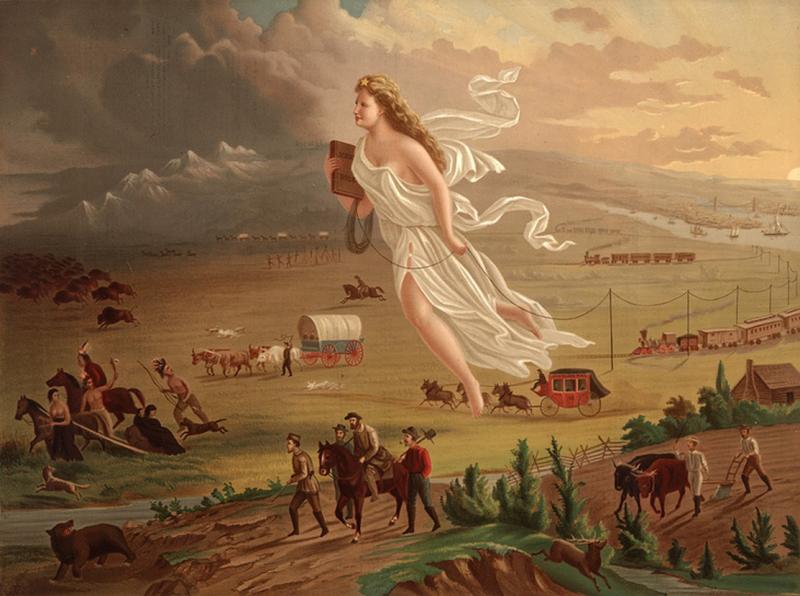
Have you ever wondered where the idea of Manifest Destiny actually took place? It’s more than just a phrase from history books—it shaped the land and lives across a vast part of America.
If you want to understand how this powerful belief changed the country’s map and impacted its people, you’re in the right place. Keep reading, and you’ll discover the key locations where Manifest Destiny unfolded and why they mattered to your nation’s story.

Credit: www.reddit.com
Origins Of Manifest Destiny
The origins of Manifest Destiny are rooted deeply in the early 19th century, a time when America was rapidly changing. This idea wasn’t just a random thought but a powerful belief that shaped the nation’s direction and policies. Understanding where it began helps you see why the country pushed so hard to expand westward.
Early 19th Century America
America in the early 1800s was a young nation with big dreams. The population was growing fast, and people wanted more land for farming and new opportunities. The Louisiana Purchase in 1803 doubled the country’s size, sparking a hunger for even more territory.
Imagine living back then, hearing about vast lands filled with resources and possibilities. Wouldn’t you want to explore and claim your own piece? This mindset was common among settlers, fueling the push westward.
Political And Social Climate
Politicians and citizens alike believed the U.S. had a special role to spread democracy and civilization. This belief justified expansion, even if it meant displacing Native Americans or clashing with other countries. The idea of “American exceptionalism” took hold, making expansion seem both natural and necessary.
Socially, many Americans felt a mix of pride and destiny tied to the land. Newspapers and speeches often used fiery language about the country’s future. Have you ever noticed how powerful ideas can drive entire nations forward?
Key Figures And Influences
- John L. O’Sullivan– The journalist who first used the term “Manifest Destiny” in 1845 to describe America’s mission.
- President James K. Polk– A strong supporter of expansion who pushed for the annexation of Texas and the Oregon Territory.
- Expansionist Politicians– Many leaders saw land growth as essential to economic strength and national security.
These figures shaped public opinion and policy, turning a belief into action. Thinking about their impact, how do you see the power of words and leadership shaping your own community?

Credit: www.reddit.com
Territorial Expansion
Territorial expansion was the backbone of Manifest Destiny, the 19th-century belief that the United States was destined to stretch across the North American continent. This expansion wasn’t just about land; it shaped the country’s identity, economy, and politics. Understanding where Manifest Destiny took place helps you see how those lands became part of the U.S. and why they mattered so much to the nation’s future.
Louisiana Purchase
The Louisiana Purchase in 1803 doubled the size of the United States overnight. The U.S. bought this vast territory from France, adding about 828,000 square miles of land west of the Mississippi River. Imagine the possibilities for farmers, traders, and settlers who suddenly had so much new land to explore and claim.
This purchase set a precedent for expansion, proving that acquiring land could be done through negotiation, not just war. It also raised questions about how to govern such a huge area and what kind of people would settle there.
Annexation Of Texas
The annexation of Texas in 1845 was a bold move that stirred controversy. Texas had won independence from Mexico and wanted to join the U.S., but this step risked war and heightened tensions over slavery. You can see how a single territory could affect national politics so deeply.
Texas’s admission added a large, fertile land area and set the stage for conflict with Mexico. It pushed the idea of Manifest Destiny closer to reality but at a significant cost.
Oregon Territory
The Oregon Territory was another hotspot for expansion. The U.S. and Britain both claimed this region, stretching from the Pacific Northwest to Alaska. Settlers headed west in large numbers, drawn by the promise of fertile land and economic opportunity.
The peaceful resolution of this dispute in 1846, with the Oregon Treaty, showed that expansion could sometimes be achieved through diplomacy. Have you considered how different the U.S. might look today if the border had been drawn differently?
Mexican-american War And Treaty Of Guadalupe Hidalgo
The Mexican-American War (1846-1848) was a direct result of expansionist ambitions after Texas joined the U.S. The war ended with the Treaty of Guadalupe Hidalgo, which transferred a huge chunk of land to the U.S., including present-day California, Arizona, and New Mexico.
This treaty shaped the southwestern U.S. and brought new challenges, such as integrating diverse populations and managing resources. It forces you to think about the impact of war on national growth and the people living in those territories.
Impact On Native American Lands
The expansion of Manifest Destiny had a profound impact on Native American lands. It reshaped their territories and changed their way of life. Native tribes faced many challenges as settlers moved westward. Their lands were taken, and their communities were forced to adapt or move.
Displacement And Conflict
Native Americans faced violent clashes with settlers and the U.S. government. Conflicts erupted over land ownership and resources. Many tribes were pushed off their ancestral lands. This displacement caused loss of homes and hunting grounds. The fights often resulted in tragic losses for Native peoples.
Forced Relocations
The government forced many tribes to move west of the Mississippi River. The Trail of Tears is a well-known example. Thousands of Native Americans walked hundreds of miles under harsh conditions. Many died from hunger, disease, or exhaustion. These forced moves tore apart families and communities.
Cultural And Societal Effects
Manifest Destiny disrupted Native American culture deeply. Traditions tied to their lands were lost or changed. Tribal governments and social structures weakened. Many Native Americans struggled to maintain their identity. The loss of land meant loss of spiritual sites and cultural practices.

Credit: www.reddit.com
Economic Motivations
The economic motivations behind Manifest Destiny played a crucial role in shaping where and why the United States expanded westward. People were driven by the promise of prosperity, new opportunities, and access to valuable resources. Understanding these economic factors helps you see the tangible reasons behind this vast territorial growth.
Agricultural Opportunities
Vast stretches of fertile land awaited settlers eager to farm and build new communities. The rich soil in places like the Midwest and California promised high crop yields and a chance to establish a stable livelihood. If you’ve ever dreamed of owning land and growing your own food, you can understand why many found this prospect irresistible.
Small farmers and large plantation owners alike moved west, hoping to take advantage of the growing demand for agricultural products. The Homestead Act further encouraged this by offering free or cheap land, making farming an accessible goal for many.
Natural Resources
Natural resources such as gold, timber, and minerals attracted people to specific regions. The California Gold Rush is a famous example, where the discovery of gold drew thousands eager to strike it rich. Have you ever wondered how the lure of quick wealth can change the course of a region’s history?
Timber from vast forests and minerals from mountain ranges became essential for building infrastructure and fueling industry back east. This availability of resources made the western territories economically valuable and worth expanding into.
Trade And Transportation Routes
Control over key trade routes and transportation hubs was another powerful economic incentive. Access to the Pacific Ocean opened new markets for American goods and allowed easier trade with Asia. Imagine how controlling these routes could give you a competitive edge in business.
The expansion also aimed to create better roads, canals, and later railroads, connecting the interior to ports and cities. This infrastructure helped integrate new territories into the national economy, increasing their value and potential for growth.
Political Consequences
The political consequences of Manifest Destiny shaped the future of the United States. The expansion created new states and challenged the existing political order. These changes led to debates about governance, laws, and the balance of power.
Statehood And Governance
New territories became new states as settlers moved westward. Each state had to create its government and laws. The federal government faced pressure to organize these territories quickly. States gained representation in Congress, changing the political landscape. The process often sparked disagreements over how to govern fairly.
Slavery Debate
The question of whether new states allowed slavery caused major conflict. Southern states wanted to expand slavery into new territories. Northern states opposed this expansion. This debate affected elections and lawmaking. It deepened divisions between free and slave states, making compromise difficult.
Sectional Tensions Leading To Civil War
The growing gap between North and South grew wider with each new state. Economic, social, and political differences increased tensions. Both sides feared losing power in Congress. These fears pushed the country toward conflict. The expansion under Manifest Destiny set the stage for the Civil War.
Legacy And Modern Perspectives
The legacy of Manifest Destiny shapes how we understand American history and identity today. It influences cultural narratives, political debates, and social values across the nation. Examining modern perspectives helps you see how this 19th-century idea still affects your world.
Historical Interpretations
Historians debate whether Manifest Destiny was a noble mission or a justification for expansionism and conflict. Some view it as a driving force behind American progress, while others highlight the displacement of Native Americans and the war with Mexico. These differing views challenge you to consider whose stories get told and why.
Cultural Memory
The idea of Manifest Destiny remains embedded in American culture through books, movies, and school curricula. It often appears as a symbol of opportunity and growth but can overlook the hardships faced by indigenous peoples and settlers alike. Reflect on how your community remembers this past—what stories are celebrated, and which are forgotten?
Contemporary Relevance
Today, debates about land use, immigration, and national identity echo the themes of Manifest Destiny. Discussions about borders and expansion raise questions about fairness, justice, and responsibility. How do you think the lessons of Manifest Destiny apply to current political and social issues?
Frequently Asked Questions
Where Did Manifest Destiny Mainly Occur?
Manifest Destiny mainly took place across the western United States. It involved territories from the Mississippi River to the Pacific Ocean. Key areas included Texas, California, Oregon, and New Mexico. The movement aimed to expand U. S. borders westward during the 19th century.
Which States Were Added Due To Manifest Destiny?
States like Texas, California, Oregon, and Washington were added. The U. S. acquired these through annexation, war, and treaties. These expansions fulfilled the goal of Manifest Destiny to spread American territory west.
How Did Manifest Destiny Affect Native American Lands?
Manifest Destiny led to displacement of many Native American tribes. U. S. expansion pushed tribes off ancestral lands. This caused significant cultural and population disruptions among Native Americans.
What Role Did The Oregon Trail Play In Manifest Destiny?
The Oregon Trail was a major route for settlers moving west. It enabled migration to Oregon Territory and beyond. The trail helped fulfill the Manifest Destiny goal of settling the western frontier.
Conclusion
Manifest Destiny shaped much of the United States’ land growth. It spread mainly across the western territories. People moved west seeking new opportunities and land. This movement changed the country’s map and culture. It also led to conflicts and challenges.
Understanding where it took place helps us see America’s past. The story of Manifest Destiny shows how the nation grew and changed. Its impact still affects the country today.

Similar Posts