Which Clinical Manifestation Occurs in a Client With Vasopressin Deficiency: Uncover Key Symptoms

Have you ever wondered what happens inside your body when a crucial hormone is missing? If you or someone you care about is dealing with vasopressin deficiency, understanding the signs can make all the difference.
This condition affects how your body balances fluids and controls urine output, leading to noticeable changes you shouldn’t ignore. Keep reading to discover the key symptoms you might experience and why recognizing them early is so important for your health.
Role Of Vasopressin In The Body
Vasopressin, also called antidiuretic hormone (ADH), plays a vital role in the body. It helps control water balance and blood pressure. Produced by the hypothalamus and stored in the pituitary gland, vasopressin acts mainly on the kidneys.
Its main job is to tell the kidneys how much water to keep or release. This process keeps the body’s fluid levels steady. Vasopressin also helps narrow blood vessels, which raises blood pressure and improves blood flow to important organs.
Water Balance Regulation
Vasopressin signals kidney tubules to absorb more water back into the bloodstream. This reduces urine output and prevents dehydration. Without enough vasopressin, the body loses too much water in urine.
Blood Pressure Control
Vasopressin causes blood vessels to tighten. Narrow vessels increase pressure, helping maintain stable blood flow. This is important during blood loss or dehydration.
Role In Kidney Function
Vasopressin acts on kidney cells to open channels for water reabsorption. This process concentrates urine and conserves body water. It keeps the body’s internal environment balanced.

Credit: www.mdpi.com
Causes Of Vasopressin Deficiency
Vasopressin deficiency occurs when the body does not produce enough vasopressin, a hormone that controls water balance. This shortage leads to problems with water retention and urine concentration. Understanding the causes helps in identifying and treating the condition effectively.
Central Diabetes Insipidus
This condition happens when the brain fails to produce enough vasopressin. Damage to the hypothalamus or pituitary gland is often the reason. Causes include head injury, tumors, infections, or surgery near these areas.
Genetic Mutations
Some people inherit changes in the genes that control vasopressin production. These mutations prevent the normal release of the hormone. This cause is rare but important for early diagnosis in families.
Autoimmune Disorders
The immune system may attack the cells that make vasopressin. This reduces hormone levels and disrupts water balance. Autoimmune inflammation in the brain is a key trigger.
Infections And Inflammation
Infections like meningitis or encephalitis can damage areas controlling vasopressin. Inflammation in the brain also harms hormone-producing cells. These conditions often lead to temporary or permanent deficiency.
Brain Surgery Or Trauma
Surgical removal of tumors or injuries to the head can impair vasopressin production. Surgery near the pituitary gland increases the risk. Trauma may cause swelling or bleeding that affects hormone release.
Primary Symptoms Of Vasopressin Deficiency
Vasopressin deficiency disrupts the body’s water balance. This hormone controls water retention in kidneys. Without enough vasopressin, the body loses too much water. This loss triggers several clear symptoms. Understanding these symptoms helps in early detection and treatment.
Excessive Thirst And Urination
Clients with vasopressin deficiency often feel very thirsty. The body tries to replace lost water by increasing fluid intake. Urine output rises drastically, sometimes several liters daily. This condition is called polyuria. The urine is usually clear and diluted. This symptom is one of the first signs noticed.
Dehydration Effects
Despite drinking more water, dehydration can occur. Excessive urination causes the body to lose fluids fast. Dry mouth and dry skin are common signs. In severe cases, low blood pressure may develop. This leads to dizziness and confusion. Dehydration can worsen if fluid intake is not enough.
Fatigue And Weakness
Loss of water affects energy levels. Clients often feel tired and weak. Muscle cramps and headaches may also appear. The body struggles to maintain balance without enough water. Concentration and mental focus can decrease. Fatigue is a common complaint linked to this deficiency.

Credit: ccforum.biomedcentral.com
Complications From Untreated Deficiency
Vasopressin deficiency can lead to serious complications if left untreated. This hormone plays a vital role in regulating your body’s water balance. Without enough vasopressin, your body struggles to maintain normal functions, causing a cascade of health issues.
Electrolyte Imbalance
One major complication is electrolyte imbalance. Vasopressin helps control the amount of water your kidneys reabsorb, which affects the concentration of electrolytes like sodium in your blood.
Without it, you may experience excessive urination, leading to dehydration and low sodium levels, a condition called hyponatremia. This imbalance can cause muscle cramps, weakness, and even seizures if not addressed promptly.
Kidney Function Impact
Your kidneys rely on vasopressin to concentrate urine and retain water. When this hormone is deficient, your kidneys produce large amounts of dilute urine, putting strain on their filtering ability.
This can lead to chronic dehydration and increased risk of kidney damage over time. Have you noticed frequent urination or extreme thirst? These might be signs that your kidneys are struggling without enough vasopressin.
Neurological Symptoms
Neurological issues arise as a result of the electrolyte and fluid imbalances caused by vasopressin deficiency. Symptoms may include headaches, dizziness, confusion, and difficulty concentrating.
Severe cases can lead to seizures or even coma. Paying attention to sudden changes in mental status is crucial for early intervention and preventing long-term damage.
Diagnostic Methods
Diagnosing vasopressin deficiency requires a careful combination of clinical evaluation and specific tests. Understanding the diagnostic methods helps you identify the root cause of symptoms like excessive thirst and urination. Accurate diagnosis ensures proper treatment and improves the quality of life for those affected.
Laboratory Tests
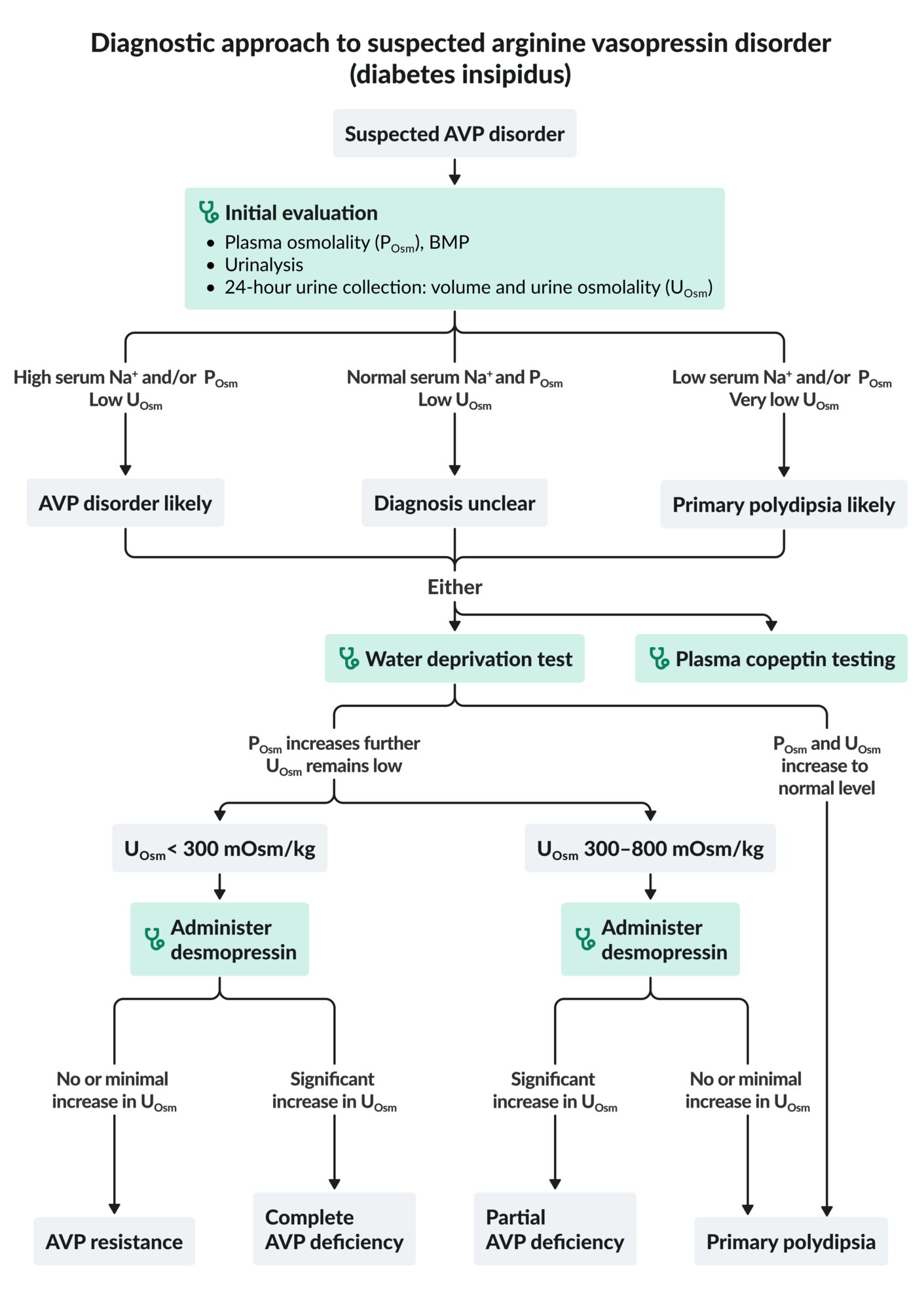
Laboratory tests measure key substances in your blood and urine to detect vasopressin deficiency. Blood tests check sodium levels and plasma osmolality, which often rise when vasopressin is low. Urine tests reveal how diluted your urine is, indicating whether your kidneys are concentrating urine properly.
These tests provide initial clues but might not give the full picture alone. Have you ever wondered why some patients with similar symptoms have very different lab results? This variability makes further testing essential.
Water Deprivation Test
The water deprivation test evaluates your body’s ability to conserve water without drinking. During this test, you stop drinking water under medical supervision while doctors monitor your weight, urine concentration, and blood sodium. If your body fails to concentrate urine, it suggests vasopressin deficiency.
This test can be challenging because it requires strict monitoring and patience. But it offers crucial information that lab tests can miss. Would you feel comfortable undergoing this test if you knew it could pinpoint the cause of your symptoms?
Imaging Studies
Imaging studies like MRI scans help visualize the pituitary gland and hypothalamus, where vasopressin is produced. These images can reveal structural problems such as tumors, inflammation, or injury affecting hormone production. Identifying physical causes directs targeted treatment options.
Imaging adds another layer of certainty, especially when lab tests and clinical signs leave questions unanswered. How often do you think imaging changes the course of diagnosis for hormone-related disorders?
Credit: www.amboss.com
Treatment Approaches
Treating vasopressin deficiency requires a clear plan to manage symptoms and prevent complications. The goal is to replace the missing hormone and maintain fluid balance. Careful monitoring helps adjust treatment for the best results. Several approaches work together to control this condition effectively.
Hormone Replacement Therapy
Hormone replacement is the primary treatment for vasopressin deficiency. Desmopressin, a synthetic form of vasopressin, is commonly prescribed. It helps reduce excessive urination and thirst by controlling water retention. This medication comes in various forms such as nasal spray, tablets, or injections.
Dosage depends on the severity of the deficiency and patient response. Regular use stabilizes fluid levels and improves quality of life. Patients must follow their healthcare provider’s instructions carefully to avoid side effects.
Lifestyle Adjustments
Simple lifestyle changes support hormone therapy and improve symptoms. Drinking enough fluids is essential to prevent dehydration. Patients need to avoid drinks that increase urine production like caffeine and alcohol. Eating balanced meals helps maintain overall health.
Keeping a daily record of fluid intake and output helps track progress. Wearing comfortable clothing and planning bathroom breaks can ease daily challenges. These habits work with medication to keep the condition under control.
Monitoring And Follow-up
Regular check-ups are crucial to monitor treatment effectiveness. Doctors may order blood and urine tests to assess fluid balance. Adjusting medication doses ensures symptoms remain controlled.
Patients should report new or worsening symptoms immediately. Follow-up visits also help detect any side effects early. Continuous care leads to better long-term health outcomes.
Frequently Asked Questions
What Are Common Symptoms Of Vasopressin Deficiency?
Vasopressin deficiency often causes excessive urination and intense thirst. This is due to the body’s inability to retain water, leading to dehydration and electrolyte imbalance.
How Does Vasopressin Deficiency Affect Urine Output?
It causes polyuria, meaning large volumes of dilute urine. The kidneys fail to concentrate urine properly without enough vasopressin.
Can Vasopressin Deficiency Cause Dehydration?
Yes, excessive urination leads to dehydration. The lack of vasopressin reduces water reabsorption, causing fluid loss and dry mouth.
What Clinical Signs Indicate Diabetes Insipidus?
Diabetes insipidus presents with polyuria, polydipsia, and nocturia. These symptoms stem from vasopressin deficiency affecting kidney water regulation.
Conclusion
Vasopressin deficiency causes clear signs in the body. The main problem is excessive thirst and frequent urination. This happens because the body cannot hold water properly. These symptoms affect daily life and health. Early detection helps manage the condition better.
Treatment focuses on replacing the missing hormone. Understanding these signs helps caregivers support clients well. Awareness leads to timely medical care and relief. Remember, simple changes can improve comfort and health. Watch for symptoms and act quickly.

Similar Posts