Which is an Expected Clinical Manifestation of Hypomagnesemia: Key Insights

Are you aware that low magnesium levels in your body can cause more than just tiredness? Hypomagnesemia, or magnesium deficiency, can lead to surprising and serious symptoms that affect your daily life.
If you’ve been feeling weak, experiencing muscle cramps, or noticing unusual heart rhythms, it’s important to understand what’s really happening inside your body. You’ll discover the key clinical signs to watch for and why recognizing them early can make a big difference in your health.
Keep reading to learn which symptoms shouldn’t be ignored and how they connect to hypomagnesemia.

Credit: quizlet.com
Etiology And Risk Factors
Understanding the causes and risk factors of hypomagnesemia helps identify who might develop this condition. Magnesium plays a vital role in many body functions. Low magnesium levels can result from various reasons. Some are related to diet, others to health problems or medications. Recognizing these factors helps in early detection and management.
Magnesium Deficiency In The General Population
Magnesium deficiency is common worldwide. Poor dietary intake is a leading cause. Many people do not consume enough magnesium-rich foods. Processed foods often lack this mineral. Drinking water low in magnesium also contributes. Certain lifestyle habits can increase the risk. These include alcohol use and high caffeine intake.
Magnesium Loss Due To Gastrointestinal Conditions
Gastrointestinal diseases can cause magnesium loss. Conditions like Crohn’s disease and celiac disease reduce absorption. Chronic diarrhea leads to magnesium depletion. Surgery on the digestive tract may also impair absorption. These issues prevent the body from keeping enough magnesium.
Impact Of Certain Medications On Magnesium Levels
Some medications cause magnesium loss or lower absorption. Diuretics increase magnesium excretion through urine. Proton pump inhibitors reduce magnesium absorption in the gut. Certain antibiotics and chemotherapy drugs also affect levels. Long-term use of these medicines raises the risk of hypomagnesemia.
Clinical Manifestations Of Hypomagnesemia
Hypomagnesemia occurs when magnesium levels in the blood drop below normal. This mineral plays a key role in many body functions. Low magnesium can affect several systems, causing different symptoms. Knowing these signs helps in early detection and treatment.
Symptoms of hypomagnesemia vary based on severity and duration. They mainly impact the cardiovascular, neuromuscular, and musculoskeletal systems. Each system shows distinct clinical signs that indicate magnesium deficiency.
Cardiovascular System: Arrhythmias And Hypotension
Magnesium helps regulate heart rhythm and blood pressure. Low magnesium can cause arrhythmias, which are abnormal heartbeats. Patients may feel palpitations or irregular pulses. Hypotension, or low blood pressure, may also develop. These changes increase the risk of heart complications.
Neuromuscular System: Weakness And Tremors
Magnesium controls nerve and muscle function. Deficiency can lead to muscle weakness and fatigue. Tremors or shaking in hands and limbs often appear. Some patients experience numbness or tingling sensations. These symptoms arise from disrupted nerve signals.
Musculoskeletal System: Muscle Cramps And Spasms
Muscle cramps and spasms are common in hypomagnesemia. Magnesium helps muscles relax after contraction. Without enough magnesium, muscles contract uncontrollably. This causes painful cramps and spasms. These symptoms often affect legs and feet.
Electrolyte Imbalance And Hypomagnesemia
Electrolyte imbalance plays a key role in the clinical manifestations of hypomagnesemia. Magnesium is vital for maintaining the balance of other electrolytes like potassium and calcium. Low magnesium levels disrupt this balance, leading to various symptoms and complications. Understanding these relationships helps explain why hypomagnesemia affects the body in specific ways.
Interplay Between Magnesium And Potassium Levels
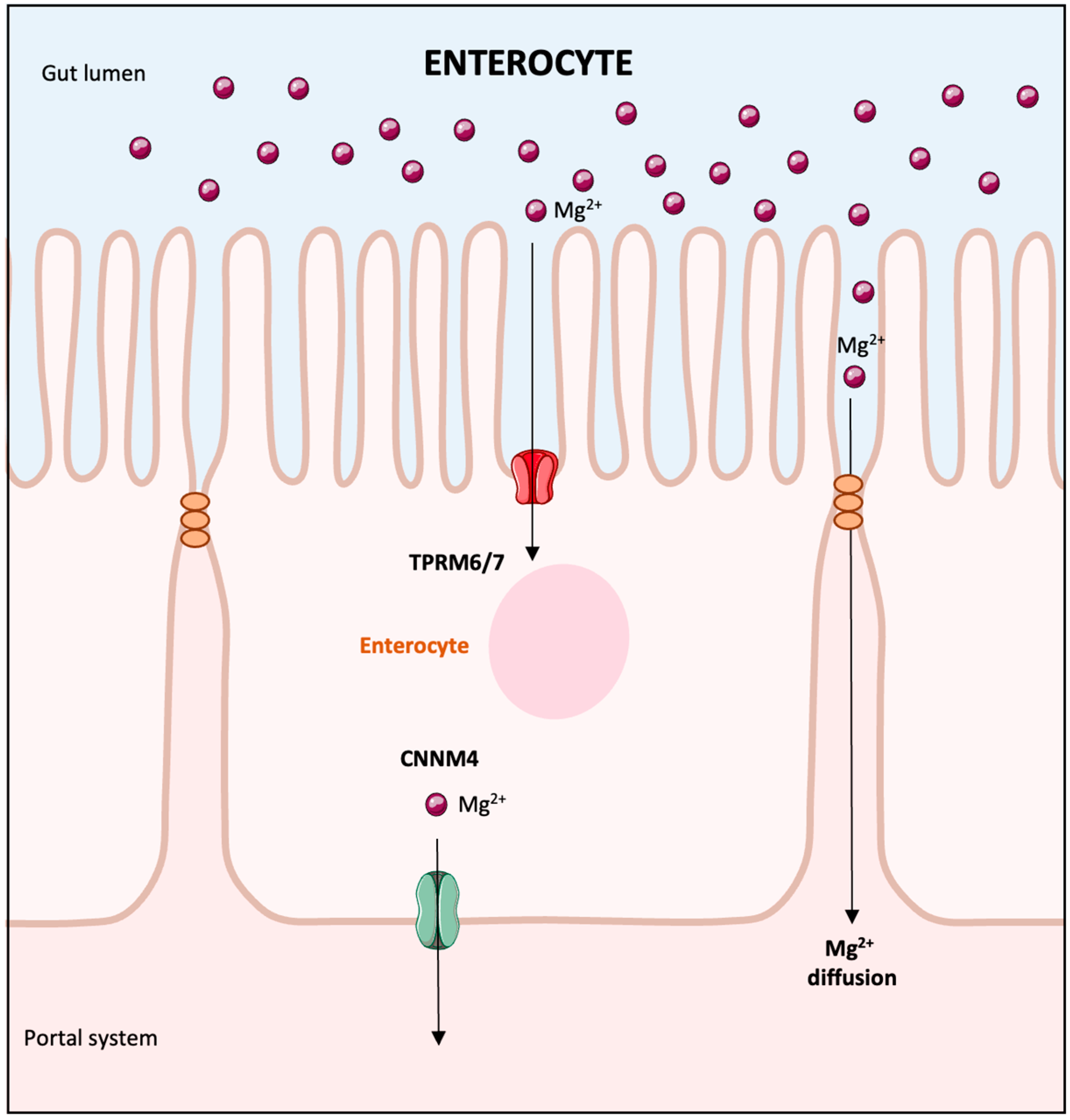
Magnesium and potassium levels are closely linked in the body. Low magnesium often causes potassium to drop as well. Magnesium helps potassium stay inside cells and supports its transport. Without enough magnesium, potassium leaks out of cells and is lost through urine. This loss causes low potassium in the blood, known as hypokalemia.
Hypokalemia can cause muscle weakness, cramps, and abnormal heart rhythms. Treating low potassium alone may not work unless magnesium is also corrected. This shows why hypomagnesemia often presents with low potassium and related symptoms.
Impact Of Hypomagnesemia On Calcium Levels
Magnesium also influences calcium levels in the blood. Low magnesium reduces the release of parathyroid hormone (PTH). PTH controls calcium balance by increasing calcium absorption and release from bones. When PTH levels drop due to low magnesium, calcium levels fall too, causing hypocalcemia.
Hypocalcemia can cause muscle spasms, tingling, and seizures. These symptoms often appear in patients with hypomagnesemia. Correcting magnesium levels helps restore normal calcium balance and reduce symptoms.
Consequences Of Electrolyte Imbalance
- Muscle cramps and spasms
- Weakness and fatigue
- Irregular heartbeats and palpitations
- Numbness and tingling sensations
- Seizures in severe cases
Electrolyte imbalance caused by hypomagnesemia affects multiple body systems. It disrupts nerve and muscle function and increases the risk of cardiac problems. Early recognition of these signs helps prevent serious complications.
Credit: www.mdpi.com
Differential Diagnosis And Diagnostic Challenges
Diagnosing hypomagnesemia involves many challenges. Its symptoms often overlap with other electrolyte imbalances. This makes it hard to pinpoint the exact cause. Doctors must carefully analyze clinical signs and lab results. Accurate diagnosis ensures proper treatment and prevents complications. Understanding the differences between similar conditions is key to effective care.
Distinguishing Hypomagnesemia From Other Electrolyte Imbalances
Hypomagnesemia shares symptoms with low calcium and potassium levels. Symptoms such as muscle cramps, weakness, and irregular heartbeat are common. Unlike hypocalcemia, hypomagnesemia often causes resistant low calcium levels. Potassium levels may drop due to magnesium deficiency. Careful symptom evaluation helps narrow down the cause.
Electrolyte imbalances often occur together. Identifying the primary deficiency is important. Magnesium deficiency may worsen other imbalances. Treating only one imbalance may not fix the problem. Doctors must look at the full clinical picture.
Role Of Laboratory Tests In Diagnosing Hypomagnesemia
Blood tests measure serum magnesium levels directly. Levels below 1.7 mg/dL indicate hypomagnesemia. Other tests check calcium, potassium, and kidney function. Urine magnesium tests help identify magnesium loss causes. Lab tests guide treatment decisions and monitor progress.
Lab results must be interpreted with clinical symptoms. Some patients have low magnesium inside cells but normal blood levels. Additional testing may be needed for accurate diagnosis. Timely lab tests improve patient outcomes.
Potential Pitfalls In Diagnosing Hypomagnesemia
Normal serum magnesium does not always rule out deficiency. Magnesium mostly resides inside cells, not blood. Symptoms may be subtle or mimic other diseases. Some medications and conditions affect magnesium levels. These factors complicate diagnosis.
- Delayed testing can miss transient low magnesium.
- Lab errors or sample handling affect results.
- Concurrent illnesses mask magnesium deficiency signs.
- Reliance on single test without clinical correlation.
Careful assessment and repeated tests may be necessary. Awareness of pitfalls helps avoid misdiagnosis. Early detection prevents severe complications.
Management And Treatment Strategies
Managing hypomagnesemia requires careful attention to restore magnesium levels and prevent complications. Treatment focuses on replenishing magnesium stores and tackling the root causes. Regular monitoring ensures effective and safe correction of magnesium deficiency. The approach varies based on severity and patient condition.
Replenishing Magnesium Stores Through Oral Or Parenteral Administration
Oral magnesium supplements are common for mild to moderate deficiency. They are easy to take and effective over time. Foods rich in magnesium can support oral therapy. In severe cases or if oral intake is not possible, intravenous or intramuscular magnesium is necessary. Parenteral administration provides faster correction and immediate relief of symptoms.
Addressing Underlying Causes Of Hypomagnesemia
Identifying and treating the cause is crucial for lasting recovery. Causes include gastrointestinal losses, kidney disorders, or certain medications. Correcting diarrhea or malabsorption improves magnesium absorption. Adjusting or stopping drugs that cause magnesium loss helps restore balance. Treating related conditions like alcoholism or diabetes also aids recovery.
Monitoring And Adjusting Treatment
Regular blood tests track magnesium levels during treatment. Monitoring helps avoid overcorrection, which can cause high magnesium. Symptoms and electrolyte balance guide dose adjustments. Continuous assessment ensures treatment stays safe and effective. Follow-up care prevents recurrence of hypomagnesemia and related complications.

Credit: www.mdpi.com
Frequently Asked Questions
What Are Common Symptoms Of Hypomagnesemia?
Common symptoms include muscle cramps, fatigue, and irregular heartbeat. Patients may also experience nausea and weakness. These signs reflect magnesium’s vital role in nerve and muscle function.
How Does Hypomagnesemia Affect The Nervous System?
Hypomagnesemia can cause tremors, seizures, and irritability. Low magnesium disrupts nerve signal transmission, leading to neurological symptoms. Early detection is crucial to prevent severe complications.
Can Hypomagnesemia Cause Heart Problems?
Yes, it can trigger arrhythmias and palpitations. Magnesium deficiency affects heart muscle contractions and electrical stability. Monitoring magnesium levels helps manage cardiovascular risks.
Which Lab Tests Diagnose Hypomagnesemia?
Serum magnesium level measurement is the primary test. Normal values range from 1. 7 to 2. 2 mg/dL. Additional tests may assess related electrolyte imbalances.
Conclusion
Hypomagnesemia shows clear signs in the body. Muscle cramps and weakness often appear first. Patients may also feel tired or confused. Heart rhythm problems can develop over time. Early detection helps prevent serious complications. Knowing these symptoms aids in quick treatment.
Stay aware of changes in your body. Seek medical advice if symptoms persist or worsen. Understanding hypomagnesemia improves health outcomes. Keep magnesium levels balanced for better well-being.

Similar Posts