Which Manifestation is Associated With Cardiogenic Shock: Critical Insights

Are you curious about the signs that point to cardiogenic shock? Understanding which manifestation is linked to this serious condition can make a big difference in recognizing it early.
If you or someone you care about experiences sudden heart problems, knowing what to watch for can save lives. You’ll discover the key symptoms and how they affect your body, helping you stay informed and prepared. Keep reading to learn what cardiogenic shock looks like and why it matters to your health.

Credit: recapem.com
Causes Of Cardiogenic Shock
Cardiogenic shock happens when the heart fails to pump enough blood. This condition leads to low blood flow and damages vital organs. Understanding its causes helps in quick diagnosis and treatment. Several heart problems can trigger cardiogenic shock. Each cause affects the heart’s ability to work properly.
Heart Attack And Myocardial Infarction
A heart attack often causes cardiogenic shock. It occurs when blood flow to the heart muscle is blocked. This blockage damages the heart tissue. The heart cannot pump blood effectively after this damage. Large or severe heart attacks increase the risk of shock.
Cardiomyopathy
Cardiomyopathy weakens the heart muscle. The heart becomes enlarged or stiff. It loses its power to pump blood well. This condition can be inherited or caused by other diseases. When the heart fails, cardiogenic shock may develop.
Arrhythmias
Arrhythmias are irregular heartbeats. They disrupt the heart’s rhythm. This causes poor blood flow through the body. Severe arrhythmias reduce the heart’s pumping ability. They can lead to sudden cardiogenic shock.
Mechanical Complications
Mechanical problems happen after heart damage. Examples include valve rupture or wall tears. These issues cause blood to leak or flow abnormally. The heart struggles to maintain blood circulation. Mechanical complications often result in cardiogenic shock.

Credit: quizlet.com
Key Signs And Symptoms
Recognizing the key signs and symptoms of cardiogenic shock can be a matter of urgency. This condition occurs when the heart suddenly can’t pump enough blood to meet the body’s needs. Identifying these manifestations early can guide you or someone you know to seek immediate medical care, potentially saving a life.
Low Blood Pressure
One of the most critical signs of cardiogenic shock is a sudden drop in blood pressure. This happens because the heart’s weakened pumping ability fails to maintain adequate circulation. You might notice dizziness or fainting, which signals that vital organs aren’t receiving enough blood.
Rapid Breathing
Your body tries to compensate for poor heart function by increasing breathing rate. Rapid breathing helps bring in more oxygen, but it can also leave you feeling short of breath or anxious. If you find yourself gasping for air during minimal activity, it could be a warning sign.
Cold And Clammy Skin
Have you ever felt your skin suddenly turn cold and sweaty without a clear reason? This happens because the body redirects blood flow to essential organs, leaving skin tissues underperfused. Cold, clammy skin is a red flag that the heart isn’t pumping effectively.
Altered Mental Status
Confusion, difficulty focusing, or sudden drowsiness can indicate that the brain isn’t getting enough oxygen-rich blood. You might experience these symptoms yourself or notice them in someone else. Such changes in mental status should never be ignored, especially alongside other signs.
Diagnostic Indicators
Diagnosing cardiogenic shock requires careful examination of specific indicators. These indicators help identify the heart’s ability to pump blood effectively. Early detection is key to managing the condition promptly.
Doctors use various tools to assess the heart’s function and to pinpoint the cause of shock. These tests provide clear signs of cardiac distress and guide treatment decisions.
Electrocardiogram Findings
An electrocardiogram (ECG) records the heart’s electrical activity. It often shows abnormalities in cardiogenic shock cases. Common findings include:
- ST-segment elevation or depression indicating heart muscle damage
- Arrhythmias such as ventricular tachycardia or fibrillation
- Signs of ischemia or infarction
- Conduction delays that affect heart rhythm
These ECG changes help identify underlying causes like heart attacks.
Echocardiography Results
Echocardiography uses ultrasound to visualize heart structures. It measures heart muscle function and valve performance. Key findings include:
- Reduced left ventricular ejection fraction (LVEF)
- Wall motion abnormalities showing damaged heart areas
- Valve dysfunction contributing to poor blood flow
- Pericardial effusion or tamponade signs
This imaging is crucial for confirming shock due to heart failure.
Blood Tests And Biomarkers
Blood tests reveal chemical changes linked to heart injury. Important biomarkers include:
- Elevated troponin levels indicating heart muscle damage
- Increased B-type natriuretic peptide (BNP) showing heart strain
- High lactate levels signaling poor tissue oxygenation
- Abnormal kidney and liver function tests from reduced blood flow
These tests support diagnosis and assess severity.
Hemodynamic Monitoring
Hemodynamic monitoring measures blood pressure and flow within the heart and vessels. Tools like pulmonary artery catheters provide data on:
- Cardiac output and cardiac index
- Central venous pressure (CVP)
- Pulmonary capillary wedge pressure (PCWP)
- Systemic vascular resistance (SVR)
These values help determine shock type and guide therapy.
Credit: www.mdpi.com
Common Manifestations Linked To Cardiogenic Shock
Cardiogenic shock is a serious condition where the heart cannot pump enough blood. This causes several signs and symptoms that show the body is struggling. Recognizing these signs early helps in managing the condition effectively.
Pulmonary Edema
Pulmonary edema happens when fluid builds up in the lungs. This causes trouble breathing and a feeling of suffocation. Patients may cough up pink, frothy mucus. It occurs because the heart fails to move blood forward, causing fluid to leak into lung tissues.
Reduced Urine Output
When the heart pumps poorly, kidneys get less blood. This leads to reduced urine output. The body tries to hold onto water to maintain blood pressure. Low urine output is a clear sign that organs are not getting enough blood.
Peripheral Cyanosis
Peripheral cyanosis means the skin, especially on fingers and toes, turns bluish. This happens because of low oxygen in the blood. Poor heart function causes blood to flow slowly, reducing oxygen delivery to the body’s edges.
Jugular Venous Distension
Jugular venous distension is swelling of the neck veins. It shows that blood is backing up in the veins. This happens when the heart cannot handle the blood returning to it. The veins become visibly enlarged and pulsate.
Pathophysiology Behind Manifestations
The pathophysiology behind the manifestations of cardiogenic shock explains how the condition affects the body. It begins with the heart’s inability to pump enough blood. This failure leads to a series of harmful effects on organs and tissues.
Understanding these processes helps to grasp why symptoms appear and how they relate to the heart’s function.
Impaired Cardiac Output
Cardiogenic shock starts with a sudden drop in cardiac output. The heart muscle weakens or is damaged. It cannot pump blood efficiently. This reduces oxygen delivery to the body. Tissues receive less blood, causing fatigue and weakness.
Systemic Hypoperfusion
Low cardiac output causes systemic hypoperfusion. Blood flow to organs and tissues decreases. Cells do not get enough oxygen and nutrients. Waste products build up in the body. This leads to a decline in overall body function.
Organ Dysfunction
Organs begin to fail due to poor blood supply. The kidneys, liver, and brain are most affected. Kidney function drops, causing fluid and waste buildup. The liver struggles to process toxins. Brain function may decline, causing confusion or unconsciousness.
Neurohormonal Activation
The body tries to fix low blood flow. It activates neurohormonal responses. Hormones like adrenaline increase heart rate. Blood vessels constrict to raise blood pressure. These efforts can worsen heart stress and organ damage.
Management Strategies
Managing cardiogenic shock requires quick and precise actions. Treatment focuses on supporting the heart and improving blood flow. Different strategies help stabilize the patient and prevent organ damage. Medical teams use a mix of drug therapy, devices, fluids, and surgery.
Pharmacological Treatments
Medications help strengthen the heart’s pumping ability. Drugs called inotropes increase heart muscle contractions. Vasopressors raise blood pressure to improve circulation. Diuretics remove excess fluid to reduce heart strain. Doctors carefully adjust doses to balance effects and side effects.
Mechanical Support Devices
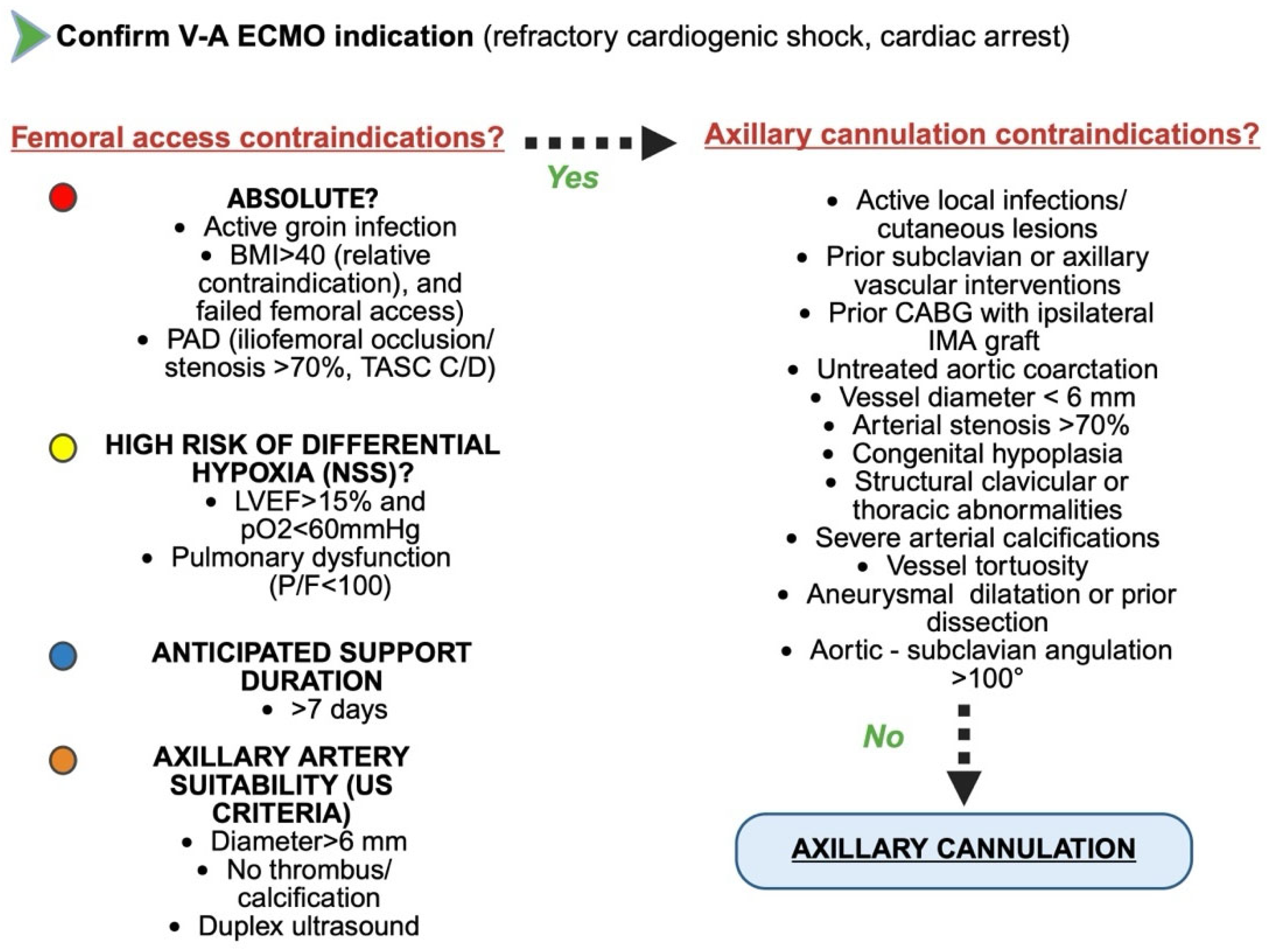
Mechanical devices assist the heart in pumping blood. Intra-aortic balloon pumps reduce heart workload and improve blood flow. Ventricular assist devices support one or both heart ventricles. Extracorporeal membrane oxygenation (ECMO) provides oxygenation and circulation outside the body. These tools buy time while other treatments take effect.
Fluid Management
Fluid levels must be carefully controlled in cardiogenic shock. Too much fluid can worsen swelling and strain the heart. Too little fluid lowers blood pressure and harms organs. Doctors monitor fluid balance using blood tests and clinical signs. They adjust fluids to maintain optimal circulation and organ function.
Surgical Interventions
Surgery may be needed to fix the underlying heart problem. Procedures include bypass surgery to improve blood flow to the heart muscle. Valve repair or replacement corrects faulty heart valves. Emergency surgery treats heart rupture or severe damage. Surgery aims to restore heart function and stabilize the patient.
Prognosis And Outcomes
Understanding the prognosis and outcomes of cardiogenic shock is crucial for anyone affected by this severe heart condition. The journey from diagnosis to recovery can be unpredictable, but knowing what influences survival and long-term health helps you prepare and take control. Let’s break down the key factors that shape your chances and what you can expect after the initial crisis.
Factors Affecting Survival
Several elements directly impact survival rates in cardiogenic shock. The speed at which treatment begins plays a vital role—delays can reduce your chances significantly. Your age, underlying heart function, and presence of other medical conditions like diabetes or kidney disease also matter.
Did you know that the type of intervention, such as the use of mechanical support devices or certain medications, can improve outcomes? Early identification and aggressive management often tip the balance towards survival.
Long-term Complications
Surviving cardiogenic shock doesn’t always mean the end of health challenges. Many patients face ongoing issues like heart failure, arrhythmias, or kidney problems. These complications may require lifelong monitoring and treatment.
How prepared are you to adapt your lifestyle and medical care to manage these risks? Staying informed and proactive with your healthcare team is essential to minimize the impact of these long-term effects.
Rehabilitation And Recovery
Recovery from cardiogenic shock is a gradual process that involves both physical and emotional healing. Cardiac rehabilitation programs can help rebuild your strength, improve heart function, and teach you how to prevent future episodes.
Engaging actively in rehab not only speeds up recovery but also boosts your confidence in managing your heart health. Have you considered how lifestyle changes like diet, exercise, and stress management could transform your recovery experience?
Frequently Asked Questions
What Is Cardiogenic Shock Manifestation?
Cardiogenic shock manifests as severe heart pump failure. Symptoms include low blood pressure, rapid breathing, weak pulse, and cold extremities. It results from inadequate blood flow to organs, causing confusion and fatigue. Immediate medical treatment is essential to improve survival chances.
How Does Cardiogenic Shock Affect The Body?
It causes poor blood circulation, leading to organ failure. The heart cannot supply enough oxygen-rich blood. This results in cold skin, low urine output, and altered mental status. Prompt intervention is critical to prevent irreversible damage and death.
What Are Common Symptoms Of Cardiogenic Shock?
Common symptoms include chest pain, shortness of breath, and dizziness. Patients may also experience sweating, weakness, and confusion. These signs indicate the heart is failing to meet the body’s demands. Early recognition and treatment are vital.
Can Heart Attack Cause Cardiogenic Shock?
Yes, a severe heart attack can trigger cardiogenic shock. It damages the heart muscle, reducing pumping ability. This leads to low blood pressure and poor organ perfusion. Immediate emergency care is necessary to manage this life-threatening condition.
Conclusion
Cardiogenic shock shows clear signs that help with quick diagnosis. Weak pulse, low blood pressure, and cold skin often appear first. Shortness of breath and confusion may also occur. Recognizing these signs early saves lives. Treatment depends on how fast doctors act.
Knowing the common symptoms helps patients and caregivers stay alert. Always seek medical help if these symptoms show up suddenly. Understanding manifestations of cardiogenic shock can improve outcomes greatly. Stay informed and watch for warning signs. Early action makes a big difference in recovery.

Similar Posts