Which Neurological Manifestation is Associated With Hyperthyroidism: Unveiling the Cognitive Connection

Have you ever wondered how your thyroid might be affecting your brain and nerves? If you or someone you know has hyperthyroidism, you might notice more than just changes in weight or energy.
There’s a hidden connection between your overactive thyroid and certain neurological symptoms that can impact your daily life. Understanding which neurological signs are linked to hyperthyroidism can help you spot problems early and get the right care. Keep reading to discover these key symptoms and learn how they might be affecting your body in ways you didn’t expect.

Credit: saffron4health.com
Hyperthyroidism And The Nervous System
Hyperthyroidism impacts many body parts, especially the nervous system. The thyroid gland produces hormones that control how the brain and nerves work. When the thyroid makes too much hormone, it can change brain function and cause nervous system problems. Understanding these effects helps in managing hyperthyroidism better.
How Thyroid Hormones Affect The Brain
Thyroid hormones control metabolism and energy in brain cells. Too much hormone speeds up brain activity. This can cause feelings of anxiety and restlessness. It also affects memory and concentration. The brain’s communication with nerves becomes faster, leading to overstimulation. This overstimulation can cause tremors and muscle weakness.
Common Neurological Symptoms In Hyperthyroidism
- Tremors: Small, shaking movements in hands or fingers
- Muscle Weakness: Feeling tired and weak in muscles
- Anxiety and Nervousness: Feeling worried or on edge without reason
- Restlessness: Trouble sitting still or relaxing
- Insomnia: Difficulty falling asleep or staying asleep
- Headaches: Frequent pain or pressure in the head
- Memory Problems: Trouble focusing or remembering things
Cognitive Changes Linked To Hyperthyroidism
Hyperthyroidism can affect the brain and cause several cognitive changes. These changes often impact daily activities and overall mental function. The brain becomes more sensitive to hormones, leading to noticeable differences in thinking and behavior. Understanding these changes helps in managing symptoms effectively.
Memory Impairment And Attention Deficits
People with hyperthyroidism may find it hard to remember things. Short-term memory can weaken, making it difficult to recall recent events. Attention span also shrinks, causing trouble in focusing on tasks. Simple activities may require more effort to stay attentive.
Impact On Executive Functions
Executive functions like planning and problem-solving often suffer. Decision-making becomes slower and less accurate. Organizing daily tasks feels overwhelming. These changes can reduce productivity and increase frustration in routine activities.
Mood And Behavioral Alterations
Hyperthyroidism can cause mood swings and irritability. Anxiety and restlessness become more common. Some may experience increased impulsiveness or difficulty controlling emotions. These behavioral shifts can affect relationships and social interactions.
Neurological Disorders Associated With Hyperthyroidism
Hyperthyroidism affects more than just metabolism and heart rate. It can also cause various neurological problems. These disorders arise because excess thyroid hormones impact nerve function and muscle control. Recognizing these symptoms helps with early diagnosis and better treatment.
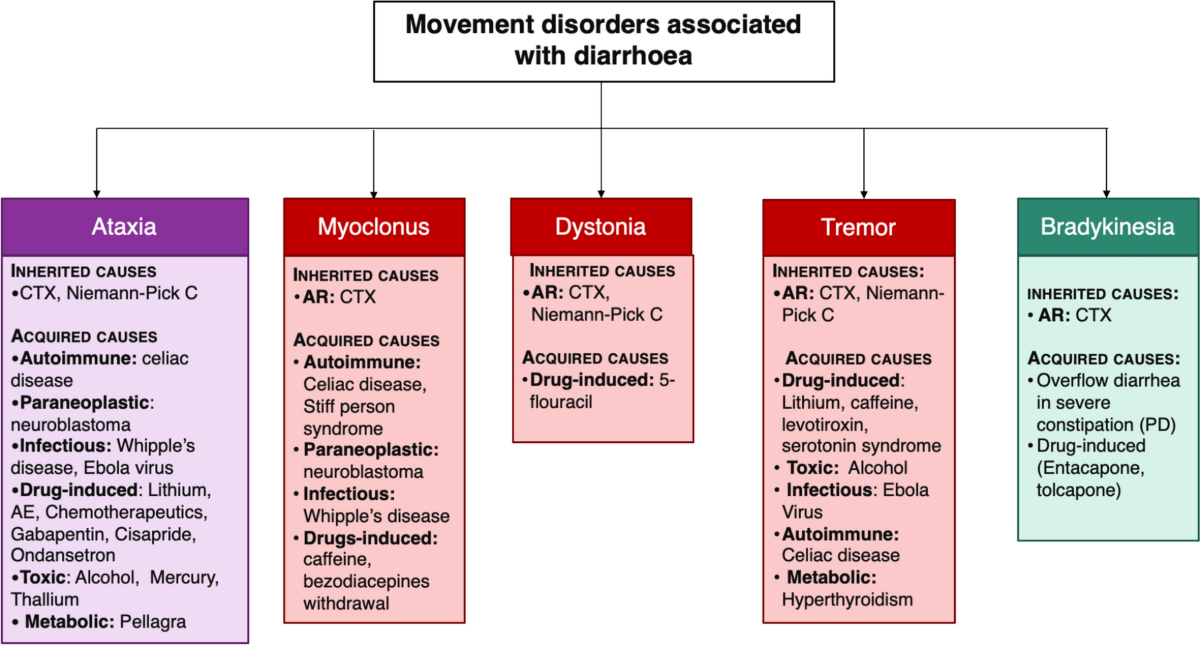
Tremors And Muscle Weakness
Tremors are one of the most common neurological signs of hyperthyroidism. These are fine shaking movements, often seen in the hands. Muscle weakness also occurs, especially in the upper arms and thighs. This weakness can make simple tasks hard to perform. Both tremors and muscle weakness result from overstimulation of nerves and muscles.
Peripheral Neuropathy
Peripheral neuropathy means damage to nerves outside the brain and spinal cord. Hyperthyroidism can cause this condition, leading to numbness or tingling in the hands and feet. Patients may feel burning or stabbing pain. This nerve damage occurs due to metabolic changes and inflammation caused by excess thyroid hormones.
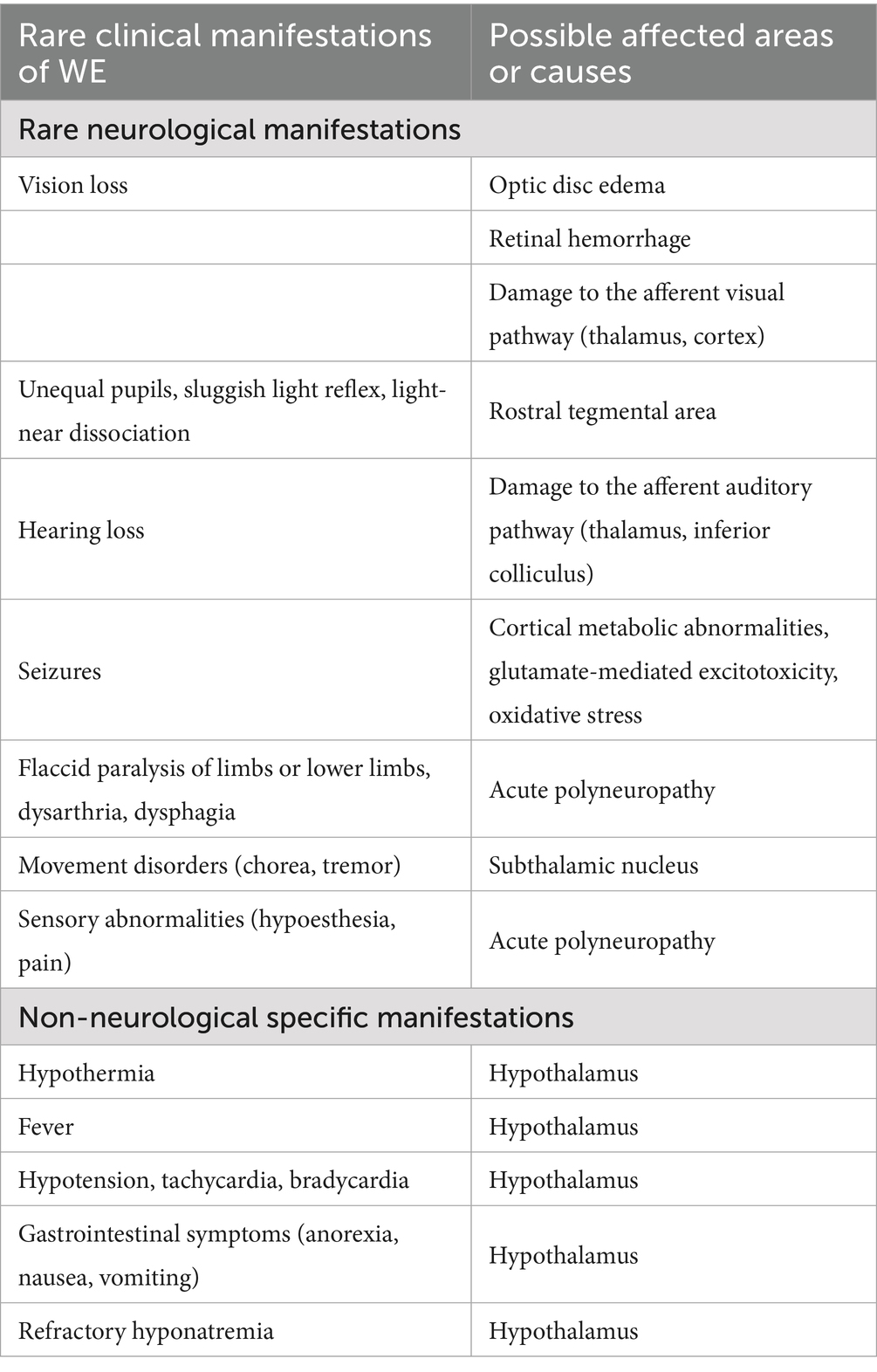
Thyrotoxic Encephalopathy
Thyrotoxic encephalopathy is a rare but serious brain disorder linked to hyperthyroidism. It affects mental function, causing confusion, memory loss, and difficulty concentrating. Some patients may experience agitation or hallucinations. This condition arises from toxic effects of high thyroid hormone levels on brain cells.
Credit: www.frontiersin.org
Mechanisms Behind Cognitive Dysfunction
Cognitive dysfunction linked to hyperthyroidism is a complex issue that goes beyond just feeling forgetful or distracted. Understanding the underlying mechanisms helps you recognize why your brain might not be working at its best when thyroid hormones are out of balance. Let’s break down how excess thyroid hormones, autoimmune factors, and changes in metabolism and blood flow contribute to this cognitive challenge.
Effects Of Excess Thyroid Hormones On Neurons
Too much thyroid hormone accelerates the activity of neurons, which can initially sound beneficial but actually leads to problems. Overstimulation causes neurons to become exhausted, reducing their ability to communicate effectively.
This overstimulation may result in symptoms like difficulty concentrating and memory lapses. Think about your brain like an engine running too fast—it wears down quicker and can’t perform smoothly over time.
Role Of Autoimmunity And Inflammation
Hyperthyroidism often involves autoimmune processes, where your immune system mistakenly attacks your own tissues, including parts of the brain. This creates inflammation that interferes with normal brain function.
Inflammation can disrupt signaling pathways between neurons and even alter how neurotransmitters work. Have you ever noticed how feeling physically sick can fog your thinking? This is a similar effect, but it can persist longer in hyperthyroidism.
Metabolic And Vascular Contributions
Your brain relies on a steady supply of energy and oxygen, both of which can be compromised in hyperthyroidism. Increased metabolism raises the brain’s energy demands, but vascular changes can reduce blood flow, leading to a mismatch.
Reduced blood flow might cause subtle damage over time, contributing to cognitive decline. Understanding this can help you prioritize not just thyroid treatment but also lifestyle choices that support vascular health, like regular exercise and a balanced diet.
Diagnostic Approaches
Diagnosing neurological manifestations linked to hyperthyroidism requires a comprehensive approach. Each diagnostic tool offers unique insights into how thyroid imbalances affect the nervous system. Combining these methods helps you get a clearer picture of the condition and guides effective treatment.
Neuropsychological Testing
Neuropsychological testing evaluates cognitive functions like memory, attention, and problem-solving skills. These tests reveal subtle changes in mental status that might not be obvious during a routine exam. If you notice mood swings or difficulty concentrating alongside physical symptoms, this testing can confirm if hyperthyroidism is influencing your brain function.
Tests often include:
- Memory recall tasks
- Attention span assessments
- Executive function evaluations
These assessments help differentiate whether symptoms arise from thyroid dysfunction or other neurological conditions.
Imaging Techniques
Imaging studies provide a visual understanding of any structural or functional changes in the brain. MRI scans are particularly useful in identifying abnormalities like swelling or inflammation that may accompany hyperthyroid states. Have you ever wondered how your brain looks during these episodes? Imaging can answer that.
Common imaging tools include:
- Magnetic Resonance Imaging (MRI)
- Computed Tomography (CT) scans
- Ultrasound of the thyroid gland to check for nodules or enlargement
These techniques confirm the extent of neurological involvement and rule out other causes.
Laboratory Assessments
Lab tests are the backbone of diagnosing hyperthyroidism and its neurological effects. Measuring thyroid hormone levels—like T3, T4, and TSH—directly shows if your thyroid is overactive. But labs go beyond just thyroid hormones.
Additional tests often include:
- Antibody levels to detect autoimmune causes
- Electrolyte panels to identify imbalances affecting nerve function
- Blood glucose tests to rule out other metabolic contributors
These results help tailor your treatment plan and monitor progress. Have you checked your labs recently to see if your symptoms relate to thyroid issues?
Credit: link.springer.com
Treatment And Cognitive Recovery
Treating neurological issues linked to hyperthyroidism involves more than just fixing hormone levels. Cognitive recovery depends on careful management and monitoring. Early treatment helps reduce symptoms and supports brain function. Patients often see improvement in memory, attention, and thinking skills.
Thyroid Function Normalization
Restoring normal thyroid hormone levels is the first step. Doctors use medication like antithyroid drugs or radioactive iodine therapy. Sometimes surgery is necessary to remove part of the thyroid gland. Normal hormone levels ease neurological symptoms and prevent further damage.
Symptomatic Management
Doctors may recommend treatments to control specific neurological symptoms. Beta-blockers help reduce tremors and anxiety. Sleep aids improve rest and reduce fatigue. Physical therapy can support muscle weakness or coordination problems. These treatments improve daily functioning and quality of life.
Long-term Cognitive Outcomes
Most patients experience cognitive improvement after thyroid control. Some may have lingering memory or concentration issues. Regular check-ups help track recovery progress. Cognitive rehabilitation or counseling can support mental health. Early diagnosis and treatment lead to better outcomes.
Future Research Directions
Understanding the neurological effects of hyperthyroidism has advanced, but many questions remain unanswered. Future research must dig deeper into the biological markers and treatment options to improve patient outcomes. Your involvement in staying informed can make a difference, especially as new findings emerge.
Emerging Biomarkers
Identifying biomarkers linked to neurological symptoms in hyperthyroidism could change how doctors diagnose and monitor the condition. Biomarkers like specific proteins or genetic markers might reveal how thyroid hormones impact nerve function. Are you aware that tracking these markers could lead to earlier detection and personalized care?
Research is now focusing on blood and cerebrospinal fluid tests to spot subtle brain changes before symptoms appear. Pinpointing these indicators could help prevent irreversible neurological damage. Imagine catching problems early enough to avoid long-term complications.
Novel Therapeutic Targets
Current treatments manage thyroid hormone levels but often overlook direct neurological effects. Scientists are exploring new drug targets aimed at protecting the nervous system from hormone-induced damage. Could targeting inflammation or oxidative stress pathways provide relief where hormone control alone falls short?
These innovative therapies might reduce symptoms like tremors, memory loss, and muscle weakness more effectively. If you or someone you know struggles with these symptoms despite thyroid treatment, emerging therapies might offer new hope soon.
Preventive Strategies
Preventing neurological complications requires understanding risk factors and early warning signs. Research is beginning to explore lifestyle changes and interventions that could shield the brain during hyperthyroid episodes. How might diet, exercise, or stress management influence your neurological health in this context?
Developing guidelines for monitoring at-risk patients could help you and your healthcare provider take proactive steps. Staying alert to subtle neurological changes could be the key to preserving your quality of life.
Frequently Asked Questions
What Neurological Symptoms Are Common In Hyperthyroidism?
Hyperthyroidism often causes tremors, anxiety, and muscle weakness. Patients may also experience hyperreflexia and peripheral neuropathy, affecting movement and sensation.
How Does Hyperthyroidism Affect The Nervous System?
Excess thyroid hormone increases nerve excitability, causing symptoms like tremors and nervousness. It can also lead to muscle cramps and coordination issues.
Can Hyperthyroidism Cause Cognitive Or Mood Changes?
Yes, hyperthyroidism can cause anxiety, irritability, and difficulty concentrating. These neurological manifestations impact mental clarity and emotional stability.
Is Peripheral Neuropathy Linked To Hyperthyroidism?
Peripheral neuropathy can occur due to hyperthyroidism, causing numbness and tingling in limbs. This results from nerve damage related to thyroid hormone imbalance.
Conclusion
Hyperthyroidism can cause various neurological symptoms. Tremors and muscle weakness are common signs. Patients may also experience anxiety or irritability. These symptoms result from excess thyroid hormone affecting the nervous system. Early diagnosis helps manage both thyroid and neurological issues.
Treating hyperthyroidism often reduces these nervous problems. Watch for changes in movement or mood. Consult a doctor if symptoms appear. Understanding these links improves patient care and health outcomes. Staying informed helps you recognize important signs early.

Similar Posts