Which Pain Related Clinical Manifestation Would the Nurse Expect: Key Signs to Know

Are you a nurse wondering what pain-related signs to watch for in your patients? Understanding these clinical manifestations is key to providing the right care and comfort.
Pain doesn’t always show itself clearly, and knowing what to expect can make a huge difference in how you respond. You’ll discover the common pain symptoms that can appear, how they might look in different patients, and why recognizing them quickly matters.
Keep reading to sharpen your skills and improve your patient care every time pain strikes.
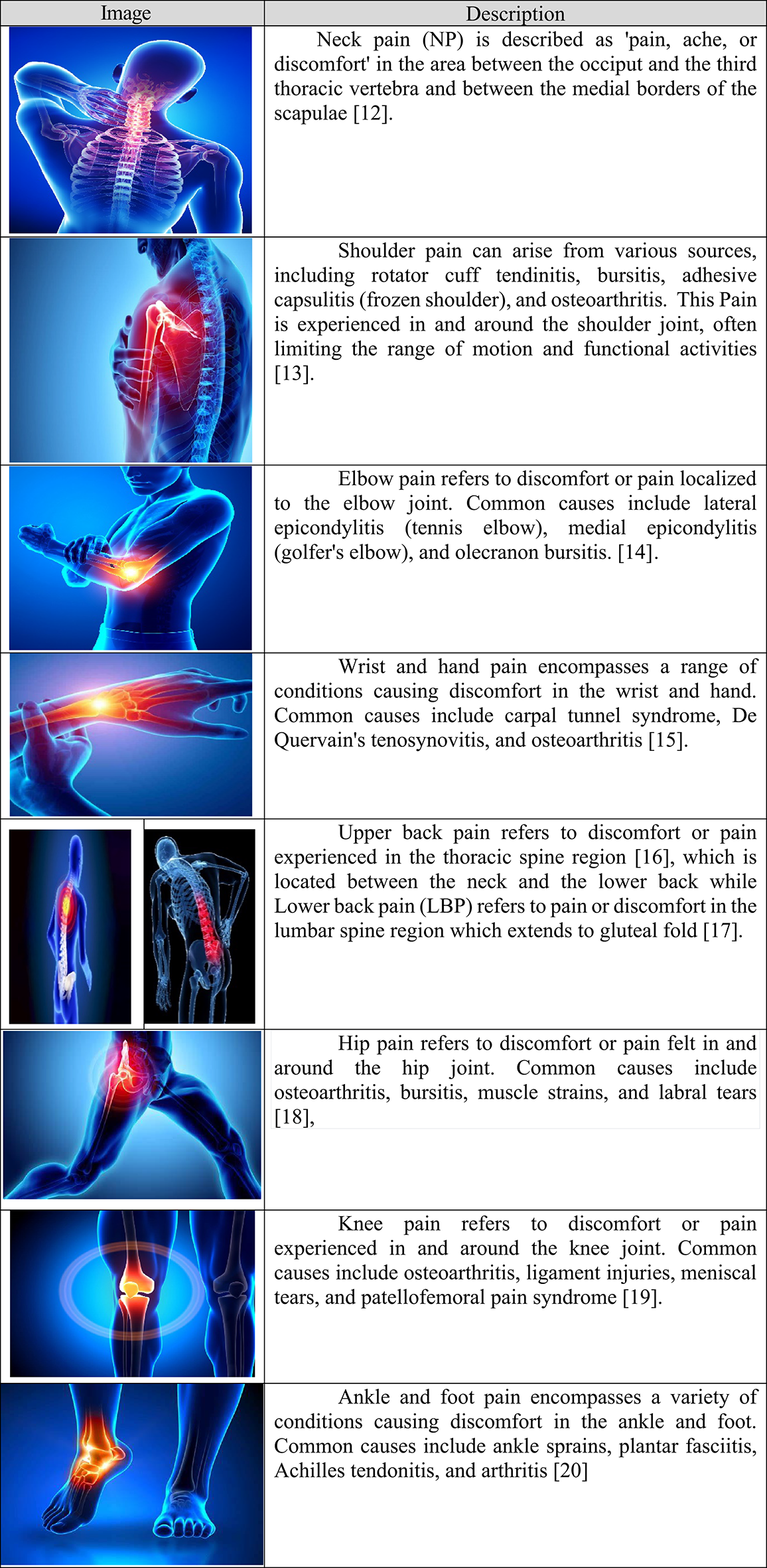
Credit: www.nature.com
Common Types Of Pain
Understanding the common types of pain is crucial for nurses to provide effective care. Pain manifests differently depending on its cause and duration, and recognizing these patterns helps in accurate assessment and management. Let’s look at the main types of pain you might encounter and what signs to watch for.
Acute Pain Characteristics
Acute pain usually appears suddenly and signals tissue damage or injury. It tends to be sharp, intense, and localized, often improving as healing progresses. You might notice patients describing it as stabbing or throbbing, and it generally lasts less than three months.
Watching for vital sign changes like increased heart rate or blood pressure can help confirm acute pain. Think about how a patient recovering from surgery might express discomfort that spikes during movement but eases at rest. Can you identify acute pain in patients who cannot communicate verbally?
Chronic Pain Indicators
Chronic pain persists beyond the expected healing time, usually over three months. It often feels dull, aching, or burning, and may fluctuate in intensity. Patients might experience fatigue, sleep disturbances, or mood changes alongside the pain.
Unlike acute pain, chronic pain might not show obvious physical signs but impacts daily life significantly. You may find patients hesitant to move or expressing frustration over ongoing discomfort. How do you support someone whose pain isn’t visible yet affects their quality of life?
Neuropathic Pain Signs
Neuropathic pain arises from nerve damage and can feel like burning, tingling, or electric shocks. Patients often describe it as numbness or pins and needles. It may worsen at night or after exposure to cold.
This type of pain doesn’t respond well to standard painkillers, so recognizing it early is key for proper treatment. You might notice unusual sensations or hypersensitivity in affected areas. How do you differentiate neuropathic pain from other types during assessment?
Visceral Pain Symptoms
Visceral pain originates from internal organs and is often described as deep, squeezing, or pressure-like. It can be hard for patients to pinpoint the exact location. This pain may come with nausea, sweating, or changes in blood pressure.
Unlike somatic pain, visceral pain can cause referred pain in other body parts, making diagnosis tricky. For example, heart attack pain might be felt in the jaw or arm. Have you encountered cases where visceral pain masked itself as something else?
Physical Signs Of Pain
Recognizing physical signs of pain is essential for nurses. Patients may not always verbalize their discomfort. Nurses rely on visible clues to assess pain levels accurately. These signs can guide timely and effective care. Understanding these manifestations helps improve patient outcomes and comfort.
Facial Expressions And Body Language
Facial expressions often reveal pain intensity. Furrowed brows, grimacing, or tightly closed eyes are common signs. Patients may bite their lips or clench their jaws. Body language also signals discomfort. Guarding a painful area or restless movements are typical responses. Some patients may withdraw or appear tense. Observing these cues helps nurses detect pain even without words.
Changes In Vital Signs
Pain can cause noticeable changes in vital signs. An increased heart rate often indicates distress. Blood pressure may rise during intense pain episodes. Rapid or shallow breathing is another common sign. Sweating and pallor can also accompany severe pain. Monitoring these changes supports accurate pain assessment and management.
Alterations In Mobility
Pain often limits a patient’s movement. Patients might avoid using a painful limb. They may shift positions frequently to reduce discomfort. Reduced activity or reluctance to move is common. In some cases, stiffness or muscle spasms appear. Noticing these mobility changes helps nurses plan care and prevent further injury.
Psychological Manifestations
Pain doesn’t just affect the body—it deeply influences the mind. Psychological manifestations often accompany physical pain, shaping how patients experience and cope with their discomfort. Recognizing these signs helps nurses provide holistic care that addresses both body and mind.
Anxiety And Depression
Patients in pain frequently experience anxiety and depression. Anxiety may show as restlessness, rapid breathing, or constant worry about the pain’s cause or future impact. Depression can lead to withdrawal, loss of interest in activities, and feelings of hopelessness.
These emotional states can intensify the perception of pain, creating a cycle that’s hard to break. Have you noticed a patient’s mood shifts alongside their pain levels? Addressing these feelings early can improve pain management outcomes significantly.
Cognitive Changes
Pain can cloud thinking and affect memory. Patients may seem confused, have trouble concentrating, or struggle to make decisions. These cognitive changes often go unnoticed but can complicate treatment adherence and recovery.
Think about a time when you had a headache and found it hard to focus. Now imagine that on a much bigger scale for someone with chronic pain. Nurses need to watch for these signs and adjust communication and care plans accordingly.
Behavioral Responses
Behavioral responses to pain vary widely. Some patients may become irritable or aggressive, while others withdraw or avoid social interaction. Changes in sleep patterns, appetite, or daily routines are common behavioral indicators.
Observing these behaviors gives nurses clues about the pain’s impact beyond physical symptoms. What behavioral changes have you seen that signaled a patient’s pain was worsening? Responding to these signs can make a big difference in patient comfort and cooperation.

Credit: quizlet.com
Pain Assessment Tools
Accurately assessing pain is crucial for effective nursing care. Pain assessment tools help you understand the intensity, quality, and location of pain your patient experiences. These tools provide a structured way to communicate pain levels and guide treatment decisions.
Numeric Rating Scale
The Numeric Rating Scale (NRS) asks patients to rate their pain on a scale from 0 to 10. Zero means no pain, and ten represents the worst pain imaginable. This simple approach quickly gives you a clear picture of pain intensity.
Patients often find it easy to use, even when communication is limited. You can use it repeatedly to track changes in pain over time. Have you noticed how a patient’s rating can change after medication or movement? It’s a powerful way to gauge effectiveness.
Visual Analog Scale
The Visual Analog Scale (VAS) involves a line, usually 10 cm long, anchored by “no pain” on one end and “worst pain” on the other. Patients mark a point on the line that corresponds to their pain level.
This tool captures pain intensity more precisely than numeric scales. You might find it useful when patients struggle with numbers but can express pain visually. Have you ever seen a patient hesitate before marking? It often reveals the complexity of their pain experience.
Pain Drawing And Diagrams
Pain drawings ask patients to mark areas of pain on a body outline. This method helps you identify pain location, distribution, and sometimes the type of pain. It’s particularly useful for complex or widespread pain.
Using drawings can uncover details patients might forget to mention verbally. You may discover patterns that suggest nerve involvement or referred pain. How often do you use this tool to connect symptoms with clinical findings?
Cultural And Individual Factors
Cultural and individual factors play a key role in how patients experience and express pain. Nurses must understand these differences to assess pain accurately and provide effective care. Each person’s background shapes their pain responses, affecting communication and treatment outcomes.
Cultural Influences On Pain Perception
Cultures vary in how they view and react to pain. Some encourage open expression, while others promote silence and endurance. Cultural beliefs affect whether a patient seeks help or hides their pain.
Examples of cultural influences include:
- Some cultures see pain as a test of strength.
- Others view pain as a sign of illness needing immediate attention.
- Language barriers can make describing pain difficult.
- Religious beliefs may influence pain acceptance and coping.
Nurses should ask culturally sensitive questions and observe nonverbal cues. This helps in understanding the true pain experience beyond words.
Personal Pain Tolerance Variations
Individuals differ in how much pain they can tolerate. Factors such as genetics, past experiences, and emotional state affect pain thresholds.
Some patients may report high pain with minor injuries. Others may endure severe pain silently. Age and gender also influence pain sensitivity.
- Older adults may feel less pain but have chronic conditions.
- Women often report pain differently than men.
- Stress and anxiety can lower pain tolerance.
Nurses must personalize pain assessments. Understanding personal tolerance helps tailor pain management plans effectively.
Management And Intervention Strategies
Effective management and intervention strategies are essential for nurses caring for patients experiencing pain. Proper approaches help reduce discomfort and improve the patient’s quality of life. Nurses must use a combination of methods tailored to each patient’s needs. These strategies include medication, physical techniques, and education to support patients in coping with pain.
Pharmacological Approaches
Medications remain a primary tool in pain management. Nurses expect to administer analgesics based on the pain type and intensity. Common options include:
- Non-opioid analgesics like acetaminophen and NSAIDs
- Opioids for moderate to severe pain
- Adjuvant drugs such as antidepressants or anticonvulsants for nerve pain
- Topical agents for localized pain relief
Monitoring for side effects and effectiveness is crucial. Nurses adjust doses or report concerns to the healthcare team.
Non-pharmacological Techniques
Non-drug methods complement medication and can reduce pain perception. Nurses apply various techniques such as:
- Heat or cold therapy to relax muscles or reduce inflammation
- Massage and physical therapy to improve circulation and mobility
- Relaxation exercises and deep breathing to lower stress and tension
- Distraction methods like music or guided imagery
These techniques empower patients to manage pain actively and improve comfort.
Patient Education And Support
Education helps patients understand their pain and treatment options. Nurses teach patients about:
- How to take medications safely and on time
- The importance of reporting pain early and accurately
- Techniques to use at home for pain relief
- Setting realistic goals for pain management
Emotional support plays a key role. Nurses listen to concerns and encourage participation in care plans. This fosters trust and improves outcomes.

Credit: journeylite.com
Frequently Asked Questions
What Are Common Pain-related Clinical Manifestations?
Common manifestations include guarding, grimacing, increased heart rate, sweating, and restlessness. Nurses observe these signs to assess pain severity and impact.
How Does Acute Pain Present Clinically?
Acute pain often shows as sharp sensations, muscle tension, rapid breathing, and increased blood pressure. It usually signals tissue injury or inflammation.
Which Vital Signs Change During Pain Episodes?
Pain may cause elevated heart rate, increased blood pressure, and faster respiration. Monitoring these helps nurses evaluate pain intensity and patient distress.
How Can Nurses Assess Pain Without Patient Verbalization?
Nurses look for nonverbal cues like facial expressions, body movements, and physiological changes to assess pain in non-verbal patients.
Conclusion
Nurses play a key role in recognizing pain signs in patients. They observe changes in behavior, facial expressions, and body movements. These signs help nurses provide better care and comfort. Understanding pain symptoms also improves communication with doctors. Early detection of pain leads to faster treatment.
This knowledge supports patient recovery and well-being. Nurses must stay alert and use their skills daily. Pain assessment is essential in nursing care. It helps patients feel heard and cared for.

Similar Posts