Which Theorist Described Dreams As Having Manifest And Latent Content? Unveiled!

Have you ever wondered what your dreams really mean? You might think they are just random images, but there’s more beneath the surface.
A famous theorist once explained dreams using two key ideas: manifest content and latent content. Understanding these can change how you see your own dreams and what they reveal about your mind. Keep reading to discover who this theorist is and how their ideas can unlock the hidden messages in your dreams.

Credit: www.facebook.com
Freud’s Dream Theory
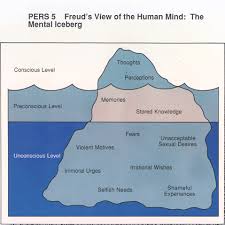
Freud’s dream theory remains one of the most influential ideas in psychology. He proposed that dreams serve as a window into our unconscious mind. According to Freud, dreams contain two layers of meaning: manifest and latent content.
Manifest Content Explained
The manifest content is what you actually see and remember in your dream. It includes the storyline, people, objects, and events that appear clearly. Think of it as the surface level of the dream, like a movie you watch.
For example, you might dream about being chased by a stranger. The manifest content is simply the chase scene itself, without deeper meaning attached. This part is often bizarre or confusing but easy to describe.
Latent Content Decoded
Latent content is where things get interesting. It represents the hidden meaning behind the dream’s surface story. These are the unconscious thoughts, desires, and feelings that your mind is trying to express.
Going back to the chase dream, the latent content might reveal anxiety about a real-life problem you’re avoiding. Freud believed that uncovering latent content helps you understand your true emotions and conflicts.
Have you ever wondered what your dreams reveal about your deepest worries or hopes? Paying attention to both manifest and latent content can give you practical clues to your inner world.
Historical Context Of Freud’s Theory
Understanding the historical context of Freud’s theory about dreams helps you see why his ideas stood out. Freud introduced the concepts of manifest and latent content at a time when psychology was still finding its footing. His work bridged the gap between everyday experiences and deeper unconscious processes, offering a new way to interpret dreams.
Influence Of Psychoanalysis
Freud’s theory didn’t come from nowhere—it grew out of his psychoanalytic practice. He noticed that dreams seemed to carry hidden meanings beyond their surface stories. This led him to suggest that dreams have two layers:
- Manifest content:The actual storyline or images you remember.
- Latent content:The hidden psychological meaning behind the dream.
This distinction gave therapists a tool to explore patients’ unconscious thoughts. It also helped people realize that their dreams might reveal unspoken feelings or conflicts. Have you ever thought about what your dreams might be hiding?
Impact On Modern Psychology
Freud’s ideas about manifest and latent content still influence psychology today. Many modern therapies use dream analysis to uncover underlying emotions or unresolved issues. Even if you’re not in therapy, understanding these concepts can improve your self-awareness.
Psychologists now use Freud’s framework alongside other techniques, showing that his ideas have staying power. They remind you that your mind works in layers, and sometimes your dreams speak a language your waking self hasn’t learned yet. How might paying closer attention to your dreams change the way you understand yourself?
Analyzing Manifest Content
Analyzing manifest content involves looking at the actual images, events, and details that appear in your dreams. This is the surface story your mind tells while you sleep, the part you can remember and describe. Paying attention to these details can help you start understanding what your subconscious might be trying to communicate.
Visual Representations In Dreams
Visual elements in dreams are often vivid and symbolic. You might see familiar faces, places, or objects that hold personal meaning. For example, dreaming of a locked door might represent a barrier you’re facing in your waking life.
Notice colors, shapes, and actions within your dream. These visual clues can reveal your current emotions or concerns. Have you ever woken up remembering a striking image that stuck with you all day? That’s the manifest content at work.
Surface Level Interpretation
At this stage, focus on the obvious meaning of the dream’s events. What happened? Who was involved? Where did it take place? Writing down these details can help you spot patterns over time.
Try asking yourself simple questions:
- What emotions did the dream evoke?
- Do the people or places connect to your daily life?
- Is there a recurring theme or symbol?
Answering these can give you a starting point to explore deeper meanings later. Understanding manifest content allows you to engage directly with your dreams before diving into hidden messages.
Exploring Latent Content
Understanding latent content is key to grasping how dreams reveal more than just surface stories. It’s about looking beneath the obvious images and narratives your mind presents during sleep. This deeper layer often holds the true messages your unconscious tries to communicate.
Hidden Meanings In Dreams
Latent content refers to the underlying, hidden meanings behind the dream’s surface. Unlike the manifest content, which is the actual storyline you remember, latent content involves the emotions, desires, and thoughts your mind disguises.
Think about a dream where you’re lost in a maze. On the surface, it’s just confusion and wandering. But the latent content might reveal your feelings of uncertainty about a decision or fear of losing control in your waking life.
Have you ever had a dream that felt strange or nonsensical, but later realized it connected to something important in your life? That’s latent content at work—your subconscious shaping symbols to communicate with you.
Symbolism And Subconscious
Symbols in dreams are the language of the subconscious. Each element, whether it’s a person, object, or action, can represent different aspects of your inner world.
- A locked door might symbolize hidden feelings or opportunities you’re not ready to face.
- Water often relates to emotions, with calm water indicating peace and turbulent water reflecting stress.
- Animals can reflect instincts or personal traits you may not fully acknowledge.
Understanding these symbols requires you to connect them with your own experiences and emotions. What does a symbol mean to you personally? How does it relate to your current challenges or desires?
By paying attention to latent content, you can gain insights into your subconscious mind. This awareness can help you address hidden fears, unlock creativity, or better understand your motivations. Are you ready to look beyond the obvious in your dreams?
Criticism And Debates
The idea that dreams have both manifest and latent content, introduced by Sigmund Freud, has sparked a lot of discussion over the years. While his theory opened doors to understanding the hidden meanings behind dreams, many experts have raised questions about its accuracy and usefulness. These criticisms invite you to think about what dreams really represent and whether Freud’s approach fully explains them.
Challenges To Freud’s Theory
Freud suggested that the manifest content is the actual storyline of the dream, while the latent content reveals the unconscious desires behind it. However, critics argue that this distinction can be too subjective. Different analysts might interpret the same dream in very different ways, making the theory less reliable.
Some also point out that Freud’s focus on sexual and aggressive impulses feels outdated today. You might wonder if dreams always revolve around hidden desires or if they could be simpler reflections of daily experiences. Additionally, scientific studies have struggled to find clear evidence supporting the latent content idea.
Alternative Dream Theories
Other theorists have suggested different ways to understand dreams. For example, the activation-synthesis model views dreams as the brain’s attempt to make sense of random neural activity. This means dreams may not have deep hidden meanings but are more like a mental puzzle.
Then there’s the cognitive theory, which sees dreams as a way to process information and solve problems. You might find this perspective more practical because it connects dreaming with memory and learning.
- Jung believed dreams reveal universal symbols instead of personal hidden desires.
- Modern research explores how emotions shape dreams without necessarily involving hidden content.
Have you noticed how your own dreams reflect your daily worries or goals rather than secret wishes? This personal insight might challenge you to rethink what your dreams are really telling you.
Credit: gcse-psychology.fandom.com
Influence On Dream Studies
The theory that dreams have both manifest and latent content shaped the way experts study dreams. This idea showed that dreams have two layers of meaning. The clear story is the manifest content. The hidden meaning is the latent content. This concept helped move dream study beyond simple storytelling.
Dream research grew more detailed and thoughtful. Experts began to explore the deeper reasons behind dream images. This approach made dream analysis an important tool in psychology and therapy.
Evolution Of Dream Analysis
Dream analysis started with focusing on the obvious parts of dreams. Then, the idea of latent content brought attention to hidden thoughts and feelings. Experts began to see dreams as messages from the unconscious mind. This shift influenced many fields, such as psychoanalysis and psychotherapy.
Dream study evolved from simple description to exploring deep personal meaning. Scholars developed new methods to decode the symbols and emotions in dreams. This evolution helped uncover the mind’s hidden conflicts and desires.
Contemporary Applications
Today, the idea of manifest and latent content guides therapy sessions. Therapists use dream analysis to help patients understand their inner struggles. It supports emotional healing and self-awareness.
Researchers also apply these concepts in sleep studies and neuroscience. They study how dreams reflect brain activity and mental health. This ongoing work keeps expanding our knowledge of the dreaming mind.
Credit: online-learning-college.com
Frequently Asked Questions
Who Described Dreams As Manifest And Latent Content?
Sigmund Freud described dreams with manifest and latent content. Manifest content is the actual storyline. Latent content reveals hidden psychological meanings behind the dream.
What Is Manifest Content In Dream Theory?
Manifest content is the literal storyline or images in a dream. It represents what the dreamer consciously remembers upon waking. This is the surface level of the dream.
What Does Latent Content Mean In Dreams?
Latent content refers to the hidden psychological meaning beneath the dream’s surface. It often involves unconscious desires or thoughts. Freud emphasized its importance in dream interpretation.
How Did Freud’s Theory Impact Dream Analysis?
Freud’s theory introduced the idea that dreams reveal unconscious thoughts. It shifted dream interpretation from simple symbolism to deeper psychological analysis. His concepts remain foundational in psychoanalysis.
Conclusion
Sigmund Freud described dreams with manifest and latent content. The manifest content is what we remember from dreams. Latent content reveals hidden meanings and desires. Understanding these two parts helps explain why dreams feel strange. Dreams connect our mind’s surface thoughts with deeper feelings.
This theory opened new ways to study the mind. It still influences how people think about dreams today. Exploring dreams can give insight into our emotions and thoughts. Freud’s idea remains a key part of dream research.

Similar Posts