Who Came Up With Manifest Destiny: Unveiling the Visionary Origins
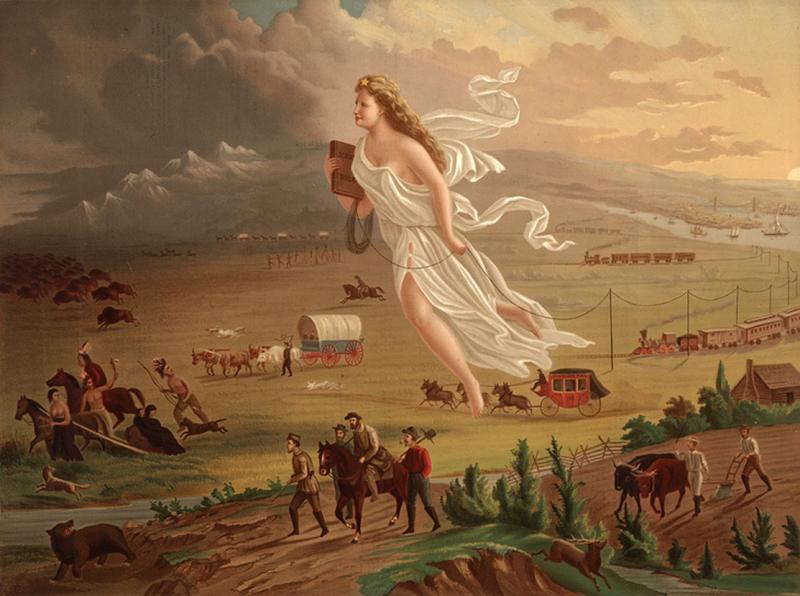
Have you ever wondered who first came up with the idea of Manifest Destiny? This powerful belief shaped the future of America and changed the course of history.
Understanding where this idea started can give you a clearer picture of how the United States grew and why it mattered so much. Keep reading, and you’ll discover the story behind Manifest Destiny and the key people who made it a driving force in American history.
Credit: thestoryexchange.org
The Concept Of Manifest Destiny
The concept of Manifest Destiny shaped much of 19th-century American history. It wasn’t just a political slogan but a powerful idea that influenced policies and people’s lives. Understanding this concept helps you see how vision and belief can drive a nation’s actions and identity.
Definition And Ideals
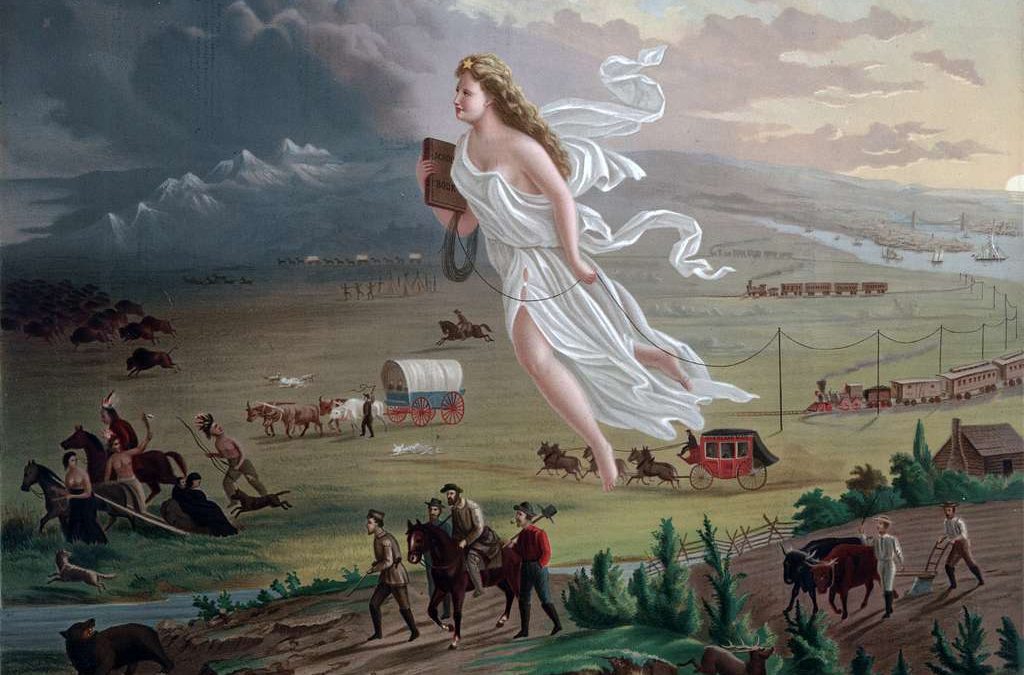
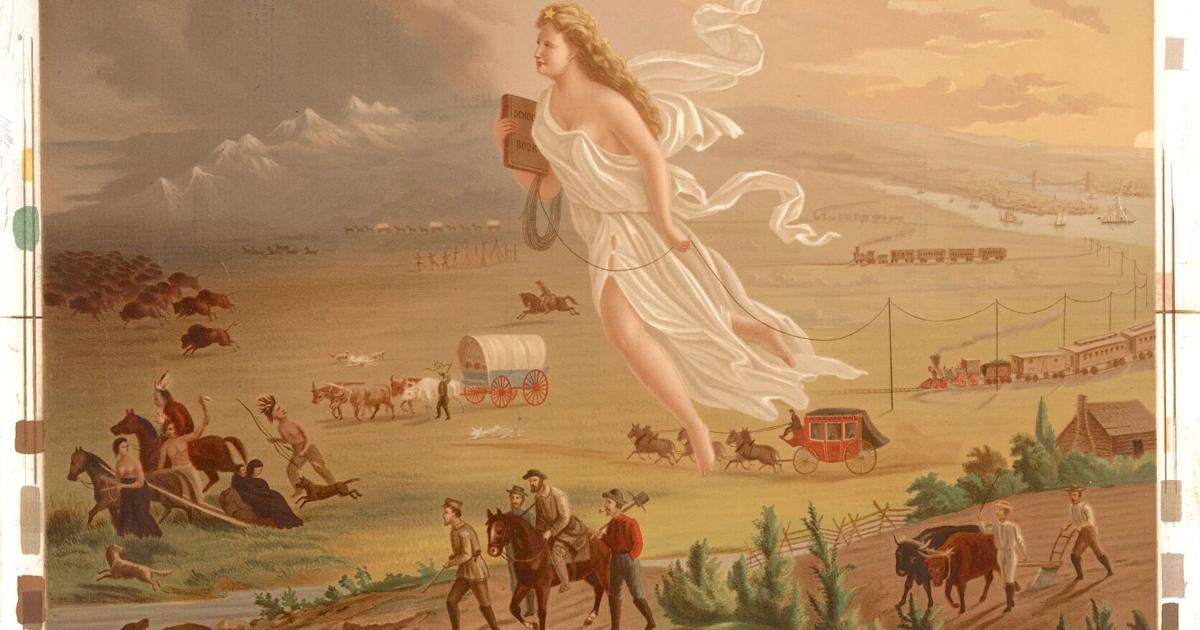
Manifest Destiny was the belief that the United States was destined to expand across North America. It combined a sense of mission with a feeling of superiority and inevitability. People believed it was their right and duty to spread democracy and civilization westward.
This idea wasn’t just about land; it was about spreading certain values and systems. It promised progress, opportunity, and a better future for Americans willing to move west. But have you ever wondered how a simple belief can justify such massive changes and conflicts?
Historical Context
The term “Manifest Destiny” was first used in 1845 by journalist John L. O’Sullivan. He captured the spirit of the time when many Americans felt their country should stretch from the Atlantic to the Pacific. This was a period of rapid growth, technological advances, and a hunger for new opportunities.
At the same time, tensions grew over slavery, Native American lands, and relations with other countries. The belief in Manifest Destiny fueled wars like the Mexican-American War and the forced removal of Native peoples. It’s a reminder that big ideas often come with complex consequences.
Key Figures Behind The Idea
Understanding who shaped the idea of Manifest Destiny helps you grasp how a powerful belief can steer a nation’s path. This concept didn’t emerge from nowhere—it was crafted by key thinkers whose words and actions fueled America’s expansionist drive. Let’s look closely at the main figures behind this influential idea.
John L. O’sullivan’s Role
John L. O’Sullivan is often credited with coining the term “Manifest Destiny” in 1845. As a journalist and editor, he used this phrase to express the belief that the United States was destined to spread across the continent.
O’Sullivan’s writings stirred public opinion and political will. He framed expansion as not just practical but a moral obligation, which made the idea resonate deeply with many Americans.
Influence Of Thomas Jefferson
Thomas Jefferson’s vision of an “empire of liberty” laid the groundwork for Manifest Destiny. He emphasized agrarian expansion and believed in the importance of owning land for freedom and democracy.
Jefferson’s Louisiana Purchase doubled the size of the young nation and set a precedent for acquiring vast territories. His ideas encouraged Americans to look westward as a space for opportunity and growth.
Other Influential Thinkers
Beyond O’Sullivan and Jefferson, several others shaped Manifest Destiny’s development. Politicians like Henry Clay and John C. Calhoun debated expansion’s limits and benefits, influencing policy decisions.
Meanwhile, writers and activists contributed ideas about race, culture, and national purpose that justified expansion to many Americans. Their complex views remind you that Manifest Destiny was not a single voice but a chorus of competing ideas.
Political Impact And Expansion
The idea of Manifest Destiny shaped much of America’s political landscape in the 19th century. It fueled debates about the country’s future and its borders. Leaders used this belief to justify expanding U.S. territory. This mindset affected elections, policies, and the nation’s identity. Expansion brought new opportunities but also sparked conflicts. Understanding this impact helps explain how the United States grew and changed.
Manifest Destiny In U.s. Politics
Manifest Destiny became a key issue in U.S. politics during the 1840s. Politicians argued that America had a divine right to spread across the continent. This belief influenced presidential campaigns and party platforms. Leaders like James K. Polk supported expansion to fulfill this vision. Congress passed laws to acquire new lands and support settlers. The idea united many Americans but also created sharp political divisions.
Territorial Expansion And Conflicts
Expansion under Manifest Destiny led to major territorial gains. The U.S. acquired lands through treaties, wars, and purchases. Key events included the annexation of Texas and the Oregon Territory settlement. The Mexican-American War resulted in the Treaty of Guadalupe Hidalgo, adding vast lands. These new territories stirred conflicts over slavery and Native American rights. Expansion brought growth but also tensions that shaped the nation’s future.
Cultural And Social Implications
The idea of Manifest Destiny was more than just a political slogan; it shaped the culture and social fabric of 19th-century America. It influenced how people saw themselves and others, often with lasting consequences. Understanding these cultural and social implications helps you grasp how deeply this idea affected the nation’s growth and identity.
Impact On Native American Communities
Manifest Destiny led to widespread displacement and suffering for Native American tribes. As settlers moved westward, Native lands were taken through treaties that were often unfair or ignored altogether.
This expansion disrupted traditional ways of life, forcing many communities to relocate to unfamiliar territories. Have you ever wondered how different American history would be if Native voices had been respected during this period?
The loss of land also meant a loss of cultural heritage and autonomy. This harsh reality is a critical part of understanding the true cost of Manifest Destiny beyond just territorial gain.
Shaping American Identity
Manifest Destiny helped create a strong sense of national purpose and destiny among Americans. It promoted the belief that the United States had a unique role to spread democracy and civilization.
This belief influenced art, literature, and politics, reinforcing ideas of progress and superiority. You might recognize echoes of this mindset even in today’s discussions about American exceptionalism.
However, this identity came with contradictions, especially regarding freedom and justice for all people. Reflect on how this shaped your own views about America’s past and its ongoing story.
Legacy And Criticism
The legacy of Manifest Destiny remains a powerful and complex part of American history. This idea shaped the nation’s growth and identity for years. It inspired expansion but also led to serious consequences. Many people today debate its meaning and impact.
Understanding the legacy means looking at both its positive effects and the criticism it draws. Manifest Destiny influenced politics, culture, and the economy. Yet, it also caused conflicts and suffering, especially for Native Americans and other groups.
Controversial Aspects
Manifest Destiny justified taking land from Native Americans and Mexico. This caused wars and forced removals. Many people lost homes and lives. The idea supported the belief that Americans were superior. This led to unfair treatment of non-white peoples. It also increased tensions over slavery in new territories. Some saw Manifest Destiny as greed and violence masked as progress.
Modern Interpretations
Today, historians view Manifest Destiny in many ways. Some see it as a story of American courage and ambition. Others focus on its role in injustice and displacement. Schools and books now often teach both sides. The idea influences how people think about American history and identity. It serves as a reminder to question who benefits from power and expansion.

Credit: hyperallergic.com
Credit: www.aspendailynews.com
Frequently Asked Questions
Who First Coined The Term Manifest Destiny?
The term “Manifest Destiny” was coined by journalist John L. O’Sullivan in 1845. He used it to justify U. S. territorial expansion. It expressed the belief that Americans were destined to spread across the continent.
What Does Manifest Destiny Mean Historically?
Manifest Destiny refers to the 19th-century belief that the U. S. should expand westward. It was seen as a divine right and duty. This idea fueled territorial acquisitions and conflicts with Native Americans and Mexico.
Who Popularized Manifest Destiny In U.s. Politics?
President James K. Polk popularized Manifest Destiny by promoting westward expansion. His administration oversaw the annexation of Texas and the Oregon Territory. Polk also led the U. S. into the Mexican-American War to gain more land.
How Did Manifest Destiny Impact Native Americans?
Manifest Destiny led to the forced removal and displacement of many Native American tribes. Expansion caused loss of their lands and resources. It resulted in significant cultural and population decline for Native peoples.
Conclusion
Manifest Destiny shaped America’s growth and history deeply. John L. O’Sullivan first named this idea in 1845. It inspired many to believe the U. S. Should spread across the continent. This belief affected politics, culture, and the lives of many people.
Understanding who created Manifest Destiny helps us see how the U. S. Grew. It also shows the hopes and struggles of that time. This idea changed the nation’s path forever. Knowing its origin makes history clearer and more meaningful.

Similar Posts