When was Manifest Destiny Created: Unveiling Its Origins and Impact
Have you ever wondered when the idea of Manifest Destiny first took shape? Understanding its origins can change how you see a crucial part of American history.
This concept didn’t just appear overnight—it grew from a mix of beliefs, hopes, and politics. By exploring when Manifest Destiny was created, you’ll uncover the powerful forces that shaped the nation’s path. Keep reading to discover the story behind this influential idea and how it still impacts us today.
Origins Of Manifest Destiny
The origins of Manifest Destiny stretch back to a time when the young United States was eager to grow beyond its original borders. This belief that the nation was destined to expand westward shaped much of the country’s history in the 19th century. Understanding where this idea came from helps you see how it influenced politics, society, and even personal attitudes.
Early American Expansionism
Long before the term “Manifest Destiny” was coined, Americans showed a strong desire to expand their territory. The Louisiana Purchase in 1803 doubled the size of the United States overnight, signaling a clear intent to grow. Many settlers felt a personal connection to the land, dreaming of new opportunities and a fresh start.
Settlers moved west with hopes of better farmland and economic success. This movement wasn’t just about land—it was about shaping an identity tied to freedom and progress. Have you ever thought about how your own family’s history might connect to these early movements?
Influences Of European Thought
European ideas about nationalism and destiny deeply affected American thinkers. The concept of a “chosen people” with a special mission was common in Europe and found new life in the United States. Writers and politicians borrowed these ideas to justify expansion as not just natural, but necessary.
Additionally, Enlightenment ideas about progress and civilization played a role. Many believed that spreading American institutions would bring order and prosperity to the frontier. This raised tough questions about who benefits from expansion and at what cost.

Credit: hyperallergic.com
Coining The Term
The phrase “Manifest Destiny” holds a powerful place in American history. But where did this term come from? Understanding its origin helps you grasp the mindset and motivations behind the 19th-century expansion of the United States.
John L. O’sullivan’s Role
John L. O’Sullivan was a journalist and editor who played a key role in coining the term “Manifest Destiny.” He believed that the United States was destined to expand across the North American continent.
O’Sullivan’s writing was passionate and persuasive. He argued that this expansion was not just a political choice but a divine right and duty. His words inspired many to support territorial growth.
Have you ever noticed how a few powerful words can change how people think? O’Sullivan’s phrase did exactly that, turning expansion into a mission with moral weight.
The 1845 Publication
The term “Manifest Destiny” first appeared in print in 1845. It was in an article advocating for the annexation of Texas and the Oregon Territory.
This publication made the idea popular and sparked debates about America’s future. It wasn’t just a slogan; it became a rallying cry for expansionists.
Think about how a single article influenced policies and public opinion. It shows how language can shape history and why the words you choose matter deeply.
Ideological Foundations
Manifest Destiny was more than just a political plan. It was built on strong ideas that shaped America’s growth. These ideas helped people believe the nation had a special role. The beliefs motivated leaders and citizens to support expansion westward. Understanding these foundations shows why Manifest Destiny gained such power.
American Exceptionalism
American exceptionalism is the belief that the United States is unique. This idea says the country has a special mission to spread freedom and democracy. Many saw America as a model for the world. They believed this mission gave the U.S. the right to expand its land. This belief made expansion seem natural and justified.
Religious Motivations
Religion played a big role in shaping Manifest Destiny. Many Americans thought God chose them to spread their way of life. They believed it was their duty to bring Christianity to new lands. This idea gave a moral reason for expansion. It made settlers feel they were part of a divine plan.

Credit: www.facebook.com
Political Implications
The political implications of Manifest Destiny reached far beyond just gaining land. It reshaped the power balance within the United States and altered its relationships with other nations and indigenous peoples. Understanding these changes helps you see how this belief influenced American politics and society deeply.
Territorial Expansion
Manifest Destiny fueled the U.S. government’s drive to expand its borders westward. Politicians used it to justify annexing vast areas, including Texas, Oregon, and California. This expansion raised urgent questions about how new states would fit into the political system.
One major issue was whether new territories would allow slavery. This sparked fierce debates in Congress and heightened tensions between North and South. You might wonder how these debates set the stage for future conflicts like the Civil War.
Impact On Native American Lands
The push for expansion came at a devastating cost to Native American nations. As settlers moved west, Native lands were seized through treaties that were often unfair or ignored altogether. This led to forced removals and violent clashes.
Politically, the government passed laws like the Indian Removal Act, which legally sanctioned these actions. Have you ever thought about how these policies shaped the ongoing struggles Native communities face today?
Manifest Destiny wasn’t just about land—it was about power and control, with lasting effects that still influence the political landscape. What role do you think political ambitions should play when they impact human lives so profoundly?
Manifest Destiny In Practice
Manifest Destiny wasn’t just a slogan; it shaped real events and decisions that changed the map of the United States. Understanding how this idea worked in practice helps you see its impact beyond words. It influenced wars, migration, and the daily lives of those moving west.
The Mexican-american War
The Mexican-American War (1846-1848) was a direct outcome of Manifest Destiny. The U.S. wanted to expand its territory, and conflict with Mexico became inevitable. This war resulted in the U.S. gaining vast lands, including present-day California, Arizona, and New Mexico.
Think about how this territorial gain affected people then and now. It wasn’t just land; it was control over resources, trade routes, and new opportunities. Yet, the war also raised tough questions about ethics and the treatment of native populations and Mexicans living in those areas.
Westward Migration
Millions of Americans moved west, driven by the promise of land and a fresh start. This migration was fueled by new transportation like railroads and trails, making travel faster and more accessible. Settlers faced hardships but were motivated by the hope of owning land and building a future.
Have you ever considered what it takes to leave everything behind for a chance at something new? These settlers did just that, often facing unknown dangers and uncertainty. Their journey shaped the culture and economy of the emerging western states.
Manifest Destiny’s practice shows how ideas turn into actions with far-reaching consequences. It asks you to think about the costs and benefits of expansion and what it means for people on all sides of change.
Cultural And Social Effects
The idea of Manifest Destiny did more than just shape the map of the United States; it deeply influenced the culture and society of the time. Its impact can be seen in the art people created and the way Americans began to see themselves. Understanding these cultural and social effects helps you grasp how Manifest Destiny shaped not only land but also identity and expression.
Art And Literature
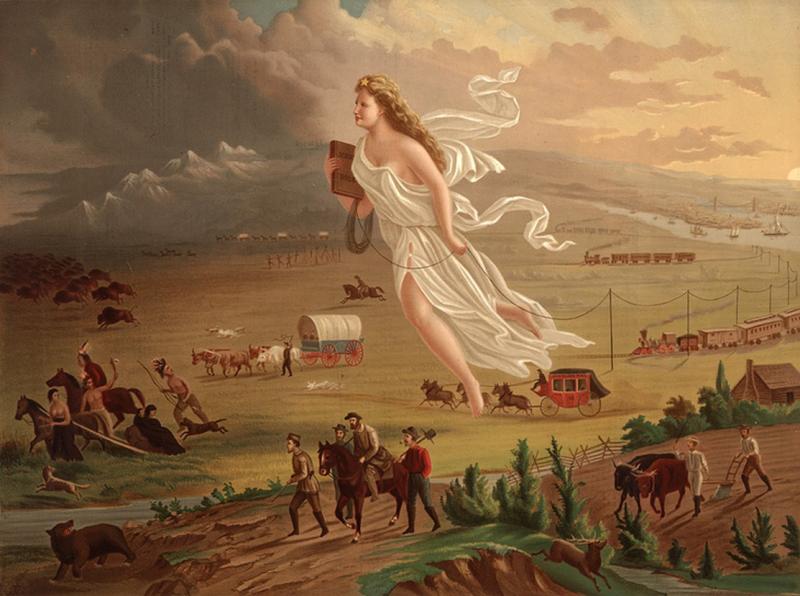
Artists and writers embraced Manifest Destiny as a source of inspiration. Paintings often depicted vast, open landscapes symbolizing opportunity and progress. You might find yourself drawn to works by painters like Thomas Cole, who captured the grandeur of the American frontier.
Writers such as James Fenimore Cooper created stories highlighting adventure and the struggle to tame the wilderness. These narratives helped spread ideas about American exceptionalism and the belief in the nation’s unique destiny. How do you think these stories shaped the way people viewed their role in the country’s expansion?
Changes In National Identity
Manifest Destiny encouraged Americans to see themselves as pioneers and builders of a new civilization. This shift changed the national identity from a colonial mindset to one focused on growth and dominance across the continent.
At the same time, this belief raised questions about who belonged in this expanding nation. Native Americans and other groups were often excluded or marginalized, which affected social dynamics for generations. Have you ever considered how your own sense of identity might be influenced by the stories your country tells about its past?
Criticism And Controversy
The idea of Manifest Destiny, while powerful in shaping American expansion, sparked significant criticism and controversy from its earliest days. This belief in the United States’ divine right to expand across the continent raised deep ethical questions and political conflicts. Understanding these debates helps you see how history isn’t just about events but about the values and struggles behind them.
Opposition And Debate
Not everyone welcomed Manifest Destiny. Many people, including some politicians, religious leaders, and ordinary citizens, opposed the idea. They worried about the impact on Native American communities, the spread of slavery, and the morality of taking land by force.
Some Northern leaders saw expansion as a way to spread slavery into new territories, which they strongly resisted. Meanwhile, abolitionists argued that Manifest Destiny justified violence and oppression. Their voices raised tough questions: Should a nation expand if it means harming others? What rights should Native populations have?
Opposition also came from foreign governments who had claims on western lands. This created tensions that could have led to war. These debates reveal how Manifest Destiny was never just a simple plan—it was a complex and often painful process.
Legacy And Reassessment
Today, the legacy of Manifest Destiny is examined with a critical eye. Historians and communities reassess what expansion really meant. You might ask yourself: How do we balance national growth with justice and respect for all people?
Many now recognize that Manifest Destiny caused displacement, cultural loss, and conflict. Yet, it also shaped the United States’ borders and identity. This mixed legacy challenges you to think about progress and its costs.
Reflecting on Manifest Destiny encourages deeper discussions about power and responsibility. How can your understanding of history influence your view of current issues like land rights and cultural preservation? The answers are not straightforward, but they are essential for meaningful insight.
Credit: pastorbhart.medium.com
Frequently Asked Questions
When Was Manifest Destiny First Coined?
Manifest Destiny was first coined in 1845 by journalist John L. O’Sullivan. He used it to describe the belief that the U. S. was destined to expand across North America.
What Historical Events Sparked Manifest Destiny?
Key events like the Texas annexation and the Oregon Trail inspired Manifest Destiny. These events fueled America’s desire to expand westward.
How Did Manifest Destiny Influence U.s. Policies?
Manifest Destiny shaped U. S. policies by promoting territorial expansion. It justified actions like the Mexican-American War and the Oregon Territory acquisition.
Who Popularized The Term Manifest Destiny?
John L. O’Sullivan popularized the term in 1845 through his editorial writings. His work promoted the idea of American expansionism.
Conclusion
Manifest Destiny began in the 1840s as a strong belief. It pushed Americans to expand westward across the continent. This idea shaped the nation’s growth and history. Many people wanted more land and new opportunities. It also caused conflicts with Native Americans and other countries.
Understanding when Manifest Destiny started helps explain U. S. History better. This belief changed the map and the future of the country. It shows how ideas can drive big changes in a nation. A simple phrase, yet it had a huge impact.

Similar Posts