Which Theorist Described Dreams As Having Manifest: Discover Insights

Have you ever wondered why your dreams feel so vivid yet sometimes confusing? Understanding what your dreams really mean can unlock hidden parts of your mind.
One key idea in dream research is the concept of “manifest content. ” But which theorist first described dreams this way? If you want to uncover the mystery behind your nightly visions and learn how experts interpret them, keep reading.
This article will guide you through the fascinating theory that breaks down your dreams into clear, meaningful parts—starting with the manifest content you remember when you wake up.
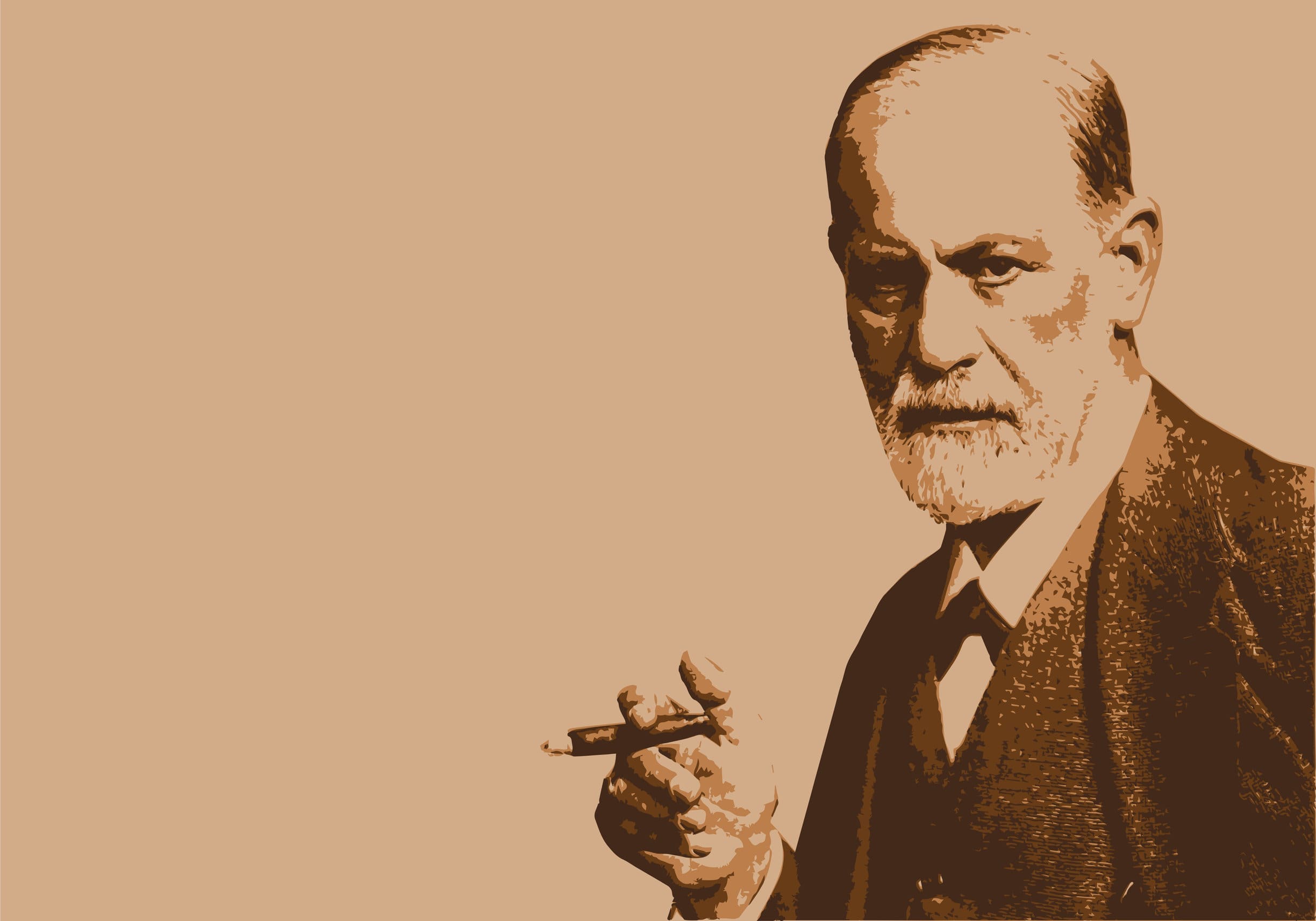
Credit: online-learning-college.com
Freud’s Dream Theory
Freud’s Dream Theory offers a fascinating window into how our minds work during sleep. Sigmund Freud was the first to suggest that dreams are not random images but meaningful messages from our subconscious. His theory dives deep into the layers of a dream, distinguishing what we actually see from the hidden meanings beneath.
Manifest Vs Latent Content
Freud explained that every dream has two parts: the manifest content and the latent content. The manifest contentis the actual story or images you remember when you wake up. It’s like the surface level of the dream.
The latent content, on the other hand, is the hidden psychological meaning behind those images. It’s what your mind really wants to express but disguises in symbols and stories. Have you ever woken up confused about a dream that felt important but strange? That’s the latent content playing its role.
Role Of Wish Fulfillment
Freud believed dreams serve as a way to fulfill your unconscious desires. Sometimes, these are wishes you can’t express openly when awake. Your dreams act as a secret outlet for these wants.
This means even bizarre or unsettling dreams might be your mind’s way of showing what you deeply crave. Next time you have a strange dream, ask yourself if it reveals something you secretly wish for but haven’t admitted to.
Symbolism In Dreams
Symbols are the building blocks of Freud’s dream theory. Objects, people, and actions in your dreams often represent something else entirely. For example, water might symbolize emotions, and a locked door could stand for an opportunity you’re afraid to take.
Understanding these symbols can give you clues about what your subconscious mind is trying to tell you. It’s like decoding a secret language your brain uses while you sleep. Have you noticed recurring symbols in your dreams that seem to carry a personal meaning?

Credit: www.facebook.com
Jung’s Perspective On Dreams
Carl Jung viewed dreams as a bridge between the conscious mind and the deeper layers of the psyche. He believed dreams reveal hidden truths about ourselves and the world. Dreams are not just random images but meaningful messages from the unconscious.
Jung saw dreams as a way to understand personal growth and inner conflicts. They contain symbols that speak a universal language. These symbols connect us to a shared human experience beyond our individual lives.
Collective Unconscious
Jung introduced the idea of the collective unconscious. It is a part of the unconscious mind shared by all humans. This level holds memories and experiences inherited from our ancestors.
Dreams tap into this collective store of knowledge. They bring forth images and ideas common to all people. These shared symbols help explain why certain dream themes repeat across cultures.
Archetypes In Dreams
Archetypes are universal symbols found in the collective unconscious. Jung identified many archetypes, such as the Hero, the Shadow, and the Anima. These figures often appear in dreams as characters or motifs.
Archetypes carry deep meanings and guide our understanding of life. They represent fundamental human experiences and emotions. Recognizing these archetypes in dreams helps us learn about our inner selves.
Dream Interpretation Methods
Jung’s method of interpreting dreams involves exploring the symbols and their personal meaning. He encouraged looking beyond the obvious story to the feelings and thoughts behind the dream.
Dreams often use metaphors and images to express complex ideas. Jung advised keeping a dream journal to track patterns and symbols. Discussing dreams with a therapist can also reveal hidden messages.
- Analyze key symbols and their connections to your life.
- Reflect on emotions felt during the dream.
- Consider how archetypes play a role in the dream story.
- Use dreams to understand inner conflicts and desires.
Other Key Dream Theorists
Dream theory has evolved through many important thinkers. Each theorist brought new ideas about how we understand dreams and their meanings. These key figures helped shape modern views on dreaming. They explored dreams from different angles, such as psychology, brain activity, and cognition.
Calvin Hall’s Cognitive Approach
Calvin Hall viewed dreams as a type of thinking during sleep. He believed dreams reflect a person’s thoughts and emotions. Hall studied thousands of dreams to find common patterns. His approach focused on the content and story of dreams, not hidden meanings. He saw dreams as a way to process daily life and solve problems.
Activation-synthesis Hypothesis
The Activation-Synthesis Hypothesis was proposed by Hobson and McCarley. It explains dreams as the brain’s attempt to make sense of random signals. During sleep, the brainstem sends bursts of activity. The brain’s cortex tries to create a story from these bursts. This theory suggests dreams may not have deep meaning, but are brain-generated narratives.
Contemporary Views
Modern dream research combines many earlier ideas. Scientists study brain scans to understand dreaming better. Some believe dreams help with memory and learning. Others think dreams reflect emotions and mental health. The study of dreams is now more scientific and less about symbolism. This helps us see dreams as part of brain function and daily life.
Applications Of Dream Theories
Dream theories offer valuable insights into how dreams work and what they mean. These ideas help us use dreams in different ways. From healing the mind to inspiring art, dream theories have many practical uses. They also guide research to better understand our thoughts and feelings during sleep.
Therapeutic Uses
Dream theories guide therapists in understanding patients’ emotions. Dreams reveal hidden fears and desires. Therapists use this knowledge to help people face their problems. Talking about dreams can reduce stress and anxiety. It also supports emotional healing and personal growth.
Creative Inspiration
Many artists and writers use dreams to find new ideas. Dreams mix strange images and feelings. This sparks creativity and original thinking. Dream theories explain how the mind connects unusual thoughts. Creators use these insights to develop stories, paintings, and music.
Psychological Research
Scientists study dreams to learn how the brain works. Dream theories help design experiments and interpret results. Researchers explore memory, emotions, and brain activity during sleep. This research improves knowledge of mental health and cognitive functions. It also aids in developing treatments for sleep disorders.

Credit: www.youtube.com
Frequently Asked Questions
Who Described Dreams As Having Manifest Content?
Sigmund Freud described dreams as having manifest content. He explained it as the literal storyline of the dream, representing surface-level meanings.
What Is The Difference Between Manifest And Latent Dream Content?
Manifest content is the dream’s actual storyline. Latent content is the hidden psychological meaning behind the dream’s symbols.
Why Is Manifest Content Important In Dream Analysis?
Manifest content provides a clear narrative to analyze. It helps uncover the dreamer’s unconscious desires and thoughts through interpretation.
How Did Freud’s Theory Impact Modern Dream Studies?
Freud’s theory introduced the idea that dreams reveal unconscious thoughts. It laid the foundation for psychoanalytic dream interpretation methods used today.
Conclusion
Freud described dreams as having manifest content, the visible story. He believed this content hides the true meaning beneath. Dreams show our wishes and thoughts in a disguised form. Understanding this helps us learn more about our mind. Dreams are not random but have a purpose.
They reveal feelings we may not see when awake. Remember, manifest content is just the surface. The deeper meaning lies in what the dream truly represents. Exploring dreams can be a simple way to know yourself better.

Similar Posts