Which Two Beliefs were Parts of Manifest Destiny: Unveiled
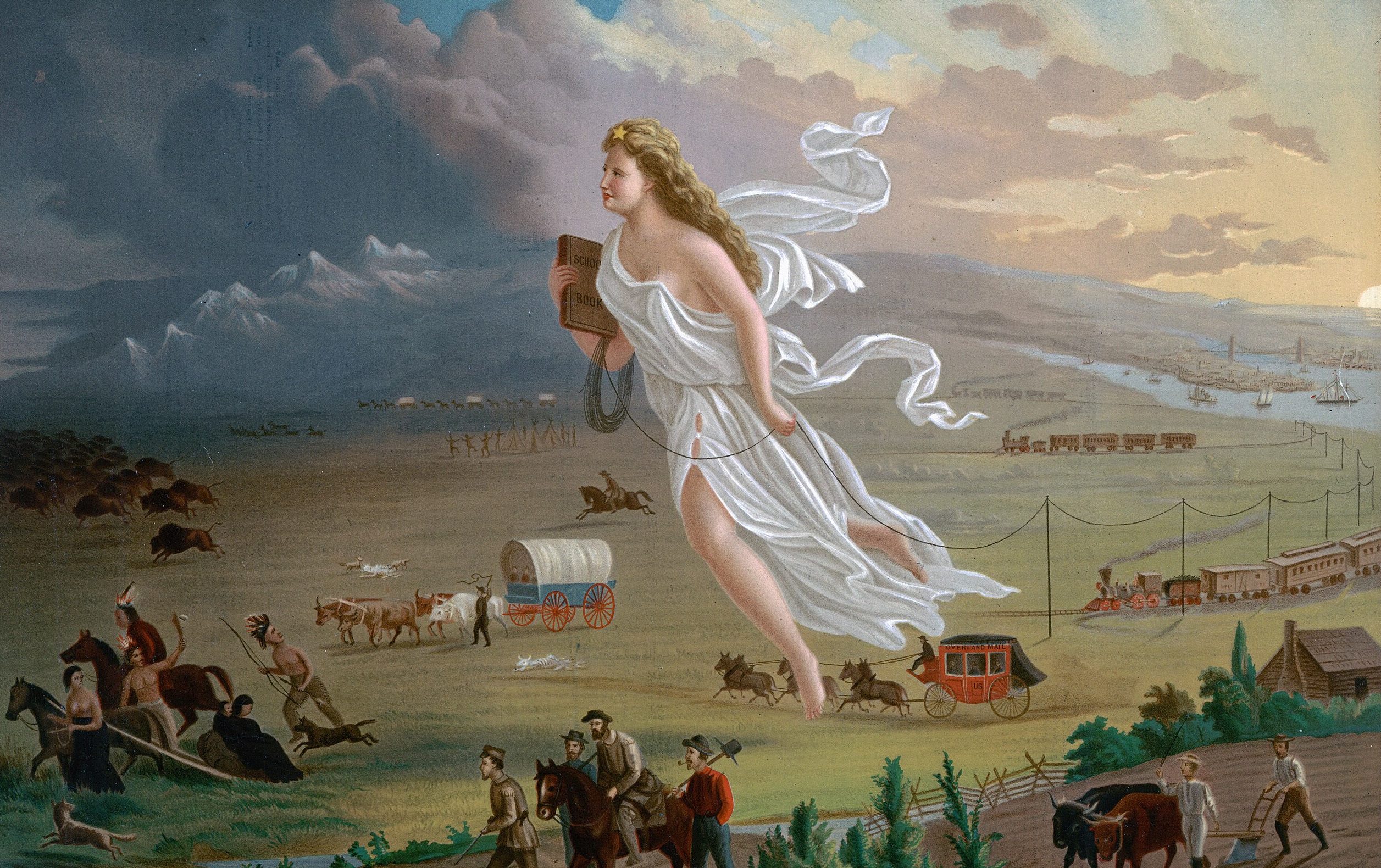
Have you ever wondered what ideas drove the United States to expand across a vast continent? Understanding which two core beliefs were part of Manifest Destiny can give you a clearer picture of this powerful force in American history.
These beliefs didn’t just shape the country’s borders—they shaped its future. Keep reading to discover how these ideas influenced the nation’s growth and why they still matter to you today.

Credit: www.albert.io
Manifest Destiny Origins
Manifest Destiny was a powerful idea that shaped the United States in the 19th century. It was the belief that Americans had a special right to expand across the continent. This idea grew from two main beliefs that captured the hopes and fears of many people at the time. Understanding these beliefs helps explain why the nation moved westward with such determination.
Historical Context
In the early 1800s, the United States was a young nation. It had just gained independence and was eager to grow. Many Americans believed the country should stretch from the Atlantic Ocean to the Pacific Ocean. This belief came during a time of rapid change. The country was expanding its borders, and new lands were being explored. The idea of Manifest Destiny reflected the desire to own more land and spread American culture.
Key Influencers
Several leaders and thinkers helped spread the idea of Manifest Destiny. Politicians like President James K. Polk strongly supported expansion. Writers and newspaper editors also played a big role. They used stories and articles to inspire people. These influencers believed the United States had a duty to spread democracy and freedom. They saw expansion as a way to build a stronger, more powerful nation.
Belief In Expansion
The belief in expansion was a core part of Manifest Destiny. It wasn’t just about adding land; it was about a vision that America was meant to grow and spread its influence. This belief shaped how people saw the future and their role in building a bigger nation.
Territorial Growth
People believed the United States had the right to stretch from the Atlantic to the Pacific. This wasn’t just wishful thinking; it was seen as a clear destiny. The Louisiana Purchase, Texas annexation, and the Oregon Trail all showed how Americans moved to claim new territories.
Have you ever thought about what it means to claim land as your own? Back then, every new territory was a chance to build a new life and expand the country’s power. This belief encouraged settlers to take risks and push boundaries.
Economic Opportunities
Expansion promised more than land—it promised wealth. New territories meant new resources like gold, fertile farming land, and trade routes. People believed that growing the country would create jobs and improve the economy for everyone.
Imagine starting fresh on a new piece of land, with the chance to build a business or farm. Many saw this as a real opportunity to improve their lives. This drive for economic gain made expansion feel urgent and necessary.
Belief In Cultural Superiority
The belief in cultural superiority played a key role in shaping Manifest Destiny. Many Americans thought their culture was better and more advanced than others. This belief gave them confidence to expand across the continent. They saw it as their duty to bring their way of life to new lands and people.
This idea linked closely with two main beliefs: American exceptionalism and the mission to spread democracy. Both showed how culture and values influenced expansionist views.
American Exceptionalism
American exceptionalism is the belief that the United States is unique and special. Many believed America had a special role in history. They thought the country was chosen to lead and set an example. This belief encouraged people to move west and claim new territories. It suggested that American ideas and culture were better than others.
People saw the U.S. as a model of freedom and progress. This made expansion seem not just right, but necessary. The nation had a duty to grow and improve the world.
Mission To Spread Democracy
Another belief was that Americans had a mission to spread democracy. They felt democracy was the best form of government. It promised freedom and equality. Many believed it was their responsibility to bring these ideas to new lands.
This mission justified taking over territories. It was seen as helping others by sharing American values. The spread of democracy was part of the cultural superiority belief. It meant Americans thought they were helping others become better by adopting their system.

Credit: www.albert.io
Impact On Native Peoples
The belief in Manifest Destiny deeply affected Native peoples across America. It fueled expansion and shaped policies that harmed indigenous communities. The idea that settlers had a divine right to the land led to major changes in Native lives. These impacts were both immediate and long-lasting. Understanding these effects helps us see the true cost of Manifest Destiny on Native cultures and peoples.
Displacement And Conflict
Manifest Destiny pushed settlers westward, taking Native lands. Forced removals uprooted many tribes from their homes. The Trail of Tears is one tragic example. Native peoples faced violent clashes as settlers encroached on their territories. These conflicts caused loss of life and resources. Native tribes were often forced onto smaller, less fertile lands. This displacement disrupted their traditional ways of living and survival.
Cultural Consequences
Native cultures suffered greatly under Manifest Destiny. Loss of land meant loss of sacred sites and hunting grounds. Many Native languages and customs declined as communities were broken. Government policies aimed to assimilate Native peoples into European-American culture. Children were sent to boarding schools to erase their heritage. These actions weakened Native identities and traditions. The cultural damage still affects Native communities today.
Legacy Of Manifest Destiny
The legacy of Manifest Destiny is woven deeply into the story of the United States. It shaped the nation’s geography and mindset in ways that still affect us today. Understanding this legacy helps you see how past beliefs influence current attitudes and policies.
Modern Perspectives
Today, the belief in Manifest Destiny is often viewed with a critical eye. People question the idea that expansion was justified simply because it was “destined” or “right.”
You might wonder: How do these old ideas affect modern views on immigration and national identity? Many now recognize the cost paid by Native American communities and others displaced during expansion. This shift in perspective urges you to think about fairness and justice in your own country’s history.
Influence On Us Policy
Manifest Destiny’s influence didn’t end with the 19th century. It set a precedent for how the U.S. approaches growth and foreign relations. Policies often reflect a belief in American exceptionalism and a drive to extend influence.
Consider current debates about borders and international involvement. These discussions echo the old Manifest Destiny mindset—balancing ambition with responsibility. How should your country handle expansion or influence today? Reflecting on this history can guide more thoughtful decisions.

Credit: hyperallergic.com
Frequently Asked Questions
What Were The Two Main Beliefs Of Manifest Destiny?
The two main beliefs were the divine right to expand across America and the spread of democracy. These ideas justified westward expansion and U. S. territorial growth in the 19th century.
How Did Manifest Destiny Promote American Expansion?
Manifest Destiny promoted expansion by claiming it was America’s mission to spread civilization and democracy. This belief encouraged settlers to move west and acquire new lands.
Why Was Spreading Democracy Part Of Manifest Destiny?
Spreading democracy was seen as a moral duty to bring freedom and progress to new territories. It reinforced the idea that American values should extend across the continent.
What Role Did Divine Right Play In Manifest Destiny?
Divine right suggested that God favored American expansion. This belief gave settlers a sense of purpose and justification for taking lands from others.
Conclusion
Manifest Destiny grew from two strong beliefs. First, the idea that the United States should expand across the continent. Second, the belief that this expansion was a duty and right. These ideas shaped America’s growth and history. They led to new lands and changes in many lives.
Understanding these beliefs helps us see why Manifest Destiny mattered. It was more than just a plan; it was a powerful vision that shaped a nation’s path.

Similar Posts