Who First Used the Term Manifest Destiny: Unveiling History
Have you ever wondered where the powerful idea of “Manifest Destiny” began? This term shaped a whole era of American history and influenced the country’s growth in ways you might not expect.
Knowing who first used the phrase can change how you see that time and its impact on the world. Keep reading to uncover the story behind the words and discover why they still matter today. Your understanding of history is about to get a fresh perspective.
Credit: pastorbhart.medium.com
Origins Of Manifest Destiny
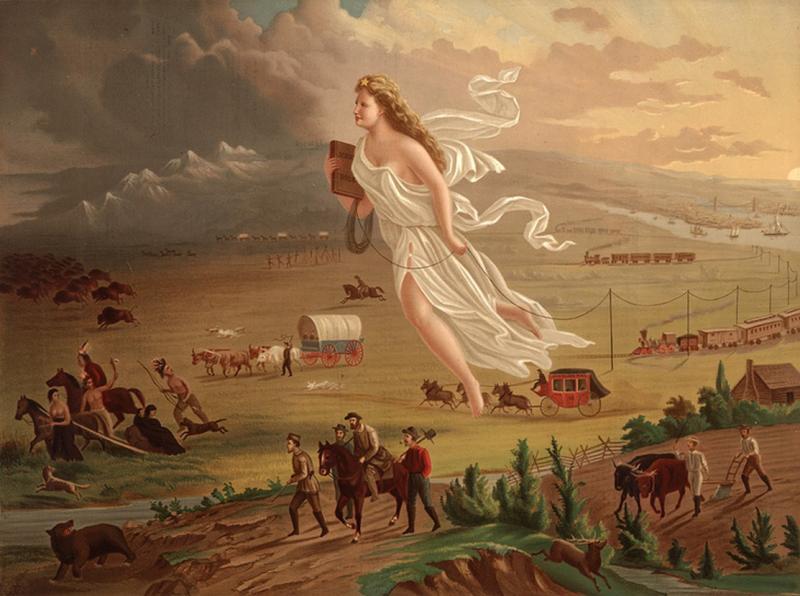
The term “Manifest Destiny” captured a powerful idea in 19th century America. It described a belief that the United States was meant to expand across the continent. This concept shaped the country’s actions and politics for many years.
The phrase itself appeared in the 1840s. It quickly became a slogan that reflected American ambition and national pride. Understanding where this term came from helps explain much of America’s growth during that time.
Early 19th Century America
In the early 1800s, America was a young nation with growing energy. The country’s population was increasing fast. People moved westward seeking land and new opportunities.
Settlers believed they had a right to expand. They saw the land as a place for freedom and progress. This belief was tied to ideas about American culture and destiny.
Events like the Louisiana Purchase and the Lewis and Clark expedition encouraged expansion. These acts gave the nation a sense of mission. They laid the groundwork for the idea of Manifest Destiny.
Political Climate In The 1840s
The 1840s brought major political changes. Leaders debated how far the United States should grow. Some wanted to add new territories to the union.
Journalist John L. O’Sullivan first used the term “Manifest Destiny” in 1845. He argued that America had a clear duty to spread its values. His words struck a chord with many Americans.
Political parties used the idea to support their goals. Expansion became linked with democracy and freedom. This made the term powerful in shaping policy and public opinion.

Credit: www.aspendailynews.com
John L. O’sullivan’s Role
John L. O’Sullivan played a crucial role in popularizing the term “Manifest Destiny.” He was a journalist and editor who gave voice to the idea that the United States had a divine right to expand across the continent. His writings helped shape public opinion and political policy during the 1840s. O’Sullivan’s words captured the spirit of American expansionism with simple yet powerful language.
The Coining Of The Term
O’Sullivan first used the phrase “Manifest Destiny” in 1845. He wrote it in an article about the annexation of Texas. The term expressed the belief that the U.S. was meant to spread its values and culture. It suggested this expansion was both obvious and justified. The phrase quickly caught on and became a rallying cry for expansionists.
Key Writings And Publications
O’Sullivan published his ideas mainly in the Democratic Review. This magazine was influential among political leaders and citizens alike. In his articles, he argued that the U.S. had a special mission. He saw American expansion as a way to promote democracy and freedom. His writing style was clear and persuasive, making complex ideas easy to understand. These works helped make “Manifest Destiny” a key part of American history.
Manifest Destiny In Media
The term Manifest Destinygained traction not just through speeches or political debates but heavily through media channels of the 19th century. Newspapers and editorials played a crucial role in shaping public opinion and spreading the idea that America was destined to expand across the continent. Understanding how media portrayed this concept can help you see how powerful words in print can influence a nation’s direction.
Newspapers And Editorials
Newspapers were the main source of information for most Americans at the time. Editors and journalists used the term “Manifest Destiny” to argue that expansion was both justified and inevitable. Some papers praised the idea as a divine right, while others debated its moral and political consequences.
The phrase was first popularized by journalist John L. O’Sullivan in 1845. He wrote editorials urging the annexation of Texas and Oregon, framing expansion as a mission to spread democracy and civilization. This helped solidify the term in public discourse.
Public Reception And Impact
The public reaction was mixed but largely enthusiastic, especially among settlers and politicians eager for new land. People saw Manifest Destiny as a promise of opportunity and growth. However, not everyone agreed—some worried it would lead to war and injustice against Native Americans and other nations.
Have you ever noticed how media today can shape your views on big issues? The way Manifest Destiny was presented shows the power of media to rally support or spark controversy. It reminds you to question how modern media frames political and social ideas in your own life.
Political Leaders And Manifest Destiny
Political leaders played a key role in shaping and spreading the idea of Manifest Destiny. They used this concept to support policies that promoted the expansion of the United States across the continent. These leaders believed the nation had a special mission to grow its territory. Their speeches and writings helped the term gain popularity and political power.
Supporters In Government
Many government leaders strongly backed Manifest Destiny. They argued that expanding the country was both natural and necessary.
- President James K. Polk:A major advocate who pushed for the annexation of Texas and Oregon.
- John L. O’Sullivan:A journalist who first used the phrase “Manifest Destiny” to support expansion.
- Congress Members:Several lawmakers voted for laws that helped acquire new lands, including the Mexican Cession.
These supporters saw expansion as a way to spread democracy and economic opportunity. They believed it would make the United States stronger and more powerful.
Opponents And Critics
Not all political leaders agreed with Manifest Destiny. Some saw it as dangerous and unfair.
- Whig Party Members:They warned that expansion could lead to war and increase tensions over slavery.
- Abolitionists:Feared that new territories would extend slavery and harm human rights.
- Native American Advocates:Opposed expansion because it threatened native lands and cultures.
Critics argued that Manifest Destiny often ignored the rights of others. They cautioned against using it as a reason for conquest and conflict.
Legacy Of The Term
The term Manifest Destinycarries a powerful legacy that extends far beyond its 19th-century origins. It shaped the mindset of a young nation eager to expand its borders and influenced policies that still echo today. Understanding this legacy helps you see how language can drive actions with lasting consequences.
Influence On U.s. Expansion
Manifest Destiny justified the rapid growth of the United States across the North American continent. It pushed leaders and settlers to believe that expanding westward was not just possible but inevitable and righteous. This mindset fueled events like the Texas Annexation, the Oregon Trail migration, and the Mexican-American War.
Think about how this belief affected everyday people. Families packed their belongings and moved west with hope and determination, convinced they were fulfilling a national mission. But this expansion also meant displacement and conflict for Native American tribes and other inhabitants.
Historical Interpretations
Historians continue to debate the true meaning and impact of Manifest Destiny. Some see it as a bold vision that helped shape America’s growth, while others criticize it as a cover for aggressive imperialism. This debate invites you to question how historical narratives are formed and whose voices are heard.
When you reflect on Manifest Destiny, ask yourself: How do words influence actions on a grand scale? What lessons can you draw from the way this term guided decisions that affected millions? These questions can deepen your understanding of history’s complexity and its relevance to today’s world.

Credit: www.facebook.com
Frequently Asked Questions
Who First Coined The Term “manifest Destiny”?
The term “Manifest Destiny” was first coined by journalist John L. O’Sullivan in 1845. He used it to describe America’s divine right to expand westward across the continent.
What Was The Original Meaning Of Manifest Destiny?
Manifest Destiny originally meant the belief that the United States was destined by God to expand its territory westward and spread democracy.
When Did The Term Manifest Destiny Become Popular?
The term gained popularity in the mid-1840s during debates about westward expansion, especially concerning the annexation of Texas and Oregon Territory.
How Did Manifest Destiny Influence U.s. Policy?
Manifest Destiny shaped U. S. policies by justifying territorial expansion, including wars and treaties that increased the nation’s landmass significantly.
Conclusion
The term Manifest Destiny first appeared in 1845. Journalist John L. O’Sullivan used it to describe America’s future. He believed the U. S. Should expand westward. This idea shaped much of American history. It helped justify growth and movement across the continent.
Understanding who first used the term gives insight into that time. It shows how language can influence ideas and actions. Manifest Destiny remains an important part of U. S. History today.

Similar Posts