Who is Manifest Destiny: Unveiling America’s Expansionist Dream
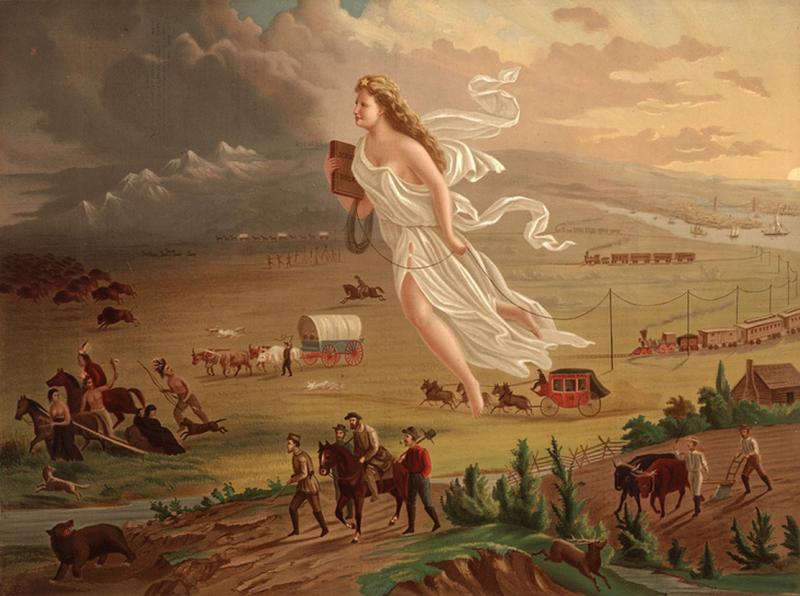
Have you ever wondered what drove a whole nation to stretch its borders from coast to coast? Who or what was behind the powerful idea that shaped the United States’ growth in the 1800s?
If you want to understand the story of Manifest Destiny and how it changed history, you’re in the right place. This isn’t just about old maps or dates—it’s about the force that pushed people to explore, settle, and sometimes fight for new lands.
Keep reading, and you’ll discover why Manifest Destiny mattered then and why it still matters to you today.
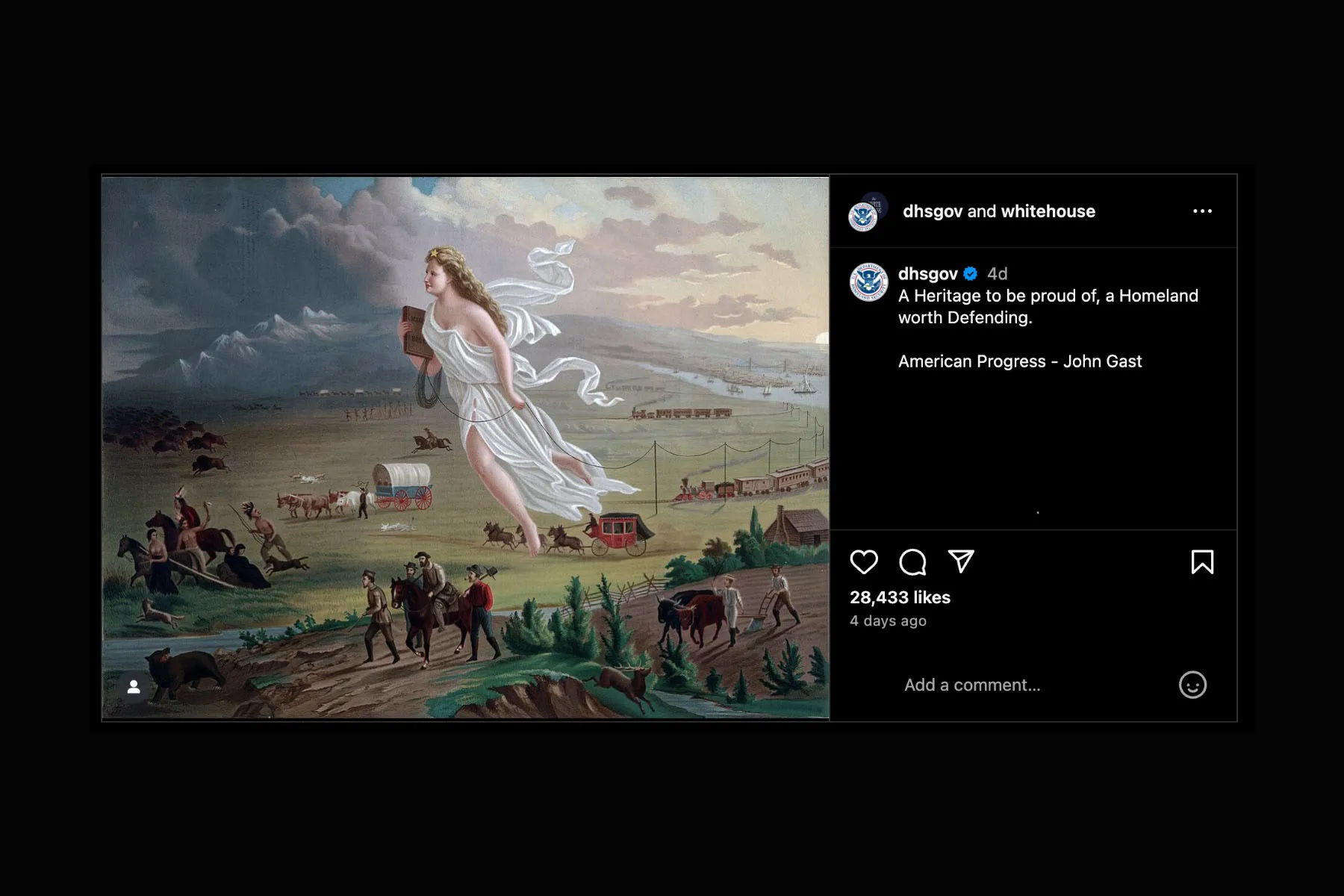
Credit: 19thnews.org
Origins Of Manifest Destiny
The origins of Manifest Destiny trace back to a unique time in American history when the young nation was eager to define its place in the world. This belief was not born overnight; it grew from specific historical events, influential ideas, and a strong sense of identity. Understanding these roots helps you see why Manifest Destiny became such a powerful force shaping the United States.
Early 19th Century Context
The early 1800s were a period of rapid change and opportunity in America. The country had just doubled its size with the Louisiana Purchase in 1803, opening vast lands for settlement and growth.
At the same time, conflicts with Native Americans and foreign powers made control of the continent seem both urgent and possible. These conditions created a perfect storm for expansionist ideas to take hold.
Key Influences And Thinkers
Several thinkers and politicians played major roles in shaping Manifest Destiny. John L. O’Sullivan, a newspaper editor, famously coined the term “Manifest Destiny” in 1845, arguing that the U.S. had a divine right to expand westward.
Other voices included politicians like President James K. Polk, who pushed aggressively for territorial growth, and writers who celebrated the frontier as a place of opportunity and freedom.
Role Of Nationalism
National pride was a driving force behind Manifest Destiny. After gaining independence and surviving wars, many Americans felt their country was destined to lead and spread its values across the continent.
This sense of nationalism wasn’t just about pride; it was about identity and purpose. How does your own sense of national or community pride shape the way you view your role in the world?

Credit: hyperallergic.com
Core Beliefs And Ideals
Understanding the core beliefs and ideals behind Manifest Destiny helps you see why it was such a powerful force in shaping American history. These ideas weren’t just political slogans—they reflected deep convictions about the nation’s purpose and future. Let’s break down what drove this movement and why it resonated with so many people.
Divine Right To Expand
Many supporters of Manifest Destiny believed the United States had a god-given right to spread across the continent. This wasn’t just about land; it was about fulfilling a destiny that was seen as ordained by a higher power. This belief gave people a strong sense of purpose and justified actions that might otherwise seem aggressive.
Have you ever felt so sure about your goals that you believed nothing could stop you? That’s the kind of confidence this idea gave to many Americans during the 19th century.
Mission To Spread Democracy
At the heart of Manifest Destiny was the belief that American democracy was superior and should be shared. People thought it was their duty to bring democratic ideals to new territories and peoples. This mission framed expansion as a noble effort to promote freedom and self-government.
Think about how you might feel compelled to share something valuable with others—like a good idea or helpful advice. The advocates of Manifest Destiny saw democracy the same way, as something valuable that needed to be spread.
Economic Motivations
Beyond ideals, practical reasons fueled Manifest Destiny. Expanding westward opened up opportunities for land ownership, farming, and trade. People saw new territories as places to improve their lives and build wealth.
Imagine spotting a chance to improve your career or finances—wouldn’t you want to seize it? That’s exactly how many Americans viewed the expanding frontier: a place filled with promise and potential.
Major Territorial Acquisitions
Major territorial acquisitions shaped the growth of the United States. These lands expanded the nation’s borders significantly. Each acquisition added new opportunities and challenges. They played a key role in fulfilling the idea of Manifest Destiny.
These acquisitions include purchases, annexations, and treaties. They helped the U.S. control important regions across the continent. The following sections explain some of the most important territorial gains.
Louisiana Purchase
The Louisiana Purchase doubled the size of the U.S. in 1803. The U.S. bought this vast land from France for $15 million. It stretched from the Mississippi River to the Rocky Mountains. This purchase gave control of the Mississippi River and New Orleans. It opened the west for exploration and settlement.
Texas Annexation
Texas joined the U.S. in 1845 after declaring independence from Mexico. Texans sought protection and stability by becoming part of America. This move increased tensions with Mexico and led to war. Texas brought large lands and rich resources into the union. It also strengthened the idea of expanding westward.
Oregon Trail And Territory
The Oregon Trail was a key route for settlers moving west in the 1840s. It led to the Oregon Territory, claimed by both the U.S. and Britain. In 1846, a treaty divided the land along the 49th parallel. The U.S. gained control of the present-day Oregon, Washington, and Idaho. This acquisition secured the Northwest and opened trade routes.
Mexican-american War Outcomes
The Mexican-American War ended in 1848 with the Treaty of Guadalupe Hidalgo. The U.S. gained a huge area called the Mexican Cession. This land included California, Nevada, Utah, and parts of several other states. The war’s outcome fulfilled much of Manifest Destiny’s goal. It expanded the nation from coast to coast.
Impact On Indigenous Peoples
The idea of Manifest Destiny shaped the history of the United States. It led to major changes in the lives of Indigenous peoples. These changes were often harsh and caused lasting pain. Understanding this impact helps us see the full story of American expansion.
Displacement And Conflict
Manifest Destiny pushed settlers westward, taking lands from Native tribes. Many Indigenous peoples were forced to leave their homes. These moves caused violent conflicts between settlers and Native communities. Wars and battles broke out as tribes tried to protect their land. Forced marches, like the Trail of Tears, caused great suffering and death.
Cultural Consequences
Taking land also meant breaking down Native cultures. Traditions and languages were lost as tribes faced pressure to change. Many children were sent to boarding schools to learn European ways. This led to a loss of identity for many Indigenous people. Sacred sites and ways of life were destroyed or forgotten.
Resistance And Survival
Despite these hardships, Indigenous peoples did not give up. Many fought back through battles and legal efforts. Others kept their traditions alive in secret or adapted them. Today, Native communities continue to preserve their culture and rights. Their resilience shows strength and hope for the future.
Political And Social Reactions
Manifest Destiny sparked strong political and social reactions across the United States. It shaped opinions and fueled debates among citizens and politicians. The idea of expanding the country stirred hope, fear, and conflict. People saw Manifest Destiny as a chance for growth or a threat to their values. These reactions influenced the nation’s future in many ways.
Supporters And Opponents
Supporters of Manifest Destiny believed the U.S. had a right to expand westward. They saw it as a duty to spread democracy and civilization. Many politicians and settlers welcomed new opportunities for land and wealth. Opponents feared the expansion would cause problems. Some worried about war with other countries or Native Americans. Others thought it would increase tensions over slavery and harm the country’s unity.
Debates Over Slavery
Slavery was a major issue in the debates about Manifest Destiny. New territories raised questions about whether slavery would be allowed there. Southern states wanted to expand slavery to protect their economy. Northern states opposed this, fearing slavery’s growth would threaten free labor and morality. These arguments made compromise difficult. The debate over slavery became a key part of the national conversation during this time.
Effect On Sectional Tensions
Manifest Destiny increased tensions between the North and South. The question of slavery in new lands divided the country further. Each side feared losing political power. This conflict made it harder to find peaceful solutions. Sectional tensions eventually pushed the nation closer to civil war. Expansion under Manifest Destiny highlighted deep divisions that shaped America’s future.
Legacy Of Manifest Destiny
The legacy of Manifest Destiny runs deep in American history. It shaped the nation’s borders and its sense of purpose. This idea pushed the U.S. to expand across the continent. Its impact still echoes in many parts of society and politics today.
Manifest Destiny changed how Americans saw themselves and their country. It brought growth, conflict, and new challenges. Understanding this legacy helps us see how past ideas influence current events and policies.
Shaping Modern America
Manifest Destiny helped create the United States as we know it. It led to the addition of many new states. This expansion increased the country’s size and resources.
The movement also affected culture and economy. New lands brought different people and ideas together. Railroads and trade routes grew to connect these regions.
Influence On Foreign Policy
The idea of Manifest Destiny shaped America’s approach to the world. It encouraged the U.S. to be more active abroad. Territories beyond the continent became important goals.
This mindset influenced actions like the Mexican-American War. It also set a pattern of expansion and intervention. The U.S. grew more confident in dealing with other nations.
Contemporary Reflections
Today, people still debate Manifest Destiny’s effects. Some see it as progress and growth. Others focus on the harm to Native Americans and other groups.
This legacy raises questions about fairness and justice. It challenges us to learn from history. Understanding these views helps shape a better future.

Credit: www.facebook.com
Frequently Asked Questions
What Is Manifest Destiny?
Manifest Destiny refers to the 19th-century belief that the U. S. was destined to expand across North America. It was seen as a divine mission to spread democracy and capitalism. This ideology justified territorial expansion and was a driving force behind the annexation of territories.
Why Was Manifest Destiny Important?
Manifest Destiny was important because it influenced U. S. policy and territorial expansion. It justified the acquisition of large areas like Texas and California. This belief helped shape the nation’s identity and growth, impacting Native American communities and international relations.
How Did Manifest Destiny Affect Native Americans?
Manifest Destiny led to the displacement of Native American tribes from their ancestral lands. The expansion often involved conflicts and forced removals, like the Trail of Tears. This had lasting impacts on Native American cultures, livelihoods, and populations.
Who Coined The Term Manifest Destiny?
The term “Manifest Destiny” was coined by journalist John L. O’Sullivan in 1845. He used it to advocate for the annexation of Texas. The phrase captured the widespread belief in America’s divine right to expand and was quickly popularized in politics and media.
Conclusion
Manifest Destiny shaped the growth of the United States deeply. It pushed the country to expand westward quickly. Many people believed it was their right and duty. This idea affected politics, culture, and the land itself. Though it brought progress, it also caused conflicts and challenges.
Understanding Manifest Destiny helps us see America’s past clearly. It shows how beliefs influence history and change lives. The story of Manifest Destiny remains important today. It reminds us of the power of ideas and actions.

Similar Posts