Who Said Manifest Destiny: Unveiling Historical Voices
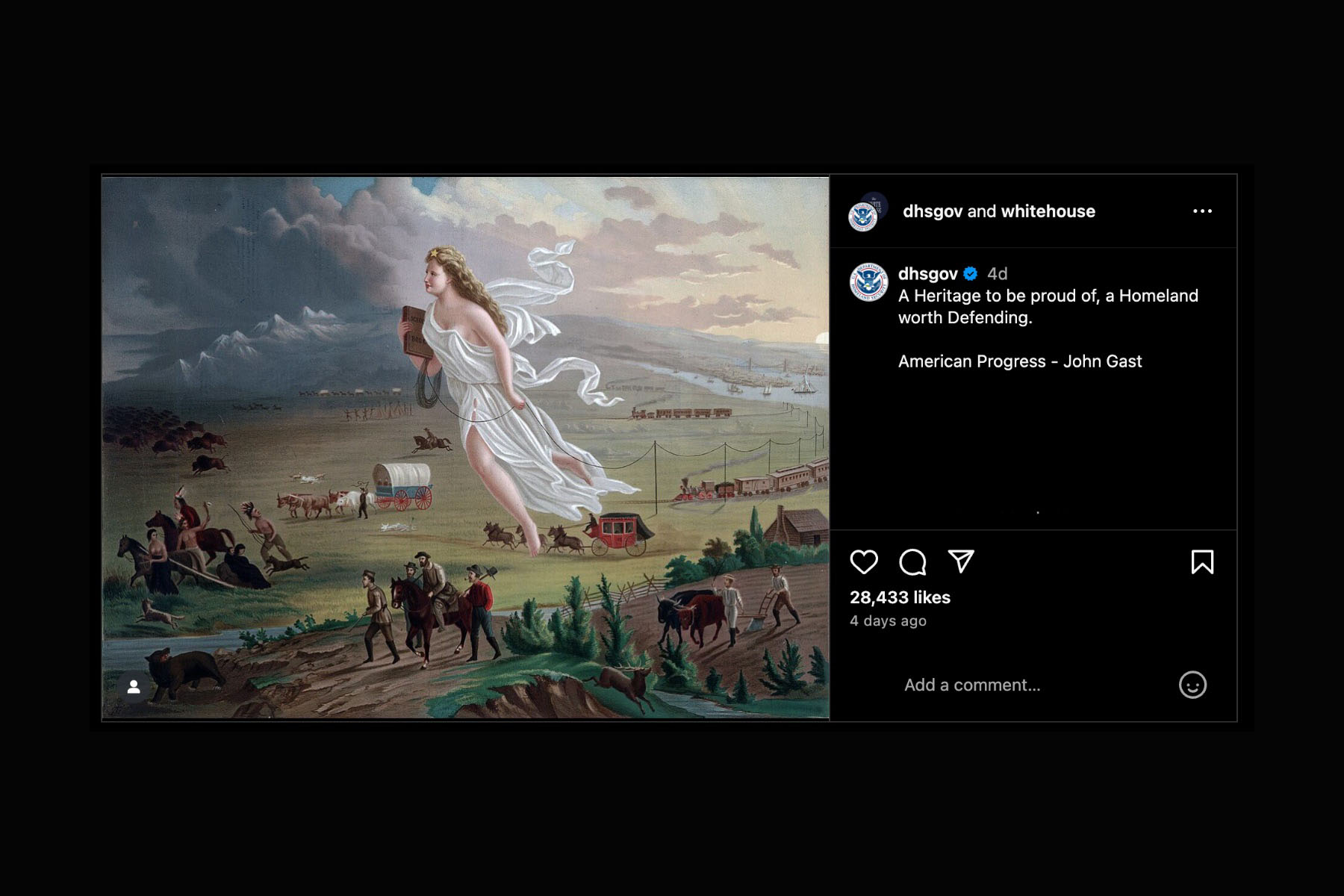
Have you ever wondered who first said the phrase “Manifest Destiny”? It’s a powerful idea that shaped a whole era in American history.
Understanding where this term came from can change the way you see the story of the United States. If you want to uncover the origins of this famous phrase and why it mattered so much, keep reading. This simple question might just lead you to surprising answers that connect past and present in unexpected ways.
Origins Of Manifest Destiny
Manifest Destiny is a term that captured the spirit of 19th-century America. It described the belief that the United States had a divine right to expand its territory across North America. This idea shaped the nation’s politics and culture for decades. Understanding its origins helps explain how it influenced American history and identity.
Early 19th Century America
In the early 1800s, America was a young and growing nation. The population was increasing quickly. Settlers moved westward in search of land and opportunity. The Louisiana Purchase doubled the country’s size, fueling dreams of more expansion.
New states joined the Union, changing the political landscape. Americans felt confident about their future. They believed spreading democracy and culture was their mission.
Political Climate And Expansionism
The political mood supported growth and power. Leaders wanted to secure borders and gain economic advantages. The idea of Manifest Destiny fit well with this mindset.
Expansion was seen as a way to strengthen the nation. It also raised tough questions about slavery and relations with Native Americans. These debates shaped the country’s path forward.
Key Figures Behind The Phrase
The phrase “Manifest Destiny” is more than just a catchy slogan from American history. It represents a powerful idea that shaped a nation’s growth and mindset during the 19th century. To truly understand its impact, you need to know the people who coined and spread this concept.
John L. O’sullivan’s Role
John L. O’Sullivan is the key figure behind the phrase “Manifest Destiny.” As a journalist and editor, he first used it in 1845 to describe the belief that the United States was destined to expand across the North American continent.
O’Sullivan’s words gave a name to a growing sentiment among Americans. He argued that expansion was not just inevitable but also righteous and beneficial. Have you ever thought how a single phrase can spark a whole movement?
His writing influenced politicians and the public alike, turning expansion into a national goal. Understanding O’Sullivan’s role helps you see how language can shape history and public opinion.
Other Influential Voices
Although O’Sullivan coined the phrase, many others helped spread and shape the idea of Manifest Destiny. Politicians like President James K. Polk strongly supported expansion, pushing for the annexation of Texas and the Oregon Territory.
Military leaders and settlers also played their part, turning the vision into reality through action. Writers and newspapers of the time echoed the message, building public support.
- Politicians used Manifest Destiny to justify policies and wars.
- Newspapers helped spread the idea to everyday Americans.
- Settlers moved west, making the concept a practical reality.
Who do you think has the most power in shaping ideas today—writers, leaders, or the public? Looking at Manifest Destiny, it’s clear that a combination of voices creates lasting change.
Manifest Destiny In Political Rhetoric
The phrase “Manifest Destiny” was more than just a popular slogan; it was a powerful tool in shaping political conversations. Politicians used it to justify expansionist policies and rally public support. Understanding how this idea was woven into political rhetoric helps you see its impact on American history and policy decisions.
Presidential Speeches
Presidents like James K. Polk used Manifest Destiny as a central theme in their speeches. Polk’s 1845 address to Congress emphasized the “rightful” expansion of the United States from coast to coast. He framed territorial growth as a national duty, appealing directly to citizens’ sense of purpose and destiny.
By appealing to Manifest Destiny, presidents connected with people’s hopes and fears. This approach made complex political moves more relatable. Have you noticed how leaders today use similar storytelling to shape public opinion?
Congressional Debates
In Congress, Manifest Destiny sparked heated debates over new territories and slavery. Lawmakers argued fiercely about whether new lands should allow slavery, reflecting deeper divisions in the country. The rhetoric often highlighted not just geography but moral and economic stakes.
These debates show how Manifest Destiny wasn’t just about land—it was about identity and power. Lawmakers used the idea to push their agendas and rally allies. How might your own views be shaped by the way issues are framed in political discussions?

Credit: www.facebook.com
Public Reaction And Media Influence
The idea of Manifest Destiny stirred strong feelings across the United States. People didn’t just hear about it—they reacted, debated, and acted based on what they read and believed. The media played a huge role in shaping those reactions, spreading ideas far and wide.
Newspapers And Pamphlets
Newspapers were the main source of information for most Americans. They printed stories and editorials that painted Manifest Destiny as either a great opportunity or a dangerous plan.
Pamphlets, often short and persuasive, were handed out in towns and cities. They made the complex idea easier to understand and sparked lively conversations in homes and public places.
Think about how your daily news influences your opinions. Back then, the newspapers and pamphlets did the same, sometimes even more powerfully because they were the primary way people connected with national issues.
Support And Opposition
Supporters of Manifest Destiny saw it as a chance to expand freedom and prosperity. They believed it was the country’s destiny to spread across the continent.
Opponents warned of the dangers, including the impact on Native Americans and the risk of war with Mexico. They questioned whether expansion was truly just or necessary.
These debates often spilled into public meetings, letters to editors, and spirited discussions. Have you ever changed your mind after reading a powerful opinion or hearing a passionate argument? That’s exactly what happened to many people during this time.
Impact On Native American Communities
The impact of Manifest Destiny on Native American communities was profound and far-reaching. It led to massive upheaval in their lives, cultures, and lands. Understanding this impact helps you see the human cost behind the expansionist policies of the 19th century.
Displacement And Resistance
Native American tribes were forced off their ancestral lands through treaties that were often unfair or ignored. This displacement caused loss of homes, resources, and traditional ways of life. Many tribes resisted through both armed conflict and peaceful protests.
For example, the Trail of Tears saw thousands of Cherokee people forced to march westward, resulting in great suffering and death. Yet, resistance wasn’t just physical; it included preserving cultural practices and legal battles to protect their rights.
- Forced removal from lands
- Loss of hunting and farming territories
- Armed uprisings and legal challenges
Voices From Indigenous Leaders
Indigenous leaders spoke out against the policies of Manifest Destiny, often warning of the destruction it would bring. Leaders like Chief Seattle and Sitting Bull shared powerful messages about the respect for land and the consequences of unchecked expansion.
You might find it surprising how their words still resonate today, reminding us to think deeply about the balance between progress and respect for others. These voices challenge you to consider whose stories get told and whose are forgotten.
| Leader | Message | Impact |
|---|---|---|
| Chief Seattle | Called for respect of the earth and peaceful coexistence | Inspired environmental and Indigenous rights movements |
| Sitting Bull | Resisted U.S. military expansion and defended tribal lands | Became a symbol of Native American resistance |
How do you think recognizing these voices changes your understanding of American history? Reflecting on their experiences helps you appreciate the complexity behind the idea of Manifest Destiny.

Credit: www.yahoo.com
Manifest Destiny Beyond The U.s.
The idea of Manifest Destiny shaped much more than just the United States. It influenced international views and caused tensions beyond U.S. borders. Many countries watched the U.S. expand its territory with interest and concern. The concept sparked border disputes and led to important treaties around the world. Manifest Destiny’s impact stretched across continents, changing global politics and land control.
International Perspectives
Countries outside the U.S. had varied reactions to Manifest Destiny. Some saw it as a bold move for progress and growth. Others viewed it as aggressive and threatening to their own lands. European powers worried about the growing strength of the U.S. in the Americas. Latin American nations feared losing territory or influence. These different perspectives shaped foreign policies and alliances during the 19th century.
Border Disputes And Treaties
Manifest Destiny directly caused conflicts over borders. The U.S. engaged in several disputes and wars to claim land. The Texas annexation and the Mexican-American War are key examples. These conflicts ended with treaties that redrew maps and shifted power. Treaties like the Treaty of Guadalupe Hidalgo and the Oregon Treaty settled many border issues. They defined boundaries between the U.S. and neighboring countries, affecting millions of people.
Legacy Of Manifest Destiny
The legacy of Manifest Destiny shapes much of American history and culture. It was more than a belief in expansion. It influenced how the United States grew and acted on the world stage. The idea left marks on politics, society, and how Americans view their country’s role.
Understanding this legacy helps explain many modern debates about land, identity, and power. It shows how past ideas continue to affect today’s culture and politics.
Modern Interpretations
Today, people see Manifest Destiny in different ways. Some view it as a bold vision that helped build the nation’s borders. Others see it as a justification for taking land and hurting Native American peoples.
Many historians debate whether it was a positive or negative force. Some say it encouraged progress and growth. Others highlight the violence and displacement it caused.
This mix of views shows the complex impact of Manifest Destiny. It remains a topic of study and discussion in schools and public life.
Cultural And Political Effects
Manifest Destiny shaped American culture deeply. It promoted ideas of freedom, opportunity, and national pride. These ideas still appear in stories, movies, and celebrations.
Politically, it pushed the United States to expand its territory. This led to conflicts like the Mexican-American War. It also affected relations with Native tribes and other nations.
The concept helped form a belief in American exceptionalism. This belief influences policies and attitudes even today. It impacts immigration, foreign policy, and national identity.

Credit: hyperallergic.com
Frequently Asked Questions
Who First Coined The Term “manifest Destiny”?
The term “Manifest Destiny” was first coined by journalist John L. O’Sullivan in 1845. He used it to justify American expansion westward. O’Sullivan believed the U. S. was destined to spread democracy and civilization across the continent.
What Did “manifest Destiny” Mean In American History?
“Manifest Destiny” meant the belief that the United States should expand across North America. It justified territorial growth and was tied to ideas of American cultural and political superiority. This concept influenced policies and wars in the 19th century.
How Did “manifest Destiny” Impact U.s. Expansion?
“Manifest Destiny” encouraged U. S. territorial growth through purchase, war, and settlement. It led to acquiring lands like Texas, Oregon, and California. This expansion shaped the nation’s borders and fueled conflicts with Native Americans and other countries.
Who Supported The Idea Of Manifest Destiny?
Many 19th-century Americans, including politicians and settlers, supported Manifest Destiny. Leaders like President James K. Polk strongly promoted expansion. Supporters believed it was America’s divine right and duty to spread its values westward.
Conclusion
Manifest Destiny shaped America’s history and growth. Many leaders and writers spoke of this idea. It showed hope, power, and also conflict. Understanding who said it helps us see the past. This idea still affects how we view the country today.
History teaches lessons we should remember and learn from. The story of Manifest Destiny is complex and important. It invites us to think about progress and its costs.

Similar Posts