Who was Involved in the Manifest Destiny: Key Figures Revealed
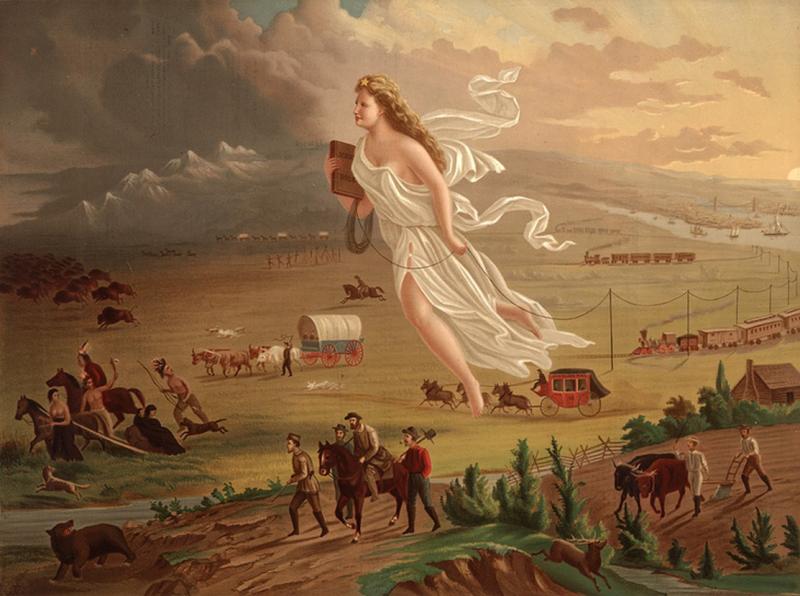
Have you ever wondered who shaped one of the most important chapters in American history? The story of Manifest Destiny isn’t just about a big idea—it’s about the people who made it happen.
From political leaders and settlers to Native Americans and activists, many individuals played a key role. Understanding who was involved will give you a clearer picture of how this powerful movement changed the nation forever. Keep reading, and you’ll discover the surprising faces behind Manifest Destiny and how their actions still affect your world today.
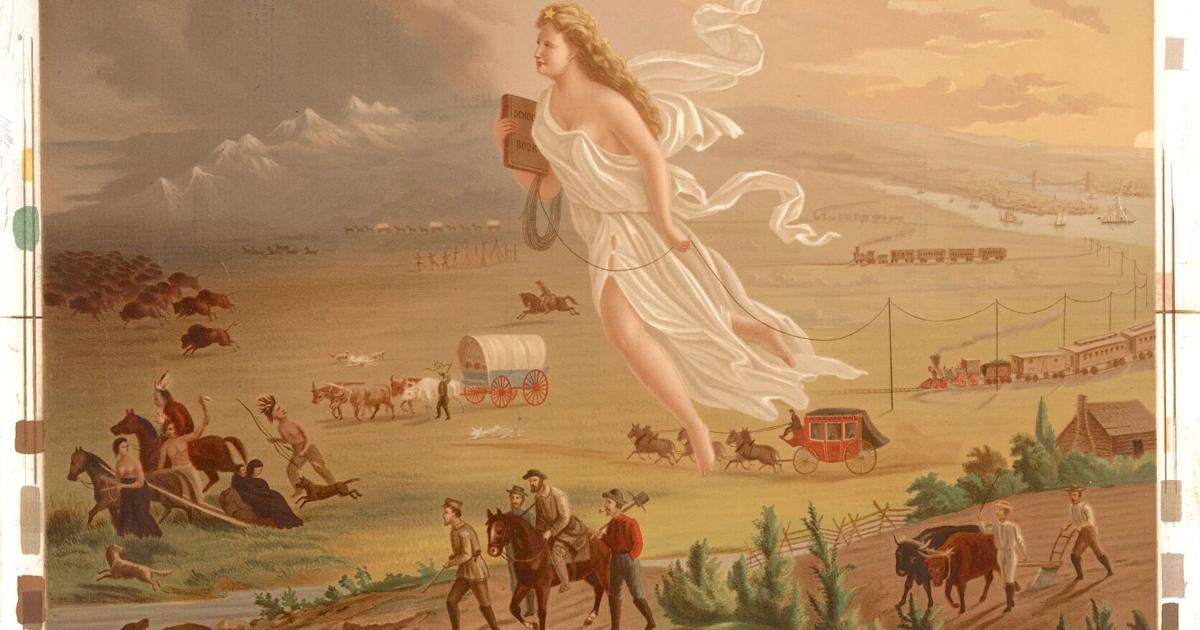
Credit: www.aspendailynews.com
Political Leaders
Political leaders played a crucial role in shaping and pushing forward the idea of Manifest Destiny. Their visions, decisions, and actions directly influenced the expansion of the United States across the continent. Understanding who these leaders were helps you see how political power and personal beliefs can change the course of history.
James K. Polk
James K. Polk is often called the president of Manifest Destiny. He strongly believed the U.S. should stretch from the Atlantic to the Pacific Ocean. During his presidency, Polk oversaw the annexation of Texas, the Oregon Territory dispute settlement, and the Mexican-American War, which expanded U.S. territory significantly.
Polk’s focused agenda shows how a clear goal and determination can drive major national changes. Have you ever noticed how strong leadership can push a whole country forward?
Thomas Jefferson
Thomas Jefferson’s vision laid the groundwork for Manifest Destiny long before the term existed. He championed the Louisiana Purchase, doubling the size of the U.S. and opening the door for westward expansion. Jefferson’s belief in an “empire of liberty” inspired many to move west in search of opportunity and freedom.
His actions demonstrate how foresight and bold decisions create opportunities that benefit future generations. What goals in your life might require a similarly bold step?
John C. Calhoun
John C. Calhoun was a powerful voice for southern interests and a strong supporter of expanding slavery into new territories. He argued that Manifest Destiny was not just about land but about protecting and spreading the South’s way of life. His stance made the expansion debate more complex and heated, showing how politics and personal values often clash.
Calhoun’s role reminds you that political decisions often reflect deeper social tensions. How do your personal values shape the choices you make in challenging situations?
Military Figures
Military leaders played key roles in the Manifest Destiny era. Their actions shaped the expansion of the United States. These figures led troops, won battles, and helped claim new lands.
Their leadership and strategies impacted the course of history. Many became national heroes and influenced future military actions.
Zachary Taylor
Zachary Taylor was a prominent general during the Mexican-American War. He earned the nickname “Old Rough and Ready” for his tough leadership. Taylor led American forces to several important victories. His success helped secure Texas and other territories for the U.S. Later, he became the 12th President of the United States.
Winfield Scott
Winfield Scott was a top military commander in the 1840s. He planned and led the invasion of Mexico City. Scott’s campaign was difficult but effective. His leadership helped end the war with a strong American victory. Scott’s strategies are still studied in military schools today.
Stephen Kearny
Stephen Kearny played a vital role in the westward expansion. He led the Army of the West into New Mexico and California. Kearny helped bring these regions under U.S. control without much fighting. His efforts expanded American territory significantly during the Manifest Destiny period.
Explorers And Pioneers
The spirit of Manifest Destiny was fueled by bold explorers and pioneers who ventured into unknown lands. These individuals mapped territories, faced harsh conditions, and paved the way for America’s westward expansion. Their stories reveal not only courage but also the challenges of claiming new frontiers.
Lewis And Clark
Meriwether Lewis and William Clark led the famous Corps of Discovery from 1804 to 1806. Their mission was to find a practical route across the western half of the continent and to establish American presence before European powers could claim the area.
They documented new plants, animals, and native tribes, providing valuable knowledge for future settlers. Imagine trekking through uncharted wilderness without modern maps or technology—this was their reality. Their journey showed how exploration can turn the unknown into opportunity.
John Fremont
John Fremont, known as the “Pathfinder,” made several expeditions in the 1840s that helped open the West to settlers. His reports described fertile lands and favorable climates, encouraging many to move westward.
Fremont’s detailed maps and guides were essential tools for pioneers. What would your life be like if you had to rely solely on someone’s written words and sketches to navigate vast, wild landscapes?
Mountain Men
Mountain men were rugged fur trappers and scouts who lived in the wilderness, often far from settlements. They knew the terrain intimately and served as guides for settlers and explorers moving west.
These men faced extreme weather and danger but collected critical knowledge about trails and resources. Their experiences remind you that sometimes, real expertise comes from living through tough conditions firsthand.
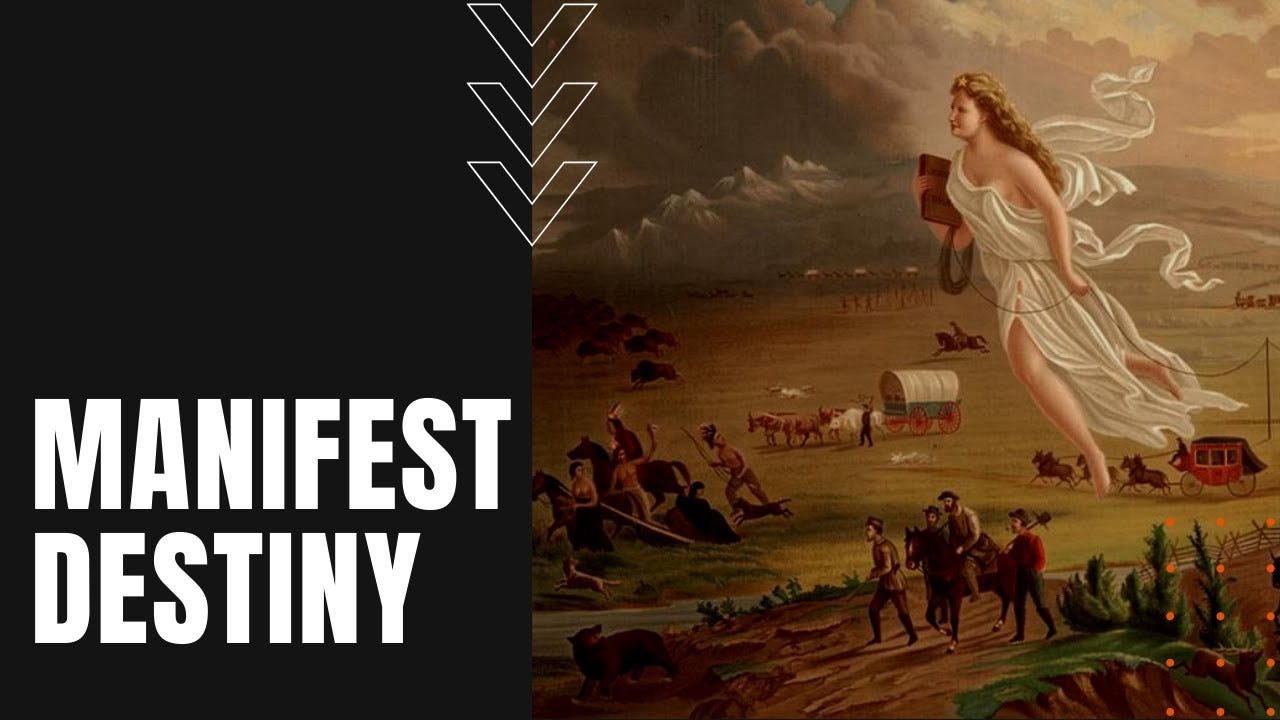
Credit: pastorbhart.medium.com
Activists And Influencers
The story of Manifest Destiny is not just about land or politics; it’s about the people who shaped its course. Activists and influencers played crucial roles in promoting or opposing this idea of expanding the United States across the continent. Their words and actions influenced public opinion and policy, leaving a lasting impact on American history.
John L. O’sullivan
John L. O’Sullivan was a key figure who popularized the term “Manifest Destiny.” As a newspaper editor and writer, he argued that Americans had a divine right to expand westward. His passionate writing stirred excitement and justified expansion as a mission from God.
O’Sullivan’s influence went beyond words. His ideas helped shape government policies and encouraged settlers to move west. Have you ever considered how powerful a single writer’s voice can be in changing a nation’s direction?
Manifest Destiny Supporters
Many politicians, settlers, and businessmen supported Manifest Destiny because they saw opportunities for growth and wealth. Presidents like James K. Polk aggressively pursued expansion policies, including the annexation of Texas and the Oregon Territory. Settlers were drawn by the promise of land and a fresh start.
- Politicians pushed for legislation to acquire new territories.
- Farmers and miners moved west searching for prosperity.
- Business leaders saw new markets and resources.
Supporters believed expansion would strengthen the country economically and politically. But have you thought about the costs that came with these ambitions?
Opponents Of Expansion
Not everyone agreed with Manifest Destiny. Some feared that expansion would lead to conflict, especially over the issue of slavery in new territories. Abolitionists and Native American groups strongly opposed the movement, seeing it as a threat to freedom and their lands.
Many critics warned that pushing too far west could spark wars with Mexico and Indigenous nations. Their concerns highlight the complex consequences of unchecked ambition. What lessons can you draw from the voices that challenge popular ideas?
Native American Leaders
Native American leaders played a crucial role during the era of Manifest Destiny. They stood firm against the loss of their lands and fought to protect their people and culture. These leaders united tribes, negotiated with settlers, and led resistance efforts. Their courage and wisdom left a lasting impact on American history.
Tecumseh
Tecumseh was a Shawnee chief known for his strong leadership. He worked to unite Native American tribes against settlers. Tecumseh believed that all tribes should join to defend their land. His vision was a powerful Native confederacy. He fought in battles to stop the expansion of settlers. Tecumseh’s efforts inspired many Native Americans to resist.
Chief Joseph
Chief Joseph led the Nez Perce tribe with great care and wisdom. He tried to avoid war by seeking peace with the U.S. government. When forced to leave their land, Chief Joseph led a long, difficult retreat. He hoped to reach safety in Canada. His speech “I will fight no more forever” showed his desire for peace. Chief Joseph remains a symbol of courage and dignity.
Sitting Bull
Sitting Bull was a famous leader of the Lakota Sioux. He resisted U.S. government efforts to take Native lands. Sitting Bull united many tribes to fight in the Battle of Little Bighorn. This battle was a rare Native American victory. He was also a spiritual leader who inspired his people. Sitting Bull’s strength and vision made him a lasting hero.

Credit: thestoryexchange.org
Frequently Asked Questions
Who Were The Key Figures In Manifest Destiny?
Key figures included President James K. Polk, expansionists, settlers, and Native American leaders. Polk strongly supported territorial expansion. Settlers moved west seeking land. Native Americans were often displaced during this period.
Which Groups Supported Manifest Destiny The Most?
Supporters were mainly American settlers, politicians, and land speculators. They believed in expanding U. S. territory from coast to coast. Many wanted economic opportunities and national growth.
How Did Native Americans Participate In Manifest Destiny?
Native Americans were mostly affected rather than active participants. They faced forced relocation, conflict, and loss of land. Their resistance shaped parts of the expansion era.
What Role Did The U.s. Government Play?
The government promoted expansion through laws, treaties, and military action. It negotiated land deals like the Louisiana Purchase and Mexican Cession. Federal policies encouraged settlement and infrastructure.
Conclusion
Many groups played key roles in Manifest Destiny’s story. Settlers, politicians, and Native Americans shaped the events. The government pushed for land expansion and new opportunities. At the same time, different cultures met and clashed. This period changed the country’s map and future.
Understanding who was involved helps us see the full picture. Manifest Destiny was a complex and important part of history.

Similar Posts