Who Wrote Communist Manifesto: Unveiling the Revolutionary Minds

Have you ever wondered who wrote the Communist Manifesto and why it still sparks so much debate today? Understanding the minds behind this powerful text can change the way you see history, politics, and even your own society.
You’ll uncover the story of the two men who shaped one of the most influential documents ever written. Keep reading, and you’ll discover not just names, but the ideas that continue to impact the world around you.
Origins Of The Communist Manifesto
The origins of the Communist Manifesto trace back to a time of great social and economic upheaval. This influential document emerged from the minds of two thinkers who shared a vision for change. Understanding where and how it was written helps you grasp its powerful message and lasting impact.
Background Of The Authors
Karl Marx and Friedrich Engels co-wrote the Communist Manifesto in 1848. Both were deeply involved in political activism and keen observers of the industrial revolution’s effects on society. Marx focused on philosophy and economics, while Engels brought firsthand experience of working-class struggles.
Their partnership combined theory and practical knowledge. Engels’ family owned factories, giving him insight into workers’ conditions. Marx’s writings explored the mechanics of capitalism. Together, they crafted a document meant to inspire workers worldwide.
Historical Context Of 1848
The year 1848 was marked by revolutions across Europe. People were demanding rights, better working conditions, and political freedoms. This climate of unrest created the perfect backdrop for the Communist Manifesto’s release.
Many were frustrated with the growing inequalities caused by industrial capitalism. The manifesto addressed these issues directly, calling for a united working class to challenge the status quo. This timing helped the document spread rapidly and gain influence.
Purpose Behind Writing The Manifesto
The Communist Manifesto was not just a book; it was a call to action. Marx and Engels wanted to motivate workers to rise up against oppression and inequality. They aimed to provide a clear explanation of class struggles and the need for revolution.
Have you ever wondered how a short pamphlet could ignite such global movements? The authors kept their language simple and direct, making it accessible to many. This approach helped their ideas resonate beyond academic circles and into everyday lives.
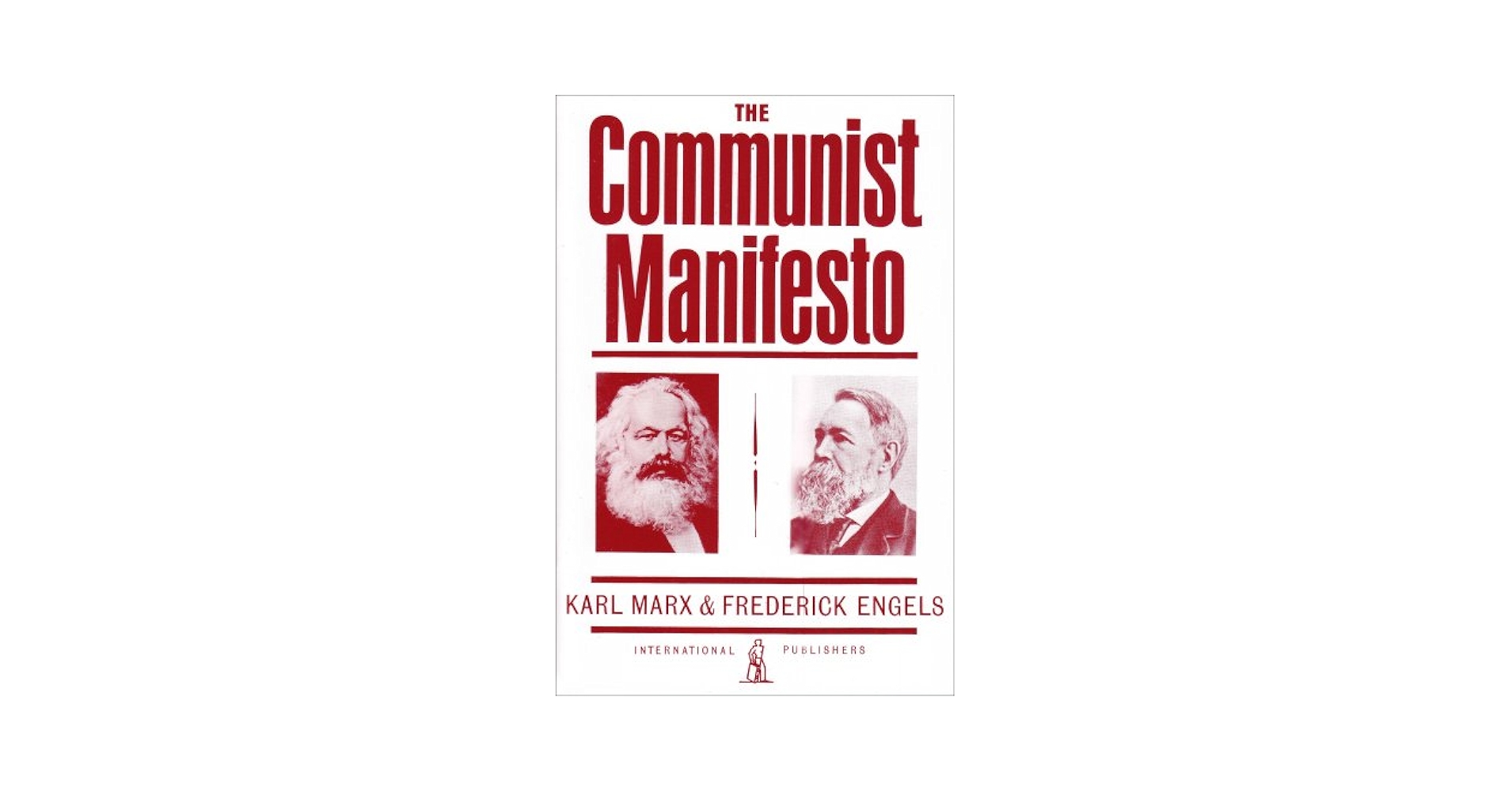
Credit: www.amazon.com
Karl Marx: The Philosophical Architect
Karl Marx: The Philosophical Architectstands as a towering figure behind the Communist Manifesto. His ideas did not appear overnight but were shaped by a rich background of experiences and intellectual exploration. Understanding Marx’s roots helps you grasp why his vision challenged the world.
Early Life And Influences
Karl Marx was born in 1818 in Trier, Prussia, into a middle-class family. His early exposure to philosophy came through his university studies, where he encountered the works of Hegel. This German philosopher’s ideas on history and society deeply influenced Marx’s thinking.
Marx also absorbed lessons from economics and political theory, reading thinkers like Adam Smith and David Ricardo. His friendships and collaborations with radical thinkers, especially Friedrich Engels, sharpened his critique of capitalism. You might wonder how much your environment shapes your beliefs—Marx’s life shows it plays a huge role.
Marx’s Vision Of Society
Marx saw society as a battleground between classes—the capitalists who own production and the workers who sell their labor. He believed this struggle would eventually lead to a classless society where resources are shared equally. His vision was not just theoretical; it aimed to inspire real change.
He described capitalism as a system that creates inequality and exploitation. Marx’s call to action was clear: recognize these injustices and work towards a society that values cooperation over competition. What would your world look like if economic power was truly shared?
Friedrich Engels: The Co-author
Friedrich Engels is often overshadowed by Karl Marx when discussing the Communist Manifesto. Yet, Engels played an equally important role in shaping its ideas and writing. Understanding his background and partnership with Marx gives you a clearer picture of how this influential work came to be.
Engels’ Background And Ideals
Engels came from a wealthy family involved in the textile industry. This firsthand experience with factory conditions opened his eyes to workers’ struggles. He was deeply committed to improving the lives of the working class, which shaped his political beliefs.
Unlike many theorists of his time, Engels combined practical business knowledge with radical ideas. This gave him a unique perspective on capitalism’s flaws and workers’ exploitation.
Have you ever considered how personal experiences shape your views on social issues? Engels’ background shows how important this connection can be in forming strong, actionable ideas.
Collaboration With Marx
Engels and Marx met in the 1840s and quickly formed a strong intellectual partnership. They shared the belief that capitalism created inequality and that a worker-led revolution was necessary. Engels supported Marx financially, enabling Marx to focus on his writing.
Their collaboration was more than just financial help. Engels co-wrote the Communist Manifesto and contributed key concepts. His clear writing style complemented Marx’s complex theories, making their ideas more accessible.
Think about your own collaborations. How can combining different strengths make your projects stronger? Engels and Marx’s teamwork teaches that blending skills and ideas can lead to powerful outcomes.
The Historical Context
The Communist Manifesto did not emerge in a vacuum. Its creation was deeply influenced by the turbulent times of the 19th century. Understanding the historical context helps you see why Karl Marx and Friedrich Engels wrote it and what they hoped to change.
Industrial Revolution Impact
The Industrial Revolution transformed societies rapidly. Factories replaced farms as centers of work, and machines took over many manual jobs. You might recognize this shift as the start of urbanization, where millions moved to cities seeking factory work.
But the change came with harsh realities. Workers faced long hours, low wages, and unsafe conditions. These struggles sparked questions about fairness and power in the workplace, issues Marx and Engels wanted to address.
Think about your own work environment. Are there moments when you feel the system favors some over others? The problems back then still echo today, which makes understanding this history relevant.
Political Climate Of 19th Century Europe
The 19th century saw many political upheavals. Monarchies and empires ruled most of Europe, but ideas about democracy and equality were growing. Revolutions in 1848 challenged old powers, demanding rights for workers and peasants.
This unstable political environment created a fertile ground for new ideas. Marx and Engels wrote the Communist Manifesto as a call to action, urging the working class to unite against exploitation. Their message was radical then—and still sparks debate now.
Ask yourself: How do political systems today support or suppress the voices of ordinary people? Understanding this past helps you see the roots of ongoing struggles for justice and equality.
Manifesto’s Core Principles
The Communist Manifesto lays out clear ideas about society and change. It explains how society works and why change is needed. These core principles help us understand the document’s message and goals.
Class Struggle And Revolution
The Manifesto shows history as a fight between social classes. It says society is split into two main groups: the bourgeoisie and the proletariat. The bourgeoisie own factories and land. The proletariat are workers who sell their labor. This struggle creates tension and conflict.
The Manifesto predicts that this conflict will lead to a revolution. The workers will rise up to take power from the owners. The goal is to create a classless society where everyone shares resources equally.
Theory Of Communism
Communism aims to end private property and class divisions. It wants to create a society where goods and wealth belong to all people. The Manifesto promotes the idea of collective ownership. It believes this will stop exploitation and unfairness.
The theory supports a planned economy. This means production and resources are controlled by the community. It hopes to meet everyone’s needs instead of making profits for a few.

Credit: www.amazon.com
Publication And Reception
The publication and reception of the Communist Manifesto mark a pivotal moment in political history. Understanding how it was initially released and the impact it had globally can give you insight into its enduring significance. This section explores the manifesto’s journey from a printed pamphlet to a worldwide ideological force.
Initial Release
The Communist Manifesto was first published in February 1848 by Karl Marx and Friedrich Engels. It appeared as a short pamphlet, commissioned by the Communist League, a group advocating for workers’ rights. Despite its modest size, it was a bold call to action, urging the proletariat to unite against the bourgeoisie.
At the time, the manifesto’s ideas were considered radical and even dangerous. Authorities in several European countries banned it, fearing it could incite revolution. Yet, the pamphlet quickly spread through underground networks and worker circles, gaining traction among those dissatisfied with the status quo.
Global Influence
The Communist Manifesto’s influence grew far beyond Europe. It inspired labor movements and socialist parties worldwide, becoming a foundational text for leftist ideologies. Do you realize how a single pamphlet shaped the politics of multiple nations over decades?
Its ideas informed key historical events, including the Russian Revolution of 1917 and various anti-colonial struggles. Even today, the manifesto’s critique of capitalism sparks debates about economic inequality and social justice. For anyone interested in social change, exploring its impact reveals how ideas can drive action on a global scale.
Legacy Of The Manifesto
The Communist Manifesto, written by Karl Marx and Friedrich Engels, has left a lasting mark on history. Its ideas shaped political systems and debates worldwide. The manifesto’s legacy continues to influence many areas of society and thought.
Impact On Modern Political Thought
The manifesto introduced key ideas about class struggle and capitalism. It inspired many political movements and parties. Concepts like socialism and communism gained popularity through its message. Leaders and activists around the world used its ideas to seek change. It also sparked discussions about workers’ rights and social equality. Many political theories today still reflect its influence.
Critiques And Controversies
Some critics argue the manifesto oversimplifies complex social issues. Others believe its vision of communism led to authoritarian regimes. Debates continue about its practical effects versus its ideals. Some see it as a call for justice; others view it as a source of conflict. The manifesto remains a topic of strong opinions and debate worldwide.
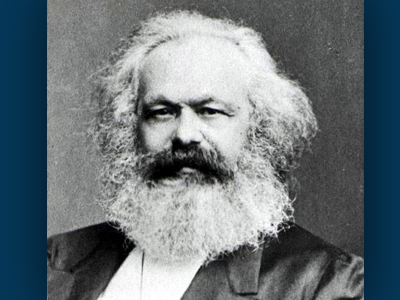
Credit: israeled.org
The Minds Behind The Revolution
The Communist Manifesto did not emerge from a single mind. It was the product of two brilliant thinkers who shaped a new political ideology. Their collaboration changed how people viewed society, class, and power. Understanding their partnership helps us grasp the manifesto’s deep impact.
Ideological Synergy
Karl Marx and Friedrich Engels combined their ideas to create the manifesto. Marx focused on economic theory and class struggle. Engels added his knowledge of history and social conditions. Together, they critiqued capitalism and envisioned a classless society.
Their different backgrounds enriched the work. Marx was a philosopher and economist. Engels was a businessman and writer. This mix gave the manifesto both strong theory and real-world insight.
Enduring Influence Of Marx And Engels
Their writings continue to influence politics and economics worldwide. Ideas from the manifesto inspired many social movements and governments. Marx and Engels’ work challenges inequality and calls for workers’ rights.
Today, their thoughts still spark debates and inspire change. Their legacy shapes discussions about justice, fairness, and society’s future.
Frequently Asked Questions
Who Wrote The Communist Manifesto?
The Communist Manifesto was written by Karl Marx and Friedrich Engels. They co-authored it in 1848 to outline communist theory.
When Was The Communist Manifesto Published?
The Communist Manifesto was first published in February 1848. It was created to support the communist league’s political goals.
What Is The Main Purpose Of The Communist Manifesto?
The Manifesto aims to explain class struggles and promote proletarian revolution. It calls for overthrowing capitalist systems worldwide.
How Did Marx And Engels Collaborate On The Manifesto?
Marx wrote most of the text, while Engels provided support and ideas. Together, they shaped the manifesto’s core arguments.
Conclusion
Karl Marx and Friedrich Engels wrote the Communist Manifesto. They shared ideas about class struggle and society. The document shaped many political movements worldwide. It remains important for understanding socialism and communism today. Knowing its authors helps us grasp its message better.
The Communist Manifesto still sparks debates and discussions. Its impact lasts through history and modern times. Understanding who wrote it clears up common questions. This knowledge adds value to your learning journey.

Similar Posts