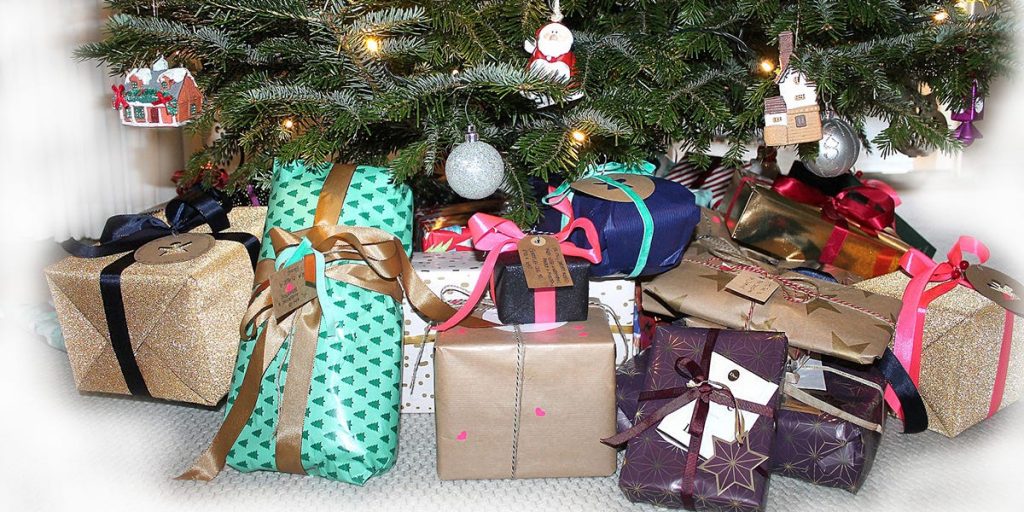
Have you ever wondered why giving gifts on Christmas feels so special? It’s more than just a tradition—it’s a way to show love, create joy, and connect with the people who matter most to you.
Gifts hold a deeper meaning that goes beyond the wrapping paper and ribbons. You’ll discover the surprising reasons behind this festive habit and how it can make your holiday season even more meaningful. Keep reading to uncover the magic that makes Christmas gifts truly unforgettable.

Credit: hisunmeasuredgrace.com
Origins Of Christmas Gift-giving
Gift-giving at Christmas is a tradition that carries deep historical roots. Understanding where this practice began can change how you view the exchange of presents during the holidays. It’s more than just a festive activity—it’s a link to ancient customs and meaningful stories that have shaped our celebrations.
Ancient Winter Celebrations
Long before Christmas was celebrated, many cultures marked the winter season with gift exchanges. These gifts symbolized hope and renewal during the darkest days of the year. For example, the Romans celebrated Saturnalia, a festival where they gave small presents to friends and family.
This tradition showed appreciation and brought warmth during cold months. Have you ever thought about how your holiday gifts connect to these ancient acts of kindness?
Religious Influences
Christianity added new layers of meaning to gift-giving around Christmas. The birth of Jesus became a moment to honor generosity and love. Early Christians started exchanging gifts as a way to celebrate the spirit of giving that Jesus represented.
This practice grew alongside church teachings, encouraging people to share with those in need. How might your gift choices reflect the values behind this tradition?
The Three Wise Men And Gifts
The story of the Three Wise Men is central to Christmas gift-giving. They brought gold, frankincense, and myrrh to baby Jesus, symbolizing respect and honor. These gifts are often seen as the first Christmas presents.
This narrative influences how you think about the meaning behind the gifts you give. What message do your gifts send to those you care about?
Evolution Of Gift Traditions
The tradition of giving gifts at Christmas has changed a lot over time. It started with simple acts of kindness and grew into a major part of holiday celebrations. Understanding this evolution helps us see why gift-giving is so important today.
Gift-giving customs reflect the culture and values of each period. These changes show how people express care and joy during the festive season. Let’s explore how these traditions developed.
Medieval Practices
In medieval times, gifts were often given by the wealthy to the poor. This was a way to show generosity and goodwill. Nobles exchanged small tokens during feasts and celebrations. Gifts included food, coins, or handmade items. These acts symbolized charity and kindness during Christmas.
Victorian Era Customs
The Victorian era shaped many modern Christmas traditions. Gift-giving became more formal and widespread. People started giving wrapped presents, often with ribbons and paper. Children received toys and sweets as popular gifts. The era also introduced Christmas cards, adding a personal touch to gift exchanges.
Modern Gift-giving Trends
Today, gifts are more varied and commercialized. Technology and online shopping changed how people buy presents. Many choose personalized or practical gifts to suit recipients. Experiences like trips or events also became popular gifts. Despite changes, the spirit of sharing and caring remains strong.
Cultural Variations In Gift-giving
Gift-giving during Christmas varies widely across cultures. Each culture adds its own meaning and customs to this tradition. These differences make Christmas celebrations unique and interesting around the world.
European Traditions
In many European countries, gifts come on different days. For example, in Spain and Italy, children receive gifts on January 6, called Epiphany. In Germany, gifts are often opened on Christmas Eve. Many Europeans also include small treats like chocolates and nuts with gifts. The focus is often on family gatherings and simple, heartfelt presents.
North American Practices
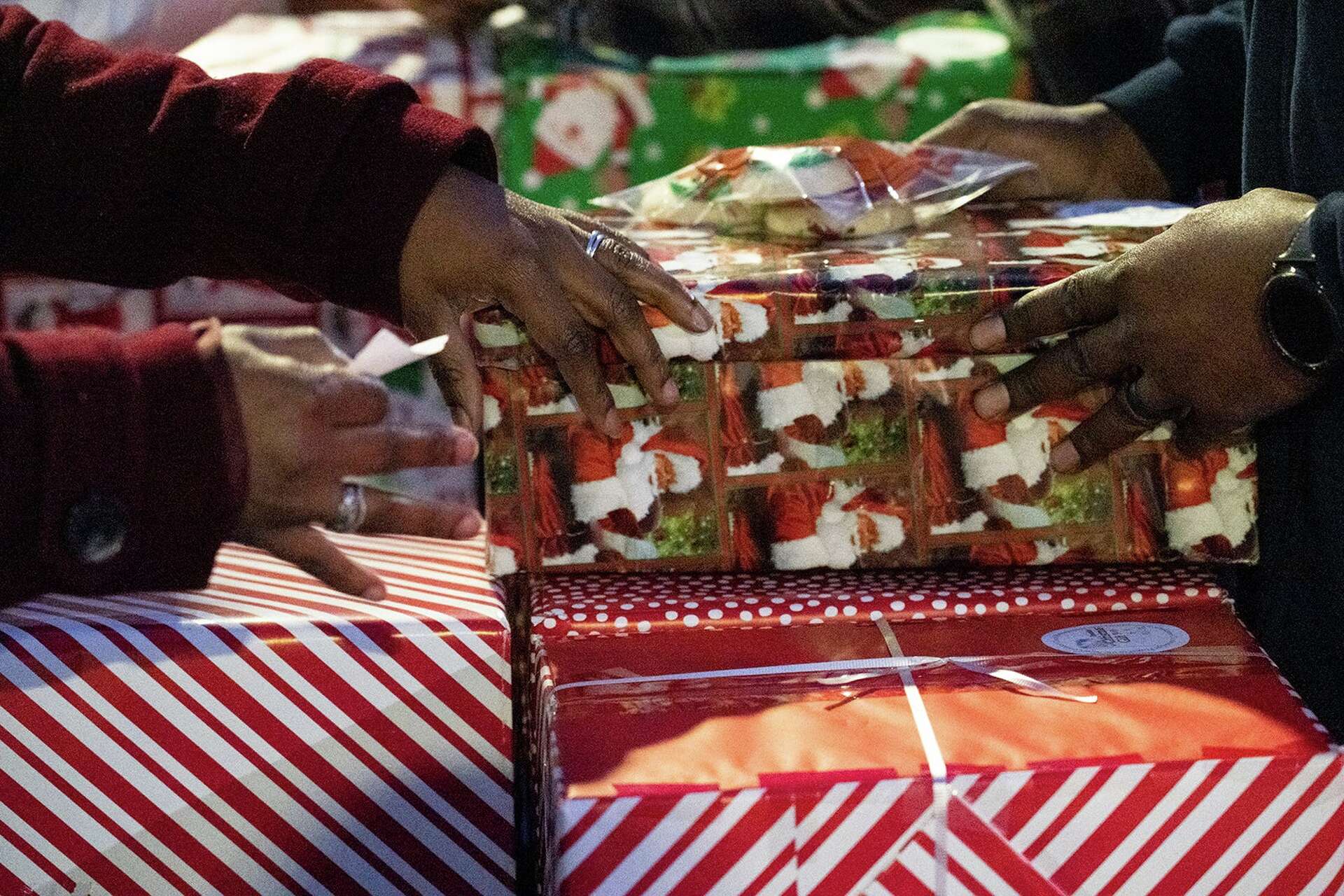
In North America, gift-giving is a big part of Christmas Day. People often exchange gifts early in the morning. Santa Claus plays a central role in the tradition. Stockings hung by the fireplace are filled with small gifts. The practice of gift exchanges among friends and coworkers is also common. Wrapping gifts in colorful paper adds to the excitement.
Gift Customs Around The World
Different countries have unique gift-giving customs. In Japan, Christmas is not a national holiday, but gift-giving is growing. In Australia, gifts are often exchanged outdoors during summer. In Russia, gifts arrive on New Year’s Day, given by “Father Frost.” Some countries focus on handmade gifts, while others prefer store-bought items. These customs reflect local culture and climate.
Credit: www.statesman.com
Symbolism Behind Christmas Gifts
Gifts during Christmas carry more meaning than just the item exchanged. They symbolize feelings, traditions, and connections that go beyond the surface. Understanding the symbolism behind Christmas gifts can deepen how you experience this festive time.
Expression Of Love And Gratitude
Giving a gift shows someone you care about them deeply. It’s a simple way to say “thank you” or “I appreciate you.” Think about a time you received a gift that made you feel truly seen—it wasn’t the price, but the thought behind it that mattered.
Your gift becomes a personal message of affection and thanks, strengthening bonds with family and friends.
Spreading Joy And Generosity
Christmas gifts are a way to share happiness with others. When you give, you spread warmth and kindness, creating a ripple effect of goodwill. Have you noticed how giving can sometimes make you feel happier than receiving?
This spirit of generosity is what lights up the holiday season and brings communities closer together.
Reflecting Personal Connections
Each gift you give reflects your unique relationship with the person. It shows you know their likes, dreams, or needs. Choosing something meaningful requires thought, which can deepen your connection.
Next time you pick a gift, ask yourself what it says about your relationship. Could it spark a conversation or create a lasting memory?
Impact Of Commercialization
Commercialization has deeply shaped the way people celebrate Christmas. The act of giving gifts has grown beyond tradition into a major economic event. This shift influences how people perceive the holiday and their expectations around gift-giving. Understanding this impact helps us see the balance between joy and materialism during the festive season.
Rise Of Retail And Advertising
Retail stores play a huge role in Christmas gift-giving. They create special sales and promotions to attract shoppers. Advertising campaigns start early to build excitement for holiday shopping. These efforts encourage buying more gifts than before. The focus moves from meaningful gifts to quantity and trends.
Consumerism Versus Tradition
Christmas gifts once symbolized love and care. Now, consumerism often overshadows these values. People feel pressure to buy expensive or popular items. This can make the holiday feel stressful and less personal. The true meaning of Christmas can get lost in the rush to spend money.
Balancing Meaning And Materialism
Many try to keep Christmas meaningful despite commercialization. Giving thoughtful gifts can restore the holiday spirit. Simple presents or handmade items carry more emotion and value. Families often focus on time spent together rather than the gifts. Finding this balance helps maintain joy and tradition during Christmas.

Credit: planbee.com
Creative Gift Ideas And Alternatives
Thinking beyond the usual store-bought gifts can make your Christmas present truly memorable. Creative gift ideas and alternatives bring a fresh twist to holiday giving. They focus on thoughtfulness, personal touch, and meaningful experiences that stay with the receiver.
Handmade And Personalized Gifts
Nothing says you care more than a gift made by your own hands or customized just for the person. You might knit a cozy scarf, craft a photo album filled with shared memories, or design a custom mug with a favorite quote. These gifts show effort and thought, making the receiver feel truly special.
Personalized gifts can be as simple as engraving a name on a keychain or as detailed as creating a playlist that matches someone’s taste. Have you ever received something that felt like it was made just for you? That’s the power of personalization.
Experiential Presents
Giving an experience instead of a physical item can create lasting memories. Think about tickets to a concert, a cooking class, or a weekend getaway. These gifts offer moments to cherish and stories to share long after the holiday season ends.
Experiences can also be tailored to interests, such as a pottery workshop for a creative friend or a hiking trip for an outdoor lover. What experience would surprise and delight your loved one this year?
Charity And Giving Back
Sometimes the best gift is one that helps others. Donating to a charity in someone’s name or sponsoring a cause they care about can spread joy beyond your circle. It’s a meaningful way to celebrate the spirit of Christmas.
You might also organize a group gift where everyone contributes to a local shelter or community project. Have you considered how your gift could make a difference in someone else’s life this season?
Frequently Asked Questions
Why Do People Exchange Gifts On Christmas?
People exchange gifts on Christmas to symbolize love and generosity. This tradition reflects the gifts given to baby Jesus by the Wise Men.
What Is The History Behind Christmas Gift-giving?
Christmas gift-giving dates back to ancient times, inspired by religious and cultural customs. It celebrates kindness and the spirit of giving.
How Does Christmas Gift-giving Promote Family Bonding?
Gift-giving strengthens family bonds by showing appreciation and care. It creates joyful moments and fosters a sense of togetherness during the holidays.
Are Christmas Gifts Linked To Religious Significance?
Yes, Christmas gifts symbolize the gifts brought to Jesus. They represent faith, hope, and the joy of sharing blessings with others.
Conclusion
Giving gifts on Christmas shows love and care for others. It helps people feel happy and connected. Gifts remind us of kindness and sharing. This tradition brings families and friends closer every year. Simple presents can make big memories. The joy is not in the price but in the thought.
Christmas gifts keep the spirit of giving alive. Everyone can join in, making the season bright and warm. A small gift can speak louder than words. That’s why gift-giving remains a special part of Christmas.