Why Did the Manifest Destiny Happen: Unveiling Historical Forces
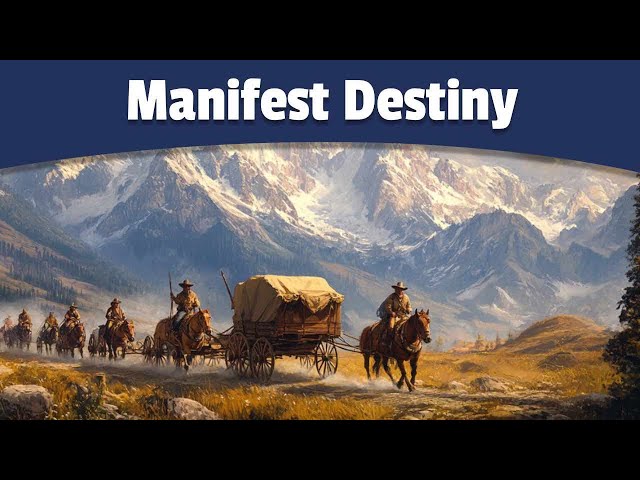
Have you ever wondered why the United States expanded so rapidly across the continent in the 1800s? The idea of Manifest Destiny played a huge role in shaping the country’s history, but what exactly made it happen?
Understanding the reasons behind this powerful movement can change how you see America’s past and its impact on the present. Keep reading, and you’ll discover the surprising forces that drove millions to push westward and claim new lands as their own.
This story is more than just history—it’s about ambition, belief, and the choices that shaped your nation.
Roots Of Manifest Destiny
The roots of Manifest Destiny trace back to several key factors in early American history. This belief in expanding the United States across the continent grew from ideas, politics, and economics. Understanding these roots helps explain why Americans embraced this goal so strongly.
Early American Expansionism
From the country’s start, Americans sought to grow their land. Settlers moved westward for new opportunities. The Louisiana Purchase doubled the nation’s size in 1803. This sparked a desire to explore and claim more territory. Many believed it was their right to spread across the continent.
Political Climate In The 19th Century
In the 1800s, politics pushed expansion forward. Leaders wanted to increase power and influence. The idea of spreading democracy was popular. Americans thought their government system was the best. Expanding the nation seemed like a way to spread freedom and strengthen the country.
Economic Motivations
Economic reasons played a big role in Manifest Destiny. Farmers needed more land to grow crops. Traders wanted new markets to sell goods. The discovery of gold and other resources attracted many. Expansion promised wealth and a better life for many Americans.

Credit: www.instagram.com
Key Influences Shaping The Movement
The movement known as Manifest Destiny was shaped by several powerful influences that pushed Americans to expand westward. Understanding these factors helps you see why the idea caught fire and why so many were willing to take risks to claim new lands. Let’s break down the key forces that fueled this drive and consider how they might resonate with your own sense of purpose or ambition.
Role Of Nationalism
National pride played a huge role in the push for expansion. Many Americans believed their country was destined to spread across the continent, seeing this as a way to prove their nation’s strength and superiority.
This strong sense of identity encouraged people to support policies and actions that expanded U.S. territory. Think about how your own beliefs or loyalties might motivate you to take bold steps—nationalism worked in a similar way to fuel collective action.
Impact Of Technological Advances
Technology made what once seemed impossible, possible. The invention of the telegraph and improvements in transportation like railroads and steamboats connected distant places faster than ever before.
These advances reduced the risks and costs of moving west and made settlers feel more confident about their journey. Have you ever noticed how new tools or technology can suddenly open doors you didn’t expect?
Religious And Cultural Factors
Many believed it was their moral duty to spread their way of life and religion. This belief gave a deeper meaning to the movement, framing expansion as more than just land grabs but as a mission.
This cultural mindset justified actions that might otherwise seem harsh or unfair. When you think about your own values, how do they shape the decisions you make, especially when facing challenges?
Major Events Driving Expansion
The push for expansion during the era of Manifest Destiny wasn’t random. Several key events shaped the path and accelerated the desire to stretch America’s borders westward. Understanding these moments helps you see how history unfolded and why the idea of expanding coast to coast became so powerful.
Louisiana Purchase And Its Impact
The Louisiana Purchase doubled the size of the United States almost overnight. In 1803, the U.S. bought this vast territory from France, adding millions of acres of land. This acquisition opened up new opportunities for settlers and traders, sparking the idea that the nation was meant to grow beyond the original colonies.
Think about how owning this huge area changed the mindset of Americans at the time. It wasn’t just land—it was potential for wealth, adventure, and influence. How would you feel if your country suddenly had twice as much space to explore and settle?
Texas Annexation
Texas was an independent republic before joining the United States in 1845. Its annexation was controversial, partly because it added a large slaveholding territory to the U.S. This move increased tensions with Mexico, which still claimed Texas as its own.
This event pushed the boundaries of American expansion southward. It also made many Americans believe that expanding west and south was inevitable. What do you think motivated people to support such a risky political decision?
Oregon Territory Dispute
The Oregon Territory was claimed by both the U.S. and Britain, creating a diplomatic standoff. Settlers moving westward wanted clear ownership, which led to negotiations. The 1846 treaty settled the boundary at the 49th parallel, giving the U.S. control over present-day Oregon, Washington, and parts of Idaho.
This peaceful resolution showed that expansion didn’t always mean war. It also gave Americans confidence that their vision for a transcontinental nation was achievable. How might your view of expansion change knowing diplomacy played a big role?
Mexican-american War
The Mexican-American War (1846-1848) was a critical moment in fulfilling Manifest Destiny. The U.S. victory resulted in the Treaty of Guadalupe Hidalgo, which added California, Arizona, New Mexico, and other southwestern territories. This massive land gain reshaped the nation’s map.
This conflict forced Americans to confront the realities of expansion—war, politics, and cultural clashes. If you were living then, would you support this war as a necessary step or question the cost of such rapid growth?

Credit: www.instagram.com
Consequences Of Manifest Destiny
The consequences of Manifest Destiny shaped the United States in many ways. It changed the country’s size, its people, and its politics. These changes still affect America today. Understanding these effects helps explain the country’s history and struggles.
Territorial Growth
Manifest Destiny led to a large increase in U.S. land. The country expanded westward beyond the original states. New territories were added through war, purchase, and treaties. This growth created space for farms, towns, and industries. It also set the stage for future states to join the Union.
Impact On Native American Communities
Native American tribes faced severe hardships during this expansion. Many were forced off their lands through government actions. They lost homes, food sources, and cultural sites. Conflicts and battles broke out as settlers moved in. These changes caused lasting damage to Native cultures and populations.
Shifts In Political Power
Adding new lands created debates about slavery and governance. Different regions wanted control over new territories. This struggle affected the balance between free and slave states. It fueled tensions that eventually led to the Civil War. Political parties and leaders changed their views to address these new issues.
Legacy In Modern America
The legacy of Manifest Destiny still shapes many aspects of modern America. It influenced not just the geography but also the culture, values, and political attitudes that persist today. Understanding this legacy helps you see why certain ideas and conflicts remain relevant.
Cultural Reflections
Manifest Destiny left a deep mark on American culture. The idea of expansion fueled a strong sense of optimism and belief in progress. You can see this in the emphasis on individualism and the “American Dream” of opportunity and growth.
However, this legacy also includes difficult truths. The displacement of Native American tribes and the impact on Mexican territories remind us that expansion came at a high human cost. How does this history affect your view of American identity and values?
In modern media and literature, stories about the frontier and the West continue to fascinate people. These narratives often reflect both the hope and the conflict that defined the expansion era. They shape how you and others think about freedom, adventure, and justice.
Lessons From Expansionism
The history of Manifest Destiny teaches important lessons about growth and its consequences. Rapid expansion can bring prosperity, but it can also cause division and conflict. Are there lessons here for how your community or country handles growth today?
You can apply these insights in many areas, from politics to environmental policy. Recognizing the costs of unchecked expansion encourages more thoughtful decision-making. For example, balancing development with respect for native lands and cultures remains a challenge.
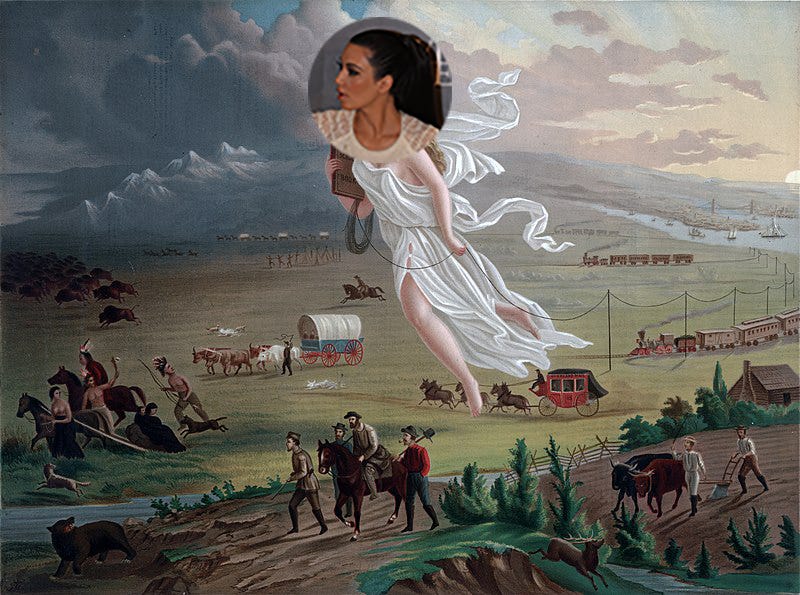
Manifest Destiny also shows the power of ideas in shaping a nation’s path. The belief that the United States was destined to expand shaped policies and attitudes for decades. Reflect on how your own beliefs might influence the future of your community.
Credit: muddyum.net
Frequently Asked Questions
What Was The Main Cause Of Manifest Destiny?
Manifest Destiny was driven by the belief that the U. S. should expand across North America. Economic opportunities, population growth, and national pride fueled this idea. It aimed to spread democracy and capitalism westward, shaping the nation’s borders and culture.
How Did Manifest Destiny Affect Native Americans?
Manifest Destiny led to the displacement and suffering of many Native American tribes. Forced relocations, loss of lands, and violent conflicts were common. This expansion often ignored Native rights and cultures, causing long-lasting negative impacts on indigenous populations.
Why Was Manifest Destiny Important For U.s. Growth?
Manifest Destiny helped the U. S. grow geographically and economically. It opened new lands for farming, mining, and trade. This expansion boosted national unity, increased resources, and established the U. S. as a continental power.
Which Territories Were Gained During Manifest Destiny?
Key territories gained included Texas, Oregon, California, and the Southwest. These acquisitions came through treaties, wars, and purchases. They significantly increased the U. S. landmass and shaped its future development.
Conclusion
Manifest Destiny happened because people wanted land and new chances. Many believed the United States should spread across the continent. They thought this growth was their right and duty. Economic needs, adventure, and the idea of progress pushed them forward.
This belief shaped the nation’s history and future. It caused big changes in culture, politics, and society. The idea still matters when we study American history today. Understanding why it happened helps us see the past clearly. A story of hope, conflict, and growth.

Similar Posts