Why Do People Give Gifts on Christmas: Unwrapping Traditions

Have you ever wondered why giving gifts has become such a big part of Christmas? You might think it’s just a tradition, but there’s more to it than that.
When you give a gift, you’re sharing something special, creating joy, and connecting with the people you care about. Understanding why this happens can make your holiday celebrations even more meaningful. Keep reading, and you’ll discover the surprising reasons behind this beautiful custom—and how it can make your Christmas truly unforgettable.
Origins Of Christmas Gift-giving
The tradition of giving gifts at Christmas has deep roots that stretch far beyond the holiday itself. Understanding where this practice began can change how you see your own gift-giving habits. It’s not just about exchanging presents; it’s about connecting with a history filled with culture, faith, and generosity.
Ancient Winter Festivals
Long before Christmas was celebrated, many cultures marked the winter season with festivals that included gift exchanges. These ancient winter festivals celebrated the return of longer days and the hope of new life. People gave gifts to honor gods, bring good luck, and strengthen community bonds.
For example, the Romans celebrated Saturnalia, a festival where social roles were reversed, and gifts like candles and figurines were common. This festive spirit created a foundation for the idea that giving could bring joy during the darkest time of the year. Have you ever thought about how your own holiday gifts might carry echoes of these old traditions?
Christian Influences
The Christian celebration of Christmas added a new layer of meaning to gift-giving. It commemorates the birth of Jesus Christ, who is often seen as the greatest gift to humanity. Christians began to exchange gifts as a reflection of the gifts brought to Jesus by the Three Wise Men.
This symbolic act reminds you that giving gifts can be an expression of love and faith. It’s not just about the material value but the thought behind the gesture. How might your gift choices reflect what matters most to you?
Role Of Saint Nicholas
Saint Nicholas, a 4th-century bishop known for his generosity, played a crucial role in shaping Christmas gift traditions. Stories of his secret gift-giving to those in need inspired the modern figure of Santa Claus. His actions showed that giving without expecting anything in return could bring true happiness.
Saint Nicholas’ legacy encourages you to think about the impact of your gifts beyond the holiday season. What if your gifts could brighten someone’s life in a meaningful way? This idea remains at the heart of why we give on Christmas today.
Cultural Traditions Around The World
Gift-giving during Christmas is a global custom with deep cultural roots. Different regions have unique ways to celebrate and exchange gifts. These traditions reflect history, beliefs, and community values. Exploring them shows how Christmas unites diverse cultures through a shared spirit of generosity.
European Customs
In Europe, gift-giving varies widely by country. Many celebrate Saint Nicholas Day on December 6th, where children receive small gifts and sweets. In some places, gifts come from Father Christmas or the Christkind, a Christmas angel figure. Families often exchange gifts on Christmas Eve, followed by a festive meal.
Wrapping gifts with colorful paper and ribbons is common. Traditional treats like marzipan, gingerbread, and mulled wine accompany the celebrations. In some countries, people hide gifts for children to find on Christmas morning. These practices highlight warmth and family bonding.
American Practices
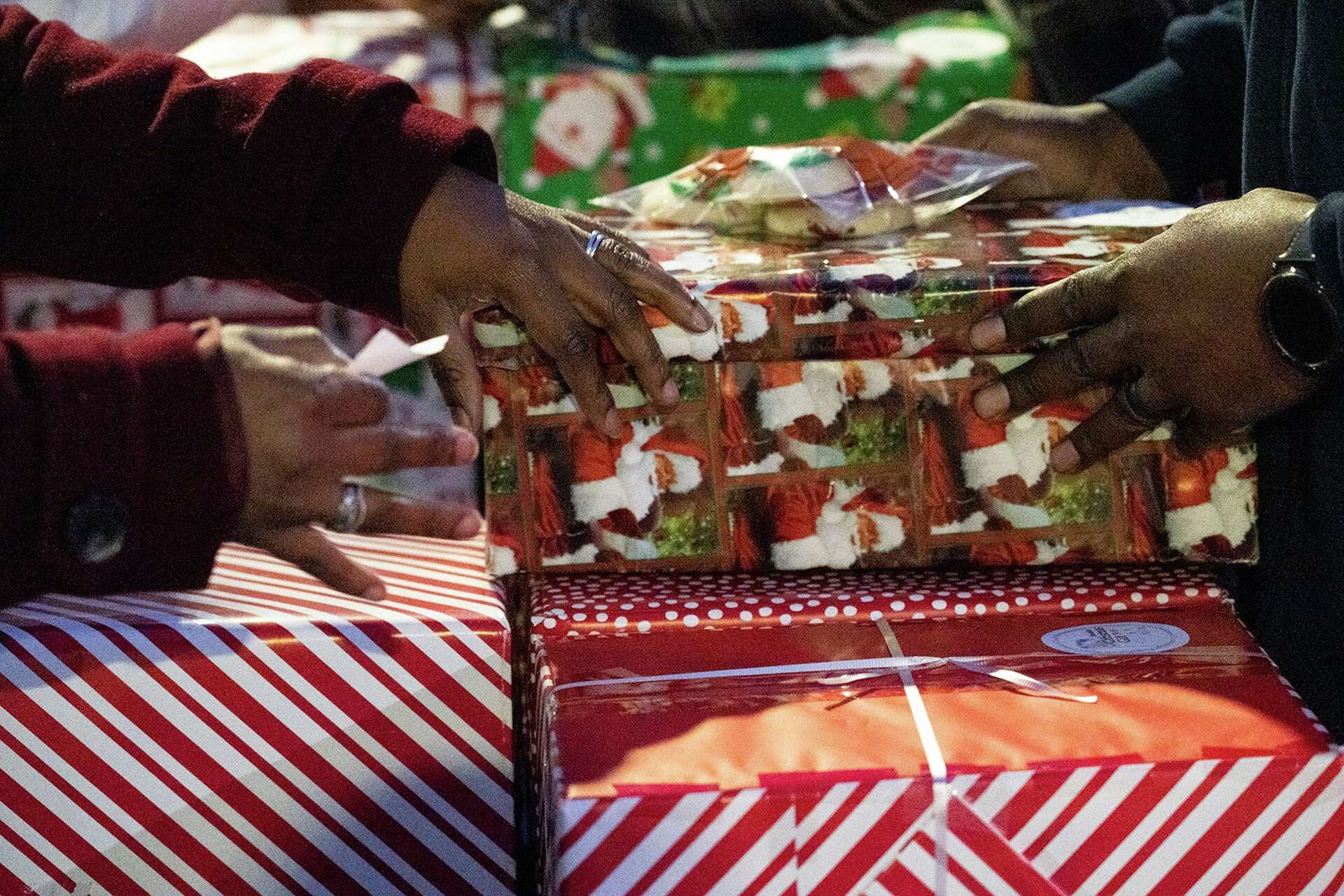
In the United States, Christmas gift-giving is a major tradition. Santa Claus is central, delivering presents on Christmas Eve night. Children leave cookies and milk for Santa. Families gather to open gifts on Christmas morning. This moment is often captured in photos and videos.
Gift exchanges also happen at work and among friends. Secret Santa games add fun to the season. Many people donate gifts or volunteer to help those in need. This generosity reflects the holiday’s spirit of kindness and care.
Asian Adaptations
Christmas is not a traditional holiday in many Asian countries, but it has gained popularity. Gift-giving often blends with local customs. In Japan, people exchange gifts on Christmas Eve rather than Christmas Day. KFC meals are a popular festive treat.
In the Philippines, Christmas is a long celebration with gift exchanges. People decorate homes with colorful lights and parols, star-shaped lanterns. In South Korea, Christmas is a romantic holiday where couples exchange small gifts. These adaptations show how Christmas has taken unique forms across Asia.
Symbolism Behind Gifts
The symbolism behind giving gifts at Christmas runs deeper than just the act itself. Gifts represent more than objects; they carry messages of emotion, intention, and connection. Understanding these symbols can help you appreciate why gift-giving feels so meaningful and rewarding during the holiday season.
Expression Of Love And Gratitude
Gifts are often a way to show love and say “thank you” without words. When you give something thoughtful, it signals care and attention to the recipient’s preferences and needs.
Think about a time you received a gift that perfectly matched your taste. That moment creates an emotional bond that lasts beyond the holiday.
Acts Of Generosity And Kindness
Giving gifts is an act of generosity that spreads kindness. It’s a way to share your resources and make others feel valued and appreciated.
Even small gifts can brighten someone’s day and remind them they’re not alone. You don’t need to spend a lot to make a big impact.
Strengthening Social Bonds
Gift-giving strengthens relationships by creating shared experiences and memories. It encourages a sense of community and belonging, especially during festive times.
Have you noticed how exchanging gifts often sparks conversations and laughter? These moments build trust and deepen connections with family and friends.

Credit: planbee.com
Modern Gift-giving Trends
Modern gift-giving has changed a lot from traditional times. People now choose gifts based on trends, technology, and values. These changes shape how we celebrate Christmas today. Gifts are not just objects but experiences and statements. Understanding these trends helps us see why gift-giving remains important.
Commercialization And Marketing
Christmas has become a major shopping event worldwide. Stores and brands start promotions early to attract buyers. Sales, ads, and special offers push people to buy more gifts. This marketing creates a festive shopping mood. It also makes gift-giving a big part of holiday traditions.
Digital And Experience Gifts
Many people now prefer digital gifts like e-cards and online subscriptions. Experience gifts, such as concerts or travel, are popular too. These gifts create memories instead of adding more stuff. They are easy to buy and share, especially for distant friends and family. Technology has opened new ways to celebrate and gift.
Sustainable And Ethical Choices
More people care about the environment and ethics when gifting. They choose eco-friendly products or handmade items. Giving donations or supporting small businesses is common now. These choices reflect values and reduce waste. Gift-giving becomes a way to show care for the planet and society.
Psychological Benefits Of Giving
Giving gifts during Christmas is more than just a tradition; it offers real psychological benefits that can improve your mental and emotional health. When you give, your brain releases feel-good chemicals like dopamine and oxytocin, which boost your mood and create a sense of connection. Understanding these benefits can encourage you to give more thoughtfully and enjoy the process beyond just the material exchange.
Boosting Happiness And Well-being
Giving gifts triggers a natural high. Your brain reacts by releasing chemicals linked to pleasure and satisfaction, making you feel happier instantly.
Have you noticed how helping others lifts your spirits? Giving acts like a mood booster that can reduce stress and increase your overall well-being.
Try giving something meaningful this Christmas and observe how it brightens your day. Small acts of generosity can lead to lasting happiness.
Enhancing Relationships
Gifts are a way to communicate care and appreciation without words. They can strengthen bonds by showing thoughtfulness and attention to what others value.
When you choose a gift tailored to someone’s interests, it tells them you truly know and value them. This can deepen your connection and trust.
Next time you give, ask yourself: How does this gift express my feelings? This mindset can transform gift-giving into a powerful relationship builder.
Building Community Spirit
Gift-giving helps create a sense of belonging and shared joy in communities. It encourages generosity and kindness among people.
Participating in group gift exchanges or charity donations can strengthen your ties with neighbors and friends. You become part of something bigger than yourself.
Think about how your gifts might inspire others to give too. This ripple effect can build a more compassionate and connected community during the holiday season.
Credit: www.statesman.com

Credit: www.discovermagazine.com
Frequently Asked Questions
Why Do People Give Gifts On Christmas?
People give gifts on Christmas to celebrate generosity and love. It symbolizes the gifts given to baby Jesus by the Wise Men. Gift-giving also strengthens bonds and spreads joy during the festive season.
How Did Christmas Gift-giving Tradition Start?
The tradition began with the story of the Three Wise Men presenting gifts to Jesus. Over time, it evolved into exchanging presents among family and friends as a symbol of goodwill.
What Is The Meaning Behind Christmas Gifts?
Christmas gifts represent love, kindness, and gratitude. They remind people to cherish relationships and share happiness during the holiday season, fostering a spirit of giving and unity.
How Does Gift-giving Impact Christmas Celebrations?
Gift-giving enhances the festive atmosphere by bringing excitement and joy. It encourages generosity and helps express emotions, making Christmas celebrations more meaningful and memorable.
Conclusion
Giving gifts on Christmas shows love and care for others. It helps people feel happy and connected. The tradition comes from old stories and the spirit of sharing. Gifts bring joy, create memories, and strengthen bonds. This simple act spreads kindness and warmth during the holiday season.
Everyone enjoys giving and receiving, making Christmas special for all. So, the gift-giving tradition continues year after year, bringing smiles everywhere.

Similar Posts