Why Do We Give Christmas Gifts: Unwrapping Traditions
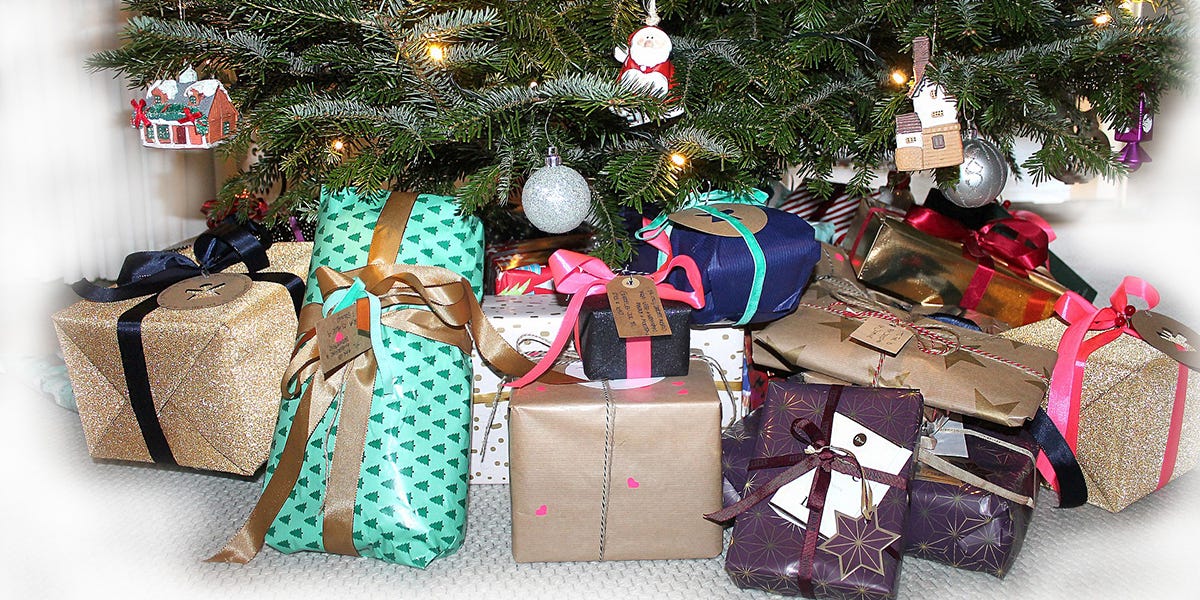
Have you ever wondered why giving gifts at Christmas feels so special? It’s more than just a tradition or a way to celebrate.
When you give a gift, you’re sharing something deeper—love, appreciation, and connection. But where did this idea come from, and why does it make you feel so good inside? Keep reading, and you’ll discover the surprising reasons behind this timeless custom.
Understanding these reasons might even change the way you think about your own gift-giving this holiday season.

Credit: www.facebook.com
Origins Of Gift Giving
Gift giving during Christmas has deep roots that trace back centuries. It blends various cultural and religious practices. Understanding these origins reveals why the tradition is so meaningful today.
Ancient Celebrations
Long ago, many cultures celebrated the winter season with gift exchanges. People gave items to show respect and goodwill. These gifts often symbolized hope for a good year ahead. Festivals like Saturnalia in ancient Rome involved sharing presents. The practice helped build community and spread joy during dark months.
Religious Influences
Christian traditions shaped modern Christmas gift giving. The story of the Three Wise Men bringing gifts to baby Jesus is key. This act inspired the idea of giving to others. Churches encouraged generosity as a way to express faith. Gifts became symbols of love, kindness, and sacrifice.
Pagan Traditions
Before Christianity, many pagan groups celebrated midwinter festivals. These events marked the return of longer days and sunlight. People exchanged gifts to honor nature’s cycles and gods. Decorations like holly and mistletoe also have pagan origins. These customs blended into Christmas celebrations over time.

Credit: planbee.com
Evolution Of Christmas Gifts
The tradition of giving Christmas gifts has shifted and grown over centuries, reflecting changes in culture, economy, and religious beliefs. Understanding this evolution helps you appreciate why gift-giving feels so meaningful today. Let’s look back at key periods that shaped this custom.
Medieval Customs
During medieval times, Christmas gifts were often simple and symbolic. Lords and nobles gave gifts to their servants and peasants as a sign of goodwill and protection.
Common gifts included food, coins, or small handmade items. These gestures reinforced social bonds rather than focusing on extravagance.
Have you ever thought about how gift-giving back then was more about community than material value?
Victorian Era Changes
The Victorian era introduced a big shift in Christmas gift traditions. The rise of the middle class and the Industrial Revolution made goods more available and affordable.
People began to exchange more personalized and decorative presents. This period also popularized Christmas cards and the image of Santa Claus as a gift-bringer.
Think about the last gift you gave—does it reflect more thought or convenience?
Modern Practices
Today, Christmas gifts vary widely, from handmade crafts to high-tech gadgets. Marketing and global trade have expanded choices but also created pressure to spend more.
Many people now focus on experiences, charitable giving, or sustainable presents to add deeper meaning. You can decide how your gifts reflect your values and relationships.
What kind of gift-giver do you want to be this year?
Cultural Variations
Gift-giving during Christmas reflects many cultural stories and beliefs. Different regions celebrate with unique customs. These traditions show how people share joy and kindness in special ways. Understanding these cultural variations helps us see the true meaning behind Christmas gifts worldwide.
European Traditions
In Europe, Christmas gift-giving varies widely. Many countries wait until December 6th, Saint Nicholas Day, to exchange gifts. Others save presents for Christmas Eve or Christmas Day. In some places, children leave shoes out for small treats. Family gatherings often include festive meals and singing carols. Gifts symbolize love and hope during the cold winter season.
American Customs
In the United States, Christmas gifts usually appear on Christmas morning. Families decorate trees and hang stockings. Children believe Santa Claus brings presents down the chimney. Gift exchanges happen among friends, co-workers, and neighbors too. The act of giving focuses on showing care and creating happy memories.
Global Perspectives
Across the world, Christmas gift-giving takes many forms. In Latin America, celebrations include colorful parades and sharing food. In Australia, people enjoy summer barbecues and outdoor fun with gifts. Some Asian countries blend Christmas with local festivals. Despite differences, the spirit of generosity remains the same everywhere.
Symbolism Behind Gifts
Giving gifts at Christmas has deep meanings beyond just the exchange of items. Gifts hold symbolic value that reflects emotions and social ties. They represent feelings that words often cannot fully express. The act of gifting creates moments of connection and warmth among people.
Expressions Of Love
Gifts show care and affection. They tell someone, “You matter to me.” Selecting a present involves thought about the person’s likes and needs. This thoughtful act speaks louder than many spoken words. Gifts become tokens of heartfelt emotions and personal bonds.
Acts Of Generosity
Giving gifts symbolizes kindness and selflessness. It shows a willingness to share without expecting anything back. This generosity spreads joy and hope, especially during the festive season. The spirit of giving encourages us to think beyond ourselves.
Community Bonds
Gift-giving strengthens social connections. It brings families and friends closer together. Sharing gifts creates a sense of belonging and unity. It reminds us that we are part of a larger community. These bonds build trust and support among people.
Impact Of Commercialization
The impact of commercialization on Christmas gift-giving has transformed a once simple tradition into a complex cultural phenomenon. While the spirit of giving remains, the influence of business and marketing tactics has reshaped how and why we exchange gifts. Understanding this impact can help you find a balance between meaningful gestures and commercial pressures.
Rise Of Retail Influence
Retailers have turned Christmas into a crucial sales period, often starting promotions months in advance. Stores compete fiercely to grab your attention with flashy deals and extended shopping hours.
This push makes it easy to feel pressured into buying more than you intended. Have you ever left a store with items you didn’t plan to get, simply because of a sale or display?
Advertising And Media
Advertising floods your daily life with images of perfect gifts and happy families exchanging presents. These messages suggest that the right gift equals love and acceptance.
Media creates expectations that can lead to stress and overspending. Instead of asking what you want to give, you might find yourself asking what you should buy to fit the holiday ideal.
Balancing Meaning And Materialism
You can still keep the true spirit of Christmas alive despite commercial pressures. Focus on what matters most: thoughtfulness, connection, and shared moments.
- Consider handmade or personalized gifts that show you care.
- Set a budget that feels comfortable and stick to it.
- Communicate openly with family about gift expectations to reduce stress.
What if your gift could create more joy through meaning rather than price? Reflect on your own giving habits and see if they truly reflect your values this season.
Credit: www.statesman.com
Gift Giving Etiquette
Gift giving etiquette shapes how we express care and respect during the holiday season. It’s not just about the item but the thought, effort, and presentation that make the gesture meaningful. Understanding these unwritten rules helps you avoid awkward moments and shows your genuine appreciation.
Choosing The Right Gift
Think about the recipient’s interests and needs rather than what’s trendy or expensive. A well-chosen gift shows you’ve paid attention and value the person. If you’re unsure, subtle questions or observing their daily life can reveal what would truly delight them.
Consider practical gifts that add value or experiences that create memories. Avoid overly personal items unless you’re very close. Giving something useful, like a favorite book, cozy blanket, or gourmet coffee, often hits the right note.
Wrapping And Presentation
Presentation can turn a simple gift into something special. Take time to wrap your gift neatly or use a reusable bag with a thoughtful tag. Small details like ribbons, handmade cards, or natural elements such as pine sprigs can make a big difference.
Have you ever received a gift where the wrapping felt rushed or sloppy? It can lessen the excitement. Showing care in wrapping tells your recipient they matter enough for you to invest time and effort.
Reciprocation And Gratitude
Gift giving is not a transaction but an exchange of kindness. Expecting equal or immediate returns can create pressure and spoil the joy of giving. Instead, focus on the spirit of generosity and the happiness your gift brings.
Always acknowledge gifts you receive with sincere thanks. A quick message or a call can deepen relationships more than the gift itself. How do you express gratitude in your circle, and could it be improved to make others feel truly appreciated?
Personalizing The Tradition
Personalizing the tradition of giving Christmas gifts makes the holiday more meaningful. It shows thought and care beyond just wrapping a present. This approach strengthens bonds and creates lasting memories. Gifts become symbols of love, not just items exchanged.
Handmade Gifts
Handmade gifts show effort and creativity. They reflect the giver’s time and attention. Simple crafts, knitted scarves, or homemade treats feel special. These gifts carry a personal touch no store-bought item can match. They tell a story about the giver and the receiver.
Experiences Over Objects
Choosing experiences instead of things creates shared memories. Tickets to shows, trips, or special dinners bring joy together. These moments last longer than material gifts. They deepen relationships and create stories to tell. Giving experiences also avoids clutter and waste.
Sustainable Choices
Many choose eco-friendly gifts to protect the planet. Sustainable presents include reusable items, organic products, or donations in someone’s name. These choices show care for the environment and future generations. They encourage thoughtful consumption and reduce holiday waste.
Frequently Asked Questions
Why Do People Give Gifts At Christmas?
People give Christmas gifts to express love, gratitude, and joy. It celebrates the spirit of giving and strengthens relationships during the festive season.
What Is The History Of Christmas Gift-giving?
Christmas gift-giving dates back to ancient times. It symbolizes the gifts given to baby Jesus by the Wise Men and reflects generosity and kindness.
How Does Gift-giving Impact Christmas Celebrations?
Gift-giving enhances Christmas joy and creates memorable moments. It fosters connection, happiness, and a sense of community among family and friends.
Why Are Christmas Gifts Important Culturally?
Christmas gifts represent cultural traditions of generosity and goodwill. They reinforce values of sharing and caring in many societies worldwide during the holiday season.
Conclusion
Giving Christmas gifts brings joy and shows we care. It helps us express love without many words. Gifts create happy moments and strong bonds with family and friends. The tradition reminds us to be kind and grateful. It also makes the holiday season more special for everyone.
Sharing gifts is a simple way to spread happiness. This act connects us, making Christmas a time of warmth and joy.

Similar Posts