Why Do We Give Gifts at Christmas: Unveiling Heartwarming Traditions
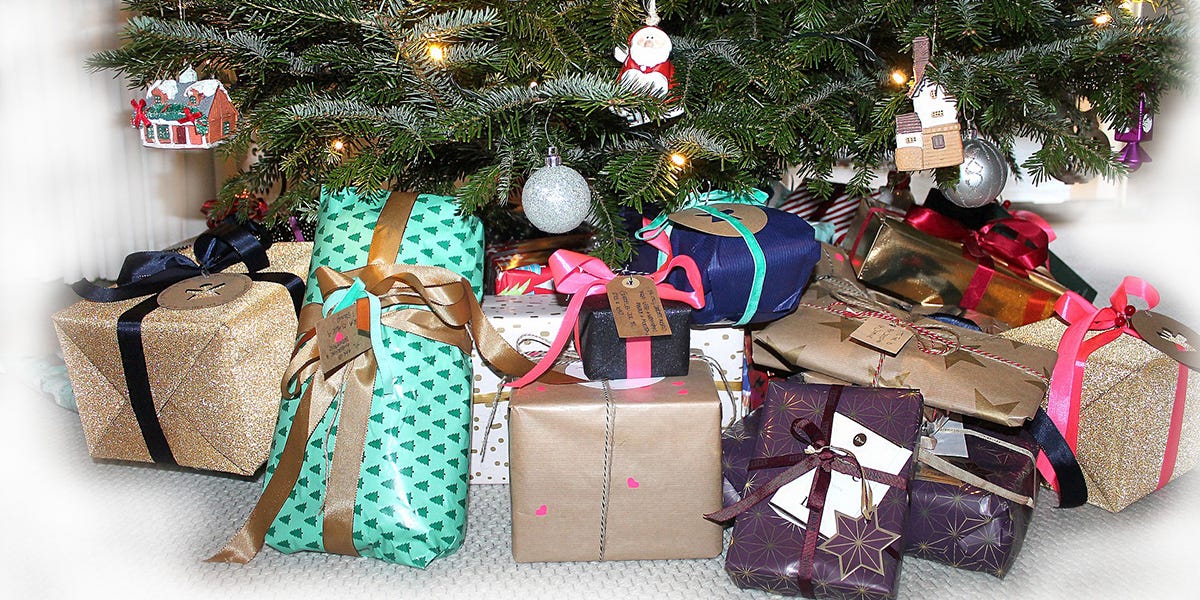
Have you ever wondered why giving gifts at Christmas feels so important? It’s more than just a tradition or a way to celebrate.
When you give a gift, you’re sharing something special—an expression of love, gratitude, or hope. But where did this custom start, and why does it still matter to you today? Keep reading to discover the surprising reasons behind this timeless practice and how understanding them can make your next gift even more meaningful.
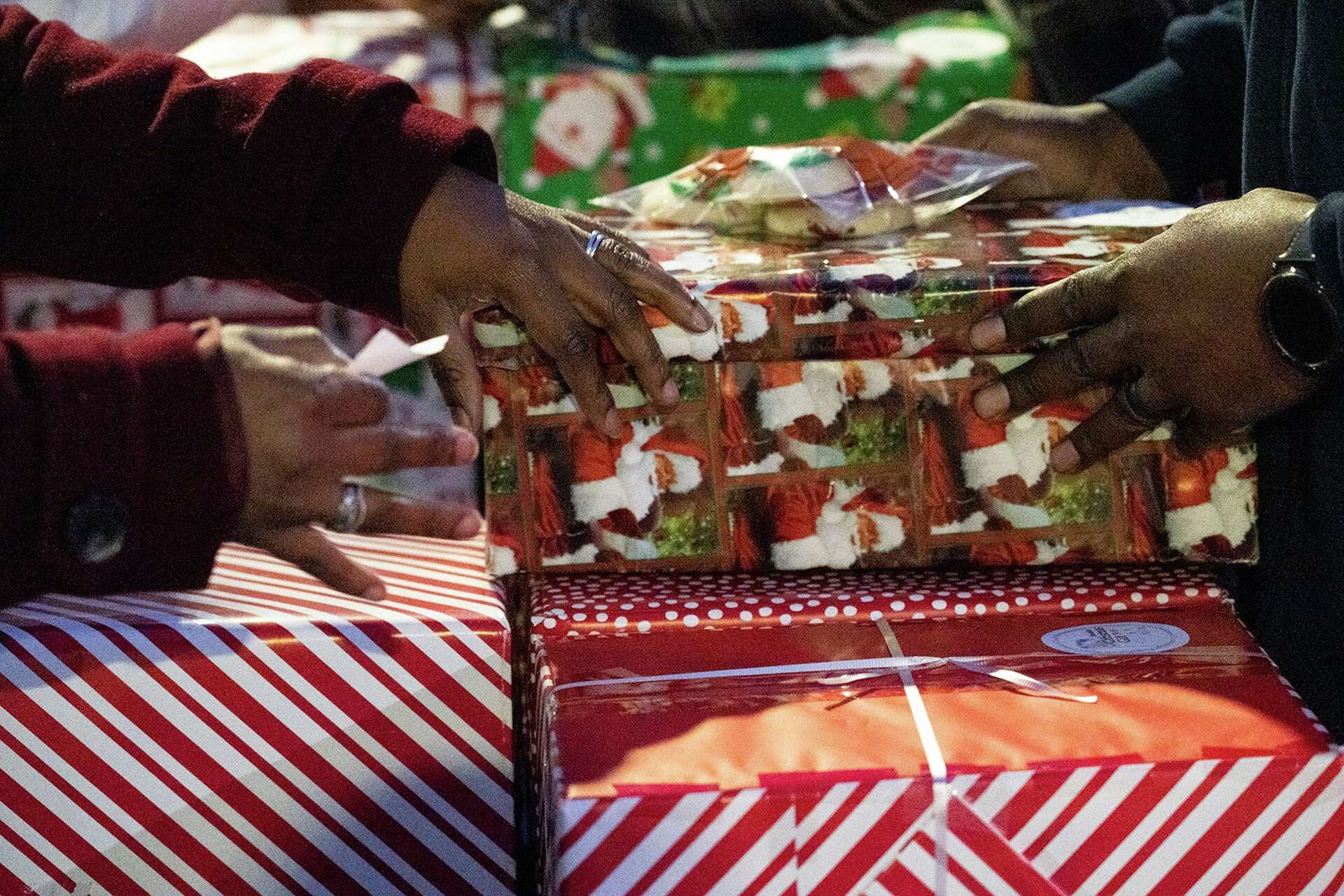
Credit: www.statesman.com
Historical Origins
Understanding the historical origins of gift-giving at Christmas helps you appreciate the tradition beyond the modern hustle. The practice has deep roots that blend different cultures and beliefs. These origins reveal how ancient customs shaped the way you celebrate today.
Pagan Rituals
Long before Christmas became a Christian holiday, many pagan cultures celebrated the winter solstice with gift exchanges. These rituals marked the return of longer days and the promise of new life. Gifts were often symbolic, like evergreen branches or handmade items, meant to bring good luck and protection.
For example, the ancient Romans had the festival of Saturnalia in December, where people gave small presents to friends and family. This festival was lively and full of feasting, much like the Christmas season you know. Thinking about this, do you see how the idea of giving to show goodwill started?
Christian Influences
The Christian tradition added a new layer to gift-giving by linking it to the story of the Three Wise Men. They brought gold, frankincense, and myrrh to baby Jesus, symbolizing honor and respect. This act inspired Christians to give gifts as a reflection of generosity and faith.
Over centuries, this practice grew into the Christmas gift exchanges common today. It’s not just about the presents but also about expressing love and kindness. How do you think your gifts this year reflect these deeper meanings?
Cultural Significance
The cultural significance of giving gifts at Christmas goes beyond simple tradition. It reflects deep human emotions and social connections that have been nurtured over centuries. Understanding these cultural roots helps you appreciate why this practice still holds strong in today’s world.
Expressions Of Love
Gift-giving is one of the clearest ways to show love without words. When you choose a gift, you think about what will make the other person happy or feel appreciated. This act sends a powerful message that you care deeply and pay attention to their likes and needs.
Think about a time when you received a gift that perfectly matched your interests. It likely made you feel understood and valued. How often do you consider what your gift says about your feelings?
Strengthening Bonds
Giving gifts helps to build and maintain relationships. It creates moments of connection that remind everyone involved of their importance to each other. These shared experiences often become lasting memories.
At Christmas, exchanging gifts can bridge gaps caused by distance or time apart. It’s a way to say, “You’re important to me,” even when life gets busy. Can you recall a gift exchange that brought you closer to someone?
Modern Practices
The way people give gifts at Christmas has changed a lot over time. Today, gift-giving blends old traditions with new trends. Modern practices show both the influence of big businesses and a desire for personal meaning. These two sides shape how we celebrate and share joy during the holidays.
Commercialization
Christmas gift-giving has become a major business event. Stores and online shops prepare months in advance. They create sales and promotions to attract buyers. Many people feel pressure to spend more money. Advertising pushes the idea that gifts show love and care.
This focus on buying often shifts attention from the holiday’s original meaning. Gifts sometimes become about quantity, not thoughtfulness. The rush to purchase can cause stress instead of joy. Still, shopping remains a key part of modern Christmas traditions.
Personal Touch
Despite commercialization, many people seek to add a personal touch. Handmade gifts and thoughtful notes grow popular. These gestures show real care beyond the price tag. Personalized presents create stronger connections between friends and family.
People choose gifts that reflect the receiver’s interests and personality. Wrapping gifts with care and adding special messages make moments memorable. The personal touch brings warmth and meaning to the holiday season.

Credit: www.youtube.com
Psychological Benefits
Giving gifts at Christmas offers many psychological benefits. It helps people feel connected and cared for. The act of giving can boost happiness and reduce stress. Both the giver and receiver enjoy positive emotions. This shared experience strengthens bonds and spreads goodwill.
Joy Of Giving
Giving gifts creates a sense of joy and satisfaction. People feel good knowing they made someone happy. This joy comes from generosity and kindness. The brain releases chemicals that improve mood. Giving also builds self-esteem and a sense of purpose. It feels rewarding to share with others.
Receiving Gratitude
Receiving thanks or a smile lifts the giver’s spirits. Gratitude creates a positive loop of kindness. It makes people feel valued and appreciated. This recognition strengthens relationships and trust. Gratitude also encourages more giving in the future. It helps build a caring community.
Global Variations
Christmas gift-giving takes many forms around the world. Each country and culture adds its own touch to this tradition. These global variations reflect history, religion, and local habits. They make the holiday season richer and more exciting for everyone.
Unique Traditions
Many places have special ways of giving gifts at Christmas. In Japan, people exchange gifts on Christmas Eve for fun, not a religious event. In Italy, La Befana, a kind witch, brings gifts on January 6th instead of Santa Claus. In Venezuela, people skate to early church services during Christmas week. These unique customs show how diverse gift-giving can be.
Influence Of Local Customs
Local customs shape how people celebrate Christmas and give gifts. In Germany, Advent calendars count down to Christmas Day. Children place their shoes outside for St. Nicholas to fill. In Mexico, Las Posadas re-enacts Mary and Joseph’s journey, and gifts are shared after the procession. These traditions influence the timing, type, and meaning of gifts in each place.

Credit: www.instagram.com
Future Of Gift-giving
Gift-giving during Christmas has always been a way to express love and appreciation. But as the world changes, so does the way we give gifts. The future of gift-giving is shaped by our growing awareness of environmental impact and the rapid advances in technology.
Sustainable Practices
More people are choosing gifts that do not harm the planet. You can see this in the rise of eco-friendly packaging and handmade items from local artisans. These gifts often carry more meaning because they show thoughtfulness and care for the environment.
Think about giving experiences instead of things. Tickets to a concert, a cooking class, or a weekend getaway create lasting memories without adding waste. Would you prefer a gift that you use once and throw away, or one that brings joy for years?
Simple changes like wrapping gifts in reusable cloth or recycled paper can make a big difference. You might find that friends and family appreciate the effort and join you in these green habits.
Digital Innovations
Technology is changing the way we share gifts. Digital gift cards, online subscriptions, and virtual experiences are becoming popular choices. These options are convenient and reduce the need for physical items.
Virtual reality can even let you share moments with loved ones far away, creating a new kind of gift experience. Imagine attending a virtual holiday party or exploring a new place together without leaving your home.
Are you ready to embrace digital gifts this Christmas? They offer flexibility and often allow you to personalize the gift instantly, making the process easier and more fun for both giver and receiver.
Frequently Asked Questions
Why Do We Exchange Gifts At Christmas?
Gift-giving at Christmas symbolizes love, kindness, and generosity. It reflects the spirit of sharing joy and celebrating togetherness during the holiday season.
What Is The Origin Of Christmas Gift-giving?
Christmas gift-giving traces back to the story of the Three Wise Men who brought gifts to baby Jesus. It evolved into a tradition of expressing goodwill.
How Does Gift-giving Enhance Christmas Celebrations?
Gifts create joy and strengthen bonds among family and friends. They embody thoughtfulness and appreciation, making the holiday more meaningful and memorable.
Are Christmas Gifts Linked To Religious Traditions?
Yes, Christmas gifts represent the gifts given to Jesus by the Wise Men. They also symbolize the Christian value of giving and selflessness.
Conclusion
Giving gifts at Christmas brings people closer and spreads joy. It reminds us to care and share love with others. The tradition started long ago but still feels special today. Gifts show thoughtfulness and create happy memories for everyone. Celebrating with presents keeps the spirit of kindness alive.
This simple act connects hearts and makes the season bright. Everyone enjoys the warmth that giving and receiving gifts brings. Christmas gift-giving is more than just a custom—it’s a way to express love and gratitude.

Similar Posts