Why Do We Give Gifts for Christmas: Uncover the Heartfelt Tradition
Have you ever wondered why giving gifts has become such an important part of Christmas? It’s more than just a tradition or a chance to show off fancy presents.
When you give a gift, something powerful happens—not just for the person receiving it, but for you too. This simple act can spark joy, create lasting memories, and strengthen bonds with the people you care about most. Keep reading, and you’ll discover the surprising reasons behind this festive habit and how it can make your Christmas truly special.

Credit: planbee.com
Origins Of Christmas Gift-giving
The tradition of giving gifts at Christmas has deep and varied origins. It blends ancient customs with religious meanings. Understanding these roots helps us appreciate why gift-giving remains central to Christmas celebrations.
Historical Roots
Gift-giving during winter festivals predates Christianity. Many ancient cultures exchanged gifts to mark the winter solstice. Romans celebrated Saturnalia with presents and feasts. This festival honored Saturn, the god of agriculture.
During Saturnalia, people gave small tokens and sweets. These gifts symbolized goodwill and hope for the new year. The practice spread across Europe and influenced later holiday customs.
Influence Of Religious Traditions
Christianity added new meaning to gift-giving. The story of the Three Wise Men is key. They brought gifts of gold, frankincense, and myrrh to baby Jesus. This act symbolizes respect and love.
Over time, this story inspired Christians to give gifts at Christmas. It became a way to remember the spirit of generosity and kindness. Churches and communities encouraged sharing with the less fortunate during this season.
Cultural Significance Of Gift-giving
Gift-giving during Christmas holds deep cultural importance. It reflects values passed down through generations. Gifts symbolize care, respect, and community spirit. Sharing gifts brings people closer and spreads joy. The tradition goes beyond mere exchange of items. It connects people across different cultures and histories.
Customs Around The World
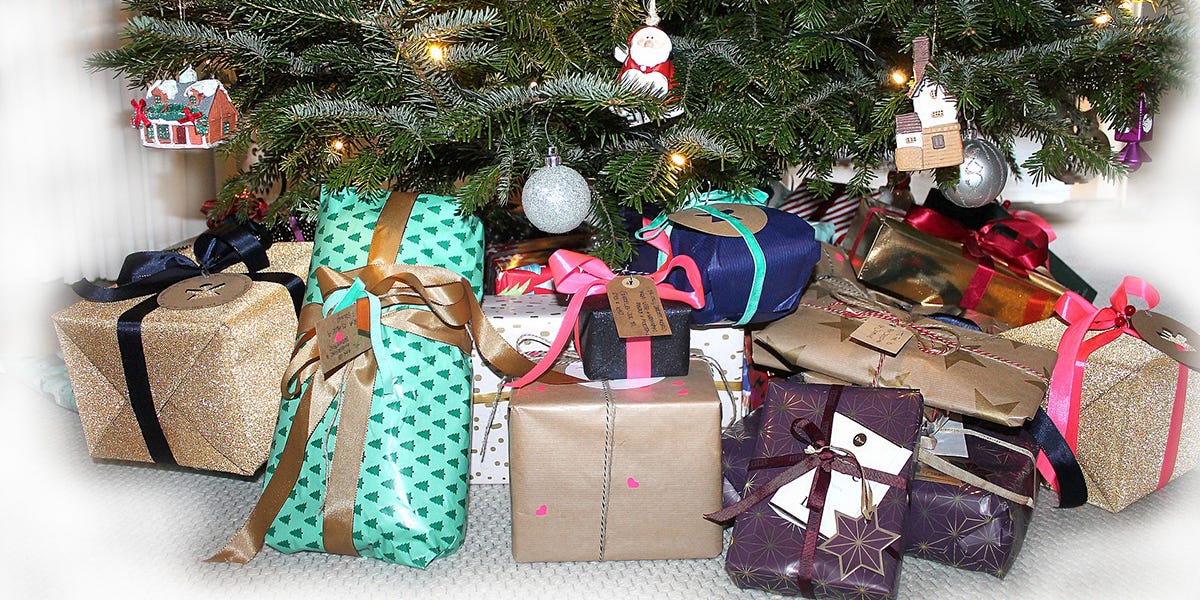
Different countries celebrate gift-giving in unique ways. In the United States, gifts are placed under the Christmas tree. In Italy, children await gifts from La Befana, a kind witch. In Mexico, Las Posadas includes sharing small presents. Japan focuses on exchanging gifts between coworkers and friends. Each culture adds a special touch to the custom.
Symbolism And Meaning
Gifts often carry symbolic meanings during Christmas. They represent love, forgiveness, and hope. Giving shows generosity and kindness. The act of wrapping gifts adds anticipation and excitement. Sometimes, gifts symbolize blessings or good wishes for the new year. This symbolism enriches the holiday experience for many people.
Psychological Impacts Of Giving Gifts
Giving gifts during Christmas isn’t just a tradition; it deeply affects how we feel and connect with others. The act of giving sparks positive emotions and builds bonds that often last beyond the holiday season. Understanding these psychological impacts can help you appreciate the true value behind wrapping that present.
Emotional Connection
Gift-giving creates a special emotional link between you and the recipient. When you choose a gift thoughtfully, it shows you understand and care about the person’s likes and needs. This recognition makes both giver and receiver feel valued and loved.
Think about a time you received a gift that seemed perfect for you. Didn’t it instantly make you feel closer to the person who gave it? That feeling strengthens your relationship and encourages future kindness.
Fostering Generosity
Giving gifts encourages a spirit of generosity that can extend beyond the holidays. When you give, your brain releases dopamine, a chemical that makes you feel happy and rewarded. This natural boost motivates you to continue acts of kindness.
Have you noticed how sharing with others can create a positive cycle? One small gift can inspire more giving, spreading goodwill throughout your community. This is why gift-giving is more than an exchange; it’s a powerful way to nurture generosity in yourself and those around you.

Credit: www.youtube.com
Economic Aspects Of Christmas Gifts
The economic aspects of Christmas gifts play a major role in shaping how we celebrate the season. Gift-giving is not just a personal tradition; it drives significant financial activity that impacts businesses and the broader economy. Understanding these effects can help you see your holiday spending in a new light.
Impact On Retail And Economy
Christmas gift shopping is a peak season for retailers. Stores often earn a large portion of their annual revenue during the holiday period. This surge supports jobs, from sales associates to delivery drivers, boosting local economies.
Your decision to buy a gift from a small, local shop instead of a big chain can directly influence your community’s economic health. It’s a chain reaction: more sales mean more wages, which means more spending power. Have you ever noticed how holiday lights and decorations seem to brighten entire shopping districts? That’s the effect of increased retail activity.
Trends In Holiday Spending
Holiday spending patterns change every year, influenced by factors like the economy, technology, and consumer preferences. Lately, online shopping has grown rapidly, offering convenience and a wider variety of gifts.
People tend to spend more on experiences and personalized gifts now, rather than just material items. This shift affects businesses that cater to those trends, from event planners to custom product makers.
- Did you know that in some years, holiday spending can account for up to 20% of total annual retail sales?
- Many shoppers plan their budgets carefully, using tools like wish lists and price alerts to get the best deals.
- Gift cards and digital gifts are becoming increasingly popular, changing the way money flows during the holidays.
Think about how your own gift choices affect the larger economic picture. Are you supporting sustainable brands or opting for quick, last-minute buys? Your spending habits send a message to the market about what matters most to you.
Modern Interpretations Of Gift-giving
Gift-giving during Christmas has evolved beyond tradition. Today, it reflects deeper values and personal connections. People now focus on making gifts meaningful and responsible, reshaping how we celebrate the holiday.
Personalization And Thoughtfulness
Personalized gifts show you truly understand the person receiving them. Instead of generic presents, people now choose items that reflect the recipient’s interests, hobbies, or memories.
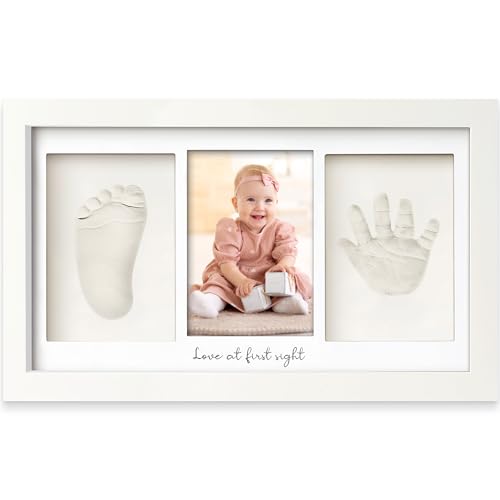
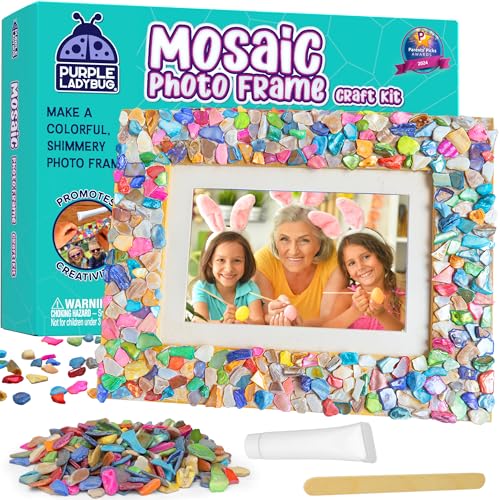
Think about a custom photo album capturing shared moments or a handmade craft that speaks to a loved one’s passion. These thoughtful gifts create stronger bonds and lasting memories.
Have you noticed how a simple, well-chosen gift can mean more than the most expensive one? That’s the power of personalization.
Sustainable And Ethical Choices
Many are now aware of the environmental and social impact of their purchases. This awareness influences gift choices, encouraging sustainable and ethical options.
People prefer gifts made from recycled materials, local artisans, or brands that support fair labor practices. Even experiences like a cooking class or a donation to charity can be a meaningful gift.
Could your next Christmas gift reduce waste or support a cause you care about? Choosing consciously adds value beyond the gift itself.
Maintaining The Tradition
Maintaining the tradition of giving gifts at Christmas connects us to generations before us. It’s more than just exchanging objects; it’s about preserving a shared ritual that brings warmth and joy. Holding on to this tradition helps you feel part of something bigger, a story that stretches beyond your own experience.
Balancing Tradition And Modernity
Keeping the gift-giving tradition alive doesn’t mean ignoring today’s world. You can mix old customs with new ideas to keep things fresh and meaningful. For instance, pairing handmade gifts with tech gadgets shows respect for the past while embracing the present.
Think about your own holiday celebrations. Are you sticking to routines just because they’re familiar, or have you found ways to make them fit your current life? Adjusting traditions can keep them relevant and exciting rather than just something you do out of habit.
Creating Meaningful Experiences
Gifts are most memorable when they create experiences, not just momentary surprises. Instead of focusing on the price or size of a present, consider what it says about your relationship and shared memories. A simple, thoughtful gift can spark conversations and deepen bonds.
Have you ever received something that felt truly personal and made you pause? Those moments stick with you because they show someone understood you. Aim to give gifts that invite connection and tell a story about your relationship.
Credit: www.statesman.com
Frequently Asked Questions
What’s The History Behind Christmas Gift-giving Traditions?
Christmas gift-giving traditions date back to the Magi, who brought gold, frankincense, and myrrh to Jesus. The tradition has evolved over time, influenced by various cultures and customs, emphasizing generosity and love during the festive season.
Why Do People Exchange Gifts During The Christmas Season?
People exchange gifts during Christmas to show love, appreciation, and kindness towards family and friends. It’s a way to strengthen bonds, create lasting memories, and spread joy and happiness throughout the holiday season.
What’s The Significance Of Gift-giving In Christian Tradition?
In Christian tradition, gift-giving symbolizes the Magi’s offerings to Jesus, representing worship, obedience, and devotion. It emphasizes the importance of giving and receiving with a selfless heart, reflecting the spirit of generosity and love embodied by Jesus.
How Did The Idea Of Secret Santa Originate?
The concept of Secret Santa originated in the United States in the late 19th century, emerging as a way to simplify gift-giving during the holiday season. It encouraged people to think creatively and anonymously, adding a fun and exciting element to the gift-giving experience.
Conclusion
Gift giving at Christmas brings joy and shows we care. It connects us with family and friends through thoughtful acts. Sharing gifts keeps old traditions alive and creates new memories. The simple act of giving spreads kindness and happiness. It reminds us to appreciate and value the people around us.
This special custom helps make the holiday season warm and bright. Giving gifts is more than just an exchange; it’s a way to express love. That is why we cherish this timeless tradition every year.

Similar Posts