Why Do We Have Gifts at Christmas: Tradition Unwrapped
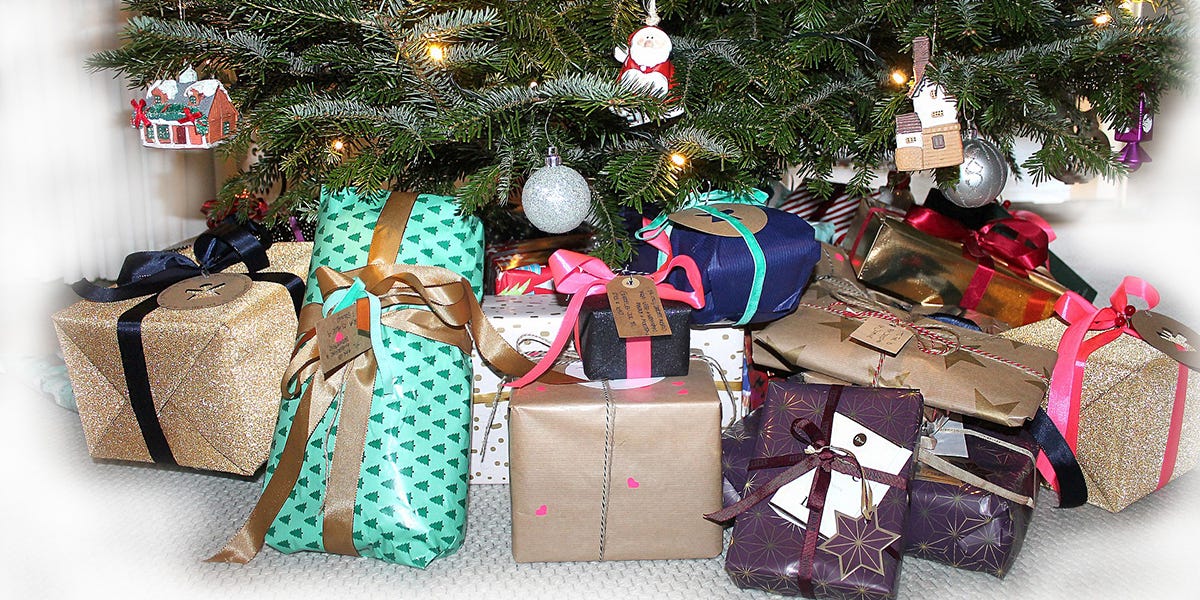
Have you ever wondered why giving gifts is such a big part of Christmas? It’s more than just a tradition—there’s a deeper story behind those wrapped boxes under the tree.
Understanding why we exchange presents can make your holiday season feel even more special and meaningful. Keep reading, and you’ll discover the surprising reasons that will change the way you see Christmas gifts forever.
Credit: www.statesman.com
Origins Of Christmas Gift Giving
Gift giving at Christmas has deep historical roots. Its origins trace back to ancient times and religious traditions. Understanding these origins reveals why gifts play a key role in the holiday.
Ancient Festivals And Gift Exchange
Many ancient cultures celebrated winter festivals with gift exchanges. Romans held Saturnalia, a festival honoring the god Saturn. During this time, people gave small presents to each other. This practice symbolized goodwill and hope for the new year.
Other early societies also exchanged gifts to mark seasonal changes. These acts showed respect, friendship, and shared joy. The idea of giving gifts during cold, dark months spread across many regions.
Biblical Influences On Present Giving
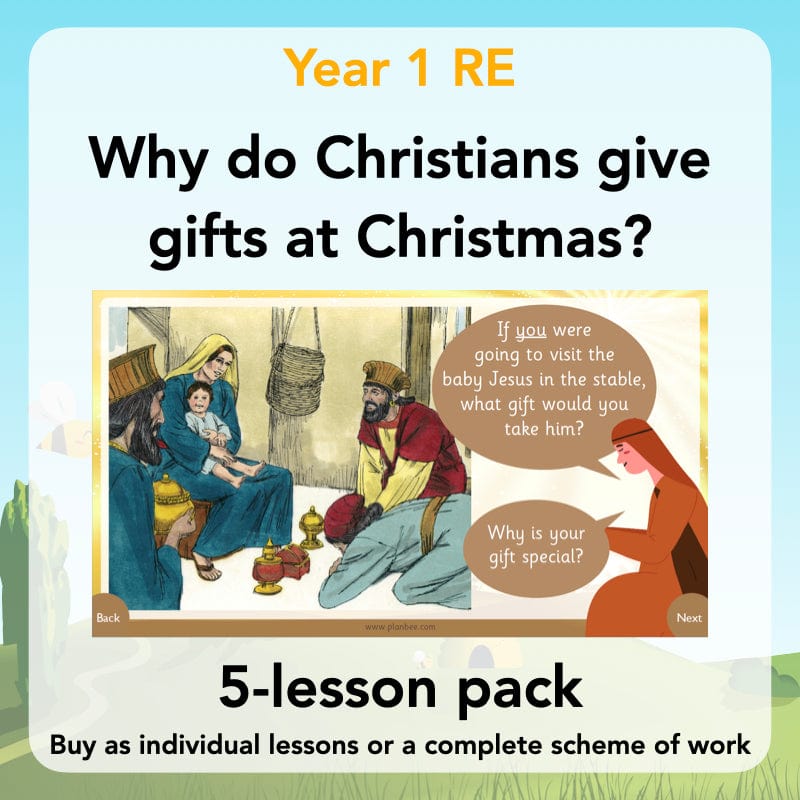
The Bible mentions gift giving as a sign of honor and love. The story of the Magi, or Wise Men, is especially important. They brought gold, frankincense, and myrrh to baby Jesus. These gifts represented respect and celebration of his birth.
This story inspired Christians to give gifts during Christmas. Gifts became a way to reflect the generosity shown in the Nativity story. It helped connect the act of giving with faith and kindness.
Saint Nicholas And His Legacy
Saint Nicholas, a 4th-century bishop, influenced Christmas gift giving greatly. Known for his generosity, he secretly gave gifts to poor children. His deeds became legendary across Europe.
Over time, Saint Nicholas transformed into the figure of Santa Claus. This character embodies the spirit of giving during Christmas. His legacy encourages kindness and sharing joy through presents.
Evolution Of Gift Traditions
The tradition of giving gifts at Christmas has changed a lot over the centuries. Understanding how these customs evolved helps you appreciate why gift-giving feels so natural today. It also shows how culture, religion, and economics have shaped what we expect from the holiday season.
Medieval And Renaissance Practices
During the medieval period, gift-giving was often tied to social status and religious celebrations. Lords and nobles exchanged gifts to show respect and loyalty, while common folk gave simple tokens. Gifts were usually handmade or practical, like food, cloth, or tools.
In the Renaissance, the practice became more elaborate. Gifts started reflecting art and culture, with beautifully crafted items and books becoming popular. This period marked the beginning of Christmas gift-giving as a way to display wealth and generosity.
Victorian Era And Commercialization
The Victorian era introduced many Christmas traditions we still enjoy today. Queen Victoria’s influence made Christmas a family-centered holiday filled with warmth and kindness. This time saw the rise of Christmas cards and the popularization of Santa Claus as a gift-bringer.
At the same time, the Industrial Revolution made goods cheaper and more available. Stores began marketing Christmas gifts more aggressively, making shopping an essential part of the holiday. This shift laid the groundwork for the commercial Christmas we experience now.
Modern Christmas Gift Trends
Today, Christmas gifts range from high-tech gadgets to personalized handmade items. The rise of online shopping means you can send gifts worldwide with just a few clicks. People are also focusing more on experiences rather than just physical presents.
Have you noticed how gift cards and charity donations have become popular alternatives? These trends reflect a shift towards convenience and meaningful giving. How do you choose gifts that truly matter in a world full of options?
Cultural Variations In Gift Giving
Gift giving at Christmas shows rich cultural diversity worldwide. Different countries have unique ways to celebrate and exchange gifts. These traditions reflect local history, religion, and community values.
Understanding these customs helps us appreciate global celebrations better. It also reveals how gift giving brings people closer across cultures.
European Customs
In many European countries, gifts arrive on different days. For example, in Spain and Italy, children wait for gifts on January 6, the Epiphany. This day honors the visit of the Three Wise Men.
In Germany, gifts come from Saint Nicholas on December 6. Families often decorate Advent calendars and light candles. Gifts are smaller and focus on sweets or handmade items.
American Traditions
In the United States, Christmas gift giving centers on December 25. Children hang stockings for small presents. Families often exchange larger gifts in the morning.
Santa Claus is the main figure for delivering gifts. Many households set up Christmas trees and place presents underneath. Holiday sales and shopping also play a big role.
Gift Practices Around The World
- In Japan, Christmas is more about couples giving gifts and sharing meals.
- In Australia, Christmas occurs during summer, so outdoor barbecues and picnics are common.
- In Russia, gifts come on January 7, the Orthodox Christmas Day, often from “Ded Moroz,” the Father Frost.
- In Mexico, the “Posadas” festival includes gift exchanges that celebrate community and faith.

Credit: medium.com
Psychological Reasons Behind Giving Gifts
Gifting during Christmas goes beyond tradition; it taps into deep psychological needs. Understanding why we give gifts can help you make your giving more meaningful and heartfelt. The act of giving triggers emotions and connections that shape your relationships and personal joy.
Expression Of Love And Gratitude
Giving gifts is a powerful way to show love and say thank you without words. When you choose a gift thoughtfully, it reflects how well you know someone and how much you appreciate them. This expression can strengthen your emotional bond and make the recipient feel truly valued.
Think about a time you received a gift that perfectly matched your interests or needs. Didn’t it make you feel special and understood? That’s the impact your gifts can have when driven by genuine feelings.
Social Bonds And Reciprocity
Gift-giving helps maintain social connections and builds trust between people. When you give, it often encourages others to reciprocate, creating a cycle of kindness and mutual support. This exchange isn’t about keeping score but about nurturing relationships over time.
Ask yourself: How do your gifts affect your friendships and family ties? The best gifts often open doors for deeper conversations and shared experiences.
Joy And Anticipation In Giving
The act of giving can be just as rewarding as receiving. Planning and choosing a gift creates a sense of excitement and anticipation that enhances your own happiness. This positive feeling often motivates you to give more thoughtfully.
Have you noticed how your mood lifts when you see someone’s face light up upon receiving your gift? That joy is a powerful reminder of why giving matters so much during the holiday season.
Impact Of Gift Giving On Society
Gift giving during Christmas shapes more than just our personal relationships; it influences society in various ways. It impacts the economy, the environment, and even how people view the meaning behind presents. Understanding these effects can help you make better choices about giving that benefit both your loved ones and the world around you.
Economic Effects During Holidays
The holiday season often leads to a surge in shopping, creating a boost for many businesses. Retailers, small shops, and online stores see increased sales, which helps support jobs and local economies.
However, this rush can also strain budgets and encourage overspending. Have you ever noticed how easy it is to buy things you don’t really need just because of holiday deals?
Balancing generosity with financial wisdom can make your gift giving more meaningful and less stressful.
Environmental Considerations
Wrapping paper, packaging, and shipping all contribute to waste and pollution during the holiday season. Millions of tons of extra trash pile up after Christmas, affecting landfills and natural habitats.
Choosing gifts with less packaging or opting for digital or handmade presents can reduce your environmental footprint. Have you tried giving experiences, like tickets to a concert or a cooking class, instead of physical items?
Small changes in your gift choices can add up to a big difference for the planet.
Shifting Trends Toward Meaningful Gifts
People are moving away from buying gifts just for the sake of it and focusing more on thoughtful, personalized presents. Handmade items, gifts that support causes, or those that create memories are becoming more popular.
This shift encourages you to think about what truly matters to the person receiving the gift. What would make them feel valued rather than just surprised?
Meaningful gifts can strengthen your connections and make the holiday season more special for everyone involved.
Credit: planbee.com
Frequently Asked Questions
Why Do We Exchange Gifts At Christmas?
Gift-giving at Christmas symbolizes generosity and love, reflecting the gifts given to baby Jesus. It fosters joy and strengthens bonds among family and friends during the holiday season.
What Is The Origin Of Christmas Gifts Tradition?
The tradition of Christmas gifts traces back to the Three Wise Men who brought gifts to Jesus. Over time, it evolved into a cultural practice celebrating kindness and gratitude.
How Do Christmas Gifts Enhance Holiday Spirit?
Christmas gifts create excitement and express care. They promote sharing, appreciation, and happiness, enriching the festive atmosphere and making celebrations memorable.
Are Christmas Gifts Linked To Religious Beliefs?
Yes, Christmas gifts are linked to Christianity, representing the Magi’s offerings to Jesus. They also symbolize Christ’s ultimate gift of love and salvation to humanity.
Conclusion
Gift giving at Christmas shows love and care between people. It brings joy and creates happy memories for families and friends. Sharing gifts reminds us of kindness and the spirit of giving. This tradition helps us feel closer to others during the holiday season.
Gifts are not just objects; they carry meaning and warm feelings. Celebrating with presents makes Christmas special and full of happiness. The simple act of giving connects hearts and spreads cheer everywhere.

Similar Posts