Why was Manifest Destiny Important: Unveiling America’s Bold Expansion

Have you ever wondered why the idea of Manifest Destiny played such a big role in shaping America? Understanding this concept is key to seeing how the country grew and changed.
It’s not just history—it’s about how your nation’s borders, culture, and opportunities were formed. Keep reading, and you’ll discover why Manifest Destiny mattered so much and how it still affects your life today.
Origins Of Manifest Destiny
The origins of Manifest Destiny reveal a complex blend of ideals, politics, and culture that shaped a powerful national belief. Understanding these roots helps you see why Americans felt destined to expand their territory across the continent. It wasn’t just about land—it was about identity and purpose.
Early Ideals And Influences
The concept of Manifest Destiny grew from early American ideas about freedom and opportunity. Many believed the United States had a special role to spread democracy and civilization. This belief was influenced by the country’s founding principles and the success of the American Revolution.
Religious faith also played a role. Some people thought it was their divine duty to expand westward. This mix of political freedom and spiritual mission created a strong motivation for expansion.
Political And Cultural Context
During the 1800s, the United States was changing fast. Politicians used Manifest Destiny to justify taking new lands and to unite citizens behind a common goal. You might be surprised how often debates about slavery and power influenced these expansion plans.
Cultural pride pushed the idea too. Many Americans saw their way of life as superior and believed spreading it was necessary. This mindset affected policies and decisions that shaped the nation’s growth.

Credit: aspenjournalism.org
Key Figures And Advocates
Understanding the key figures and advocates of Manifest Destiny helps you grasp why this idea took hold so powerfully in American history. These individuals didn’t just support expansion; they shaped the nation’s direction and mindset. Their voices made Manifest Destiny more than a policy—it became a movement that influenced millions.
Prominent Leaders And Politicians
Leaders like President James K. Polk played a central role in pushing Manifest Destiny forward. Polk’s presidency focused on expanding U.S. territory through the annexation of Texas, the Oregon Territory, and the Mexican Cession.
Other politicians, such as Henry Clay and John C. Calhoun, debated the idea fiercely, showing how Manifest Destiny split opinions even among leaders. Their arguments reveal the political stakes behind westward expansion and how it shaped the nation’s future.
Have you ever thought about how a single president’s vision can alter a country’s borders and destiny? Polk’s firm stance on expansion changed the map of America forever.
Influential Writers And Thinkers
Writers like John L. O’Sullivan coined the term “Manifest Destiny” and spread the idea through newspapers and pamphlets. His writings made the concept accessible and compelling to everyday Americans.
Thinkers and journalists used stories and editorials to convince people that expansion was not just inevitable but a moral duty. They sparked debates about culture, race, and the nation’s future, influencing public opinion deeply.
Consider how powerful words can be in shaping public belief and action. Could your own writing or voice influence important ideas today, just as these advocates did back then?
Territorial Expansion
Territorial expansion was a key driver behind Manifest Destiny, shaping the United States in profound ways. It was more than just gaining land; it was about fulfilling a national vision and altering the country’s economic and political landscape. Each new territory added brought new opportunities and challenges that influenced America’s growth.
Annexation Of Texas
The annexation of Texas in 1845 marked a bold step in America’s territorial growth. Texas had declared independence from Mexico in 1836, and its addition to the U.S. sparked strong debates. This move not only expanded the nation’s borders but also raised important questions about slavery and relations with Mexico.
Have you ever considered how a single state’s entry could shift national politics so dramatically? Texas’s annexation played a crucial role in shaping future conflicts and alliances.
Acquisition Of Oregon Territory
The Oregon Territory stretched from the Pacific Northwest to the northern border of California. The U.S. and Britain both claimed this land, but a peaceful agreement in 1846 settled the boundary along the 49th parallel. This acquisition gave the U.S. access to valuable natural resources and opened up new routes for settlers moving west.
Imagine the impact if this land had gone to Britain instead. How would your life be different if the Pacific Northwest wasn’t part of the U.S. today?
The Mexican-american War
The Mexican-American War (1846-1848) was a direct result of the push for westward expansion. The war ended with the Treaty of Guadalupe Hidalgo, which added vast territories including California, Arizona, and New Mexico to the U.S. This expansion dramatically increased the country’s size and economic potential.
Think about how this war reshaped the map and your daily life—whether it’s the states you’ve visited or the cultural influences you experience. The outcomes of this conflict still affect the nation’s politics and identity.
Economic Impacts
The economic impacts of Manifest Destiny shaped the future of the United States in profound ways. It wasn’t just about expanding land; it was about expanding opportunities for growth and wealth. How did this massive territorial growth change the economy? Let’s look closely at two key areas: agriculture and industrial development.
Agricultural Growth
As new lands opened up, farmers gained access to vast fertile grounds. This meant more crops, more livestock, and a boost in food production. You could see families moving west to start farms, turning wilderness into productive fields almost overnight.
This surge in agriculture helped the U.S. feed a growing population and export more goods. It also sparked innovations in farming techniques and tools, making farming more efficient. Have you ever thought about how your morning breakfast might have roots in this historic expansion?
Industrial And Infrastructure Development
Manifest Destiny didn’t just grow farms; it fueled industries. New territories required roads, railways, and telegraph lines to connect distant places. This need gave a huge push to infrastructure projects, creating jobs and speeding up commerce.
Factories and businesses thrived as they got access to new raw materials and markets. Railroads, in particular, became the backbone of economic growth, shrinking distances and opening trade routes. Imagine trying to move goods without these connections—how different would your daily shopping be?
Social And Cultural Effects
The social and cultural effects of Manifest Destiny went far beyond just expanding territory. It reshaped the lives of many communities and altered the cultural landscape of America forever. These changes still influence how we understand identity, belonging, and history today.
Native American Displacement
Manifest Destiny led to widespread displacement of Native American tribes. As settlers moved west, indigenous peoples were pushed off their ancestral lands. This forced migration caused loss of traditional ways of life and deep cultural disruption.
Many tribes faced violent conflicts and broken treaties. The Trail of Tears is a harsh example where thousands suffered and died during forced relocations. Have you ever considered how different American culture might be if these communities had been able to thrive on their own lands?
Migration And Settlement Patterns
The promise of new land attracted a diverse group of settlers. People moved west seeking opportunity, adventure, or a fresh start. This migration created new towns, farms, and economic hubs almost overnight.
Settlers brought their customs, religions, and languages, mixing cultures in new ways. This blend shaped regional identities that still exist today. What impact does your own family’s migration story have on how you see your community?
Controversies And Criticisms
The idea of Manifest Destiny sparked heated debates and strong feelings on many sides. While it inspired expansion and growth, it also raised serious questions and objections. Understanding these controversies helps you see the full picture of why Manifest Destiny was so important—and so divisive.
Ethical Concerns
Manifest Destiny often ignored the rights and lives of Native American tribes and other groups living on the land. Many people at the time questioned whether it was right to push others off their lands just to expand a nation’s borders.
Think about the forced relocations like the Trail of Tears. Thousands suffered and died because of this policy. Would you support a plan that benefits one group but causes deep harm to another?
Slavery also played a major role in the ethical debates. As new territories were added, fierce arguments erupted over whether they would allow slavery. This division pushed the country closer to civil war.
Political Opposition
Not everyone in the government or the public agreed with Manifest Destiny. Some politicians feared that rapid expansion would create too many conflicts and stretch resources too thin.
Opponents worried about the balance of power between free and slave states. Each new territory raised the question: would it support slavery or oppose it? This uncertainty made many leaders uneasy.
You might be surprised to learn that some critics saw Manifest Destiny as a form of imperialism. They thought it went against the nation’s founding values of freedom and self-determination. How would you react if your country started acting like an empire?
Legacy Of Manifest Destiny
The legacy of Manifest Destiny shaped the United States in many ways. It changed the country’s size and influenced its culture and identity. This belief in expansion left marks that still affect America today.
Long-term Territorial Changes
Manifest Destiny led to the U.S. gaining vast lands. Territories from the Atlantic to the Pacific grew larger. States like California, Texas, and Oregon became part of the nation. This expansion created new opportunities for settlement and trade. It also caused conflicts with Native Americans and other countries. The map of the United States was forever changed.
Influence On American Identity
Manifest Destiny shaped how Americans see themselves. It built a sense of purpose and destiny. Many believed the U.S. had a mission to spread freedom and democracy. This idea boosted national pride and unity. It also created a belief in progress and growth. The spirit of expansion still influences American culture and politics today.

Credit: www.amazon.com
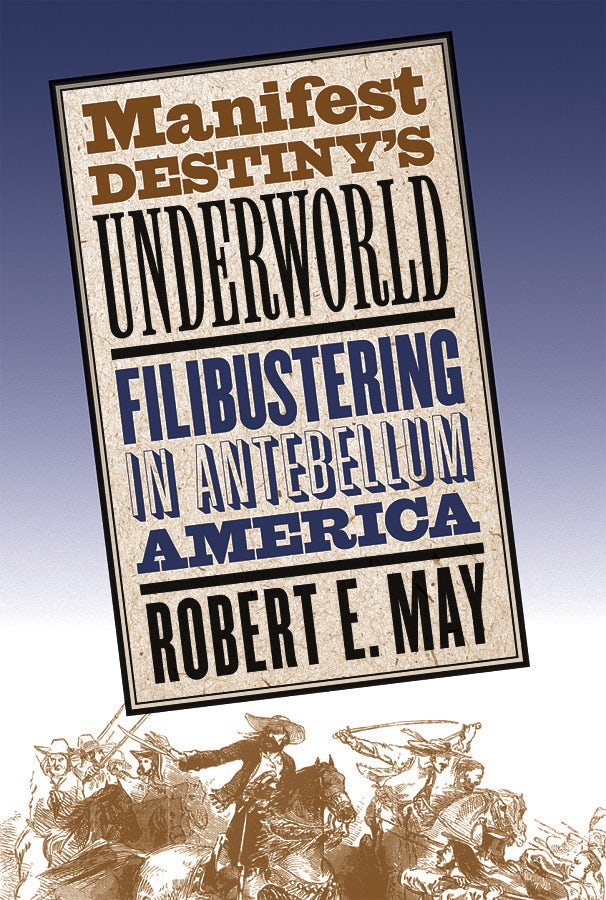
Credit: uncpress.org
Frequently Asked Questions
What Was The Main Goal Of Manifest Destiny?
Manifest Destiny aimed to expand the U. S. territory across North America. It promoted westward growth and economic opportunities. This belief shaped America’s national identity and political actions in the 19th century.
How Did Manifest Destiny Impact Native Americans?
Manifest Destiny led to the displacement of many Native American tribes. Their lands were taken for settlers and new states. This caused cultural disruption, loss of resources, and conflicts with the U. S. government.
Why Did Manifest Destiny Influence U.s. Politics?
Manifest Destiny fueled debates over slavery and statehood in new territories. It affected presidential elections and congressional decisions. The expansionist agenda shaped political parties and national policies during the era.
What Role Did Manifest Destiny Play In U.s. Economy?
It encouraged migration and development of new lands rich in resources. Railroads and trade routes expanded. This growth boosted agriculture, industry, and commerce across the country.
Conclusion
Manifest Destiny shaped the growth of the United States. It pushed people west and changed the country’s size. New lands brought opportunities and challenges for settlers and Native Americans. This idea also affected politics and the economy deeply. Understanding its importance helps us see how America grew.
The story of Manifest Destiny shows ambition and conflict. It remains a key part of U. S. History today.

Similar Posts