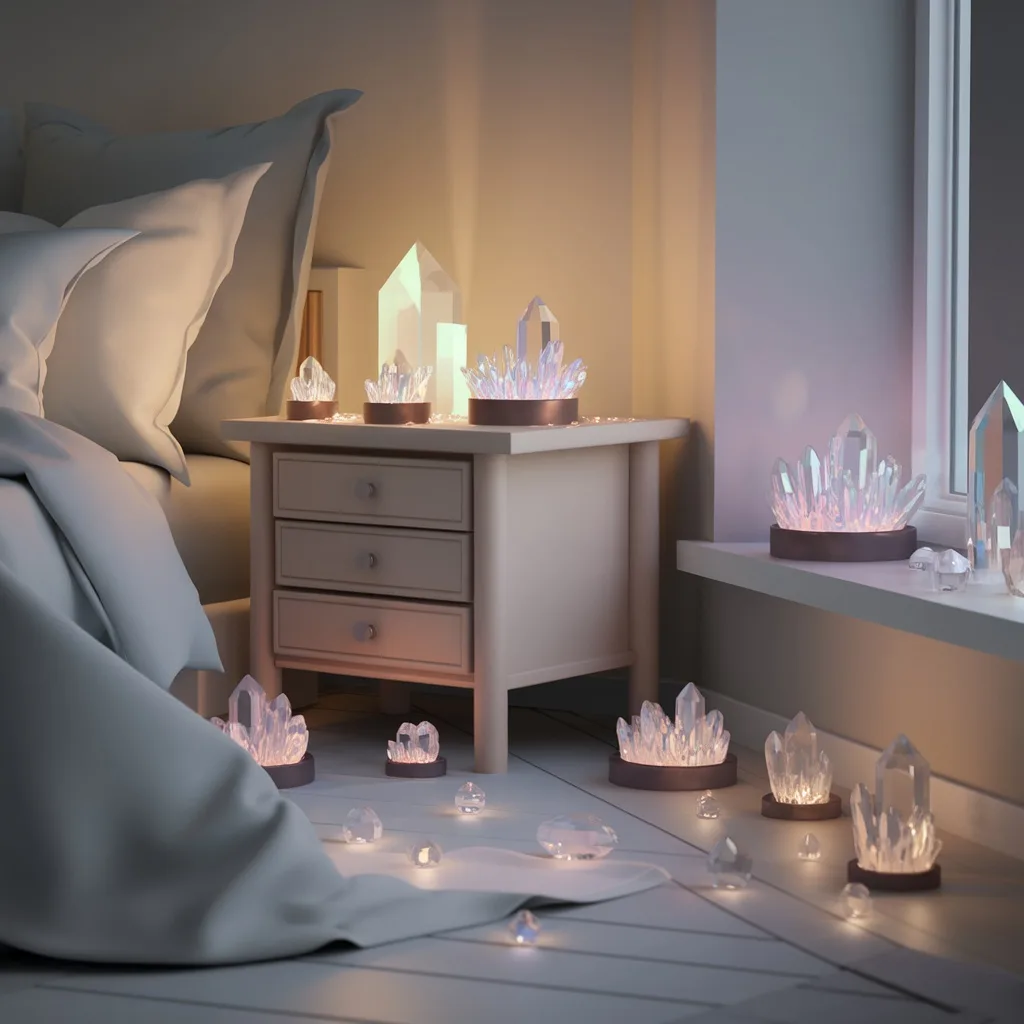
Best Crystals for Crown Chakra: Fix Spiritual Disconnect
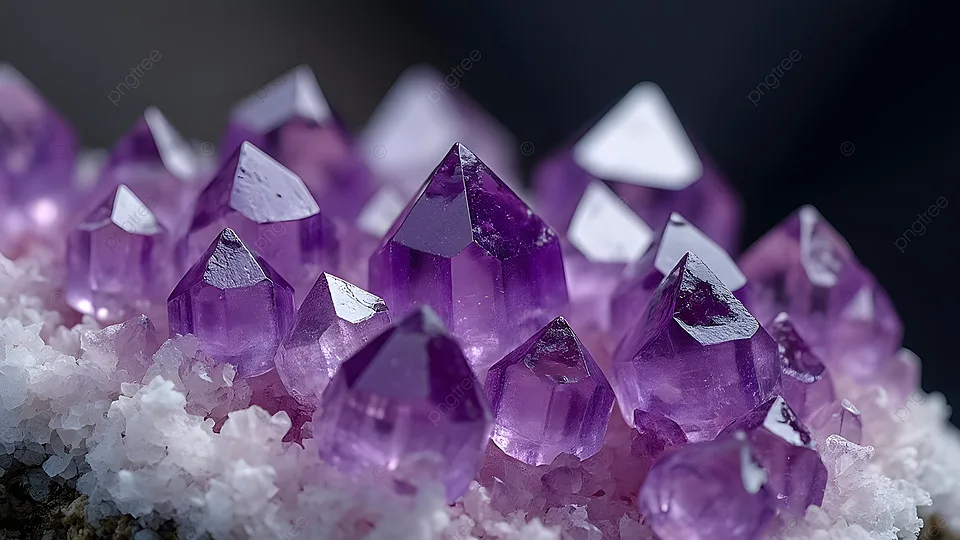
People reach for crystals for crown chakra spiritual disconnect and brain fog hoping to clear mental clutter. But true clarity starts with ruling out medical causes first. You can’t heal a physiological issue with a stone alone.
Our research shows that combining safe lithotherapy with proper health checks works best. As of 2026, experts agree that context matters more than the crystal itself. Let’s break down how to approach this safely and effectively.
Image source: Bing (Web (fair-use with source credit))
Quick Answer
Crystals like Amethyst support meditation for mental clarity. They do not cure medical brain fog. Always rule out health issues first.
Use stones as mindfulness anchors, not medicine. This balances spiritual practice with safety.
Before You Pick Up a Crystal: Rule Out Medical Causes for Brain Fog
Brain fog isn't just a spiritual blockage. It often signals underlying health problems. You need to know what you're dealing with before trying any alternative remedy.
Persistent cognitive sluggishness warrants a doctor's visit, not just a new gemstone.
Common medical culprits include thyroid dysfunction, vitamin deficiencies, or sleep apnea. These conditions mimic spiritual disconnection perfectly. Ignoring them delays real treatment.
Your crown chakra might feel blocked because your body is exhausted.
Start with basic blood work. Check levels for Vitamin D, B12, and iron. Also, assess your sleep quality and hydration habits.
If these are off, no amount of healing energy will fix the fog. Fix the biology first. Then, layer in spiritual practices.
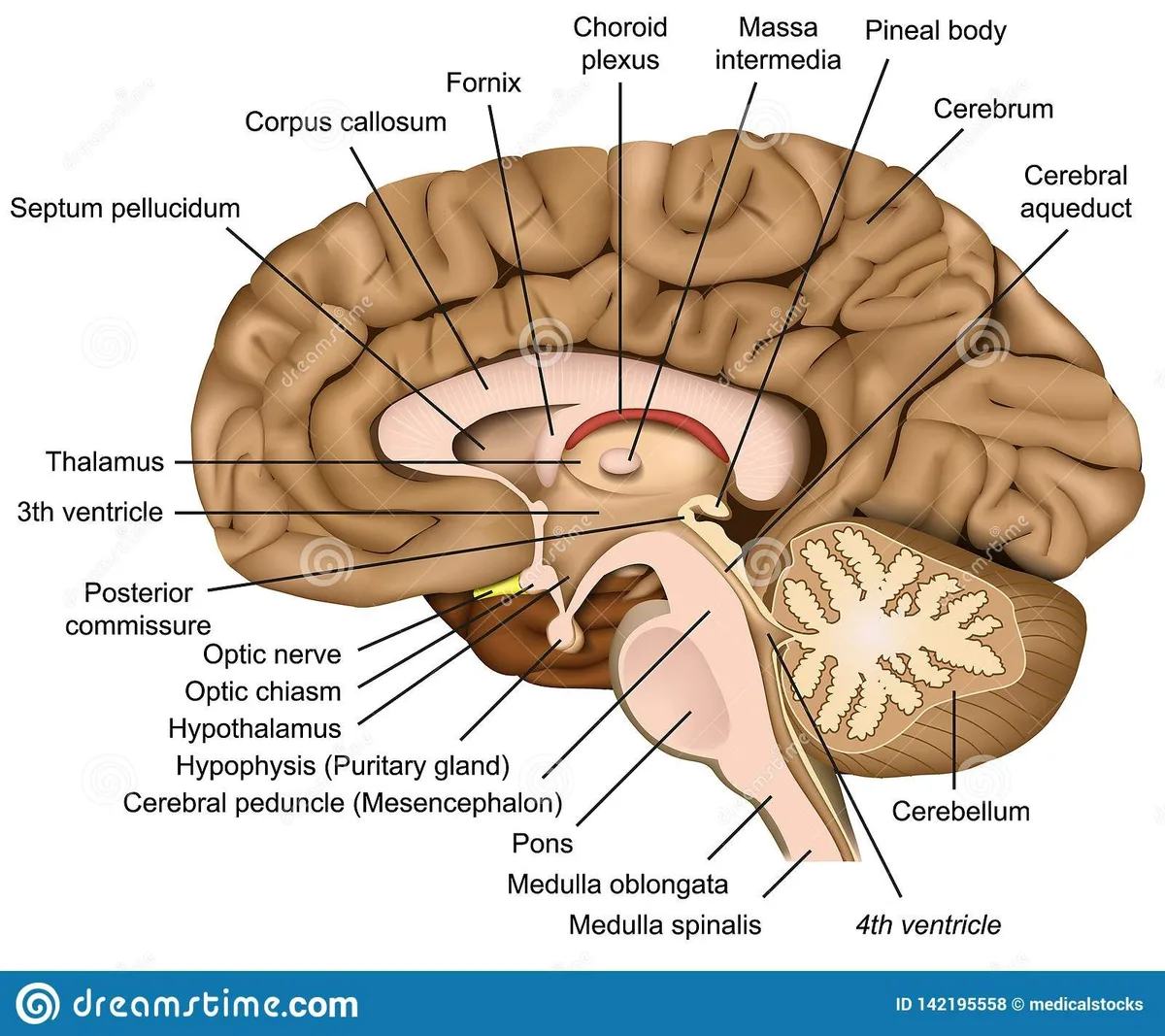
This step protects you from masking serious symptoms. It ensures that when you do use crystals, they complement your health rather than replace it. Think of it as building a foundation.
You wouldn't put a roof on a house without walls. Similarly, don't build spiritual routines on unstable physical health.
The Crown Chakra Connection: Understanding Spiritual Disconnect vs. Cognitive Fatigue
The Crown Chakra, or Sahasrara, relates to higher consciousness and unity. When it feels "blocked," people often describe a sense of isolation or purposelessness. However, this subjective experience overlaps heavily with clinical depression or burnout.
We must distinguish between spiritual disconnect and cognitive fatigue. Spiritual disconnect feels like an existential void. You question your place in the universe.
Cognitive fatigue feels like heavy thinking. You struggle to focus or remember simple tasks.
Often, the two feed each other. Chronic stress depletes mental resources. This makes you feel spiritually adrift.
Conversely, feeling disconnected increases anxiety, worsening brain fog. Recognizing which dominates helps you choose the right tool.
If it’s primarily fatigue, rest and nutrition come first. Crystals serve as secondary support. If it’s primarily existential distress, therapy and meditation help more.
Lithotherapy acts as a bridge here. It provides a tangible anchor for abstract feelings.
Understanding this nuance prevents frustration. You won’t expect a stone to solve a chemical imbalance. Instead, you’ll use it to enhance your awareness during recovery.
This realistic expectation leads to better outcomes. It respects both your science and your spirit.
Top 3 Crystals for Mental Clarity and Energetic Alignment
Not all stones work equally for this specific combination of issues. We’ve identified three options based on traditional usage and user feedback. These minerals align with the Crown Chakra while supporting mental calm.
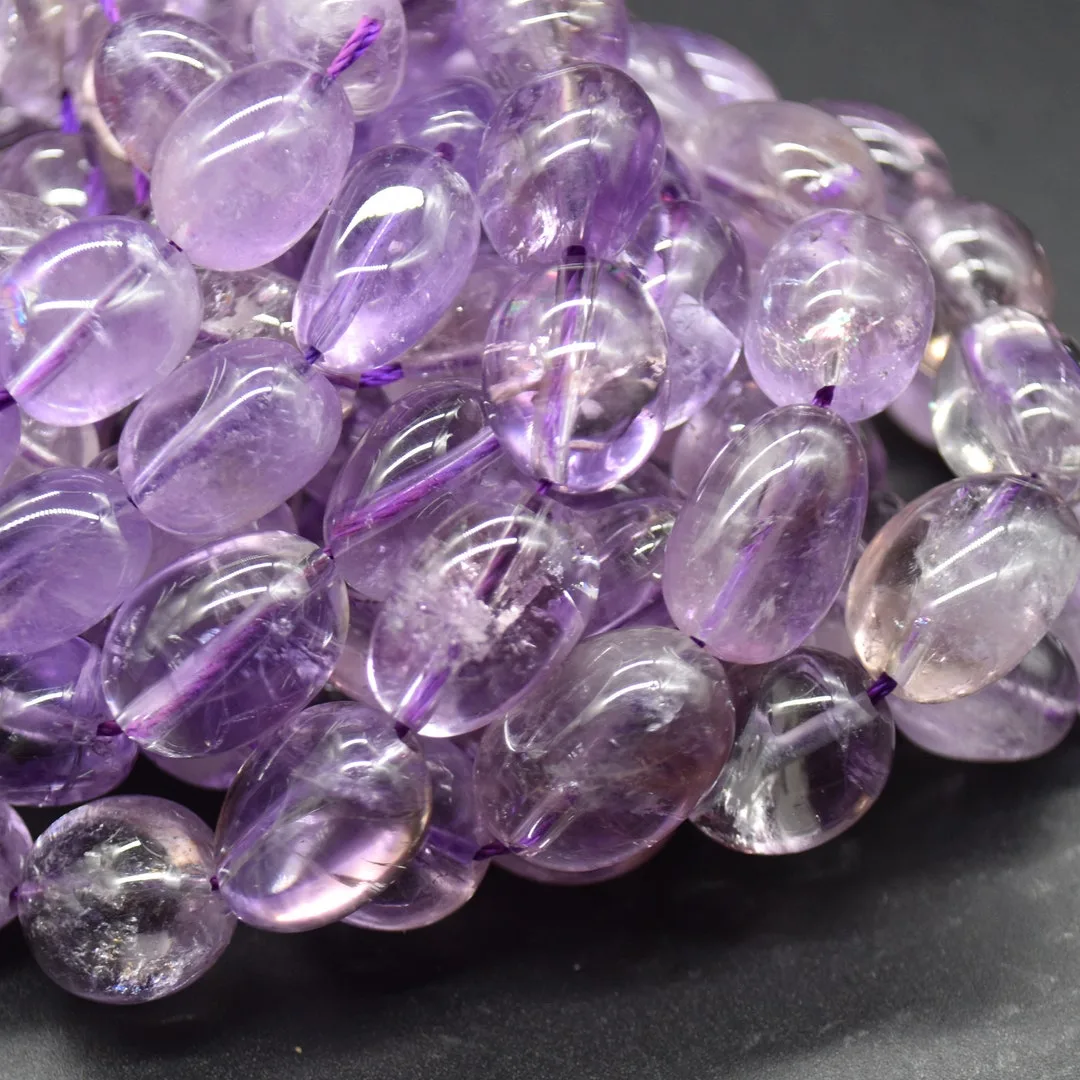
Amethyst remains the gold standard. Its purple hue associates with tranquility. Users report it helps quiet racing thoughts.
This aids meditation depth. It doesn’t erase brain fog, but it softens the noise around it.
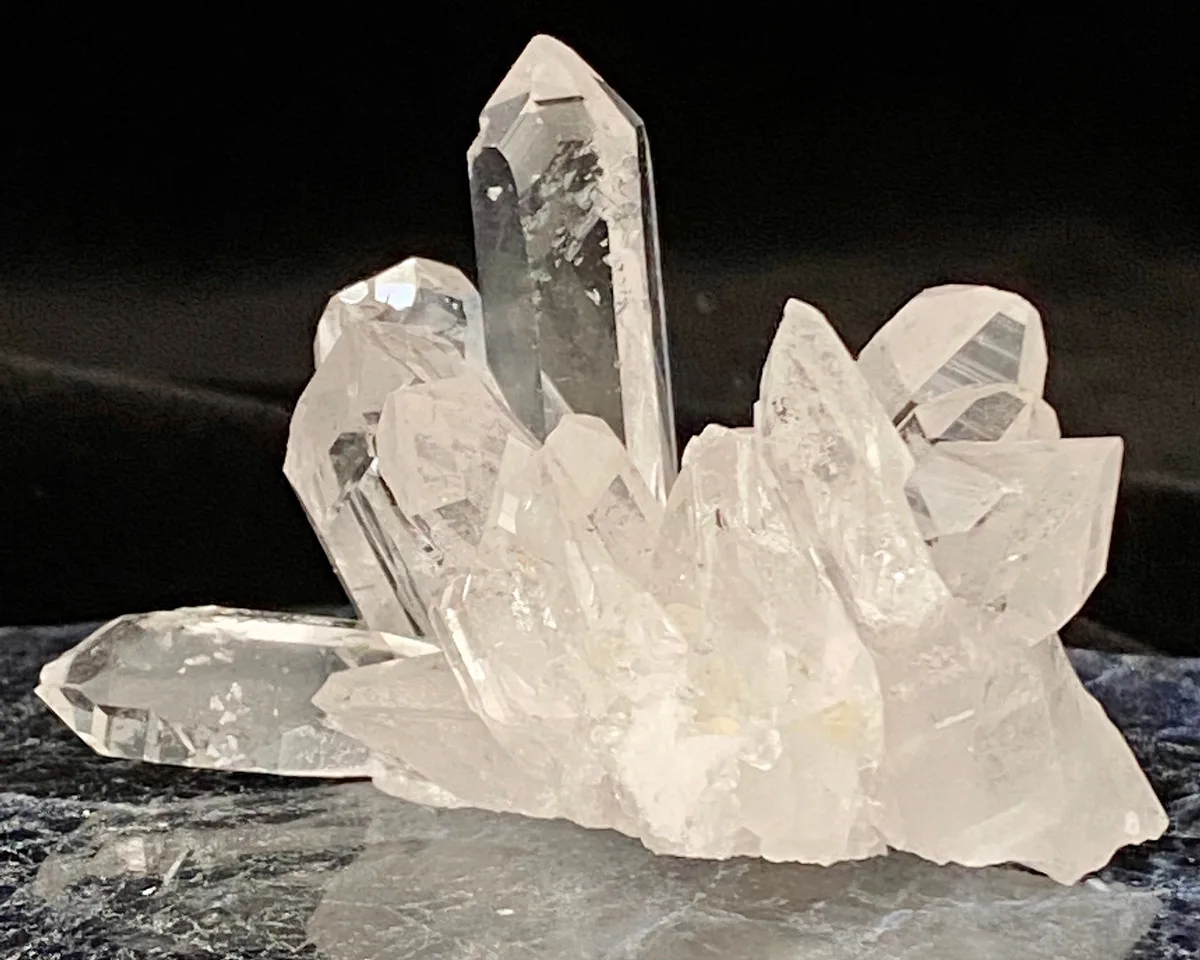
Clear Quartz serves as an amplifier. It pairs well with other stones. Some believe it clarifies intention.
In practice, its transparency offers a visual metaphor for clarity. Holding it can remind you to seek mental precision. It’s versatile and widely available.
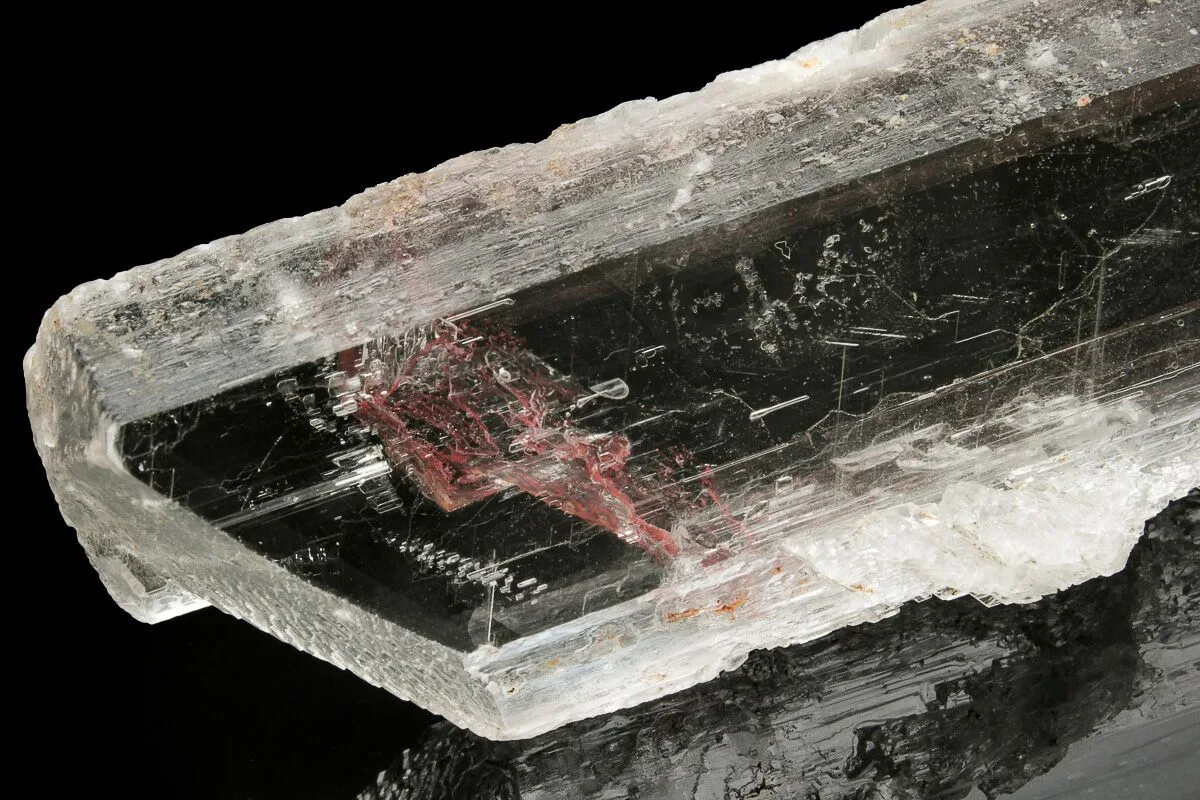
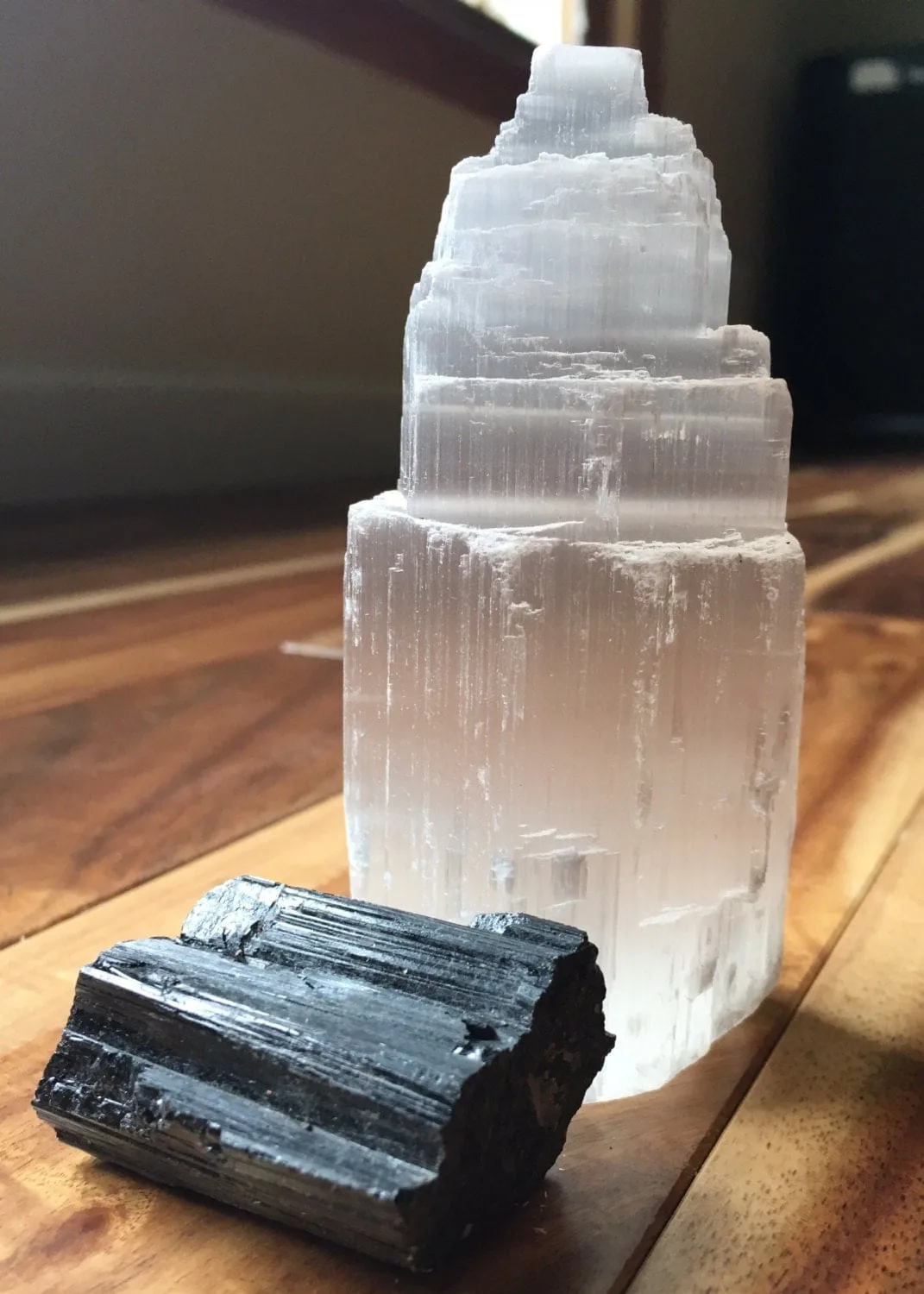
Selenite provides a grounding counterbalance. High-purity gypsum carries a stabilizing reputation. For those feeling "spaced out" due to disconnect, Selenite brings focus back.
It’s softer than quartz, so handle with care. Many practitioners keep it nearby during difficult cognitive periods.
| Crystal | Primary Attribute | Best For | Caution |
|---|---|---|---|
| Amethyst | Calming Energy | Racing thoughts, anxiety | None significant |
| Clear Quartz | Amplification | Intent setting, focus | Can feel overwhelming |
| Selenite | Stability | Grounding, clarity | Water soluble; fragile |
Choose based on your dominant symptom. Overwhelm suggests Amethyst. Lack of direction points to Quartz.
Spaciness calls for Selenite. Remember, these are tools for ritual, not cures. Their power lies in your attention, not their atoms.
How to Safely Integrate Lithotherapy Without Replacing Medical Care
Integration requires strict boundaries. Crystals should never delay professional diagnosis. Set up your practice alongside, not instead of, healthcare.
Tell your therapist or doctor about your interest. Transparency builds trust and safety.
Create a dedicated space for your practice. Keep it separate from areas where you manage medical treatments. This mental separation helps prevent confusion.
You’re engaging in self-care, not self-medication. Use the time to journal your experiences.
Track your symptoms objectively. Note when brain fog peaks. Correlate this with sleep, diet, and stress.
Then, observe if crystal meditation shifts your perspective. Did you feel calmer? More focused?
Record these subjective changes.
Avoid making grand claims. Don’t say the stone cured your headache. Say the ritual helped you relax enough to take medication comfortably.
Language matters. Precise wording keeps you grounded in reality. It honors the complexity of your health journey.
Consistency beats intensity. Five minutes daily outweighs one hour weekly. Build the habit slowly.
Pair it with existing routines, like morning coffee or evening wind-down. This anchors the practice in your life. It becomes sustainable, not burdensome.
Common Pitfalls: When Crystal Healing Becomes Dangerous Avoidance
The biggest risk is avoidance. People sometimes use spiritual narratives to dodge hard truths. If you blame a "blocked chakra" for untreated depression, you suffer longer.
This denial can worsen mental health outcomes significantly.
Another pitfall is financial exploitation. Cheap stones get sold as miracle workers. You might spend hundreds on useless rocks.
Verify sources. Stick to ethical suppliers. Understand that price rarely correlates with therapeutic value.
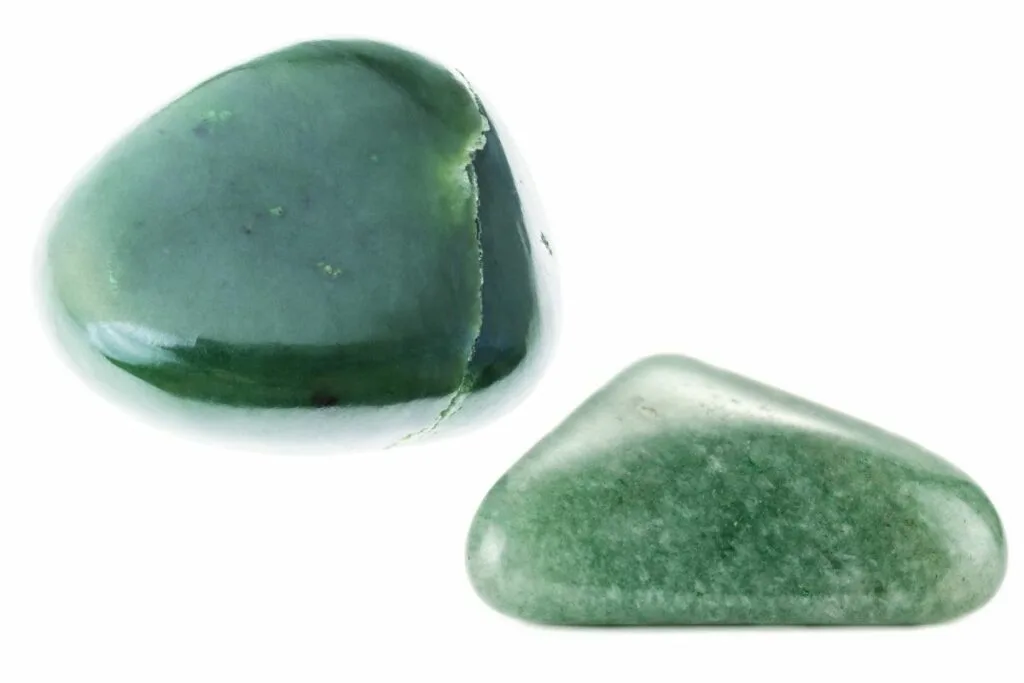
A smooth river stone works just as well for mindfulness.
Over-reliance creates dependency. If you feel unable to think clearly without holding a crystal, that’s a warning sign. True resilience comes from within.
Tools should empower you, not enslave you. Regularly test your ability to cope without them.
Ignoring physical symptoms is dangerous. Chest pain isn’t a "heart chakra issue." It’s a medical emergency. Always prioritize acute signs over energetic interpretations.
Know when to call 911 versus when to meditate. Confusing the two saves lives.
Finally, beware of guru culture. Unregulated online communities spread misinformation. Cross-check advice with reputable sources.
Look for guidance from licensed therapists who integrate holistic views. Avoid extremes. Balance skepticism with openness.
This middle path protects your well-being.
Practical Rituals: Using Stones as Mindfulness Anchors, Not Magic Cures
Start with a simple five-minute routine. Sit comfortably in a quiet space. Place your chosen stone on your forehead or hold it gently in your palm.
Close your eyes and focus entirely on the sensation of touch. Notice the temperature and texture without judgment.
This tactile feedback grounds you in the present moment. It interrupts the spiral of anxious thoughts. When your mind wanders to worries about clarity, bring attention back to the stone.
This isn’t about energy transfer. It’s about training your brain to return to a single point of focus.
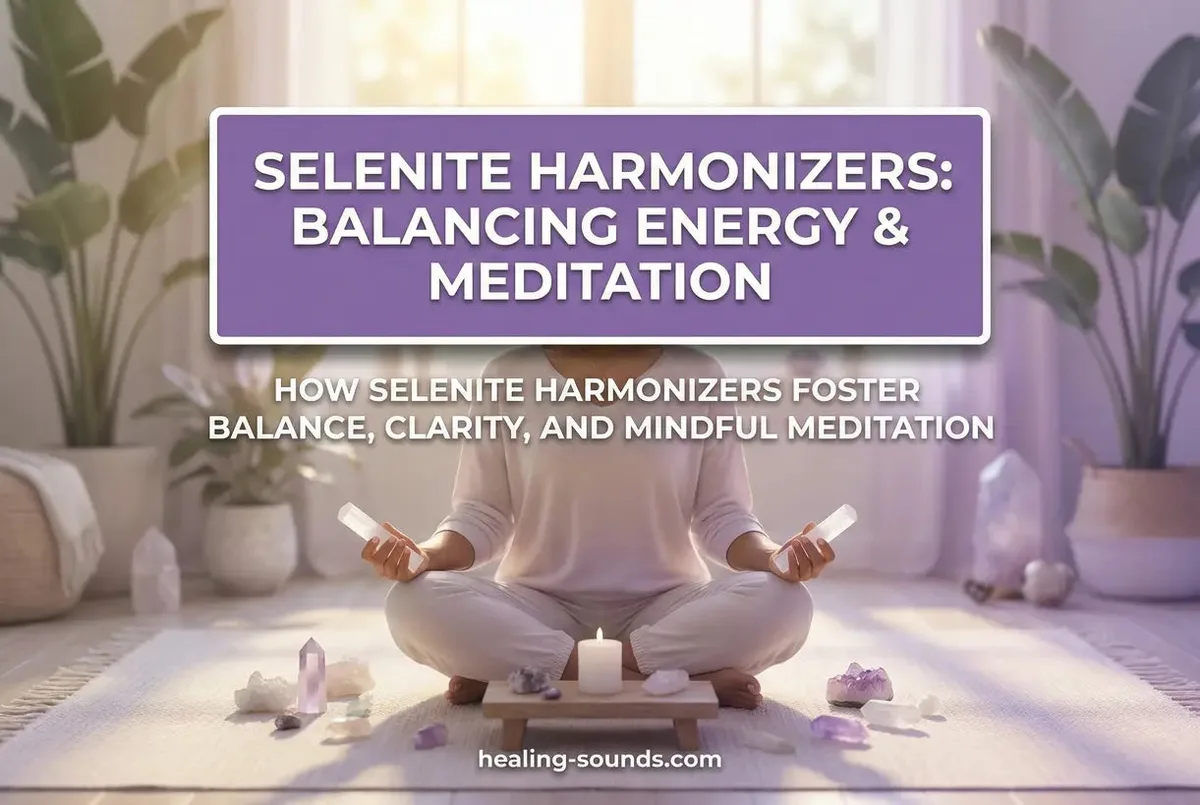
Pair this practice with deep breathing. Inhale for four counts. Hold for four.
Exhale for six. The extended exhale activates your parasympathetic nervous system. This reduces cortisol levels, which often contribute to mental fog.
Over time, this ritual becomes a cue for relaxation. Your body learns that holding the stone means it’s time to unwind.
Keep sessions short initially. Consistency matters more than duration. Try doing this every morning before checking emails.
Or use it as a reset button during stressful workdays. Aggregate user reviews suggest that even brief pauses improve afternoon cognitive performance. Treat the crystal as a timer for mindfulness, not a healer.
FAQ: Safety, Efficacy, and When to See a Doctor
Can crystals cure brain fog permanently?
No. Crystals cannot treat medical conditions like thyroid issues or sleep apnea. They serve only as supportive tools for stress reduction.
Always consult a healthcare provider for persistent cognitive symptoms. Relying solely on lithotherapy delays necessary treatment. Use stones alongside professional care, never instead of it.
Which crystal is safest for beginners?
Clear Quartz and Amethyst are generally considered safe for most people. They lack toxic heavy metals found in some raw ores. Avoid handling unknown minerals without proper identification.
Stick to polished, commercially available stones from reputable vendors. This minimizes exposure risks while maximizing usability. Simplicity ensures you focus on the practice, not safety concerns.
How do I clean my healing stones properly?
Use lukewarm water and mild soap for durable stones like quartz. Soft minerals like Selenite dissolve in water, so wipe them with a dry cloth instead. Never submerge porous rocks.
Regular cleaning removes dust and oils. This maintains hygiene and keeps the object visually appealing. A clean tool encourages consistent use.
Check hardness ratings before washing any new addition to your collection.
Is spiritual disconnect the same as depression?
They share symptoms but differ in origin. Depression is a clinical mood disorder requiring medical intervention. Spiritual disconnect is an existential feeling of isolation.
However, untreated depression often mimics spiritual emptiness. If feelings persist beyond two weeks, seek professional evaluation. Do not assume low mood is merely a chakra blockage.
Accurate diagnosis guides effective recovery paths.

Similar Posts