Best Crystals for Solar Plexus Gut Intuition & Decisions
People often turn to crystals for solar plexus gut intuition and decision making when they feel stuck or anxious. They hope a stone will clarify their path. But relying on minerals alone can be risky if you ignore medical signs.
We need to separate psychological comfort from physiological reality.
Our research shows that while no peer-reviewed study proves crystals heal organs, the ritual itself lowers stress. The National Institute of Diabetes and Digestive and Kidney Diseases notes that chronic stress worsens gut issues. So, using a stone as a mindfulness anchor has merit.
Let’s look at why your gut feeling isn’t magic, but biology.
Image source: Web (Bing) / buddhastoneshop.com (Web image (fair-use with source credit))
Why Your Gut Feeling Isn’t Just Magic (And When It’s Dangerous)
Your "gut instinct" is real science, not superstition. It stems from the enteric nervous system (ENS). This complex network of neurons lines your digestive tract.
Researchers sometimes call it the second brain because it operates independently of your head.
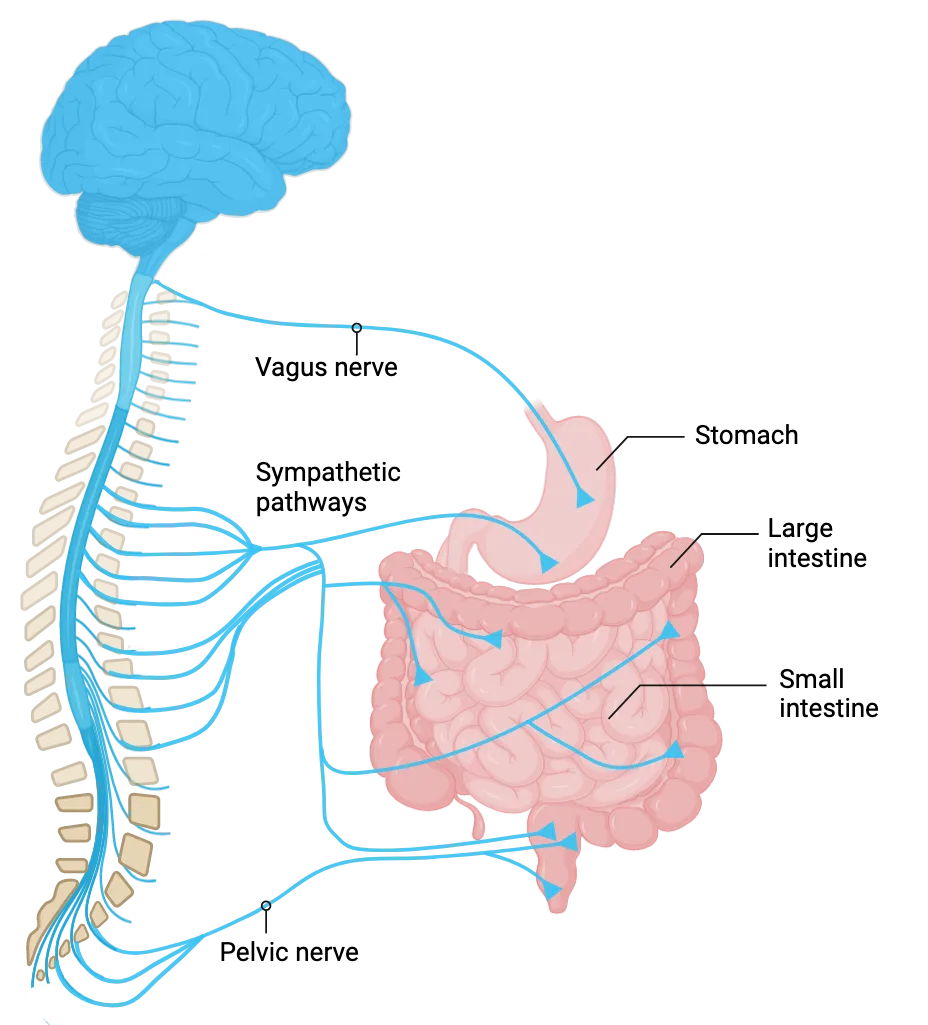
Image source: Web (Bing) / socialsci.libretexts.org (Web image (fair-use with source credit))
The ENS communicates with your brain via the vagus nerve. This pathway sends signals about hunger, danger, and emotion. When you feel a knot in your stomach, that’s interoception.
You are sensing internal bodily states. Crystals don’t create this signal. They simply help you focus on it.
However, mistaking anxiety for intuition is dangerous. Persistent gut pain isn’t a spiritual message. It could be irritable bowel syndrome or an ulcer.
Ignoring these symptoms to meditate with a stone delays proper care. Always check the physical cause first. Then use the crystal for mental clarity.
Top Solar Plexus Crystals for Clarity and Confidence
Not all yellow stones work the same way. Each has distinct properties that appeal to different needs. Here are the three most recommended options for this specific chakra.
| Crystal | Primary Trait | Best For |
|---|---|---|
| Citrine | Mental Clarity | Overcoming indecision and fear |
| Yellow Jasper | Emotional Stability | Calming anxiety and grounding |
| Tiger’s Eye | Willpower | Balancing logic with instinct |
Citrine is perhaps the most popular choice. Its golden hue associates with sunlight and energy. Users report it helps cut through mental fog.
It’s ideal when you have too many options and no clear favorite.
Yellow Jasper offers a softer approach. It’s opaque and earthy. This stone grounds volatile emotions.
If your gut feelings stem from panic rather than insight, Jasper helps stabilize. It doesn’t push you to act; it helps you breathe.
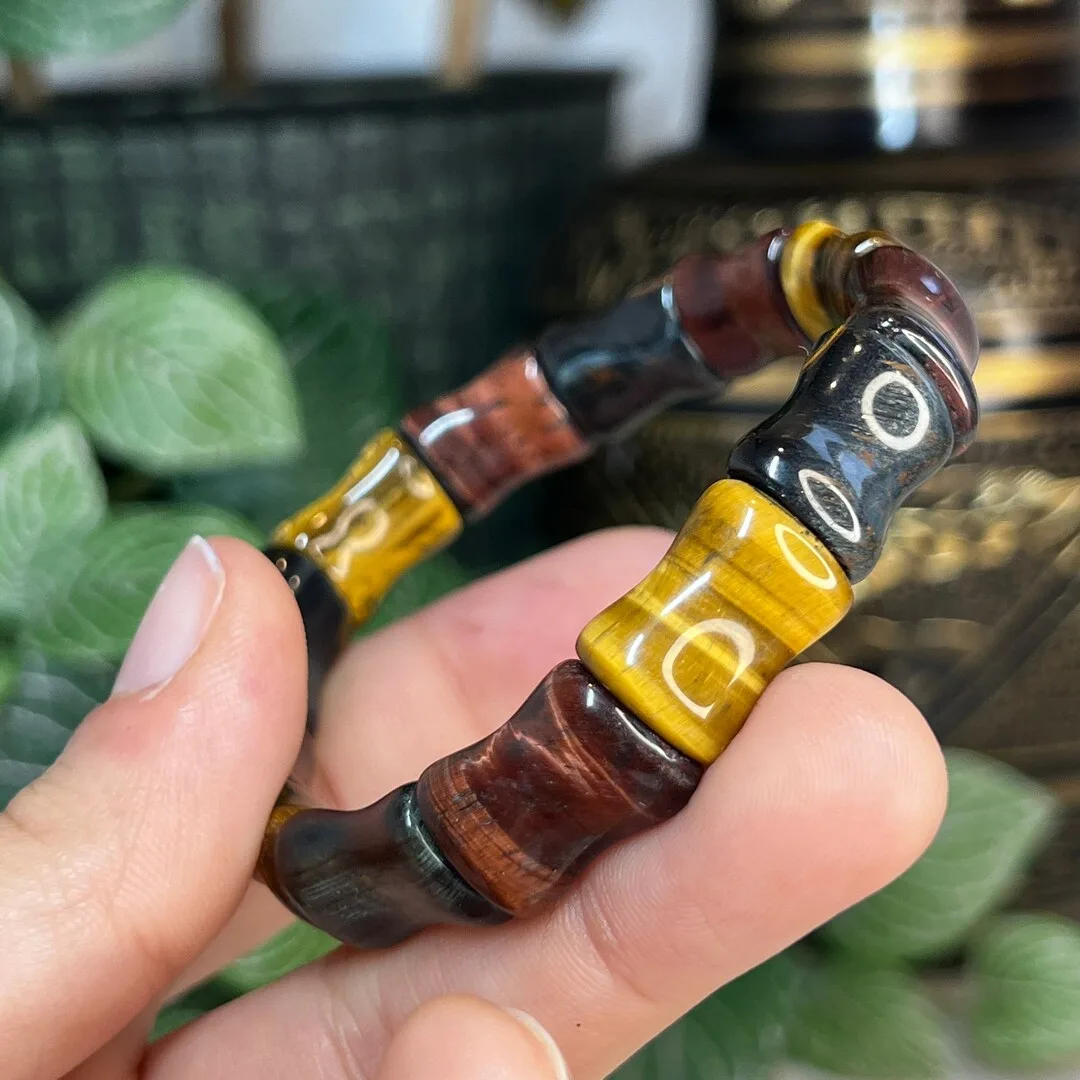
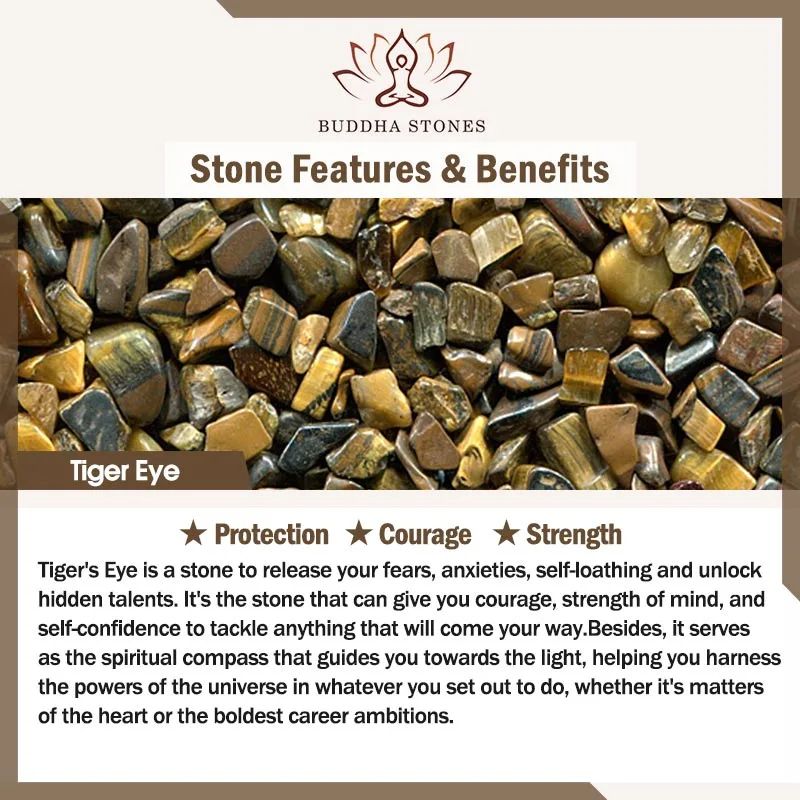
Tiger’s Eye combines chatoyancy with strength. It features bands of gold and brown. This stone is linked to courage.
It helps you trust your instincts even when others doubt you. Use it when you know the right answer but lack the confidence to say it.
How to Use Crystals for Decision-Making Without Ignoring Red Flags
Using a crystal requires intention. It’s not enough to just hold it. You must engage your mind and body simultaneously.
Here is a safe workflow.
First, set a clear question. Vague thoughts lead to vague answers. Ask yourself, "What am I avoiding?" or "Does this align with my values?" Write this down.
Next, choose your placement. Lie flat on your back. Place the stone on your upper abdomen, just below the ribcage.
This targets the solar plexus area directly. Close your eyes. Breathe deeply into your belly.
Feel the weight of the stone.
Finally, journal the outcome. After ten minutes, note any sensations. Did your shoulders drop?
Did a memory surface? Record this. Later, review your decisions against these notes.
This tracks whether the ritual actually aids intuition or just comforts you.
Remember, the stone is a tool, not a oracle. It amplifies your existing awareness. If you feel nothing, try again tomorrow.
Don’t force a revelation.
Critical Safety Warnings: Distinguishing Anxiety from Illness
This is where many people get hurt. They assume every stomach ache is emotional. It isn’t.
Acute abdominal pain requires immediate medical attention. Do not use crystals to treat appendicitis, gallstones, or perforated ulcers.
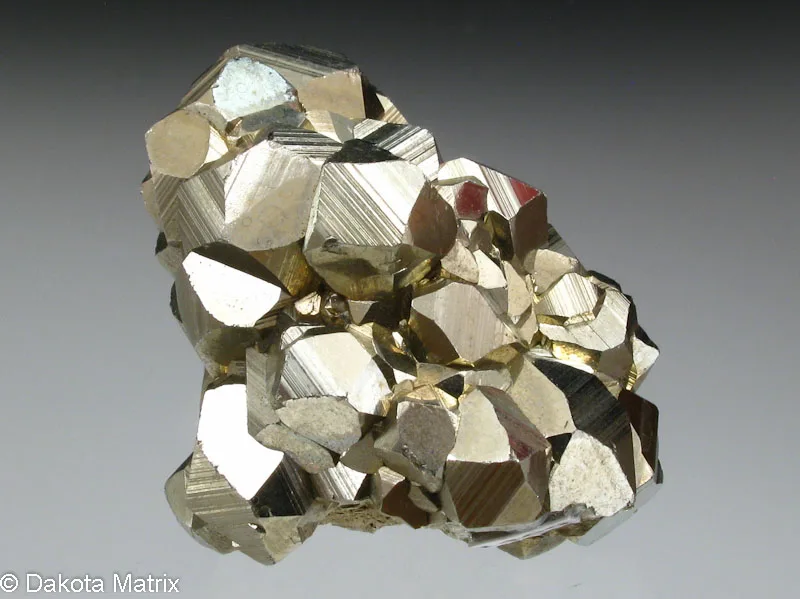
Image source: Web (Bing) / dakotamatrix.com (Web image (fair-use with source credit))
Physical safety also involves handling the stones themselves. Pyrite, often sold alongside solar plexus crystals, contains iron sulfide. While generally safe to touch, crushing or heating it releases sulfur compounds.
These can irritate lungs and skin. Never ingest crystal dust. Keep small tumbled stones away from children and pets who might swallow them.
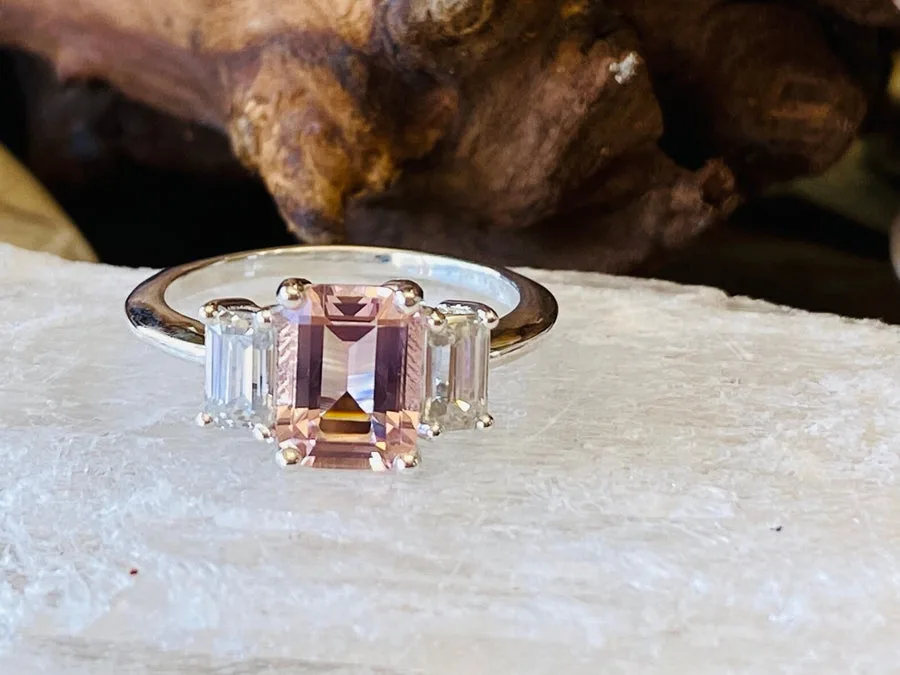
Also, beware of nickel allergies. Many crystal settings use metal alloys containing nickel. If you develop a rash around the pendant or ring, remove it immediately.
Switch to hypoallergenic materials like sterling silver or titanium.
Most importantly, recognize placebo dependency. If you cannot make a simple choice without holding a rock, your autonomy is eroding. Use the crystal as a bridge, not a crutch.
Build your own internal compass.
Common Mistakes That Undermine Crystal Practice
Enthusiasts often sabotage their own efforts with poor habits. The biggest error is skipping cleansing. In metaphysical traditions, stones absorb stagnant energy.
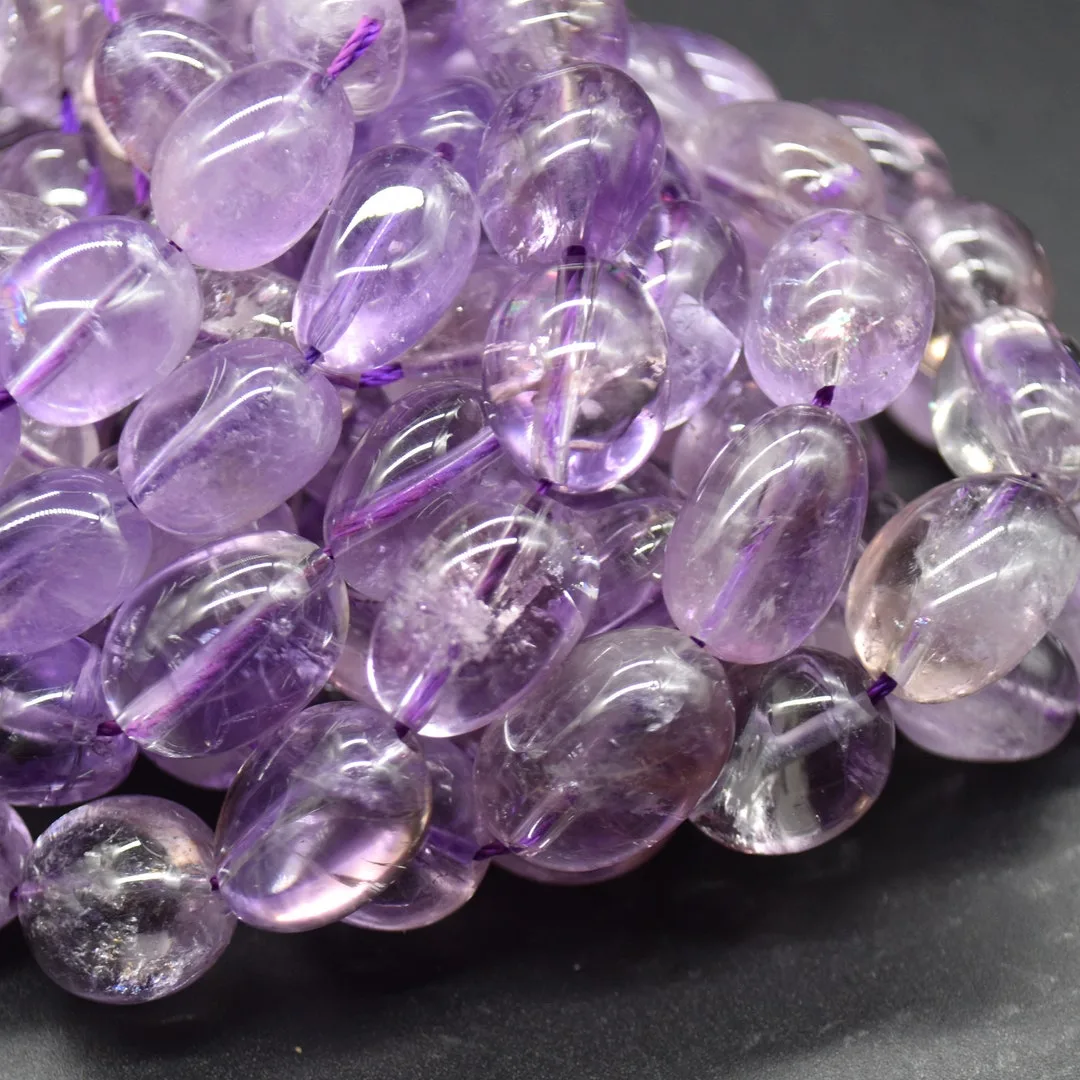
A dirty citrine feels heavy and unresponsive. Cleanse it regularly using smoke, sound, or moonlight. Sunlight works for citrine but fades amethyst, so know your stone.
Another mistake is ignoring counterfeit goods. The market is flooded with dyed glass sold as natural quartz. Synthetic stones lack the geological history users seek.
Buy from reputable dealers who provide origin details. Check for bubbles inside the stone; glass usually has them. Natural crystals rarely do.
Users also confuse subjective comfort with objective truth. Feeling calm while holding a stone doesn’t mean the decision is correct. It means you’re less stressed.
Stress reduction is valuable, but it doesn’t guarantee success. Evaluate outcomes separately from the ritual.
Lastly, don’t neglect maintenance. Jewelry settings loosen over time. Check prongs monthly.
A lost stone breaks the routine and causes frustration. Treat your tools with respect, and they’ll serve you better.
Practical Alternatives and Complementary Practices
Can you get the same benefits without minerals? Yes, though the mechanism differs. Breathwork directly stimulates the vagus nerve.
This triggers the parasympathetic response faster than holding a stone. Try box breathing: inhale for four seconds, hold for four, exhale for four, hold for four. It resets your nervous system in minutes.
Cognitive behavioral strategies offer structural support. They help identify biases in your decision-making process. Crystals provide comfort; CBT provides clarity.
Use them together if you’re open to both. For instance, journal your anxious thoughts first. Then, use the crystal ritual to ground yourself before reviewing those notes.
Aromatherapy is another strong ally. Lemon and peppermint oils are linked to alertness and digestion. Diffusing these scents while working can mimic the "clarity" effect of citrine.
Aggregate reviews suggest that combining sensory inputs enhances focus. You aren’t limited to one modality. Build a toolkit that includes scent, breath, and touch.
Who is this best for? People who feel overwhelmed by abstract advice. Tangible objects like crystals or essential oil bottles give you something to do with your hands.
This reduces fidgeting and anchors attention. However, if you prefer digital tools, meditation apps might suit you better. The goal is regulation, not tradition.
Choose what keeps you consistent.
Frequently Asked Questions
Do crystals actually change gut chemistry?
No. There is no scientific evidence that minerals alter digestive enzymes or hormone levels. Any perceived change comes from reduced stress via relaxation.
Lower cortisol improves gut function indirectly. The stone itself remains inert. Think of it as a placebo anchor for mindfulness, not a chemical agent.
How long should I charge my solar plexus crystal?
Traditionally, users charge stones under sunlight for 1-2 hours. Citrine tolerates sun well, unlike amethyst which fades. Moonlight is gentler and works overnight.
Some prefer sound bowls for instant resetting. As of 2026, there’s no standard protocol. Pick a method that fits your schedule and stick to it consistently.
Can I wear multiple solar plexus crystals at once?
Yes, but simplicity often works better. Wearing a citrine ring and a tiger’s eye pendant simultaneously may dilute focus. Start with one stone to build a strong association.
Once you master its use, add others for specific needs. Overloading senses can cause distraction rather than clarity. Test one variable at a time.
What if I feel nothing when using a crystal?
That’s normal. Interoception takes practice. Your brain might be too noisy to register subtle shifts.
Try pairing the stone with deep breathing exercises. Focus on physical sensations like temperature or weight. If you still feel nothing after two weeks, switch methods.
Maybe breathwork suits you better than tactile anchoring.
Are cheap crystals less effective than expensive ones?
Effectiveness relies on belief and ritual, not price. A $5 tumbled stone works if you trust the process. Expensive gems often carry aesthetic value, not energetic superiority.
Avoid synthetic glass sold as natural quartz, though. Authenticity matters for psychological buy-in. Ensure your stone is genuine mineral, then ignore the cost tag.

Similar Posts