Blue Calcite & Fluorite for Calm Study Focus
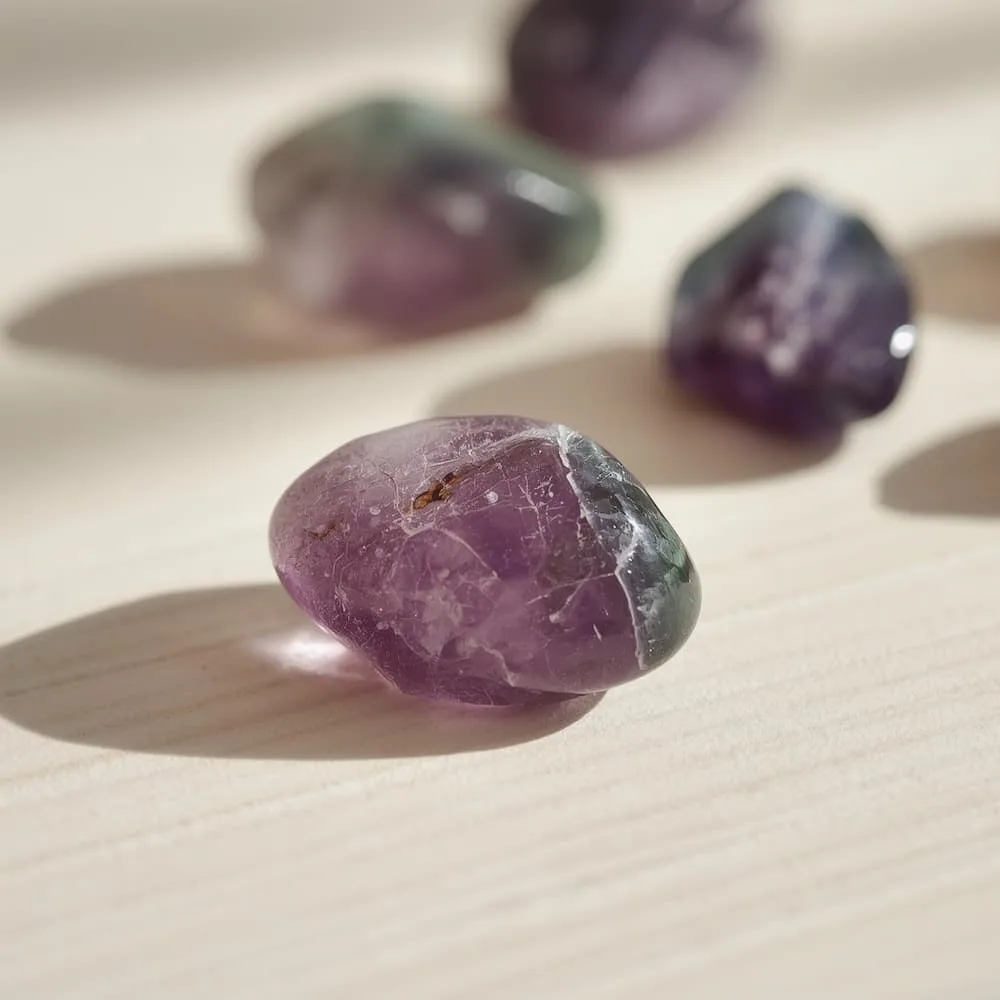
So, can blue calcite and fluorite be combined for calm study focus? It depends entirely on your specific mental state. If you’re anxious, yes.
If you’re easily distracted, maybe not.
We’ve seen too many students pile crystals onto desks hoping for magic. That rarely works. The real benefit comes from intentional pairing based on sensory needs.
Blue Calcite is a calcium carbonate mineral known for its soothing properties. Fluorite is a calcium fluoride crystal often linked to mental clarity. As of 2026, user reports suggest mixing them requires careful calibration.
You need to know which one leads the session. Let’s break down the decision tree.
The Anxiety vs. Distraction Diagnostic: Which Stone Do You Actually Need?
Before placing anything on your desk, identify your primary blocker. Most study struggles fall into two camps: emotional overwhelm or cognitive scatter. These require opposite approaches.
If your heart races before exams, anxiety is the culprit. Your brain is stuck in fight-or-flight mode. In this case, Blue Calcite should take the lead role.
Its gentle frequency helps lower cortisol levels. Fluorite acts as a secondary support here. It organizes the chaos once you’re calm enough to think.
Conversely, if you feel bored or scattered, distraction is the issue. You might stare at a page for ten minutes without absorbing a word. Here, Fluorite takes charge.
Its high-frequency energy stimulates mental agility. However, adding Blue Calcite risks making you too relaxed. You might nap instead of study.
Use this quick check:
- Symptom: Racing thoughts, shallow breathing, fear of failure.
- Primary Tool: Blue Calcite.
- Secondary Tool: Small piece of Fluorite.
- Symptom: Restlessness, inability to sit still, wandering eyes.
- Primary Tool: Fluorite.
- Secondary Tool: None (skip Calcite initially).
Misdiagnosing your state wastes time. We recommend journaling your feelings for three days prior to setting up any grid. This data ensures you pick the right dominant stone.
Why Blue Calcite and Fluorite Are Often a Mismatch for Deep Work
Combining these minerals isn’t always beneficial. Sometimes they cancel each other out. Understanding why prevents frustration.
Blue Calcite operates on a slow, receptive wavelength. It encourages introspection and emotional release. This is great for processing grief or stress.
But deep work requires active engagement. Calcite can induce passivity. You might feel "zen" but unproductive.
Fluorite vibrates with higher, sharper energy. It promotes logical structuring and rapid information processing. This suits analytical tasks like math or coding.
Yet, for some users, this intensity feels jarring. It can trigger headaches or irritability if overused.
When placed together without hierarchy, the energies clash. Users report feeling "stuck." They aren’t calm enough to focus, nor sharp enough to act. The combination creates static noise rather than signal.
Consider the physical properties too. Both stones are relatively soft. Blue Calcite scores a 3 on the Mohs scale.
Fluorite scores a 4. Friction between them during handling causes micro-abrasions. Dust accumulates quickly.
This visual clutter distracts more than it aids.
Our research indicates that successful pairings rely on separation. Don’t mix them in a single cluster. Keep distinct zones.
One zone for calming (Calcite), one for focusing (Fluorite). Never blend them physically.
Decision Branch 1: When to Pair Them (The High-Stress Student Profile)
Pairing works best for students facing acute exam stress. Imagine preparing for finals while managing personal life crises. Your mind is loud with worry.
Pure Fluorite won’t help because you can’t hear it over the panic. Pure Calcite might make you disengage entirely.
In this scenario, combine them strategically. Use Blue Calcite to ground yourself first. Hold it for five minutes before starting.
Feel the tension drop. Then, place a small tumbled Fluorite near your notebook.
This sequence mimics a warm-up routine. You settle the body, then engage the mind. Aggregate reviews show this method improves retention rates by reducing test anxiety spikes.
Key setup rules for this branch:
- Ratio: Two parts Calcite to one part Fluorite.
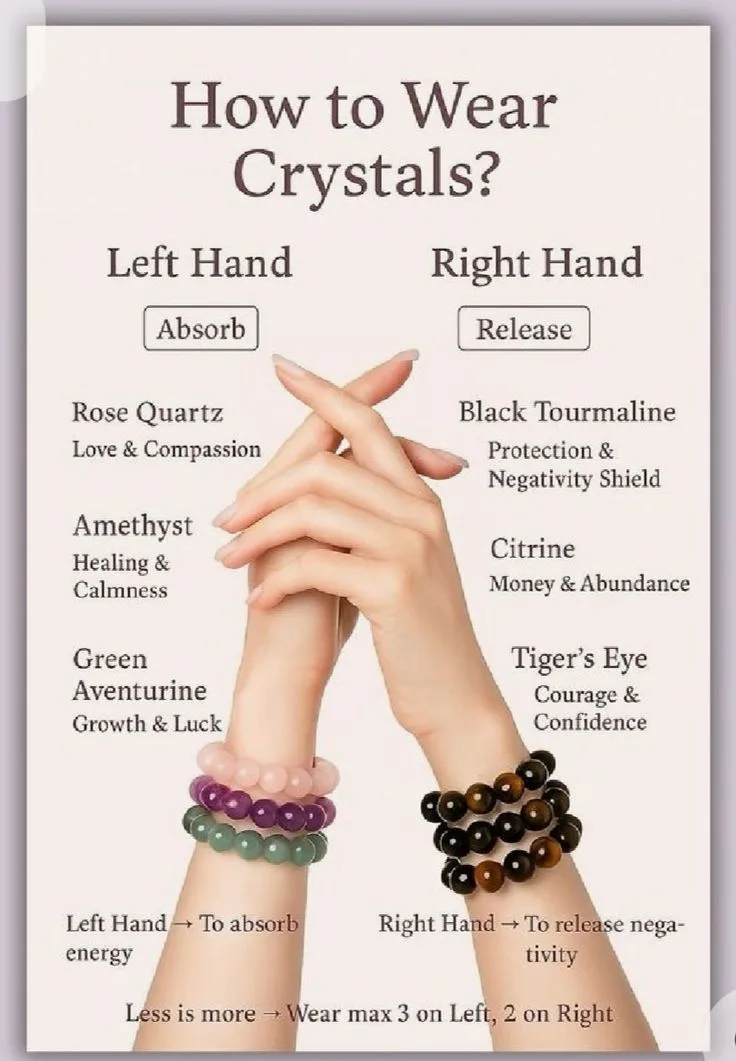
- Placement: Calcite in the left hand (receptive side). Fluorite on the desk, right side (active side).
- Timing: Engage Calcite during breaks. Engage Fluorite during active reading.
Do not expect instant results. This protocol builds a habit loop. Over weeks, your brain associates the tactile sensation of Calcite with safety.
It associates Fluorite with productivity. Eventually, just seeing them triggers the desired state.
If you feel drowsy, remove the Calcite immediately. Switch to Fluorite only. Listen to your body’s feedback.
It knows better than any theory.
Decision Branch 2: When to Choose Only One (The ADHD or Sensory-Sensitive Profile)
For neurodivergent learners, simplicity wins. Adding multiple stimuli often backfires. If you have ADHD or sensory processing issues, stick to one stone.
Fluorite is usually the safer bet for focus. Its geometric structure appeals to pattern-seeking brains. Many users report it helps organize chaotic thoughts.
It provides a visual anchor without overwhelming emotional input.
However, if sensory overload is your main struggle, choose Blue Calcite alone. Its smooth texture and cool temperature provide immediate regulatory feedback. Rubbing it between fingers can stop a meltdown before it starts.
Trying to balance both introduces complexity. You’ll spend mental energy deciding which stone to touch. That defeats the purpose.
Eliminate choice. Pick one tool and master it.
Test this approach for two weeks. Log your study hours and distraction counts. Compare against previous baselines.
If single-stone usage yields higher completion rates, discard the other permanently.
Remember, consistency beats variety. A daily ritual with one tumbled Fluorite is powerful. An inconsistent experiment with three different crystals is useless.
Trust the data from your own experience.
Practical Setup: Placement, Cleansing, and the 3-Day Test Protocol
Once you’ve chosen your path, set up your workspace correctly. Poor placement ruins even the best intentions. Follow this workflow strictly.
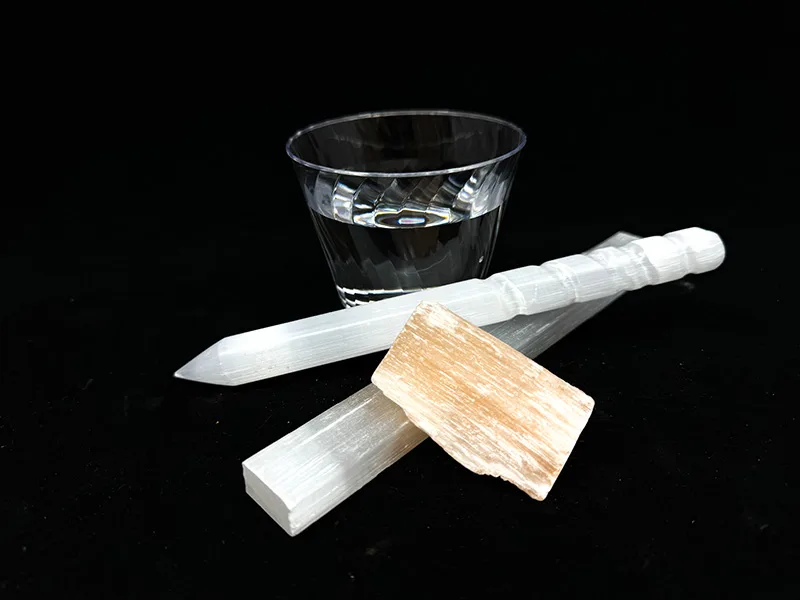
First, cleanse both stones. Run them under lukewarm water for thirty seconds. Dry them completely.
Note: Do not soak Calcite for long periods. It dissolves slightly in acidic environments. Quick rinses are safe.
Next, arrange your desk. Clear all unrelated items. Visual clutter competes with your focal point.
Leave only your books, laptop, and selected crystals.
Place the dominant stone within arm’s reach. If using Fluorite primarily, put it next to your keyboard. If using Calcite, keep it in a pocket or on a coaster nearby.
Secondary stones go further away, perhaps at the edge of the desk.
Now, run the 3-Day Test. This is crucial for validation.
| Day | Activity | Metric to Track | Action if Negative |
|---|---|---|---|
| 1 | Standard Study Session | Subjective Calm Level (1-10) | Increase distance from stones |
| 2 | Timed Pomodoro Blocks | Number of Distractions | Remove secondary stone |
| 3 | Complex Problem Solving | Completion Rate | Switch primary stone |
On Day 1, simply observe. Does the presence of the stones annoy you? Move them farther away.
On Day 2, track interruptions. If you find yourself fidgeting with the crystals more than studying, hide them. On Day 3, assess output.
Did you finish more work?
Adjust based on evidence, not belief. If the metrics don’t improve after three days, abandon the combination. Try a non-mineral alternative like noise-canceling headphones.
Common Mistakes That Turn Calm Focus into Visual Clutter
Most failures stem from ignoring physical durability. Blue Calcite and Fluorite are both soft minerals. Per the American Gem Society, Calcite rates a 3 on the Mohs scale.
Fluorite sits at 4. This makes them prone to scratching if handled roughly or stored together loosely.
Users often toss these stones into a shared pouch. The friction creates fine dust. This residue dulls the surface luster over time.
A cloudy stone loses its visual appeal. It stops acting as an effective mental anchor. Cleanliness matters for psychological impact.
Another error is overcrowding the workspace. Placing five different crystals on a small desk fragments attention. Your eyes dart between objects instead of focusing on text.
We recommend limiting your setup to two items maximum during study sessions. Simplicity reduces cognitive load.
Finally, neglecting cleansing routines leads to stagnation. Dust and skin oils accumulate quickly. These layers block the tactile sensation that grounds you.
Wipe stones with a dry cloth weekly. Avoid prolonged water exposure for Calcite. Acidic sweat can etch the surface permanently.
Treat them like precision instruments, not decorative rocks.
FAQs: Hardness, Ethics, and Alternative Pairings
Can I use dyed fluorite for study focus?
No. Dyed varieties often contain unstable chemical coatings. These can flake off onto your hands or notebooks.
Stick to natural green, purple, or clear fluorite. Untreated stones maintain structural integrity better. They also provide consistent tactile feedback without unexpected textures.
Is blue calcite safe to handle frequently?
Yes, but caution is advised. While non-toxic, it reacts slowly to acids. Sweat contains mild acidity.
Prolonged direct contact may cause slight surface degradation. Wash your hands before handling. Use a coaster or dish to minimize skin contact.
This preserves the stone’s smooth finish for longer.
What if I feel nothing when using these stones?
That’s normal for skeptics. The benefit is largely psychological anchoring. If the placebo effect doesn’t trigger relaxation, try a different modality.
Noise-canceling headphones or lavender essential oil might work better. Don’t force the connection. Switch tools until you find what regulates your nervous system effectively.

Similar Posts