Staurolite & Chiastolite: Powerful Psychic Protection Pair?
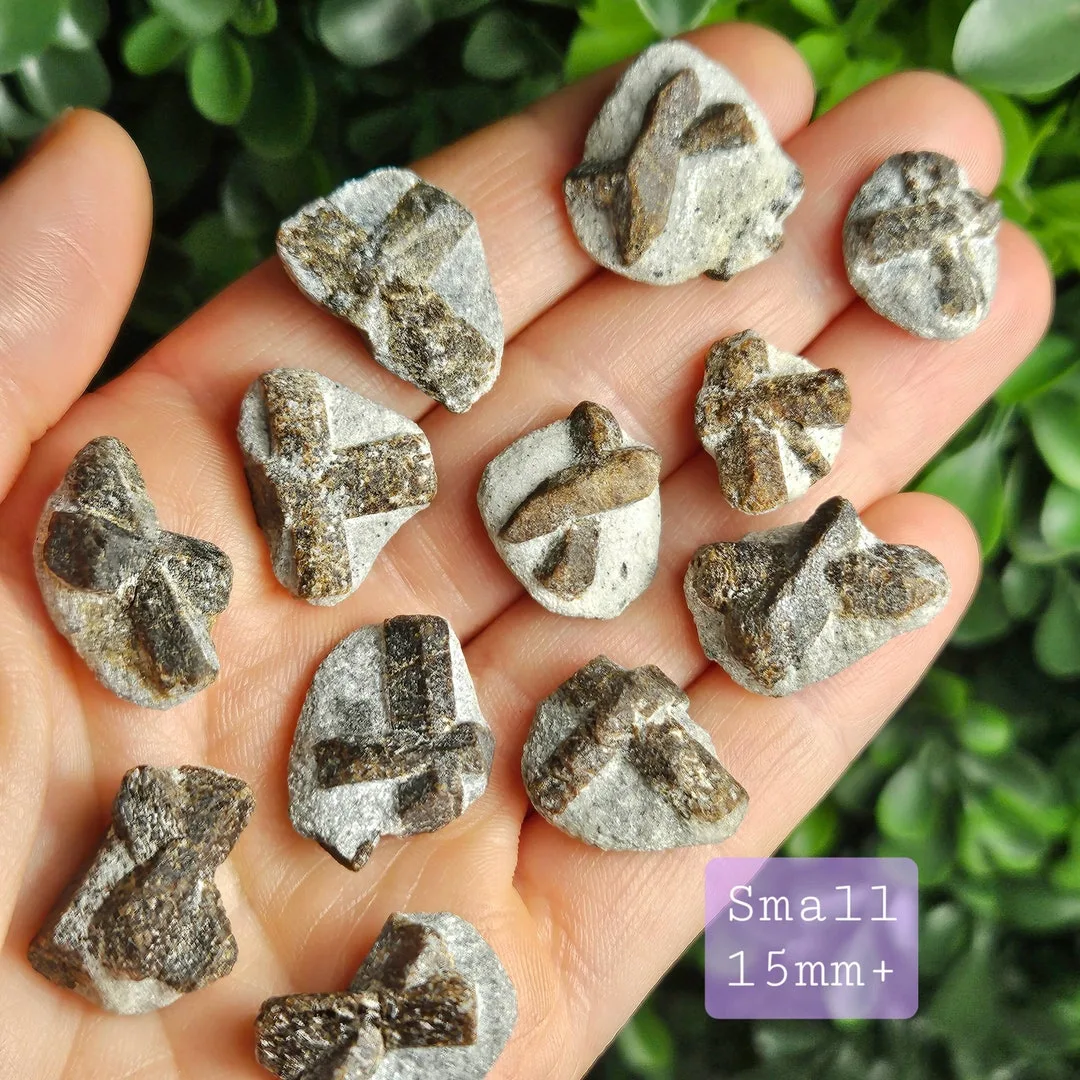
You’re asking if staurolite and chiastolite can be paired for psychic protection. The short answer is yes, but only symbolically. There is no scientific evidence that either stone offers supernatural defense against negative energies or entities.
These minerals are geologically distinct yet visually similar due to their cross-shaped inclusions. As of 2026, crystal healing remains a personal belief system rather than a medical practice. We need to clarify what "protection" means here before diving deeper.
It refers to psychological grounding, not physical safety.
Image source: Bing (Web (fair-use with source credit))
Why "Psychic Protection" Claims Need a Reality Check
Let’s be direct about the terminology. Psychic protection isn’t a measurable phenomenon in physics or biology. You won’t find it in peer-reviewed journals from institutions like the National Institute of Mental Health.
When people speak of shielding themselves with stones, they usually mean managing anxiety or feeling emotionally secure.
This distinction matters because treating crystals as literal shields can lead to dangerous complacency. If you feel threatened by real-world dangers, a rock won’t stop an intruder or cure illness. Relying solely on metaphysical tools for serious problems ignores evidence-based solutions.
That gap creates vulnerability.
We must separate geological fact from esoteric fiction. Staurolite and chiastolite are beautiful natural artifacts. Their power lies in human perception, not inherent energy fields.
Understanding this prevents disappointment when expected results don’t materialize. It also protects your wallet from predatory sellers making impossible promises.
The Gap Between Geology and Metaphysics
Geologists study these rocks for their formation history and chemical composition. Metaphysicians interpret their shapes for symbolic meaning. These two groups rarely agree on function.
Science sees carbon inclusions; spirituality sees divine geometry. Neither view invalidates the other personally, but one cannot claim objective truth over the other.
Confusing these frameworks causes misinformation. Sellers often blend technical terms with magical claims to seem authoritative. They might say a stone has high vibrational frequency while citing Mohs hardness incorrectly.
Always verify factual specs separately from spiritual interpretations. This critical thinking habit serves you well across all alternative practices.
Can You Pair Them? The Symbolic Logic Behind the Combination
Yes, you can pair them based on shared visual motifs. Both stones feature prominent cross patterns formed by internal structures. In many belief systems, crosses represent intersection points or barriers.
Combining them amplifies this symbolic intent through repetition.
The pairing works psychologically because consistency reinforces belief. Holding two items with similar meanings strengthens your focus during meditation. It creates a ritualistic anchor for your mind.
This doesn’t change the stones’ physical properties, but it enhances your subjective experience.
Staurolite forms in metamorphic rocks under intense heat and pressure. Chiastolite is a variety of andalusite with graphite inclusions. Despite different origins, both display cruciform shapes.
Enthusiasts believe this symmetry channels protective intent effectively. The logic is associative, not causal.
Shared Cross Motifs: Why They Feel Like Natural Allies
Visual similarity triggers cognitive ease. Our brains prefer patterns that align. Seeing two crosses together feels harmonious and intentional.
This aesthetic coherence supports the narrative of unified protection. You aren’t just holding random rocks; you’re holding a matched set designed for a specific purpose.
Many practitioners use paired items to balance dualities. Light and dark, male and female, earth and sky. While staurolite and chiastolite aren’t traditionally opposites, their joint presence suggests completeness.
Two sources of strength are better than one, even symbolically. This mindset boosts confidence during stressful moments.
Where This Practice Falls Short: Risks and Limitations
The biggest risk is substituting symbolism for action. Crystals do not emit forces that repel bacteria, viruses, or malicious actors. Believing otherwise leaves you exposed to actual threats.
Never skip medical treatment or security measures because you carry a stone.
Predatory marketing exacerbates this issue. Some vendors sell expensive specimens with guarantees of invulnerability. These claims violate consumer protection standards regarding health assertions.
The Federal Trade Commission monitors such deceptive practices closely. Be wary of anyone promising absolute safety for money.
Dependency is another subtle danger. If you rely entirely on objects for emotional regulation, you may struggle without them. Healthy coping mechanisms involve internal skills like breathing techniques or therapy.
Stones should complement these efforts, not replace them. Over-reliance weakens personal resilience over time.
The Danger of Replacing Professional Help with Crystals
Mental health professionals emphasize evidence-based interventions. Cognitive behavioral therapy, medication, and lifestyle changes have proven outcomes. Crystal healing lacks rigorous clinical trials supporting its efficacy for disorders like PTSD or severe anxiety.
Using it as a primary treatment delays necessary care.
If you feel unsafe or overwhelmed, contact licensed providers first. Save the stones for supplemental mindfulness exercises. This hierarchy ensures your well-being rests on solid foundations.
Remember, peace of mind comes from competence and support, not minerals alone. Prioritize actions that yield measurable improvements in daily life.
Safe Integration: Using These Stones for Grounding, Not Defense
Use staurolite and chiastolite as tactile focal points. Hold them during deep breathing sessions to anchor attention. The cool texture and weight provide sensory feedback that calms nervous systems.
This is a recognized mindfulness technique, independent of any mystical beliefs.
Set clear intentions before handling them. Decide what grounding means to you. Perhaps it’s staying present during conflict or reducing rumination.
Articulate this goal internally. The stones become reminders of that commitment. This method leverages placebo effects positively without false expectations.
Combine crystal work with secular practices. Try pairing them with journaling or yoga. These activities enhance self-awareness and stress reduction.
The stones serve as ceremonial objects marking the start of your routine. Consistency builds habit, which yields long-term benefits for mental clarity.
Practical Steps for Ethical and Effective Use
- Cleanse the stones physically using mild soap and water. Avoid harsh chemicals that damage surfaces.
- Charge them metaphorically by placing them in sunlight or moonlight. This step satisfies ritual preferences without claiming energetic alteration.
- Wear or carry them consistently. Repetition embeds the association between object and intention.
- Reflect regularly on your progress. Note whether feelings of calm increase over weeks. Adjust usage if needed.
Ethical sourcing matters too. Verify suppliers follow responsible mining guidelines. Supporting sustainable extraction reduces environmental harm.
Look for certifications or transparent supply chains. Your purchase reflects values beyond aesthetics. Choose vendors who prioritize community welfare alongside profit margins.
Better Alternatives When You Actually Feel Unsafe
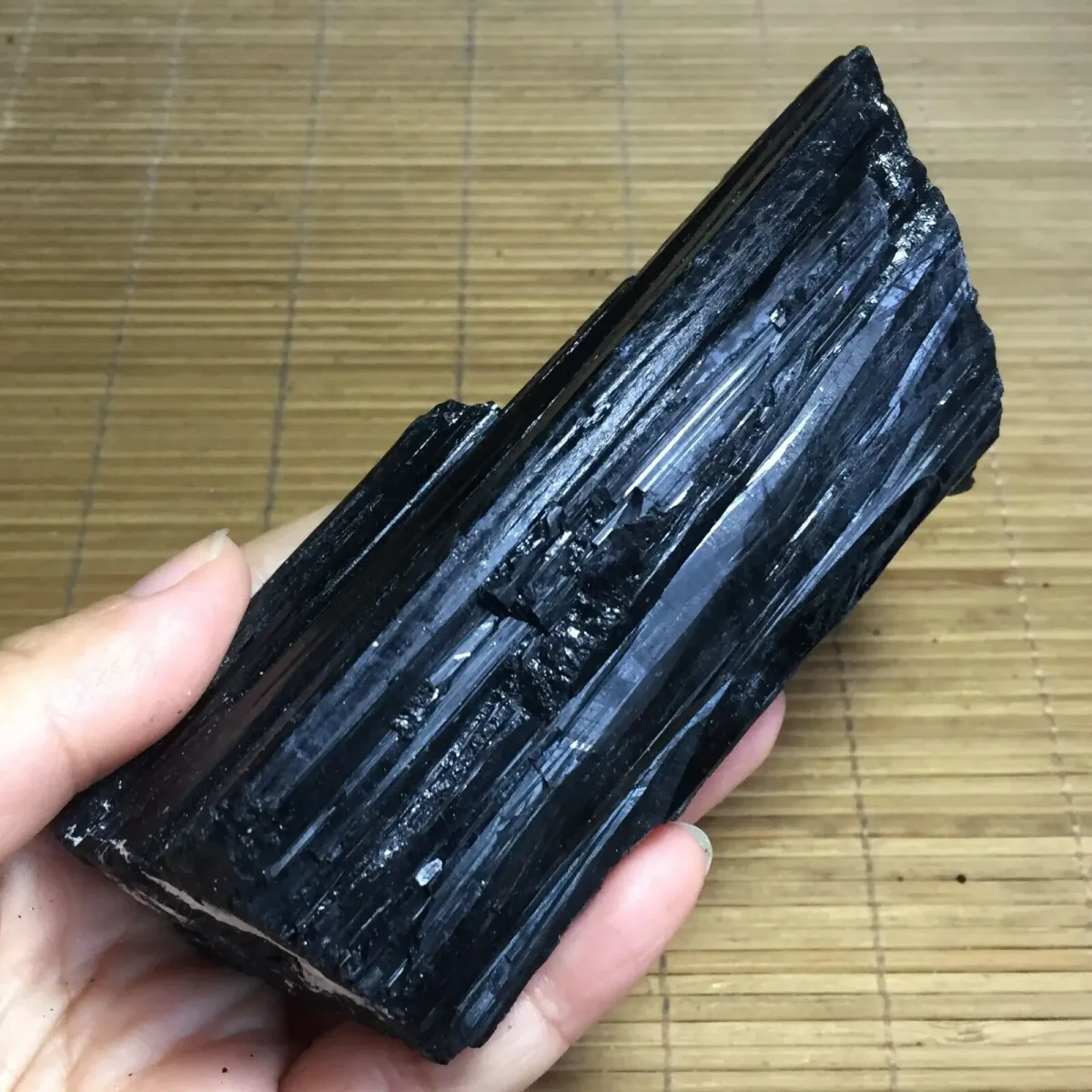
Image source: Bing (Web (fair-use with source credit))
If genuine fear persists, seek professional counseling. Therapists offer tools tailored to individual trauma responses. Unlike static objects, human connection adapts dynamically to changing needs.
Building relationships provides robust social support networks essential for recovery.
Consider technology-assisted safety devices. Personal alarms, GPS trackers, and emergency apps deliver immediate assistance. These solutions address physical vulnerabilities directly.
They operate independently of belief systems, ensuring reliability during crises. Technology saves lives; symbols comfort minds. Know the difference.
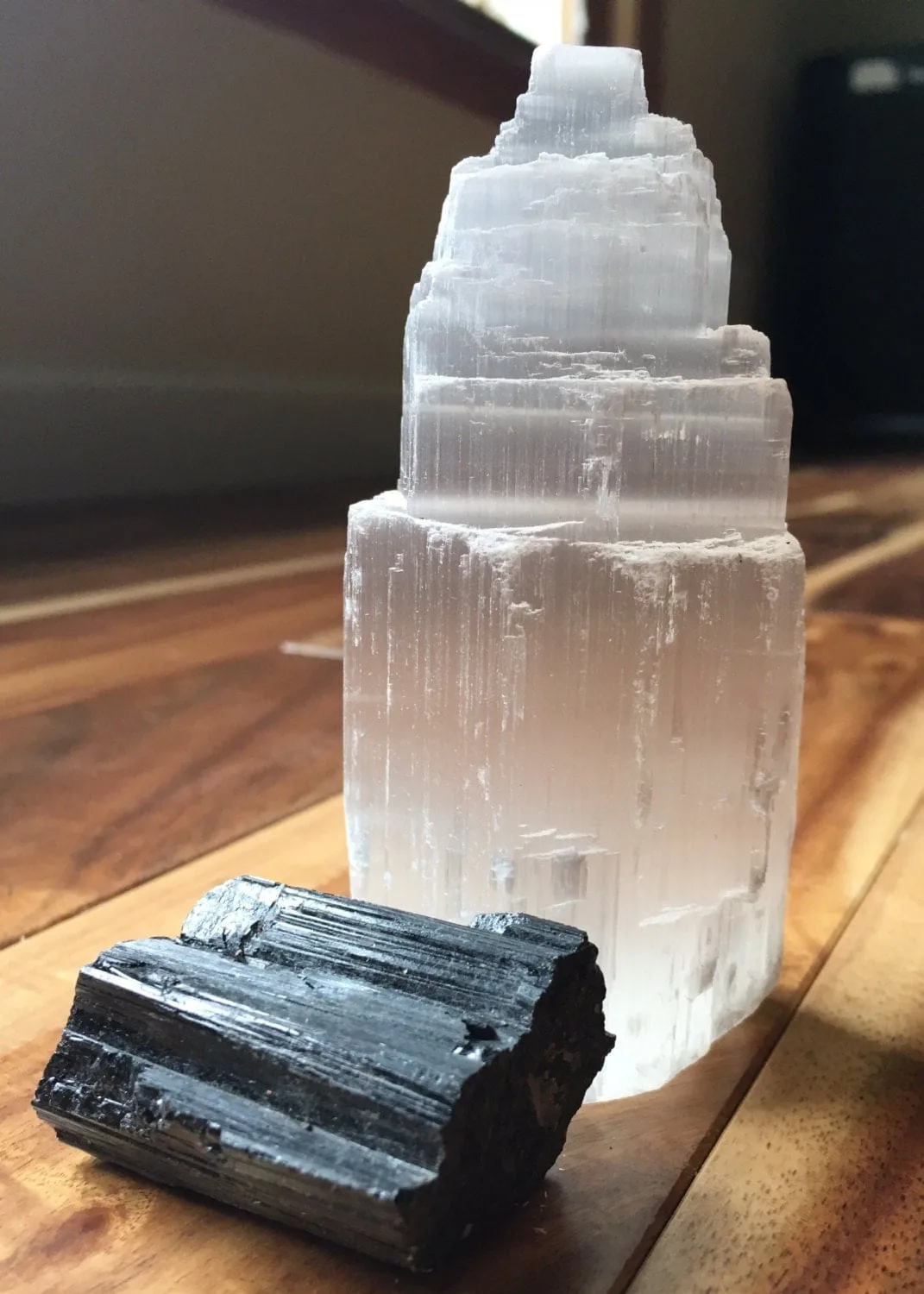
Black tourmaline and obsidian are popular alternatives in crystal circles. Many users report stronger grounding sensations with these darker stones. However, their effectiveness remains anecdotal.
Switching stones won’t fix underlying issues requiring systemic intervention. Evaluate options critically based on evidence, not popularity trends.
Black Tourmaline and Obsidian: Similar Vibes, Different Contexts
| Stone | Common Claim | Scientific Basis | Best For |
|---|---|---|---|
| Staurolite | Psychic Shielding | None | Meditation Focus |
| Chiastolite | Energy Clearing | None | Ritual Symmetry |
| Black Tourmaline | EMF Protection | Minimal/Debunked | Emotional Grounding |
| Obsidian | Truth Revelation | Psychological Projection | Shadow Work |
Note that EMF protection claims lack validation from bodies like the World Health Organization. Don’t assume switching stones solves technological anxieties. Address root causes through education and boundary-setting instead.
Knowledge empowers more than talismans ever could.
Frequently Asked Questions About Staurolite-Chiastolite Pairings
Do these stones actually block negative energy?
No, there is no scientific evidence that staurolite or chiastolite blocks any form of energy. These minerals are solid rock with fixed chemical compositions. They do not emit fields that interact with human bioenergies.
Any perceived effect comes from your own psychological focus and belief systems. Relying on them for literal protection leaves you vulnerable to real threats. Use them as mindfulness tools instead of magical shields.
This approach keeps you grounded in reality while honoring tradition.
Is it safe to wear both together daily?
Yes, wearing them together poses no physical health risks. Both stones are inert and non-toxic under normal conditions. You won’t suffer radiation exposure or allergic reactions from contact.
However, ensure the settings are secure if you use jewelry. Loose stones can pose choking hazards for children or pets. Check clasps regularly to prevent loss during active movement.
Physical safety isn’t the issue here, but practical durability matters. Treat them like any other accessory with care and attention.
How do I cleanse them before first use?
Use mild soap and lukewarm water for basic cleaning. Scrub gently with a soft brush to remove dust. Avoid ultrasonic cleaners since fractures may worsen with vibration.
Some practitioners prefer moonlight exposure for symbolic renewal. Place them on a windowsill overnight without direct sun. This ritual helps establish mental separation from previous owners.
It’s not scientifically necessary, but it aids psychological reset. Trust your intuition on which method feels right for you. Consistency in cleansing reinforces your intentional practice habits.
Can they help with anxiety attacks specifically?
They may serve as tactile anchors during high-stress moments. Holding a smooth stone can distract from racing thoughts. The weight provides sensory input that grounds scattered minds.
But this is a coping mechanism, not a cure for disorder. Anxiety disorders require professional diagnosis and treatment plans. Crystals alone cannot regulate neurotransmitters or hormonal imbalances.
Combine stone holding with deep breathing exercises for best results. Always consult a therapist for persistent or severe symptoms. Self-help tools work best alongside expert medical guidance.
Where should I place them in my home?
Put them where you spend significant quiet time. A bedside table supports evening reflection routines effectively. Entryways symbolize thresholds, fitting the cross motif nicely.
Avoid damp areas like bathrooms to prevent mineral degradation. Direct sunlight might fade certain inclusions over decades. Rotate their positions occasionally to maintain visual interest.
Placement affects how often you engage with them intentionally. High visibility increases the likelihood of consistent mindful interaction. Choose spots that encourage pause rather than passive display.

Similar Posts