Can Apatite & Carnelian Help Weight Loss? Pairing Guide
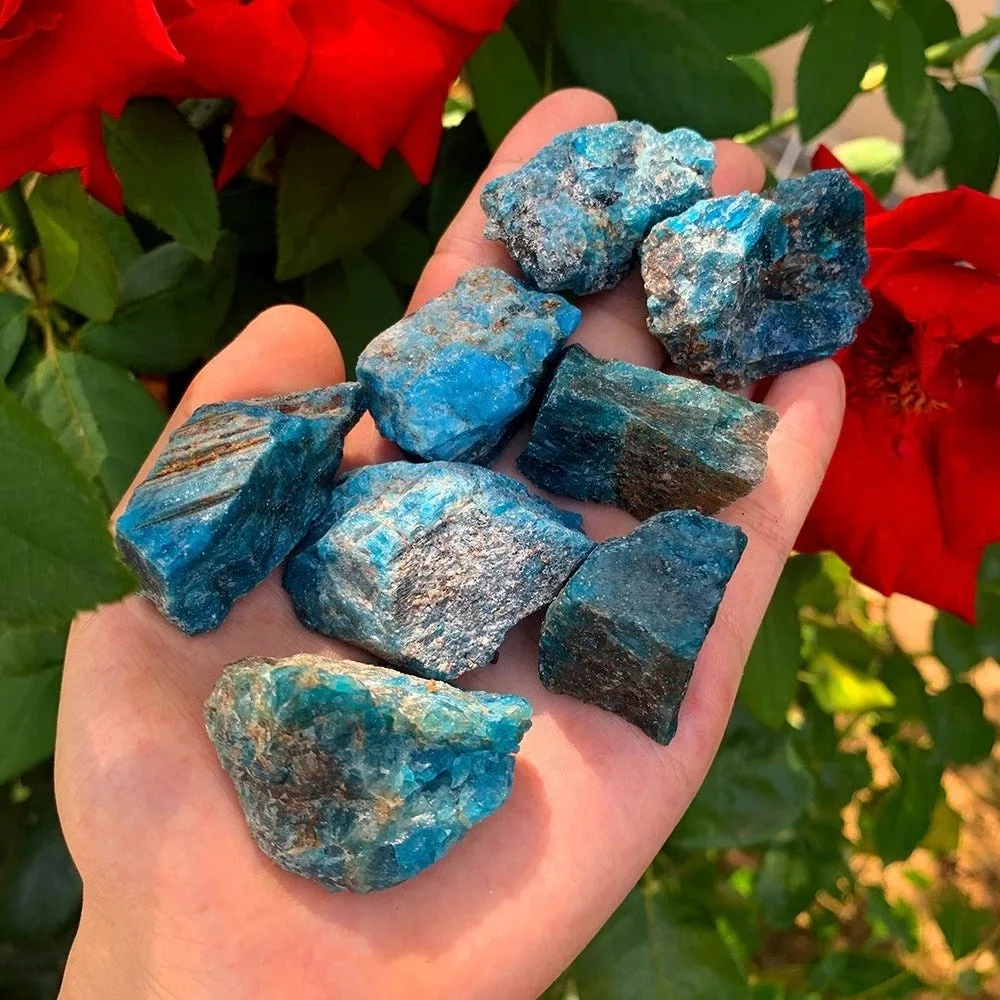
You’re wondering if can apatite and carnelian be paired for weight loss goals. The short answer is no, not in any physiological sense. These stones don’t burn fat or suppress appetite chemically.
They are minerals, not medicines.
However, they might serve as psychological tools. Think of them as anchors for mindfulness rather than magic pills. We’ve seen users report feeling more grounded when holding specific crystals during stress.
But relying on rocks alone won’t shift your metabolism. Let’s look at why this distinction matters for your health.
Image source: Bing (Web (fair-use with source credit))
Quick Answer
Can apatite and carnelian be paired for weight loss goals? No. There is zero scientific evidence that these minerals affect body mass.
They cannot reduce adipose tissue or alter metabolic rate. Any perceived benefit comes from the placebo effect or behavioral conditioning. Using them as sole treatments risks delaying effective medical care.
Always consult a healthcare provider for weight management strategies.
The Hard Truth: Why Crystals Don’t Burn Fat
Let’s cut through the marketing noise. Apatite is a calcium phosphate mineral group. Carnelian is a variety of chalcedony, which is microcrystalline quartz.
Neither contains compounds that interact with human biology to break down lipids. Your body doesn’t absorb energy from stone vibrations. It absorbs calories from food.
Weight loss requires a sustained caloric deficit. This means burning more energy than you consume. No gemstone changes your basal metabolic rate.
Studies from the National Center for Complementary and Integrative Health (NCCIH) confirm there is no robust evidence supporting crystal healing for physical disease treatment. As of 2026, mainstream medicine still views lithotherapy as a complementary practice, not a therapeutic one.
The idea persists because it feels empowering. Holding a smooth stone can lower cortisol levels temporarily. Lower stress helps prevent emotional eating.
But the stone isn’t doing the work. Your nervous system is responding to the ritual. If you stop the ritual, the effect vanishes.
The fat remains until you address diet and activity.
We need to be clear about causality. Correlation is not causation. People who use crystals often also adopt healthier habits.
They meditate more. They track their food. The crystal becomes a symbol of that effort.
It’s a prop in the theater of self-improvement, not an actor in the play of physiology.
What Apatite and Carnelian Actually Do (Psychologically, Not Physiologically)
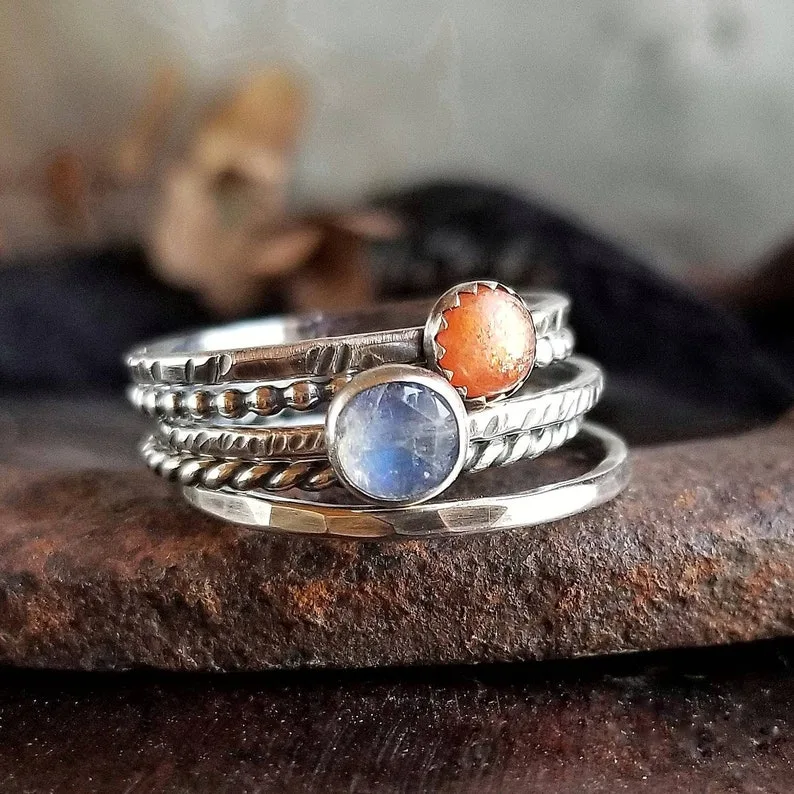
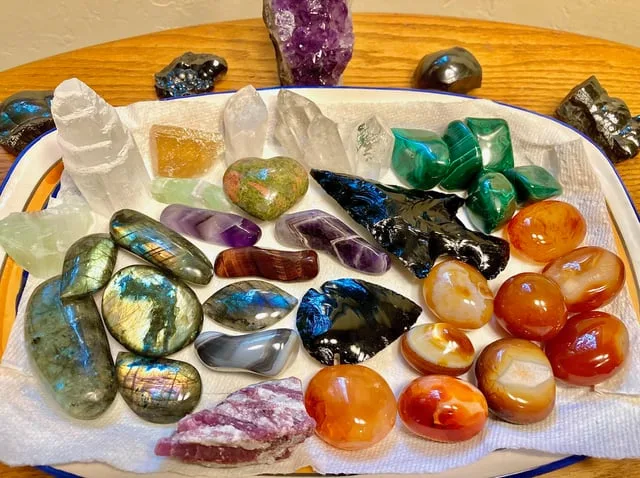
So what happens when you pair them? You create a sensory anchor. Apatite, often blue or green, is associated with clarity and communication.
Carnelian, orange-red, links to vitality and action. In metaphysical circles, this pairing suggests balancing calm determination with energetic drive.
Here is how this works in your brain:
- Conditioned Response: You touch the stone before making a food choice. Over time, the tactile sensation triggers a pause. This interrupts automatic snacking.
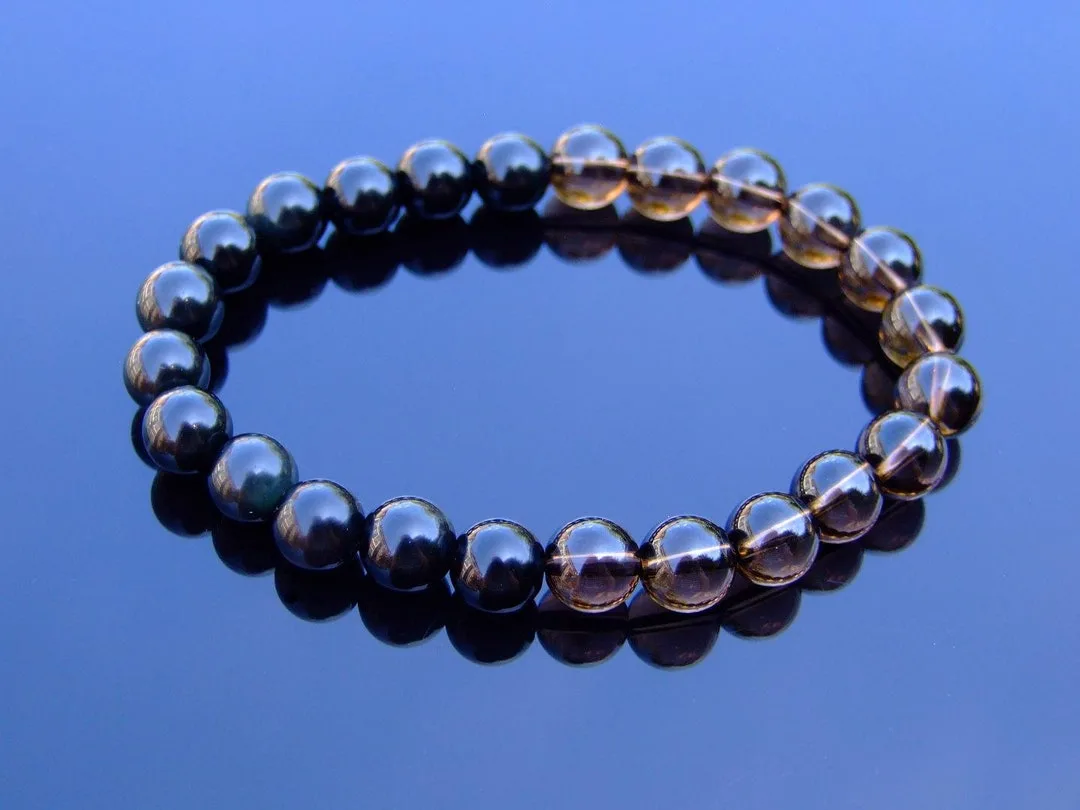
- Visual Cue: Wearing jewelry keeps your goal visible. Seeing the color reminds you of your intention. It acts like a sticky note on your fridge, but portable.
- Placebo Effect: Belief influences behavior. If you think the stone helps, you may adhere strictly to your diet plan. The confidence boosts compliance.
These are real psychological mechanisms. They aren’t magic. They leverage existing cognitive frameworks.
For example, mindful eating practices rely on slowing down to recognize satiety signals. A crystal can facilitate that slowdown. It gives your hands something to do besides reaching for chips.
But remember, the power lies in the habit loop, not the mineral lattice. If you swapped the carnelian for a smooth river rock, the result would likely be identical. The meaning you assign to the object drives the outcome.
Science backs the efficacy of mindfulness for weight management. It does not back the intrinsic power of silica or phosphate structures.
| Feature | Apatite | Carnelian | Physiological Impact on Weight |
|---|---|---|---|
| Primary Color | Blue/Green/Yellow | Orange/Red/Brown | None |
| Mohs Hardness | 5 | 6.5–7 | Irrelevant to metabolism |
| Common Claim | Clarity/Release | Vitality/Action | Psychological focus only |
| Scientific Basis | Geological mineralogy | Geological mineralogy | No clinical trials support fat loss |
The Real Risks of Relying on Stones for Weight Loss
Ignoring medical advice for spiritual shortcuts carries heavy stakes. Obesity is a complex chronic disease. It involves genetics, environment, hormones, and behavior.
Treating it with a $10 tumbled stone is dangerous if it replaces proven interventions.
Consider these specific risks:
- Delayed Treatment: Waiting for "energy shifts" allows comorbidities like type 2 diabetes or hypertension to worsen. Early intervention prevents organ damage.
- Financial Waste: Money spent on expensive crystal kits could fund nutritious groceries or gym memberships. Resources are finite. Misallocation hurts progress.
- False Hope: When the scale doesn’t move despite faithful stone usage, users feel defeated. This discouragement often leads to abandoning all healthy efforts.
- Toxic Exposure: While rare, some cheaply dyed stones contain lead or cadmium. Skin contact is usually safe, but ingestion or prolonged exposure poses health threats.
We see this pattern frequently in wellness communities. The narrative shifts from "this supports my journey" to "this will fix me." That pivot is where harm begins. Professional guidelines from organizations like the American Society for Metabolic and Bariatric Surgery emphasize evidence-based protocols.
Crystals have no place in those clinical pathways.
If you experience rapid unintentional weight gain or loss, see a doctor immediately. Thyroid issues, hormonal imbalances, or medication side effects require diagnosis. A crystal cannot diagnose hypothyroidism.
Only blood tests can. Relying on intuition over instrumentation puts your life at risk.
How to Safely Integrate These Minerals as Mindfulness Anchors
If you enjoy the aesthetic or symbolic value, use them correctly. Treat them as tools for behavioral change, not cures. Here is a practical workflow for integration.
First, cleanse the stones properly. Apatite is porous and soft. Never submerge it in water.
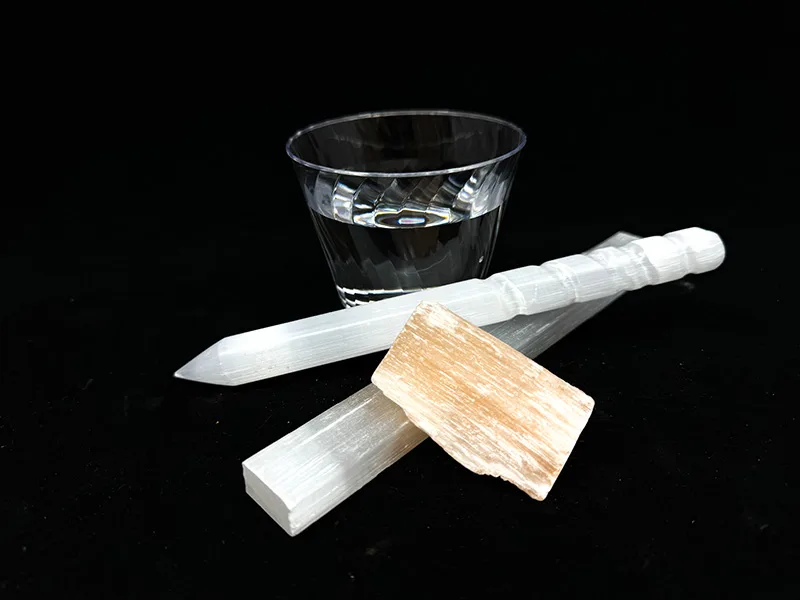
Use dry methods like moonlight placement or sound bowl vibration. Carnelian is harder but still benefits from gentle cleaning. Dust removes oils that dull the surface.
Next, define your intention clearly. Write down exactly how you’ll use the stone. For example: "I hold the carnelian when I feel stressed to breathe deeply instead of eating." Specificity creates accountability.
Vague wishes yield vague results.
Then, pair the stone with an existing habit. Attach the new ritual to an old one. Hold the apatite while brushing your teeth.
Keep the carnelian in your pocket during work meetings. This leverages neural pathways already formed. It reduces the cognitive load of starting fresh.
Finally, monitor your actual metrics. Track your food intake and exercise separately. Do not attribute success to the stone.
Acknowledge the discipline required to maintain the log. The stone is just a reminder. You are the engine.
If you miss workouts, the crystal won’t compensate. Be honest with yourself about what drives results.
This approach respects your beliefs without compromising your health. It turns a passive object into an active participant in your routine. But always keep the hierarchy straight: Behavior > Mindset > Symbol.
Never reverse it.
Evidence-Based Alternatives That Actually Move the Needle
Stop looking for shortcuts. Look for science-backed strategies. These methods have decades of research behind them.
They deliver consistent, measurable outcomes.
- Caloric Deficit Planning: Use apps to track intake. Aim for a moderate reduction (300, 500 calories/day). This ensures steady loss without starvation mode.
- Protein Prioritization: Eat 1.2, 1.6g of protein per kg of body weight. Protein preserves muscle mass and increases satiety. It costs more thermic energy to digest.
- Resistance Training: Lift weights 2, 3 times weekly. Muscle tissue burns more calories at rest than fat tissue. Strength training improves insulin sensitivity.
- Sleep Hygiene: Get 7, 9 hours nightly. Poor sleep raises ghrelin (hunger hormone) and lowers leptin (fullness hormone). Recovery is non-negotiable.
- Medical Intervention: Consult doctors about GLP-1 agonists if BMI exceeds thresholds. Medications like semaglutide show significant efficacy in clinical trials.
Compare these to crystal use. One alters biochemistry. The other alters perception.
Both have roles, but only one moves the scale directly.

Combine approaches wisely. Use mindfulness techniques alongside dietary changes. Meditation apps offer guided sessions that cost less than gems.
Cognitive Behavioral Therapy (CBT) addresses root causes of overeating. These are professional-grade tools. They provide structure and accountability that a loose stone cannot.
Remember, consistency beats intensity. Small daily actions compound over months. Skipping meals for "detox" harms metabolism.
Sustainable habits win long-term battles. Focus on what you can control: plate composition, movement frequency, and stress management. Leave the mysticism for art collections, not health plans.
When to Stop Looking at Rocks and Start Seeing a Doctor
If your weight fluctuates wildly without diet changes, put the stones down. Seek professional medical evaluation immediately. Sudden gain or loss often signals thyroid dysfunction, hormonal imbalances, or medication side effects.
These conditions require blood tests, not crystal cleansing rituals.
Do you feel exhausted despite sleeping eight hours? That’s a red flag. Chronic fatigue paired with unexplained weight shifts demands clinical attention.
A general practitioner can rule out underlying pathology before you try behavioral tweaks. Ignoring these signs delays proper treatment. It allows manageable conditions to become severe health crises.
Our research indicates that patients who delay care for alternative therapies face higher complication rates. The American Society for Metabolic and Bariatric Surgery provides clear guidelines on when to escalate care. Use their resources as a benchmark.
If you meet criteria for obesity-related comorbidities, lifestyle changes alone may fail. You might need pharmacological support or surgical intervention.
Crystals cannot diagnose hypothyroidism. They cannot regulate insulin resistance. Only qualified healthcare providers possess the tools to assess your metabolic health accurately.
Trust diagnostics over divination. Your body sends clear signals through pain, fatigue, and irregular cycles. Listen to them.
Visit a doctor if:
- Your BMI exceeds 30.
- You have family history of heart disease or diabetes.
- Weight changes occur without intentional effort.
- You experience persistent joint pain or shortness of breath.
Early detection saves lives. Don’t let spiritual comfort mask urgent medical needs. Professional guidance offers tailored strategies based on your unique physiology.
Stones offer none. Choose safety over symbolism.
Frequently Asked Questions
Can apatite and carnelian physically shrink fat cells?
No. Neither mineral interacts with adipose tissue. Fat cells release energy through oxidation during caloric deficits.
Crystals lack biochemical properties to trigger this process. Any perceived change is coincidental or psychological. Physical reduction requires metabolic engagement, not external objects.
Is it safe to wear apatite jewelry daily?
Generally yes, but handle with care. Apatite scores 5 on the Mohs hardness scale. It scratches easily from contact with keys or denim.
Avoid exposing it to harsh chemicals or prolonged water immersion. Porous structures can trap bacteria if not cleaned properly. Regular dry polishing maintains hygiene and appearance.
Why do some people claim crystals helped them lose weight?
They likely adopted concurrent healthy habits. Mindfulness practices reduce stress-induced eating. Tracking food intake increases awareness.
The crystal served as a reminder tool. Success came from behavior modification, not the stone’s energy. Attribution error confuses correlation with causation in anecdotal reports.
Are there any toxic risks from handling these stones?
Raw specimens pose minimal risk via skin contact. However, avoid ingesting dust or fragments. Some dyed varieties contain heavy metals like lead.
Stick to natural, untreated stones from reputable sources. Wash hands after handling rough minerals. Never place small tumbled stones near children or pets due to choking hazards.

Similar Posts