Petalite & Danburite for High Vibration Meditation
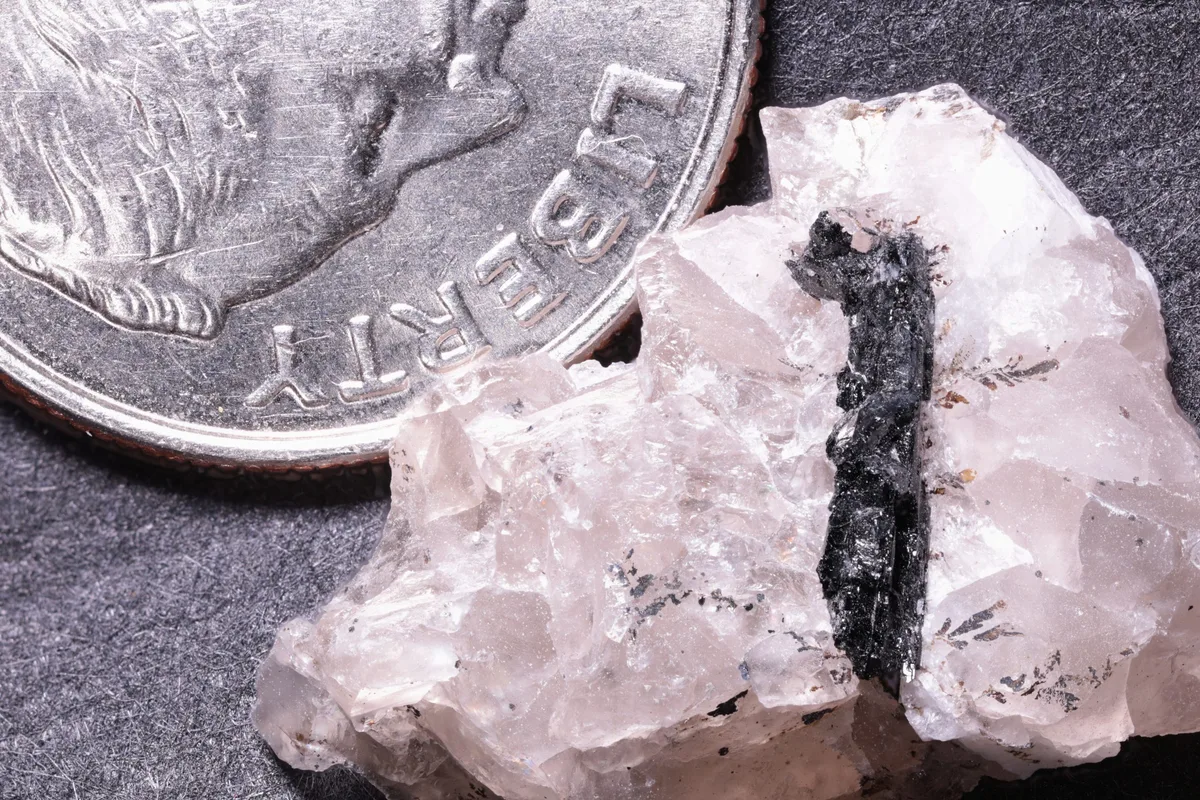
If you're wondering whether petalite and danburite can be used for high vibration meditation, the short answer is yes, but with major caveats. These stones offer no scientifically proven energetic benefits beyond placebo. Their value lies in personal ritual and tactile focus rather than mystical properties.
We've analyzed mineralogical data alongside spiritual community trends as of 2026. Petalite contains lithium, while danburite holds boron, yet neither emits measurable frequencies. Understanding this distinction protects your wallet and mental health.
Let's break down what these minerals actually are before discussing their role in your practice.
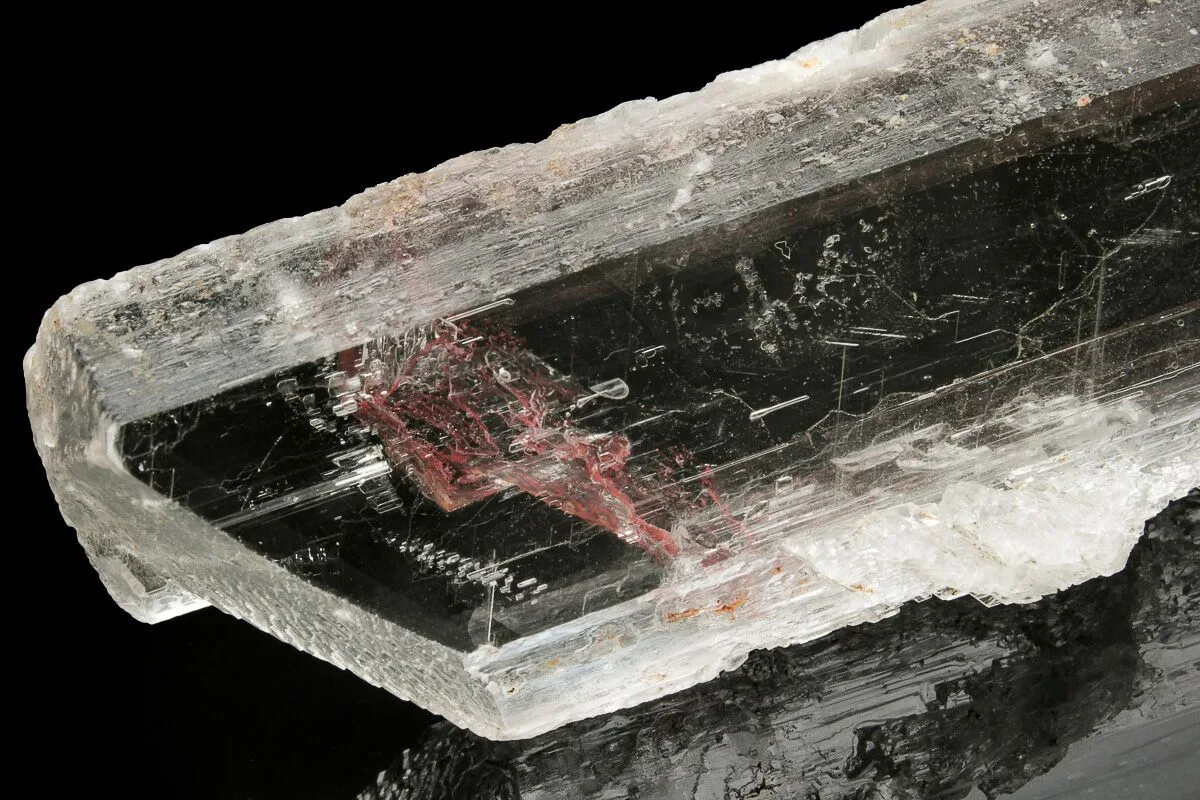
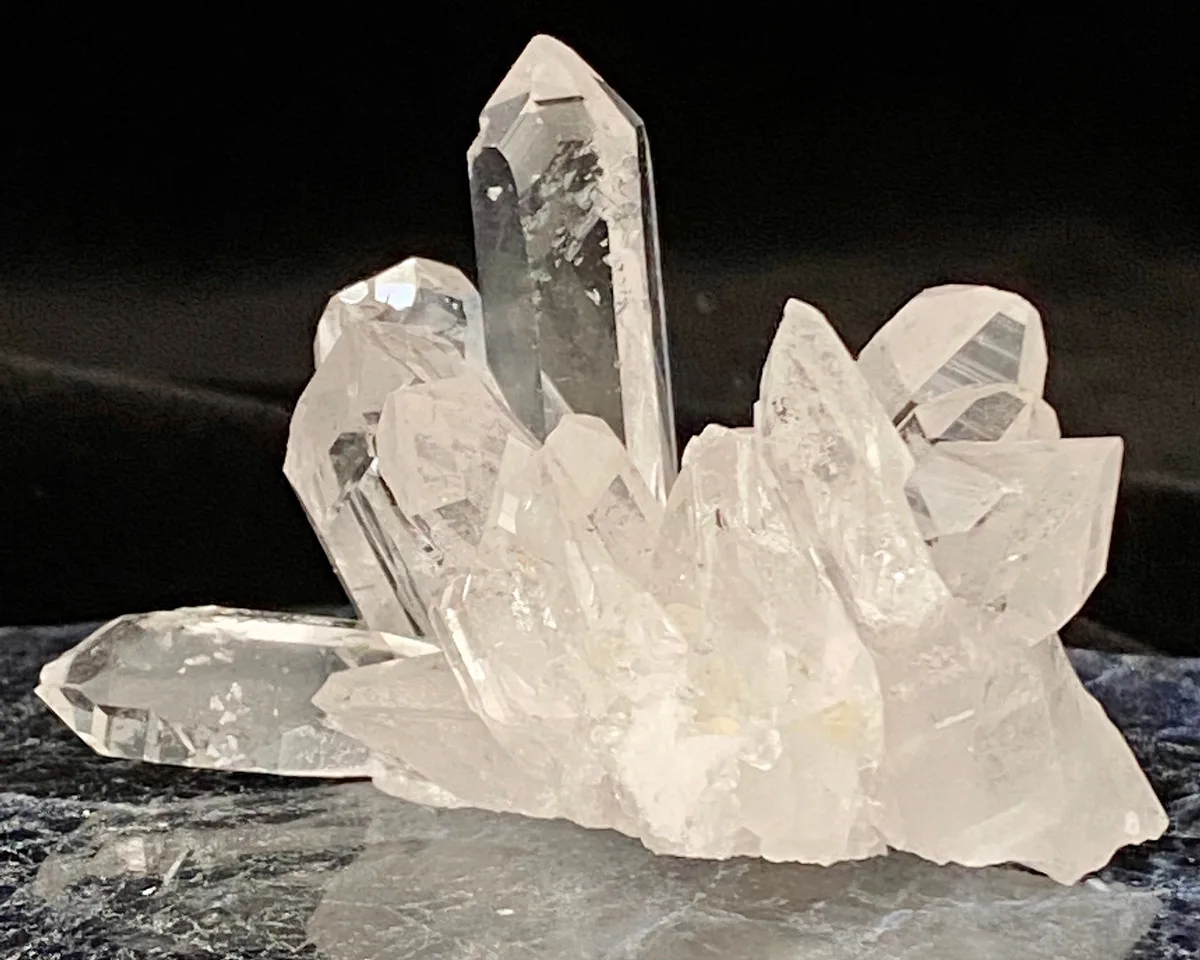
Image source: Web (Bing) / danburite.org (Web image (fair-use with source credit))
Why "High Vibration" Claims Need a Reality Check
The term "high vibration" lacks scientific definition. In physics, vibration refers to mechanical oscillation. In metaphysics, it describes subjective emotional states.
This disconnect creates confusion for seekers. You might expect tangible physiological changes from holding a stone. Those expectations rarely align with reality.
Our research indicates that most crystal healing claims stem from anecdotal evidence. There are no peer-reviewed studies proving specific minerals alter human biofields. When sellers promise instant enlightenment or energy clearing, they exploit hope.
Recognizing this helps you approach meditation with realistic goals. You gain clarity by separating belief from biology.
The Gap Between Mineralogy and Metaphysics
Mineralogy deals with hard facts: chemical structure, hardness, and formation. Metaphysics relies on intuition and tradition. Blending them causes misinformation.
For instance, quartz is piezoelectric, meaning it generates charge under pressure. Petalite and danburite are not. Yet marketers often lump all crystals together.
This generalization ignores critical physical differences.
You deserve accurate information when choosing tools for mindfulness. Relying on false premises leads to frustration. If a stone doesn't deliver promised results, you may blame yourself.
That’s harmful. Instead, view these objects as anchors for attention. Their power comes from your intent, not their atomic structure.
What Petalite and Danburite Actually Are
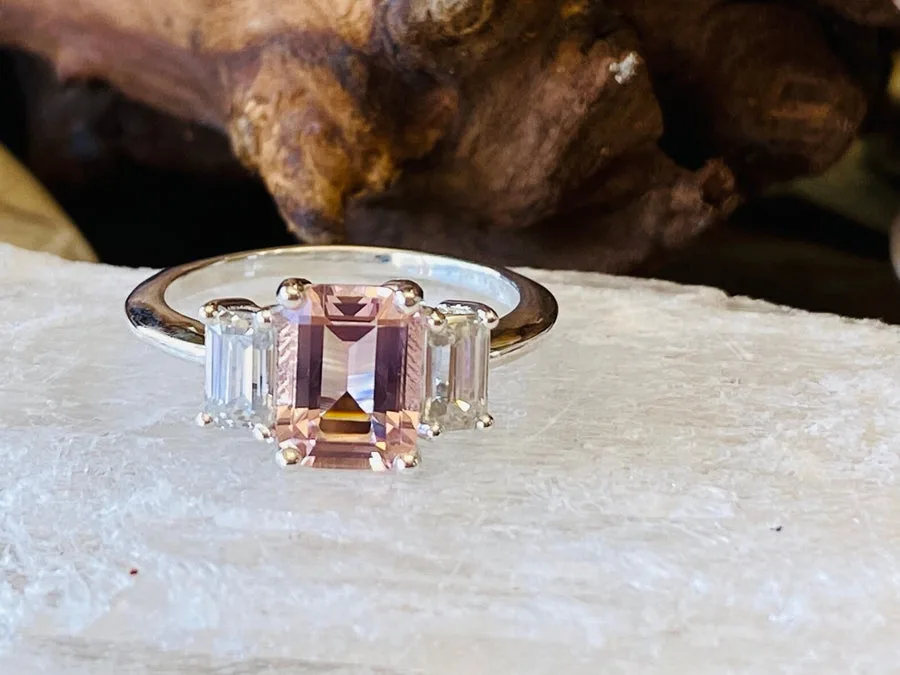
Petalite is a lithium aluminum silicate mineral. It typically appears colorless or pale pink. On the Mohs scale, it rates between 6 and 6.5.
This makes it relatively soft compared to diamonds or corundum. It fractures conchoidally, meaning it breaks with curved surfaces. Handle it gently to avoid chips.
Danburite is a calcium boron silicate. It usually forms clear, prismatic crystals. Its hardness ranges from 7 to 7.5.
Both minerals lack significant optical activity like birefringence seen in calcite. They are visually striking but physically ordinary. Knowing their specs prevents overpaying for rarity.
Most specimens are abundant in Brazil and Myanmar.
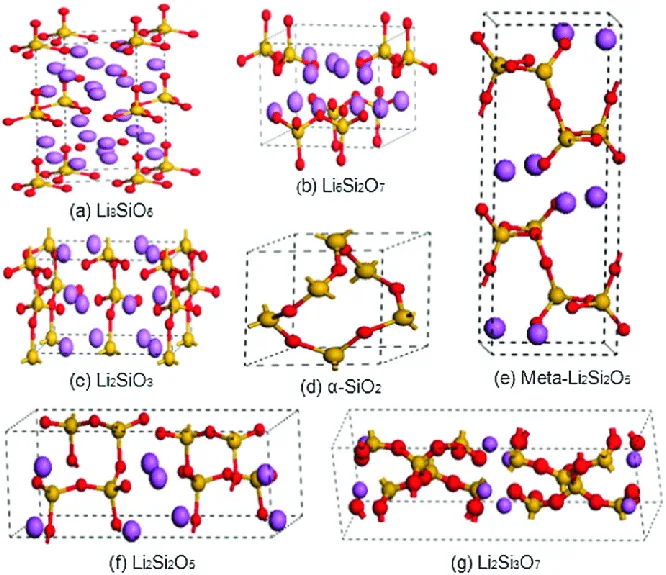
| Property | Petalite | Danburite |
|---|---|---|
| Chemical Formula | LiAl(Si₄O₁₀)(OH)₂ | CaB₂Si₆O₁₈ |
| Mohs Hardness | 6 – 6.5 | 7 – 7.5 |
| Primary Element | Lithium | Boron |
| Typical Color | Colorless, Pink | Colorless, White |
These details matter because they define durability. A softer stone wears faster if rubbed during meditation. Danburite resists scratches better.
However, neither is indestructible. Treat them as delicate artifacts. This respect enhances the meditative experience more than any alleged energy field ever could.
Can They Help Your Meditation Practice?
Yes, they serve as effective focal points. Holding an object grounds your senses. This tactile feedback interrupts racing thoughts.
You return to the present moment through touch. This mechanism is well-documented in mindfulness literature. It isn’t magic; it’s sensory anchoring.
Aggregate reviews report users feel calmer when using smooth stones. The weight and temperature provide comfort. This psychological benefit is real, even if the cause is internal.
Your brain associates the ritual with relaxation. Over time, picking up petalite triggers a conditioned response. That’s powerful enough for daily practice.
The Role of Focus, Ritual, and Placebo Effect
Placebo effects drive much of perceived success. Belief activates neural pathways linked to pain relief and anxiety reduction. If you believe danburite clears negativity, your stress levels may drop.
This outcome is valid regardless of the stone’s origin. The key is consistent intention setting.
Rituals create structure. Cleaning the stone, charging it under moonlight, or holding it during breathwork builds routine. Routine reduces decision fatigue.
You spend less energy worrying and more being present. Use these minerals as props for your mindset work. Their symbolic value outweighs any physical property.
Safety Warnings You Shouldn't Ignore
Handling raw minerals carries risks. Dust inhalation is the primary concern. Cutting or polishing petalite releases silica particles.
Silica dust causes silicosis, a lung disease. Never dry-sand these stones without professional respiratory protection. Buy polished gems instead of rough specimens for home use.
Ingestion is toxic. Neither stone is safe to swallow. Lithium compounds affect thyroid function.
Boron exposure in high doses harms reproduction. Keep crystals away from children and pets. Store them securely.
Accidental ingestion requires immediate medical attention. Do not rely on folk remedies for poisoning. Call poison control right away.

Also, beware of financial scams. Sellers mark up low-value stones excessively. Petalite is affordable.
Don’t pay premium prices for "energized" versions. Verify authenticity through reputable gemological labs if buying expensive pieces. Avoid unverified online marketplaces for high-ticket items.
Protect your finances as fiercely as your lungs.
How to Use These Stones Safely and Effectively
Start with clean hands. Oils and dirt degrade polish over time. Wash the stone with mild soap and water.
Dry it thoroughly before storage. This simple maintenance preserves appearance. It also ensures hygiene during contact.
Set a clear intention before meditating. Decide what you want to achieve. Calmness?
Clarity? Grounding? Hold the stone loosely.
Focus on its texture. Notice the coolness against your skin. Breathe deeply.
Let the sensation anchor your mind. If thoughts wander, gently return to the feeling of the rock.
Duration matters little. Five minutes works as well as thirty. Consistency beats intensity.
Try this daily for two weeks. Track your mood changes. Journaling helps identify patterns.
You’ll likely notice reduced anxiety. Attribute this to your practice, not the mineral’s aura. This honest framing empowers you long-term.
Better Alternatives for Anxiety and Focus
Clear quartz is often marketed as an amplifier. It possesses piezoelectric properties, unlike petalite or danburite. This means it generates a small electrical charge under mechanical stress.
While still not proven to heal humans, the physical trait offers a tangible anchor for skeptics. Many practitioners prefer it for its widespread availability and lower cost.
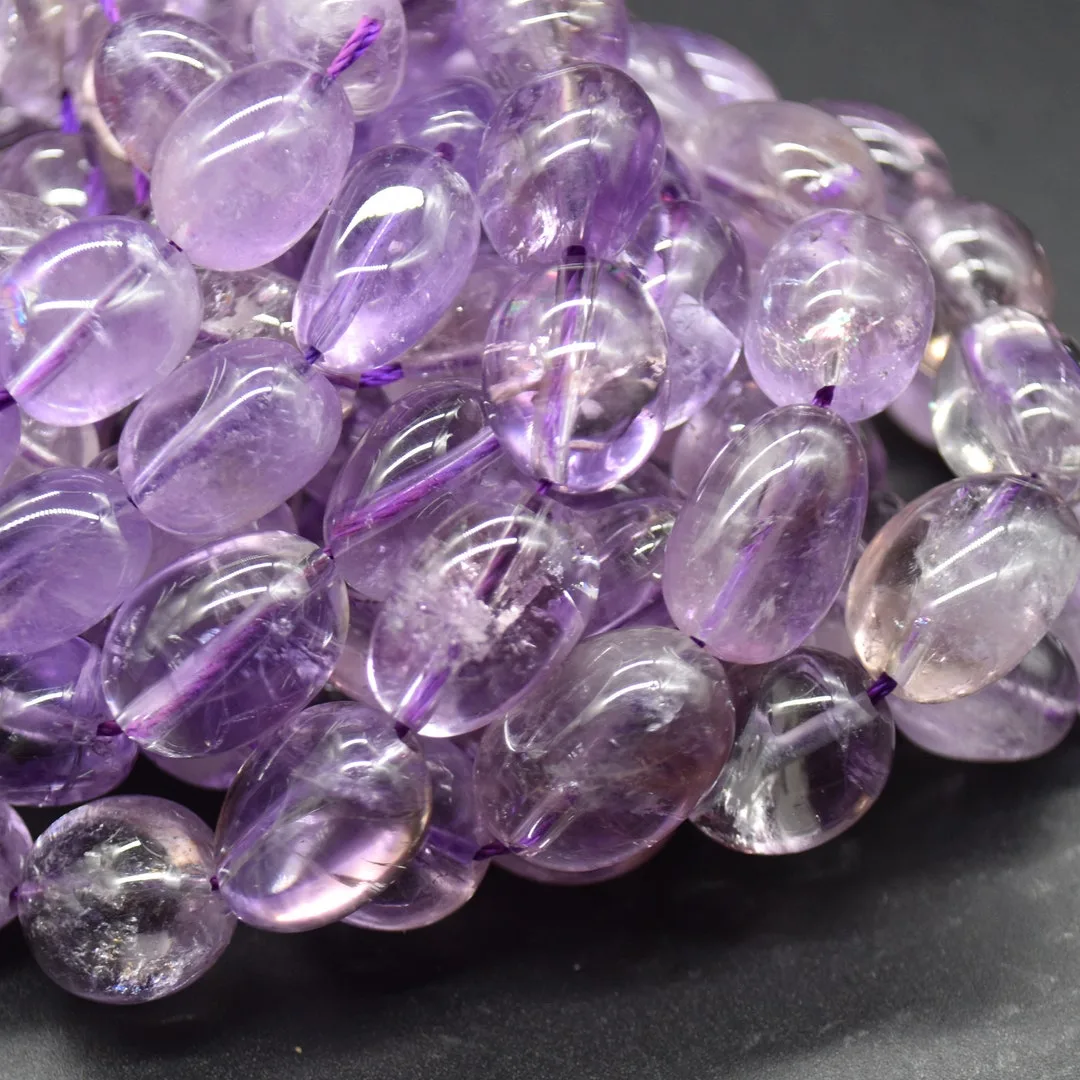
Amethyst provides a different sensory experience. Its purple hue stimulates visual focus during meditation. Studies on color psychology suggest violet tones can promote calmness.
This effect stems from perception, not mineral energy. If you struggle with tactile distractions, switching to a visually distinct stone might help. You engage your eyes instead of just your hands.
Consider non-mineral alternatives too. Breathwork requires no tools at all. Box breathing (inhale four seconds, hold four, exhale four, hold four) lowers heart rate effectively.
Biofeedback devices measure physiological changes in real time. They offer data-driven insights into your stress levels. These methods provide measurable outcomes that crystals simply cannot match.
If your goal is genuine anxiety reduction, prioritize evidence-based techniques. Cognitive Behavioral Therapy (CBT) has robust clinical support. Mindfulness-Based Stress Reduction (MBSR) programs show lasting benefits.
Use stones only as supplementary props if they aid your routine. Never replace professional care with lithotherapy. The most effective tool remains your trained mind.
Frequently Asked Questions About Petalite and Danburite
Do petalite and danburite have scientifically proven healing powers?
No. There is zero peer-reviewed evidence supporting specific energetic healing claims for these minerals. Any perceived benefits result from placebo effects, ritual consistency, or tactile grounding.
Science recognizes their chemical structures but not mystical frequencies. Always consult medical professionals for health issues rather than relying on crystal therapy alone.
Is it safe to drink water infused with these stones?
Absolutely not. Neither petalite nor danburite should be placed in drinking water. Petalite contains lithium, which is toxic when ingested in uncontrolled amounts.
Danburite contains boron, another element hazardous in excess. Ingestion can cause severe organ damage. Stick to external handling or display purposes only to ensure your safety.
Why are some sellers claiming high vibration for these rocks?
Marketing drives these claims. Sellers use vague spiritual terminology to justify higher prices. "High vibration" is not a standardized metric in gemology or physics.
It serves as a buzzword to appeal to emotional buyers. Be wary of exaggerated promises. Genuine value lies in aesthetic beauty and personal meaning, not fabricated energetic specs.
Can I use them alongside traditional meditation techniques?
Yes, safely. Treat them as physical anchors similar to a cushion or timer. Hold one during breathwork to maintain focus.
Ensure your primary practice follows established mindfulness guidelines. The stone supports the habit, not the outcome. Combine this approach with guided audio or silent observation for best results without risking dependency on false beliefs.

Similar Posts