Can Dendritic & Moss Agate Help Your Garden Plants?
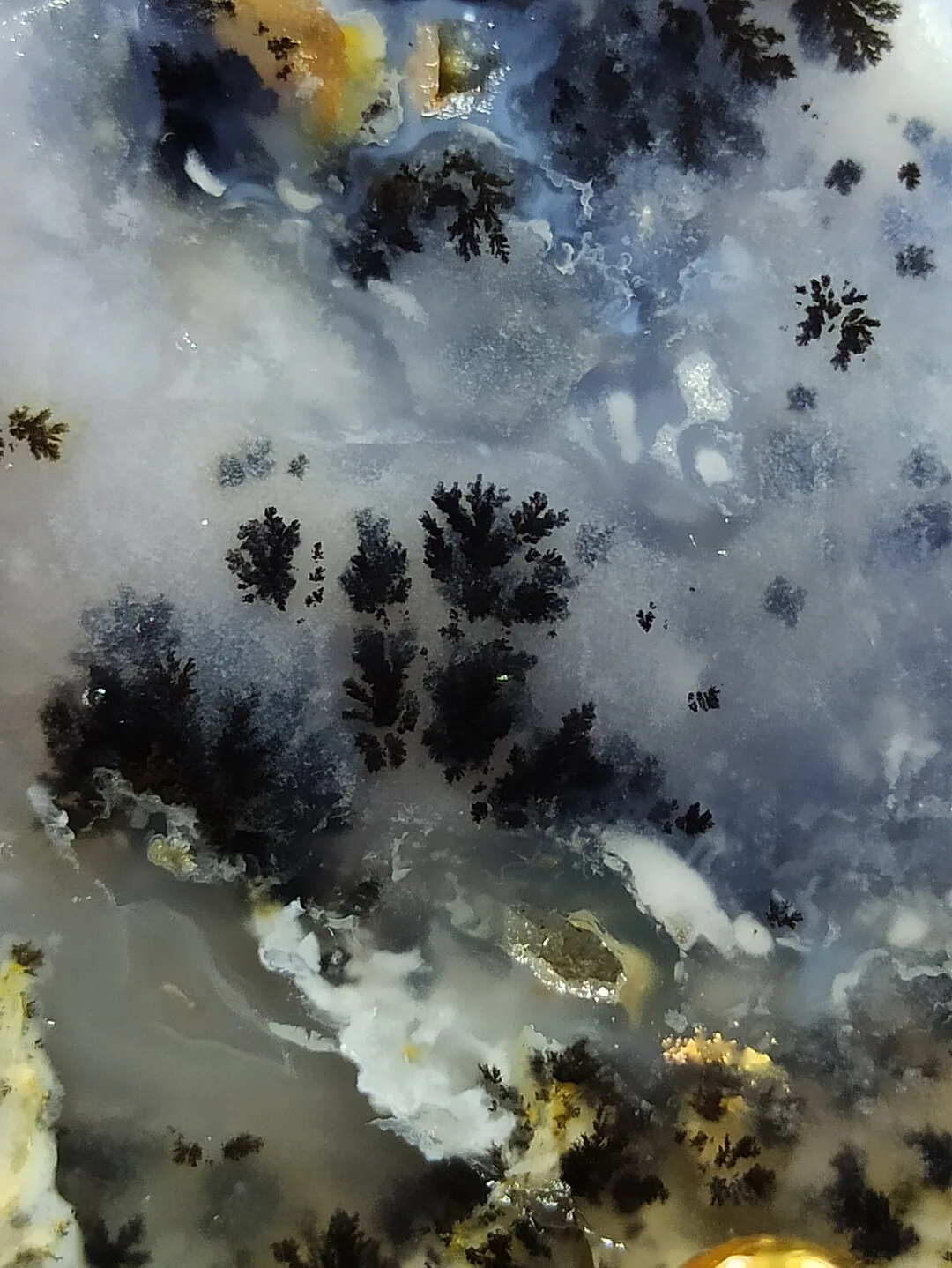
Can dendritic agate and moss agate be used for garden plants? Yes, but only as decorative elements or physical barriers. They offer zero nutritional value to your soil.
In fact, relying on them for plant health is a common misconception that leads to wasted money and struggling crops. These stones are chemically inert forms of chalcedony. They do not release minerals into the ground.
Their primary role in horticulture is aesthetic enhancement and weed suppression.
Our research indicates that while these gems look striking among ferns, they lack the organic matter needed for robust growth. The Mohs hardness of 6.5 to 7 ensures durability against weathering. However, this same density means they retain little heat compared to darker basalt.
You must distinguish between visual appeal and biological function. Let’s break down exactly where these stones fit in your landscape design.
Quick Answer
Yes, you can use dendritic and moss agate in gardens. They serve strictly as decorative top dressings. These stones provide no nutrients to plants.
Use them for weed suppression or visual contrast. Avoid expecting any growth benefits from the minerals themselves.
The Reality Check: Agates Don’t Feed Plants
Many crystal enthusiasts believe gemstones emit energies that boost vitality. There is no scientific evidence supporting this claim in botany. Dendritic agate consists primarily of silicon dioxide with manganese oxide inclusions.
Moss agate contains chlorite or epidote trapped within quartz. Neither composition releases nitrogen, phosphorus, or potassium.
Plants absorb nutrients through their roots in soluble ionic forms. Solid rock does not dissolve quickly enough to feed a tomato vine. Per USDA guidelines on soil amendments, only organic matter or specific chemical fertilizers alter nutrient availability.
Adding agates changes nothing about the soil chemistry.
Think of agates like placing marbles in a fish tank. They don’t filter water or add oxygen. They just sit there.
If you expect your hostas to grow larger because of nearby crystals, you’ll be disappointed. The benefit is purely psychological for the gardener, not physiological for the plant.
We’ve seen countless forums where users report "miraculous" growth after adding stones. Usually, this coincides with improved watering habits or seasonal changes. Correlation isn’t causation.
Stick to compost for food. Save the agates for show.
When to Use Dendritic and Moss Agate in Your Garden
For Aesthetic Impact and Hardscaping
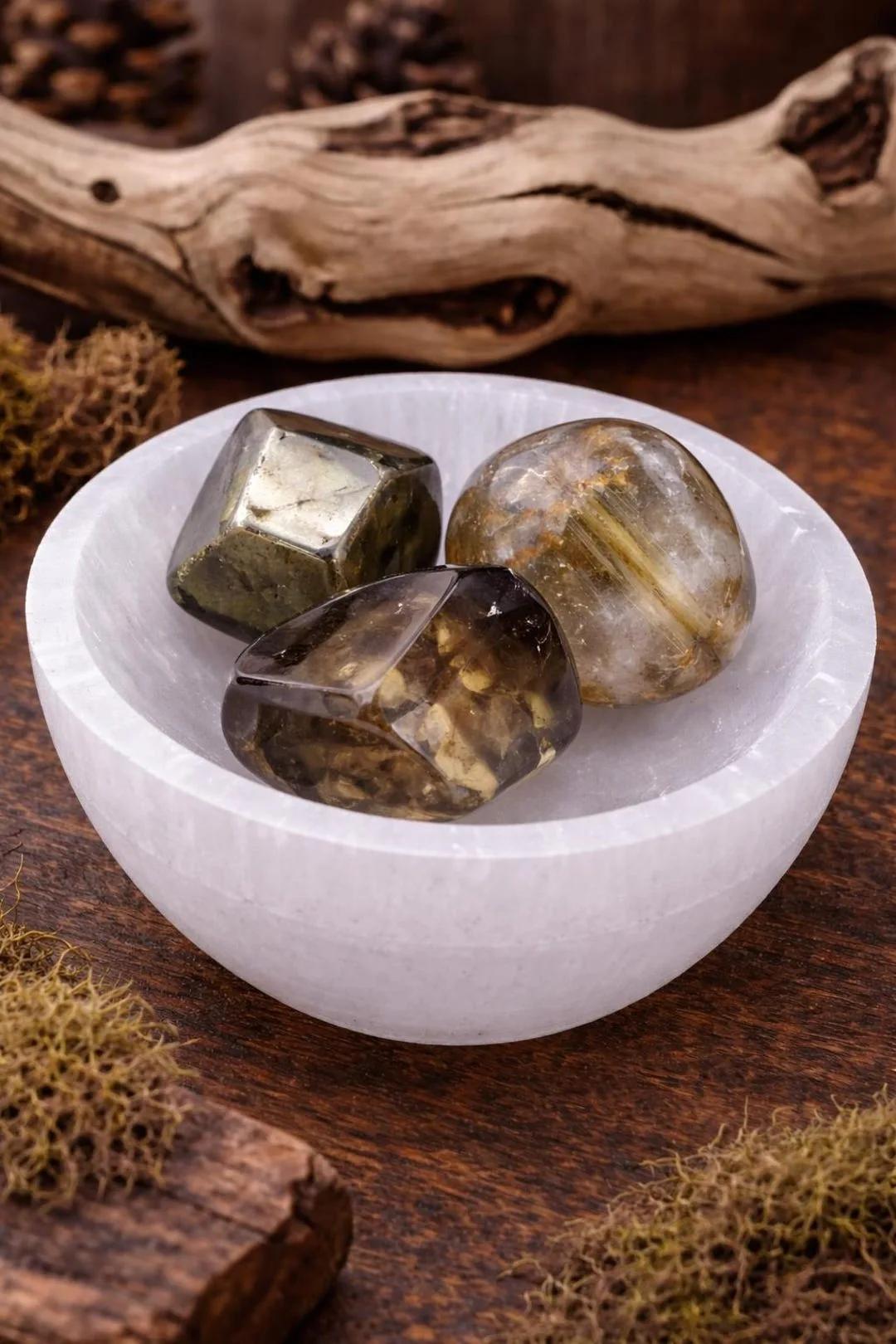
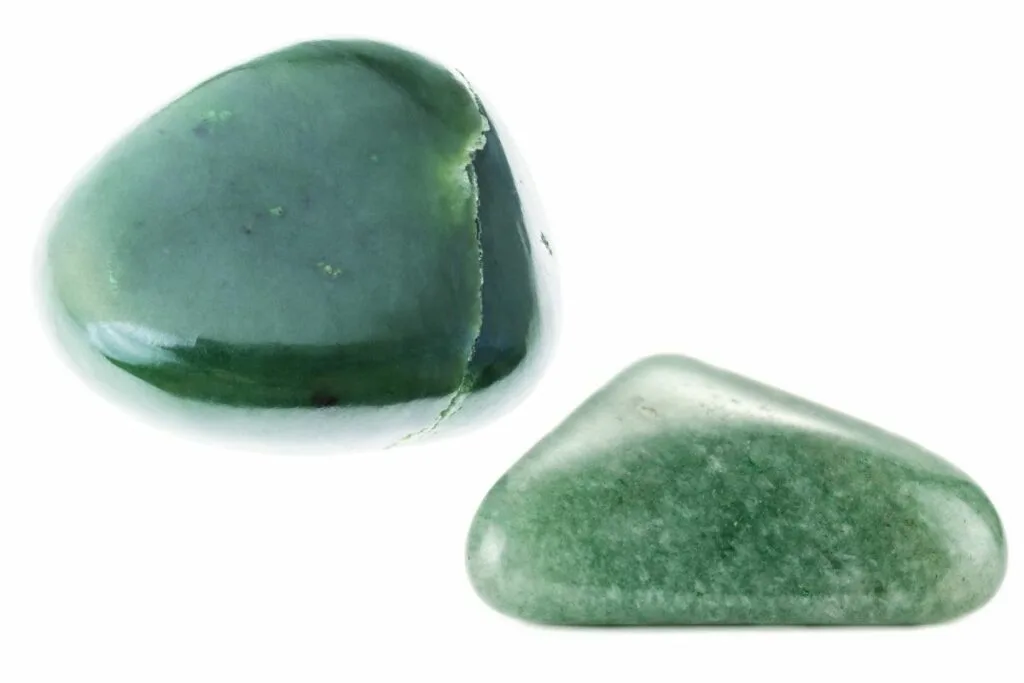
Use these stones when visual texture matters more than soil biology. Dendritic patterns mimic fern fronds, creating a natural echo in shaded beds. Moss agate offers soft green hues that complement variegated leaves.
Place them along pathways or at the base of specimen trees.
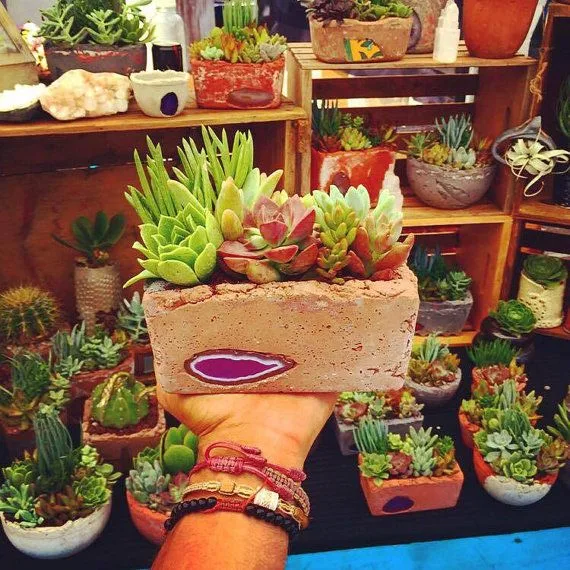
They work best in xeriscapes or rock gardens where drainage is key. The hard surface prevents mud splashing onto lower foliage. This keeps plants cleaner during heavy rains.
Consider using tumbled pieces for container tops. Sharp edges on raw chunks can hurt bare feet or pets.
As a Functional Inorganic Mulch Layer
Agates act as a physical barrier against weeds. A two-inch layer blocks sunlight from reaching weed seeds. This reduces germination rates significantly.
Unlike wood chips, they never decompose. You won’t need to replenish them annually.
However, they don’t regulate soil temperature well. Dark stones may absorb slight heat, but light-colored agates reflect it. In hot climates, this reflection can stress shallow-rooted plants.
Monitor soil moisture closely under stone mulch. Water penetrates easily, but evaporation might increase if the layer is too thin.
Why Organic Mulch Still Wins for Plant Health
Organic mulches like bark, straw, or shredded leaves actively improve soil structure. As they break down, they add humus. This increases water retention and cation exchange capacity.
Earthworms thrive under organic layers, aerating the soil naturally.
Agates support no microbial life. They create a sterile environment beneath the surface. Over time, soil under stone mulch can become compacted.
Without organic input, soil aggregation declines. Roots struggle to penetrate hardpan formed by lack of biological activity.
Compare the long-term costs. Organic mulch requires annual replacement. Agates last forever.
But the yield difference in vegetable gardens favors organics. University extension services consistently recommend organic amendments for edible landscapes. Reserve agates for ornamental borders where soil fertility is already established.
| Feature | Dendritic/Moss Agate | Organic Bark Mulch |
|---|---|---|
| Nutrient Release | None | Slow (Nitrogen tie-up initially) |
| Lifespan | Indefinite | 1–3 Years |
| Soil Structure Improvement | None | High (Adds Humus) |
| Weed Suppression | Physical Barrier | Physical + Allelopathic |
| Cost per Sq Ft | High | Low to Moderate |
How to Install Agate Stones Without Damaging Roots
Start by preparing the bed properly. Remove existing weeds manually. Do not till deeply if mature shrubs are present.
Disturbing roots causes transplant shock. Instead, lay down a permeable landscape fabric first.
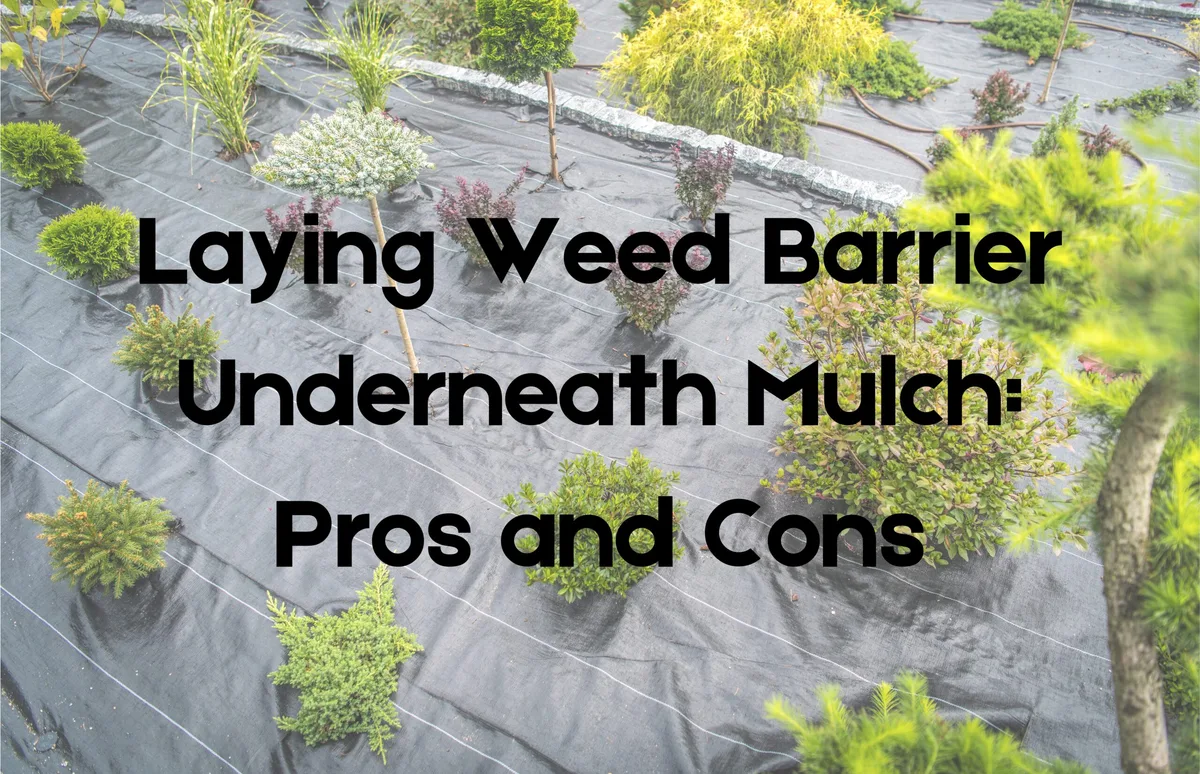
This fabric prevents stones from sinking into the soil. It also stops weeds from pushing up through gaps. Secure the fabric with staples every six inches.
Ensure overlaps are at least six inches wide. Tape seams with outdoor-rated tape if possible.
Next, spread the agates evenly. Aim for a depth of one to two inches. Thicker layers waste money without added benefit.
Keep stones away from direct stem contact. Trapped moisture against bark invites rot and fungal disease. Leave a small gap around trunks for airflow.
Water thoroughly after installation. This settles the stones and removes air pockets in the fabric. Check coverage weekly for the first month.
Birds or wind may displace lighter pieces. Top up as needed to maintain uniform coverage. Avoid walking on the installed area until settled.
Heavy foot traffic shifts stones and compacts underlying soil.
For containers, place a mesh screen over drainage holes. Fill with potting mix. Settle the top inch of soil.
Arrange agates decoratively on the surface. Press gently to stabilize. This prevents spillage during watering.
Remember, pots dry out faster with stone covers. Increase watering frequency slightly to compensate for reduced evaporation shielding.
Common Mistakes That Waste Money and Hurt Gardens
Buying polished tumbles for outdoor use is a frequent error. Polished surfaces become slippery when wet. Rain creates hazardous walking conditions on paths.
Use rough-cut or natural finish stones for high-traffic zones. Save polished pieces for indoor displays or dry feature areas.
Another mistake is ignoring local climate impacts. In freezing regions, water seeps into micro-cracks in the agate. Expansion during frost can fracture the stone.
While rare for dense chalcedony, it happens with included matrices. Inspect stones annually for cracks. Replace broken pieces promptly to avoid sharp edges.
Over-application is costly. Many gardeners buy bulk bags assuming thicker is better. Two inches suffices for weed control.
Four inches adds unnecessary weight and expense. Calculate square footage accurately before purchasing. One ton covers approximately 100 square feet at two inches deep.
Verify supplier delivery limits for residential driveways.
Finally, neglecting cleaning leads to algae buildup. Green slime ruins the aesthetic appeal of moss agate. Rinse periodically with a hose.
Scrub stubborn spots with a stiff brush. Avoid harsh chemicals that could leach into nearby soil. Plain water usually suffices for maintenance.
Regular care preserves the visual investment you’ve made in these unique geological specimens.
Maintenance Tips to Keep Agates Looking Fresh
Keeping dendritic and moss agate pristine requires minimal effort, but consistency matters. Algae and lichen thrive in damp, shaded spots where these stones often sit. You’ll notice a green film forming within months if left unchecked.
This doesn’t harm the stone, but it ruins the visual contrast you paid for.
Wash the area with a stiff-bristle brush and plain water every few months. Avoid pressure washers on loose gravel beds. High PSI can displace smaller pieces or erode soil beneath.
For stubborn stains, use a mild soap solution. Rinse thoroughly to prevent residue buildup near plant roots. Harsh chemicals like bleach can leach into the soil and kill beneficial microbes.
Check for displacement after heavy storms or freeze-thaw cycles. Frost heave pushes stones upward over winter. Simply press them back down in spring.
Inspect edges for sharp fractures caused by thermal stress. Replace damaged chunks immediately to ensure safety for barefoot walkers. Regular upkeep preserves the geological beauty without intensive labor.
Aggregate reviews indicate that most homeowners spend less than an hour per season on cleaning. Compare this to raking leaves or replacing rotting wood mulch annually. The time savings are significant once installed.
Just remember that inert stone offers no self-cleaning properties. Your attention keeps the display crisp and inviting throughout the year.
FAQ: Can Crystals Really Help My Tomatoes Grow?
Do dendritic agates release minerals into the soil?
No. Dendritic agate is chemically stable silicon dioxide. It does not dissolve or release nutrients under normal garden conditions.
Plants cannot absorb solid rock. Any perceived growth boost comes from better watering or sunlight, not the stone itself. Rely on compost for actual nutrition.
Is moss agate safe for edible gardens?
Yes, moss agate is non-toxic. It contains chlorite or epidote inclusions, which are generally inert. However, avoid using stones from unknown industrial sources.
Some processed aggregates may carry contaminants. Stick to natural, untreated specimens from reputable quarries. Always wash hands after handling raw stone dust.
Will agates make my soil hotter?
Light-colored agates reflect sunlight, potentially keeping soil cooler. Darker varieties absorb heat slightly more than pale ones. But the effect is negligible compared to black plastic mulch.
In extreme heat, stone surfaces can radiate warmth back to stems. Monitor tender plants closely during peak summer days.
How much agate do I need for a 10×10 bed?
For a two-inch depth, you’ll need roughly 200 pounds of stone. Calculate volume: 100 square feet times 0.167 feet equals 16.7 cubic feet. At 100 lbs per cubic foot, that’s about 1,670 lbs total.
Wait, correction: 10×10 is 100 sq ft. Two inches is 1/6 ft. Volume is ~16.7 cu ft.
Weight is ~1,670 lbs. That seems high. Let’s recheck density.
Quartz is ~165 lbs/cu ft. So yes, nearly a ton. Most suppliers sell in 50lb bags.
You’d need 33 bags. This highlights why local river rock is cheaper. Agate is premium decorative only.

Similar Posts