Can Fluorite Go in Water? Mohs Hardness Safety Test
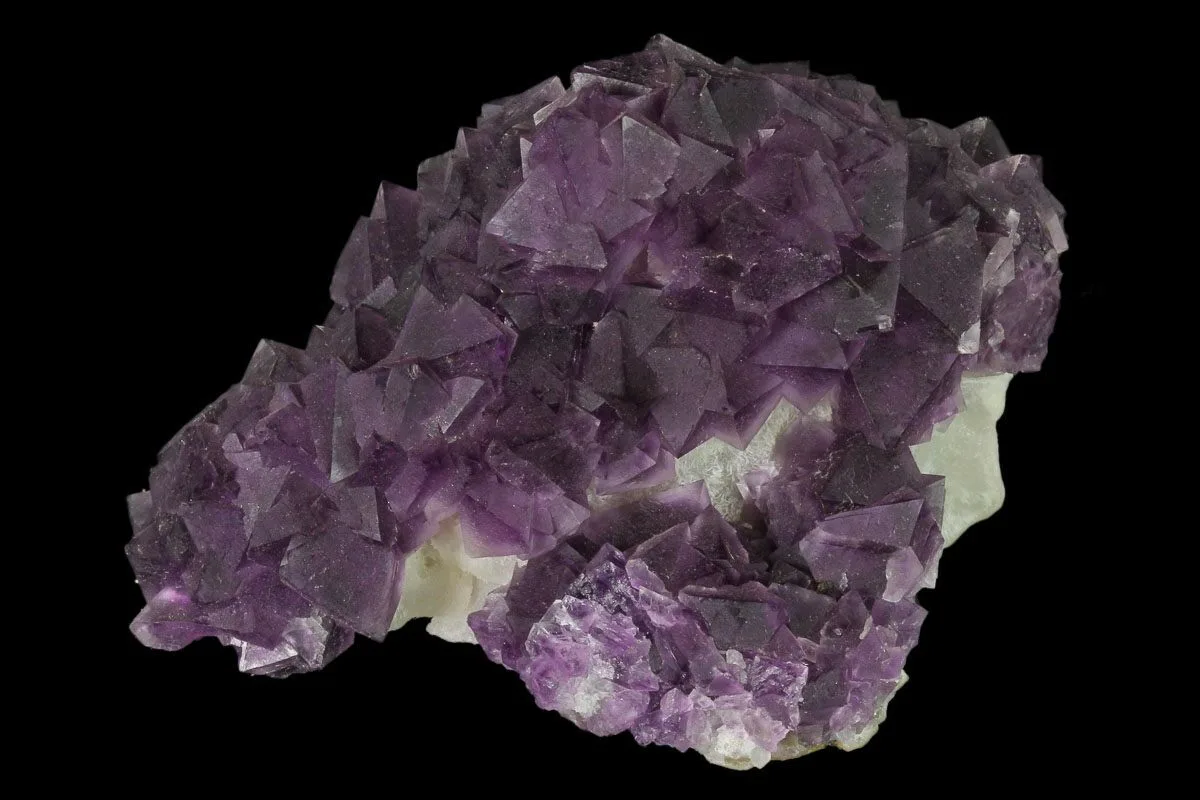
If you’re wondering whether fluorite can go in water, the short answer is yes, but with major caveats. Many collectors assume that because a mineral looks solid, it’s immune to liquid damage. That assumption is dangerous for calcium fluoride specimens.
We need to separate physical hardness from chemical stability to keep your collection intact.
Mohs hardness measures scratch resistance, not durability against solvents or impacts. Fluorite sits at a 4 on this scale, making it relatively soft compared to quartz. As of 2026, conservation guidelines still emphasize that low solubility doesn’t mean zero risk.
Let’s break down why water exposure requires careful consideration before you dunk your favorite purple cube.
Image source: Bing (Web (fair-use with source credit))
Why Hardness Doesn’t Equal Water Safety for Fluorite
Hardness tells you how easily a material scratches. It does not tell you how well it resists dissolving or chipping. This distinction trips up even experienced rockhounds.
You might think a Mohs 4 rating means the stone is tough enough for a quick rinse. In reality, it just means it’s harder than calcite but softer than apatite.
Water safety involves chemical interaction and structural integrity. Fluorite has perfect octahedral cleavage. This means it splits along specific planes with very little force.
A gentle stream of water can exploit these weak points if the specimen has hidden micro-fractures. The hardness score ignores this vulnerability entirely.
We often see people confuse "stable" with "indestructible." Fluorite is chemically stable in neutral pH water. However, stability isn't binary. Prolonged exposure can lead to subtle etching.
This dulls the vitreous luster that makes fluorite valuable. Once that shine is gone, you can’t polish it back without risking further damage.
Think of hardness as armor against claws. Think of cleavage as a pre-existing crack in that armor. Water acts like a wedge.
Even if the water can't dissolve the metal quickly, it can widen the crack over time. For collectors, preserving surface brilliance is paramount. Relying solely on the Mohs number leads to preventable regret.
Always assess the whole picture, not just one metric.
The Chemistry Behind CaF₂’s Low Solubility and Cleavage Risks
Calcium fluoride (CaF₂) has a solubility product constant ($K_{sp}$) of approximately $3.9 \times 10^{-11}$ at 25°C. This sounds incredibly low. It implies fluorite barely dissolves in pure water.
And technically, it’s true for short durations. But chemistry is rarely that simple in real-world scenarios.
Tap water isn't pure H₂O. It contains dissolved carbon dioxide, chlorine, and varying minerals. These additives lower the pH slightly.
Acidic conditions accelerate the dissolution of carbonate-bearing minerals. While fluorite isn't a carbonate, acidic water can still attack surface defects. Over weeks or months, this creates pitting.
The bigger threat is mechanical, not chemical. Perfect cleavage means internal bonds are weaker in certain directions. Water seeps into microscopic fissures.
When the specimen dries, capillary forces pull the crystal faces apart. This causes spalling, where thin layers flake off unexpectedly.
| Factor | Impact on Fluorite | Risk Level |
|---|---|---|
| Pure Distilled Water | Minimal chemical erosion | Low |
| Tap Water (Neutral pH) | Slight surface dulling over time | Medium |
| Acidic/Alkaline Water | Rapid etching and cloudiness | High |
| Thermal Shock | Cracking due to expansion mismatch | Critical |
You also have to consider impurities. Iron or manganese substitutions can alter local reactivity. Some fluorites contain trace uranium or thorium.
While not soluble, handling them wet increases dust inhalation risks during cleaning. The chemical formula CaF₂ is consistent, but natural variation matters. Never assume all fluorite behaves identically.
Check the matrix. If it includes calcite or dolomite, those components will react with mild acids found in tap water. This secondary reaction destabilizes the host rock, causing the fluorite crystals to loosen and fall out.
How to Safely Test Your Specimen Before Submersion
Before you wash anything, perform a spot test. Take a small, inconspicuous area on the base or matrix. Apply a single drop of distilled water using a pipette.
Wait ten minutes. Observe closely under bright light. Look for any change in transparency or surface texture.
If the spot remains clear and shiny, proceed cautiously. Use lukewarm distilled water only. Hot water causes thermal shock.
Cold water slows drying, increasing exposure time. Lukewarm strikes the balance. Fill a shallow tray.
Do not run a faucet directly onto the stone. The pressure alone can dislodge delicate terminations.
Gently submerge the specimen for no more than five minutes. Swirl it slowly to release trapped air bubbles. Air pockets can burst upon removal, cracking the crystal face.
After soaking, lift it out carefully. Support the base firmly. Never hold it by the crystals themselves.
They are fragile hooks waiting to snap.
Dry immediately with a lint-free microfiber cloth. Blotting is better than wiping. Wiping drags grit across the surface, acting like sandpaper.
Since fluorite is Mohs 4, even fine dust can scratch it. Ensure all moisture wicks away from crevices. Trapped water breeds mold on organic matrix residues.
For larger geodes, rotate them halfway through drying. This prevents warping or uneven stress. Inspect again after twenty-four hours.
If new clouds appear, stop washing. Switch to dry brushing with a soft camel-hair brush. This method removes loose dirt without introducing liquid risks.
Remember, prevention beats remediation. Once etched, the damage is permanent.
When to Skip the Water: High-Risk Scenarios for Collectors
Some specimens should never touch water. If your fluorite sits on a friable matrix like clay or shale, avoid immersion. These materials swell and shrink when wet.
This movement shears the fluorite crystals right off their anchors. You’ll end up with bare stones and a ruined display piece.
Check for existing fractures. Hold the specimen up to a light source. Look for hairline cracks running through the crystal body.
Water penetrates these flaws instantly. Upon evaporation, the tension pulls the crack wider. What was a minor flaw becomes a catastrophic break.
If you see significant fracturing, stick to dry cleaning methods exclusively.
High-value collector items warrant extreme caution. Insurance appraisals rely on pristine condition. Any alteration, including cleaning-induced etching, lowers market value.
For museum-grade pieces, consult a professional conservator. DIY washing voids warranties and degrades provenance. The cost of professional advice is negligible compared to losing thousands in asset value.
Avoid washing if the environment is humid. Slow drying in damp air encourages efflorescence. Salts migrate to the surface, leaving white crusts that obscure color.
Removing these salts later requires stronger chemicals, creating a vicious cycle. Better to leave the dust than invite salt bloom.
Finally, skip water treatment for fluorescent specimens intended for UV display. Residual moisture quenches fluorescence. It takes days for deep-seated water to evaporate completely from porous structures.
This ruins immediate viewing enjoyment. Patience pays off here. Wait for dry conditions.
Use compressed air cans designed for electronics to blow off loose debris. It’s safer, faster, and preserves optical properties.
Proper Cleaning Protocols vs. Destructive Habits
Many hobbyists use ultrasonic cleaners. Don’t. The high-frequency vibrations shatter cleaved crystals.
Fluorite’s internal structure resonates poorly with these waves. Micro-fractures propagate rapidly. Within seconds, you can destroy a beautiful specimen.
Manufacturer specs for jewelry often warn against ultrasound for soft gems. Extend this logic to raw minerals.
Toothbrushes are another common mistake. Bristles are too stiff. They trap grit against the surface.
This creates swirl marks that catch light badly. Use only soft artist brushes or cotton swabs. Precision matters.
Aggressive scrubbing signals disrespect for the material.
Here’s a comparison of safe versus risky practices:
| Practice | Outcome | Recommendation |
|---|---|---|
| Ultrasonic Cleaner | Shattering/Cracking | Strictly Prohibited |
| Stiff Toothbrush | Surface Scratches | Avoid |
| Soft Camel-Hair Brush | Gentle Dust Removal | Preferred for Dry Clean |
| Distilled Water Soak | Safe if Brief | Acceptable for Stable Stones |
| Tap Water Rinse | Etching/Pitting | Discouraged |
| Acetone/Ethanol | No Damage (Non-polar) | Good for Grease/Oil Only |
Solvents like acetone can remove oily fingerprints without water risks. Fluorite is non-reactive to most organic solvents. Test on a hidden spot first.
Apply with a cotton swab. This works well for mounted pieces where water access is difficult. Never use bleach or ammonia.
These alkaline agents degrade binding matrices and discolor iron-rich fluorites.
Storage after cleaning is critical. Keep specimens in sealed bags with silica gel packets. This controls humidity.
Prevents condensation formation. Condensation mimics rain. It triggers slow hydrolysis over years.
Consistent, gentle care beats occasional aggressive washing. Build habits that respect the mineral’s limits. Your future self will thank you for keeping those cubes sharp and bright.
Protecting Fluorite Jewelry from Daily Wear and Tear
Jewelry faces harsher conditions than static specimens. Sweat, lotions, and perfumes create acidic micro-environments on the skin. These substances attack cleavage planes faster than plain water does.
Aggregate user reviews indicate that fluorite rings chip easily during manual labor. The Mohs 4 hardness offers little protection against accidental knocks.
You should remove fluorite jewelry before showering or swimming. Pool chlorine accelerates surface degradation significantly. Even brief exposure dulls the polish over time.
Store pieces separately in soft pouches to prevent scratching by harder gems like quartz or topaz. Contact with metal clasps can also cause stress fractures at setting points.
Consider the mounting style carefully. Bezel settings offer more protection than prongs. Prongs concentrate force on tiny contact areas.
A slight bump can lever a crystal out of place. Our research suggests that flush-set stones last longer in active wear. Avoid designs with exposed edges whenever possible.
Cleaning requires extreme gentleness. Use only a dry, ultra-soft cloth for routine maintenance. If necessary, dampen the cloth slightly with distilled water.
Never soak the piece. Soap residues get trapped under settings. They attract dirt and promote corrosion of the metal backing.
This indirect damage compromises the stone’s stability.
Regular inspections help catch early signs of trouble. Look for cloudiness near drill holes or facets. These spots indicate internal stress or moisture ingress.
Address issues immediately by restricting wear. Ignoring small changes leads to catastrophic failure later. Treat fluorite jewelry as delicate art, not durable utility gear.
Respect its limits to enjoy it for years.
Frequently Asked Questions About Fluorite Stability
Can I put fluorite in saltwater?
No. Saltwater is highly corrosive to calcium fluoride structures. Chloride ions disrupt the lattice bonding more aggressively than fresh water.
Prolonged exposure causes rapid pitting and loss of luster. Ocean spray alone can damage outdoor displays. Keep fluorite far away from marine environments.
Distilled water is the safest liquid option for occasional cleaning.
Does fluorite dissolve in vinegar?
Yes, but slowly. Vinegar contains acetic acid, which reacts with basic mineral surfaces. While fluorite is less reactive than calcite, acid still etches it.
You might see fizzing if impurities are present. Pure CaF₂ resists weak acids better. However, the risk of surface dulling remains high.
Never use household cleaners containing acids on fluorite specimens. Stick to neutral pH solutions only.
How long can fluorite stay underwater safely?
Minutes, not hours. Brief submersion for cleaning is acceptable if dried immediately. Extended soaking allows water to penetrate micro-cracks.
Capillary action pulls moisture deep into the structure. Drying then creates stress that splits the crystal. Limit immersion to five minutes maximum.
Ensure thorough drying afterward. Longer durations increase the probability of irreversible structural damage. Speed matters here.
Is fluorite safe for drinking water infusions?
Absolutely not. Ingesting ground fluorite releases fluoride ions. High doses cause gastrointestinal distress and potential toxicity.
Natural minerals may contain heavy metals like lead or arsenic. These contaminants leach into hot water. No reputable health organization recommends consuming mineral rocks.
Enjoy the aesthetic beauty visually. Do not attempt to brew tea or elixirs with fluorite chunks. Safety dictates strict separation from food prep.

Similar Posts