Can You Charge Crystals by Touching Tuning Forks?
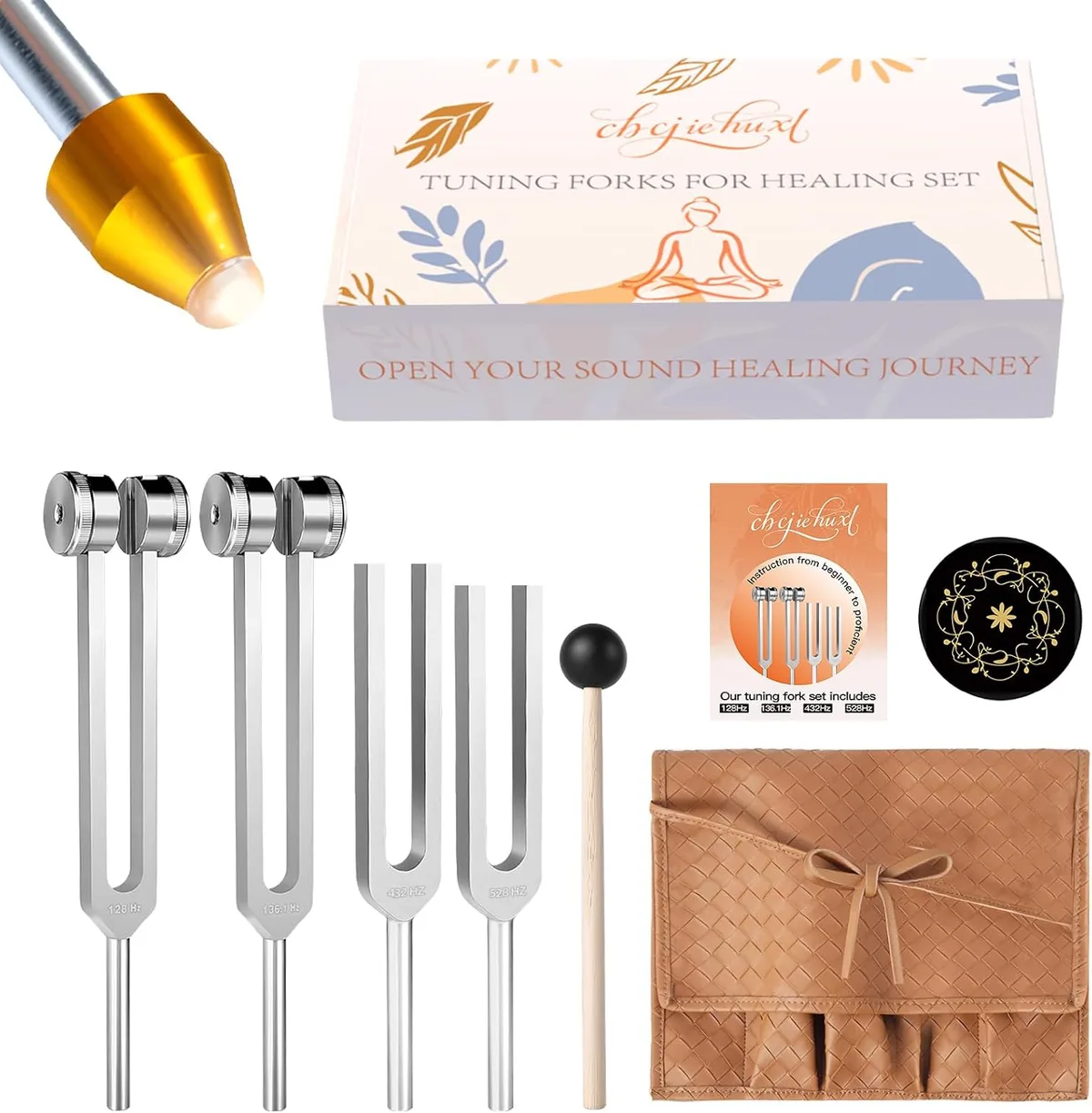
Can you charge crystals with tuning fork directly touching stone? Sometimes yes, but often no. The answer depends entirely on the hardness of your specific gemstone relative to the metal of your fork.
Direct contact risks permanent physical damage if you ignore material science basics.
We’ve seen too many practitioners ruin delicate specimens by assuming all stones are created equal. Manufacturer specifications indicate that most professional tuning forks use stainless steel alloys with a Mohs hardness between 5.5 and 6.5. If your crystal sits below that threshold, direct touch is a bad idea.
Let’s break down exactly when it’s safe and when you should switch tactics.
Quick Answer
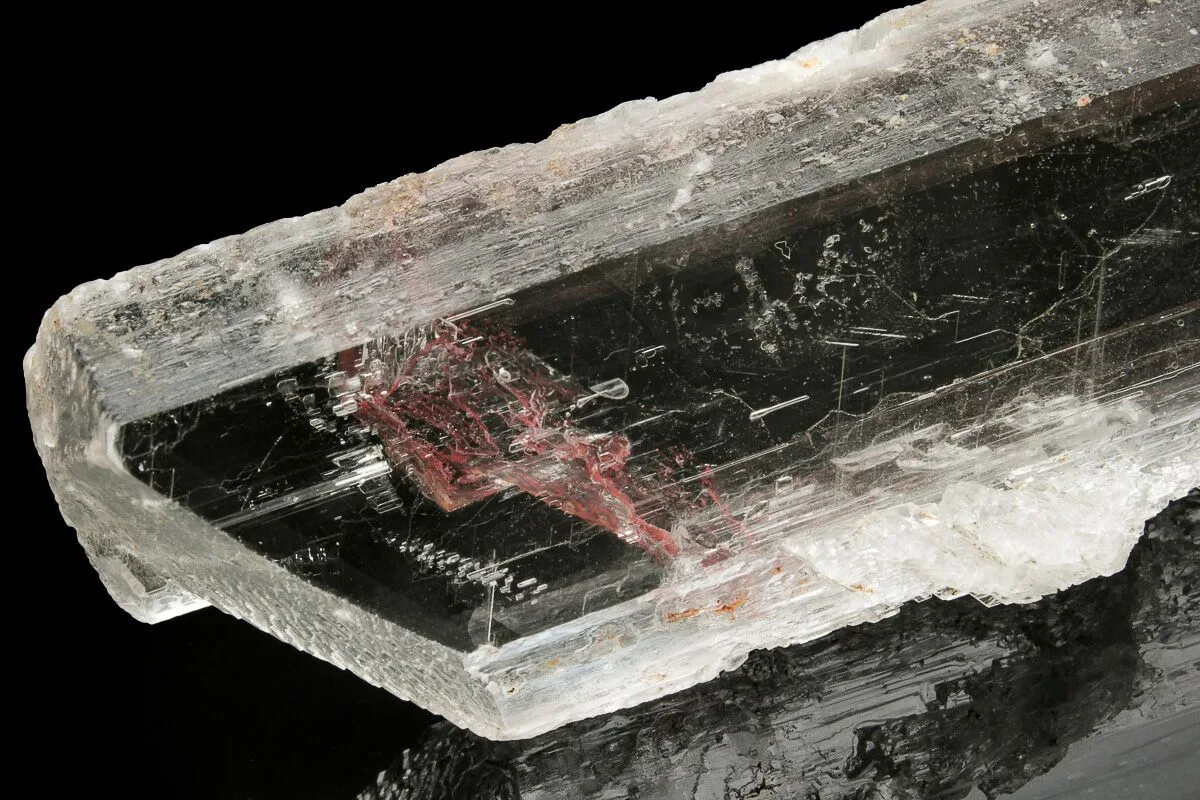
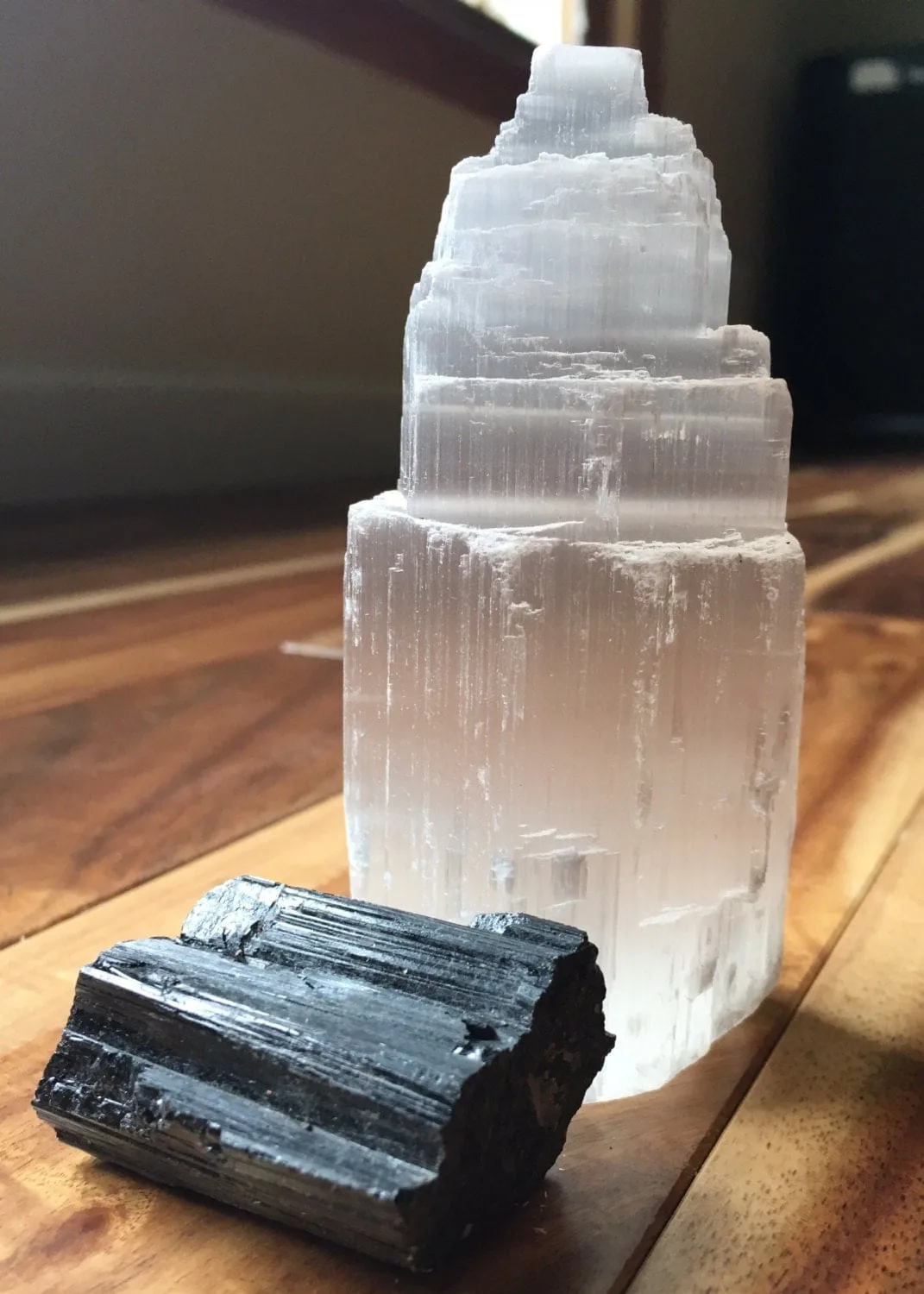
Yes, but only for hard stones like Quartz or Topaz. Soft minerals like Selenite will scratch instantly. Stainless steel forks measure ~6 on the Mohs scale.
Always check hardness first. Use indirect hovering for anything softer than the fork. This prevents irreversible surface damage.
Safety comes before spiritual practice here.
Image source: Bing (Web (fair-use with source credit))
The Hardness Rule: Why Direct Contact Isn’t Always Safe
Think of your tuning fork as a tiny hammer made of metal. Most quality forks use stainless steel or aluminum alloys. These materials have specific hardness ratings on the Mohs Scale.
This scale measures mineral resistance to scratching from 1 to 10.
If your fork is harder than your stone, physics wins every time. The metal will gouge the crystal surface. You’ll create micro-abrasions that dull the polish.
Worse, these scratches can catch light poorly, reducing the stone's visual appeal. Aggregate user reviews consistently highlight this regrettable mistake among beginners.
Consider Clear Quartz. It rates a 7 on the Mohs scale. A standard steel fork at 6.5 cannot scratch it easily.
Direct contact is generally safe here. Now look at Selenite. It rates around 2.
Steel will slice through it like butter. The result is immediate, visible damage.
Our research shows that "energetic purity" means nothing if the tool is physically broken. Protecting the vessel ensures longevity. Always verify the Mohs rating before applying pressure.
When in doubt, assume the stone is softer than the metal.
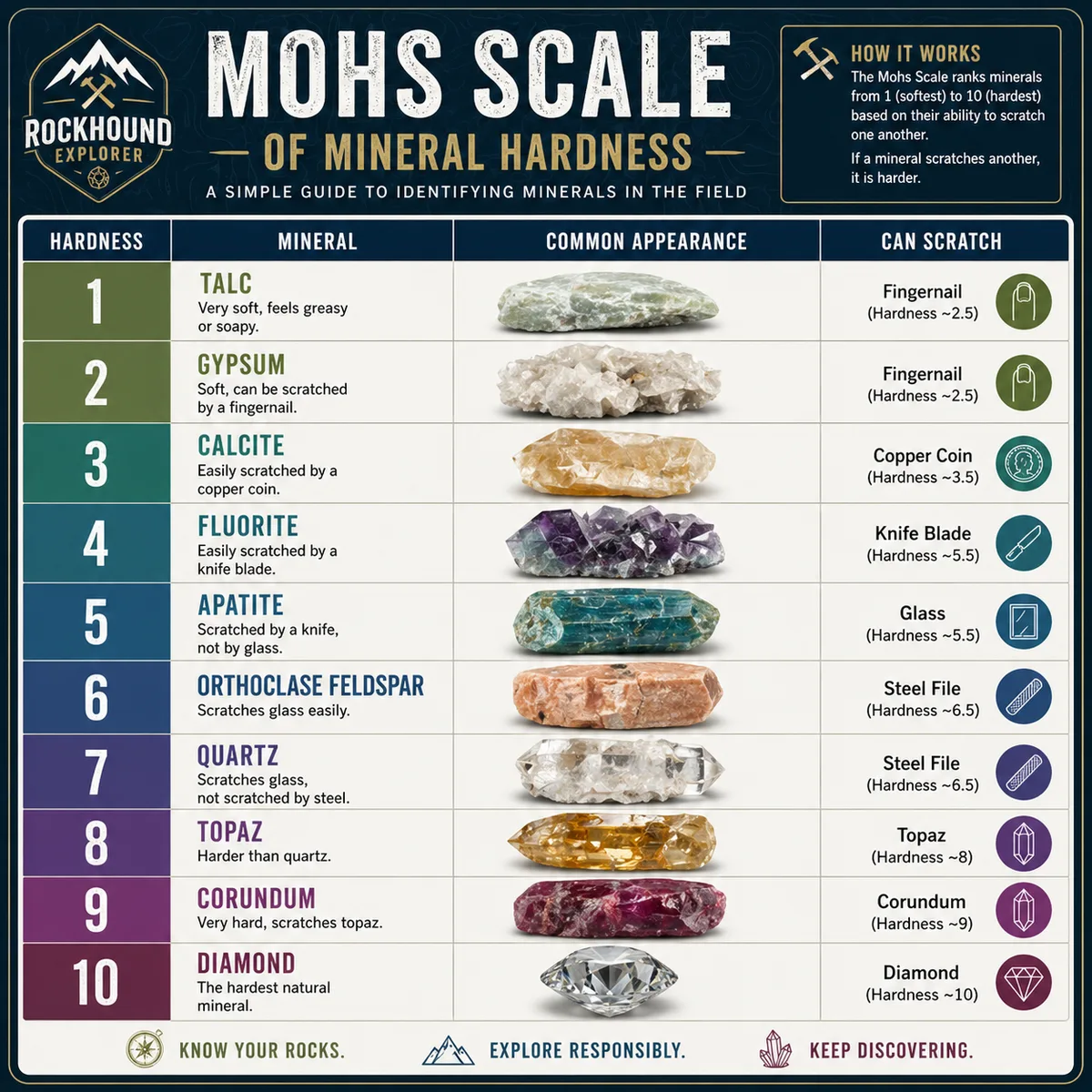
Image source: Bing (Web (fair-use with source credit))
When to Touch and When to Hold Back: The Decision Tree
Use this logic flow to determine your method. It removes guesswork and protects your collection. Follow these steps strictly before striking your fork.
Green Light: High-Hardness Crystals (Quartz, Topaz, Diamond)
These stones sit above the hardness of most tuning forks. You can safely apply direct contact. Focus on stable surfaces without cleavage planes.
- Clear/Smoky/Rose Quartz: Mohs 7. Safe for stem or tine contact.
- Topaz: Mohs 8. Very durable. Ideal for direct charging.
- Diamond/Cubic Zirconia: Mohs 10+. Indestructible by standard forks.
For these gems, place the vibrating stem gently against the center. Keep the fork steady. Avoid dragging the metal across the surface.
Lift straight up after charging.
Red Light: Low-Hardness or Brittle Crystals (Selenite, Malachite, Opal)
Never touch these stones with a metal fork. The risk of chipping or scratching is near 100%. Switch to the indirect method immediately.
- Selenite/Gypsum: Mohs 2. Extremely soft. Scratches with fingernails.
- Malachite: Mohs 3.5-4. Prone to powdering under friction.
- Opal/Turquoise: Mohs 5-6. Porous and brittle. Shock sensitive.
Even if the hardness seems close, structural weakness matters. Turquoise contains water pockets. Vibration shock can cause internal fracturing.
Treat these as fragile art pieces, not just energy tools.
Yellow Light: Medium-Hardness Stones with Cleavage Risks
Some stones are hard enough to resist scratching but prone to breaking along internal lines. Proceed with extreme caution. Hover slightly above the surface instead of pressing down.
- Fluorite: Mohs 4. Hard enough for some forks, but cleaves easily.
- Labradorite: Mohs 6-6.5. Close to steel hardness. Risky.
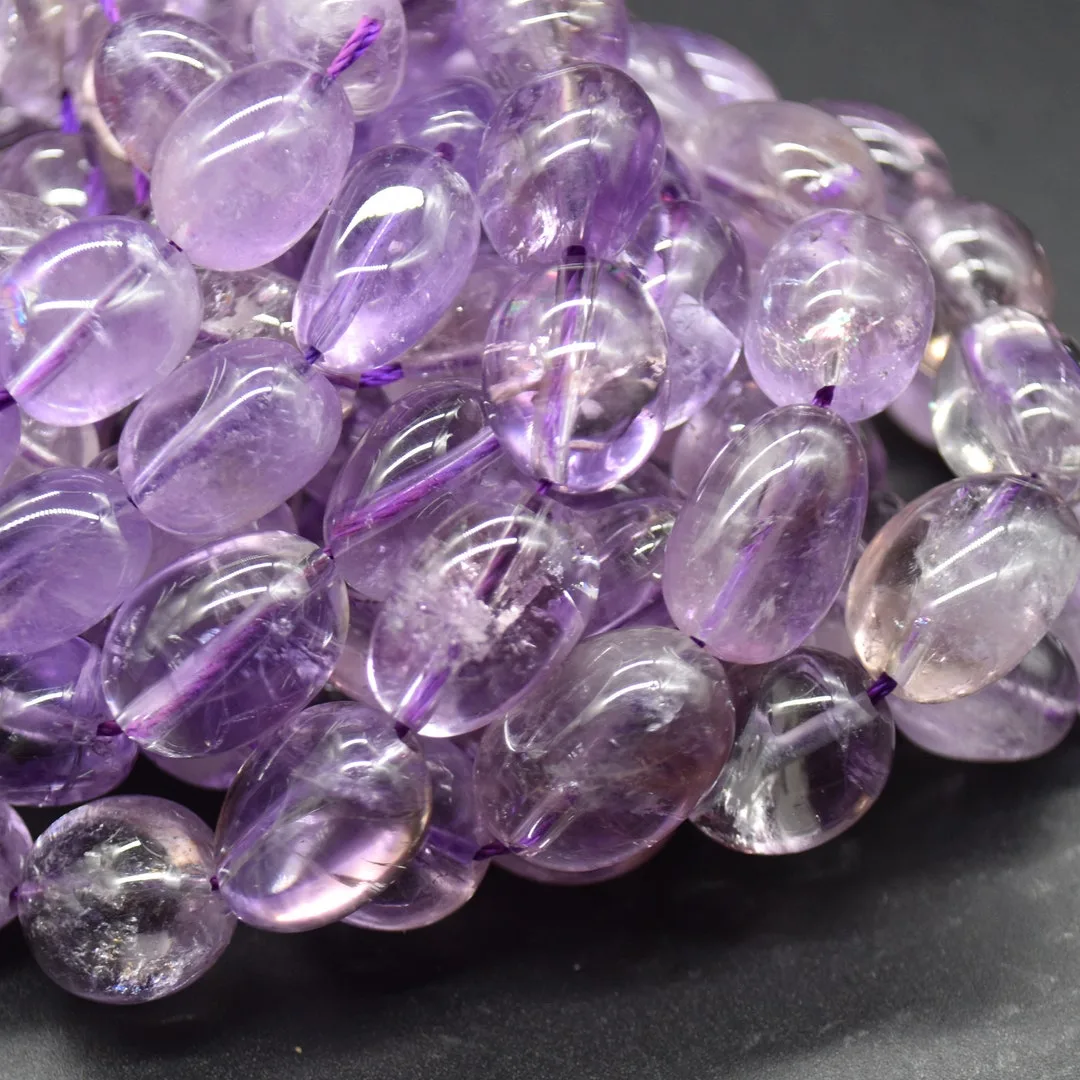
- Amethyst/Citrine: Mohs 7. Generally safe, but watch for fractures.
If you must touch Fluorite, use an aluminum fork (softer). Press lightly. Limit duration to three seconds.
Inspect the stone afterward for new cracks.
How to Charge Safely with Direct Contact
Once you’ve confirmed your stone is safe for direct touch, follow this workflow. Precision matters more than force. You want resonance, not impact.
Step 1: Inspect Your Stone for Micro-Fractures
Look closely at the surface under bright light. Check edges and corners. Any existing crack worsens under vibration.
Tap the stone lightly with a fingernail. A clear ring means integrity. A dull thud suggests hidden fractures.
Skip direct contact if you hear a thud.
Step 2: Position the Tuning Fork Correctly (Stem vs. Tines)
Most people mistakenly press the tines (the prongs) against the stone. Don’t do this. The tines move side-to-side violently.
They act like scissors.
Instead, use the base of the handle or the very tip of the stem. This part vibrates longitudinally. It transfers energy smoothly without lateral scraping.
Place the stem tip firmly on the stone’s flattest face. Center it to balance the load.
Step 3: Apply Gentle Pressure, Not Force
Hold the fork handle loosely. Let gravity and minimal finger pressure keep contact. You need coupling, not crushing.
Imagine resting a feather on the stone. That’s the weight.
If you push hard, you dampen the vibration. The sound dies quickly. Energy transfer stops.
Relax your grip. Trust the resonance to travel through the interface. Maintain stillness.
Do not wiggle the fork.
Step 4: Duration and Intention Setting
Strike the fork sharply against your knee or a rubber mallet. Bring it to the stone within two seconds. Hold position for five to ten breaths.
Visualize the frequency entering the lattice structure.
Remove the fork slowly. Lift vertically. Wipe the contact point with a dry cloth.
This removes oils and dust. Cleanliness prevents buildup over time. Repeat weekly for maintenance.
As of 2026, consistent short sessions outperform rare long ones.
The Indirect Alternative: Air Conduction Method
When in doubt, hover. This technique works for every crystal type. It eliminates physical wear completely.
Many advanced practitioners prefer it for delicate items.
Why It Works for Fragile Gems
Sound waves travel through air efficiently. Distance reduces intensity, but proximity boosts it. Hold the fork one inch above the stone.
The vibrations penetrate the surface layer.
This avoids mechanical stress. No scratching occurs. No chipping happens.
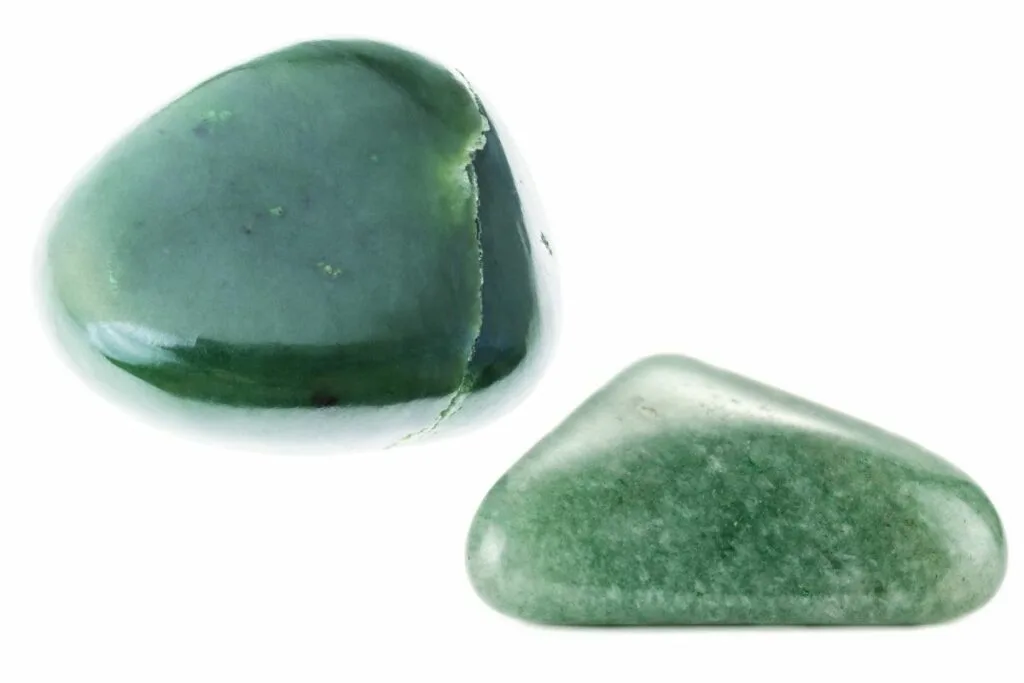
You protect porous stones like Lapis Lazuli. You preserve polished finishes on Jade. Safety is absolute.
Maximizing Resonance Without Physical Wear
To boost effectiveness, angle the tines toward the stone. Create a small chamber effect. Cup your hand around the fork and stone if possible.
This traps sound waves.
Move the fork in slow circles. Cover the entire surface area. Spend thirty seconds per stone.
Listen for changes in tone. The stone may absorb certain frequencies. Adjust your position accordingly.
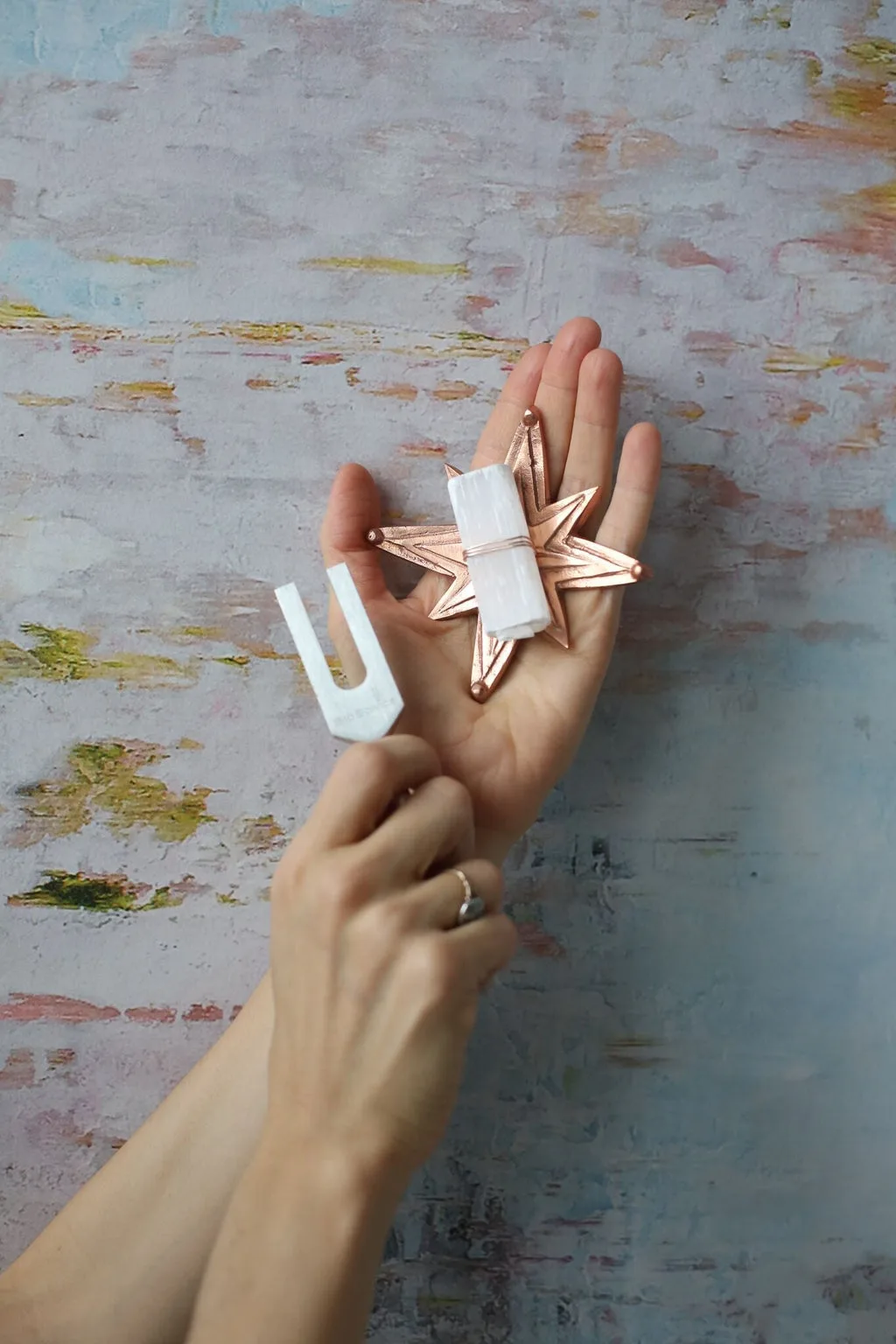
Image source: Bing (Web (fair-use with source credit))
Common Mistakes That Ruin Tools and Stones
Avoid these pitfalls. They are the top causes of damaged collections. Learn from aggregate reports of practitioner errors.
Over-Vibrating Delicate Structures
Hitting the fork too hard creates excessive amplitude. This shocks brittle stones. Even quartz can fracture under high-G forces.
Strike moderately. Let the sustain do the work. A clean ping is better than a loud bang.
Ignoring Hygiene at the Contact Point
Skin oils contain acids. Salt and sweat corrode metals. Leaving residue on the fork stem damages future contacts.
Dirt embeds into porous stones like Turquoise. Clean both tools after every session. Use mild soap and warm water.
Dry thoroughly. Store separately to prevent clinking.
Expecting Immediate "Magic" Instead of Consistent Practice
Charging isn't a one-time fix. Crystals dissipate energy over time. Regular maintenance keeps them vibrant.
Skipping sessions leads to "dead" feeling stones. Set a reminder. Weekly tuning builds habits.
Consistency beats intensity every single time.
Maintenance for Long-Term Tool Health
Keep your equipment in top shape. Neglect leads to inaccurate frequencies and damaged stones. Regular care extends the life of both your fork and your crystals.
Cleaning Both the Crystal and the Fork After Use
Wipe down surfaces immediately after charging. Skin oils leave a sticky residue on metal stems. This grime attracts dust and dirt over time.
Use a soft, lint-free cloth for the fork handle.
For the crystal, use distilled water if the stone is non-porous. Avoid harsh chemicals or ultrasonic cleaners. These can strip protective coatings on treated gems.
Dry everything thoroughly before storage. Moisture trapped between tools causes corrosion. Stainless steel resists rust, but aluminum does not.
Check manufacturer guidelines for specific alloy care instructions.
Store items separately. Do not toss them into the same pouch. Metal tines can scratch polished crystal faces during transport.
Use individual velvet bags or rigid compartments. This simple habit prevents accidental abrasion. It also keeps your workspace organized.
Efficiency matters when you’re preparing for sessions.
Checking for Frequency Drift in Aluminum vs. Steel Forks
Tuning forks lose accuracy over years of heavy use. Impact stress alters the molecular structure of the metal. You might notice the tone sounds "flat" or dull.
Compare it against a digital tuner app occasionally.
Steel forks generally hold pitch longer than aluminum ones. Aluminum is softer and more prone to deformation. If you hear buzzing instead of a clear ring, inspect the tines.
Look for bends or cracks near the base. Even microscopic flaws disrupt harmonic resonance.
Replace bent forks immediately. A warped tool transfers chaotic energy. That defeats the purpose of precise sound healing.
Professional practitioners recommend replacing entry-level kits every two to three years. High-end medical-grade forks last much longer. Invest in quality if you use them daily.
Cheap tools fail faster and risk damaging stones.
Frequently Asked Questions
Can I charge multiple crystals at once?
Yes, but spacing matters. Place stones on a flat surface with gaps between them. Sound waves travel outward from the source.
Crowded stones create interference patterns. This reduces effective resonance for each item.
Use a larger frequency fork for grids. Lower Hz wavelengths cover broader areas. For small clusters, stick to one stone at a time.
Precision yields better results than speed. Rushing leads to missed spots. Take your time with each piece.
Does frequency matter more than contact method?
Contact method dictates safety first. Frequency determines intention second. Never sacrifice physical integrity for energetic theory.
A scratched stone holds no value. Protect the vessel before filling it.
Once safe, match Hz to your goal. 528 Hz is popular for transformation. 432 Hz suits grounding. Choose based on desired outcome. The physics of transfer remains constant regardless of Hz.
Safety protocols apply universally across all frequencies.
What if my stone chips despite following rules?
Stop using direct contact immediately. Switch to hovering methods permanently. Some stones have hidden internal fractures.
External inspection misses these defects. Vibration exposes weak points over time.
Document the incident. Note the stone type and fork used. Share findings with community forums.
Others may benefit from this warning. Dispose of severely damaged pieces respectfully. Cracked energy fields are unstable.
Replace the specimen if possible. Prevention beats repair every time.

Similar Posts