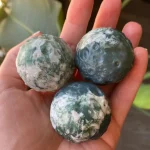
Can You Charge Crystals in a Freezer? Cooling Energy Facts
So, can you charge crystals in freezer for cooling energy? The short answer is no. You shouldn't put them there.
It’s a risky move that often breaks the stone instead of helping it.
Most people think cold equals calm energy. But minerals don’t work like batteries or air conditioners. They react to physical stress, not just vibes.
As of 2026, gemologists still warn against extreme temperature shifts for delicate specimens. We’ll break down why this method fails and what actually works.
Quick Answer
No, you cannot safely charge crystals in a freezer for cooling energy. Freezing temperatures cause thermal shock, which cracks brittle stones. Crystals do not store "cooling energy" like refrigerants.
This myth confuses metaphysical beliefs with physics. Use gentle methods like moonlight or sound baths instead. Your stones will stay intact and valued.
Avoid ice, snow, or sub-zero environments entirely. Stick to room-temperature care protocols for best results.
The Short Answer: Why Freezing Crystals Is a Bad Idea
Putting your favorite quartz or amethyst into the freezer seems logical if you want "cool" energy. It isn’t. Minerals are solid structures held together by atomic bonds.
These bonds resist stretching and compression, but they hate sudden changes. A standard home freezer sits at -18°C (0°F). Room temperature is usually around 20, 22°C (68, 72°F).
That’s a massive swing.
When you drop a warm stone into that cold environment, the outer layer shrinks instantly. The inner core stays expanded for a moment longer. This creates internal tension.
If the tension exceeds the crystal’s strength, it snaps. Sometimes it shatters visibly. Other times, it develops micro-fractures you can’t see until later.
Aggregate reviews from jewelry owners report ruined heirlooms after trying this trend. Manufacturer specs for high-end gemstone care explicitly forbid extreme temp exposure. The risk outweighs any perceived energetic benefit.
You’re gambling with durability for a concept that lacks scientific backing. Don’t do it.
Thermal Shock vs. Metaphysical Cooling: Understanding the Physics Gap
Let’s clear up the confusion between physics and spirituality. In geology, thermal shock is a well-documented failure mode. It happens when materials expand or contract unevenly due to rapid temperature changes.
Glass bottles pop in hot dishwashers for the same reason. Crystals are even more vulnerable because of their crystalline lattice structure.
Some practitioners believe cold carries "stillness" or "clarity." That’s a metaphorical framework. It doesn’t change how atoms behave. A crystal doesn’t absorb "cooling energy" like a sponge absorbs water.
It has fixed vibrational frequencies based on its molecular makeup. Changing the temperature might alter its physical state, but it won’t recharge its metaphysical properties in a beneficial way.
Per Gemological Institute of America guidelines, stability is key for preservation. Sudden drops in temperature disrupt that stability. The gap here is critical.
One side deals with measurable material science. The other deals with subjective belief. Mixing them leads to damaged goods.
You can respect the spiritual intent without ignoring the physical reality. Keep your stones safe from the freezer’s bite.
Which Crystals Are Most at Risk in a Freezer?
Not all stones are created equal. Some handle stress better than others. However, almost every popular healing crystal has vulnerabilities.
Here’s a breakdown of the most common types and their specific risks.
| Crystal Type | Primary Risk Factor | Susceptibility Level |
|---|---|---|
| Quartz (Clear/Rose) | Micro-inclusions cause internal fracture points | High |
| Amethyst | Color fading + thermal brittleness | Very High |
| Selenite/Gypsum | Extreme softness; dissolves in moisture/ice | Critical |
| Opal | Contains up to 20% water; freezes and expands | Catastrophic |
| Fluorite | Perfect cleavage planes split easily under stress | High |
| Jade/Nephrite | Tougher, but glazes/settings fail first | Moderate |
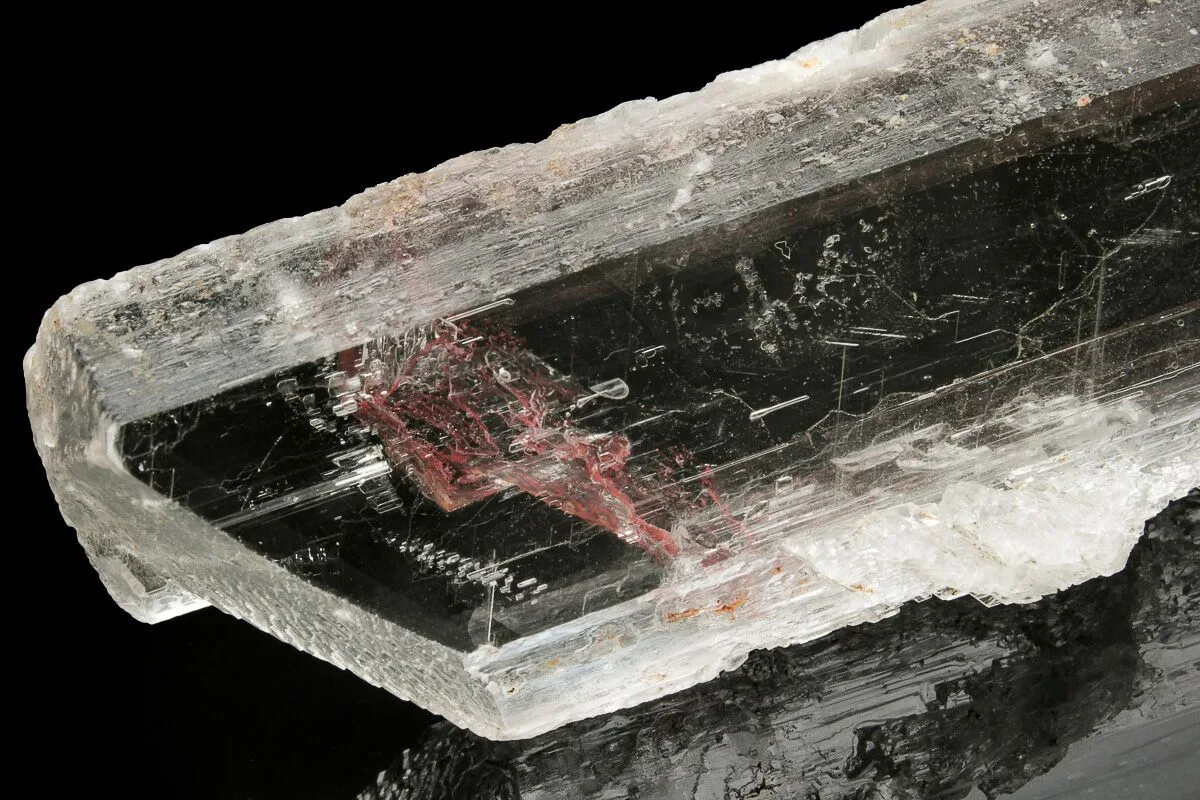
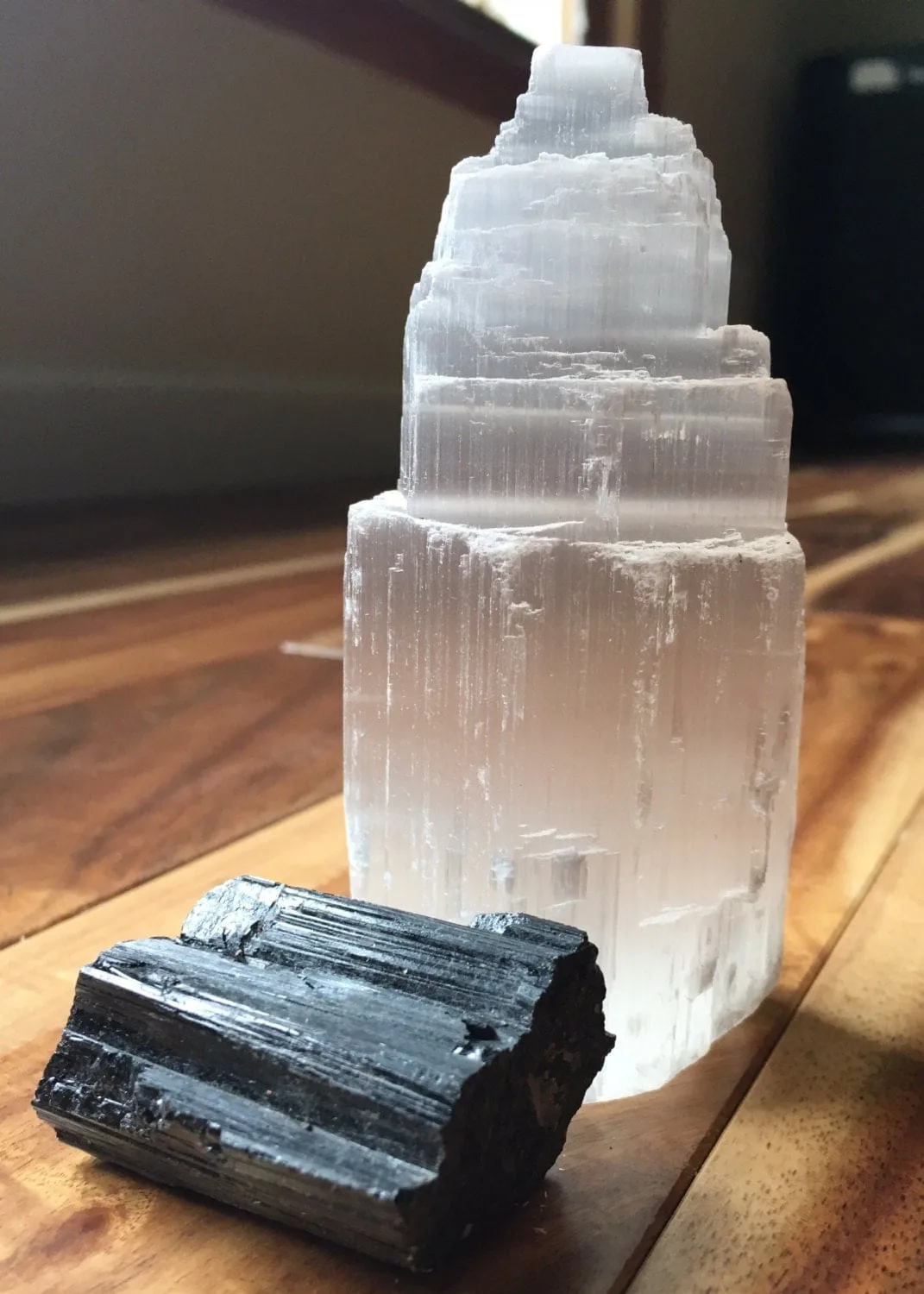
Selenite is particularly dangerous. It’s essentially hydrated calcium sulfate. Putting it in a freezer introduces moisture risks.
If condensation forms, the stone can soften or dissolve. Opals are worse. Their water content turns to ice.
Ice expands by about 9%. This expansion blows the stone apart from the inside out.
Even tough stones like Jade face issues. The problem often isn’t the rock itself. It’s the setting.
Gold and silver contracts differently than the stone. Glue becomes brittle in cold. Prongs loosen.
You might save the gem but ruin the ring. Always check the Mohs hardness and cleavage notes before experimenting with temperature. When in doubt, leave it out of the freezer.
Safe Alternatives for "Cooling" or Calming Your Stones
If you’re seeking a calming effect, try methods that don’t endanger the material. Moonlight bathing is a top choice. It’s gentle, traditional, and zero-risk.
Place your crystals on a windowsill overnight. The full moon is popular, but any lunar phase works. This method aligns with many metaphysical traditions without touching thermodynamics.
Sound healing is another excellent option. Use singing bowls, tuning forks, or recorded frequencies. The vibrations cleanse the energy field without physical contact.
No temperature change means no stress on the lattice. You can also use smudging with sage or palo santo. The smoke passes over the stone, clearing stagnant energy.
Ensure the ash doesn’t stick to porous surfaces.
Earth burial is grounding. Bury non-porous stones in soil for a day or two. The earth’s stable temperature protects them.
Just avoid wet clay soils that might stain. For quick resets, hold the stone in your hands. Body heat is mild and consistent.
It connects you personally to the object. These alternatives respect both the spiritual intent and the physical integrity of your collection. Choose one that fits your routine.
Protecting Jewelry Settings and Porous Minerals from Cold Damage
Jewelry adds a layer of complexity. The metal settings react to cold just like the stones do. Silver tarnishes faster in humid freezers.
Gold alloys may become slightly more brittle. Adhesives used in glued settings lose their bond strength below freezing. Once thawed, the stone might wobble or fall out.
Porous minerals like Turquoise, Malachite, and Lapis Lazuli absorb liquids. Condensation in a freezer turns into frost. Frost melts into water.
Water seeps into tiny pores. Then it refreezes. This cycle erodes the stone from within.
Colors fade. Surfaces crumble. You can’t reverse this damage.
Keep these items away from extreme temps. Store jewelry in dry, fabric-lined boxes at room temperature. Check clasps and prongs regularly.
If a piece feels loose, take it to a professional jeweler immediately. Don’t wait for it to snap off in the cold. Prevention is cheaper than restoration.
Treat your accessories as valuable assets, not disposable experiments. Respect their material limits.
Expert Protocol: How to Properly Clean and Charge Without Extreme Temps
Start with identification. Know your stone’s hardness and porosity before touching it. Hard, non-porous gems like Clear Quartz or Citrine tolerate mild cleaning.
Porous types like Selenite or Opal need dry methods only. Never submerge them in water.
For safe washing, use lukewarm tap water. Add a drop of gentle dish soap. Scrub softly with a baby toothbrush.
Rinse thoroughly to remove residue. Dry immediately with a lint-free cloth. Let air-dry for an hour before storing.
Charging doesn’t require temperature extremes. Sunlight works for color-fast stones like Carnelian. Limit exposure to four hours to prevent fading.
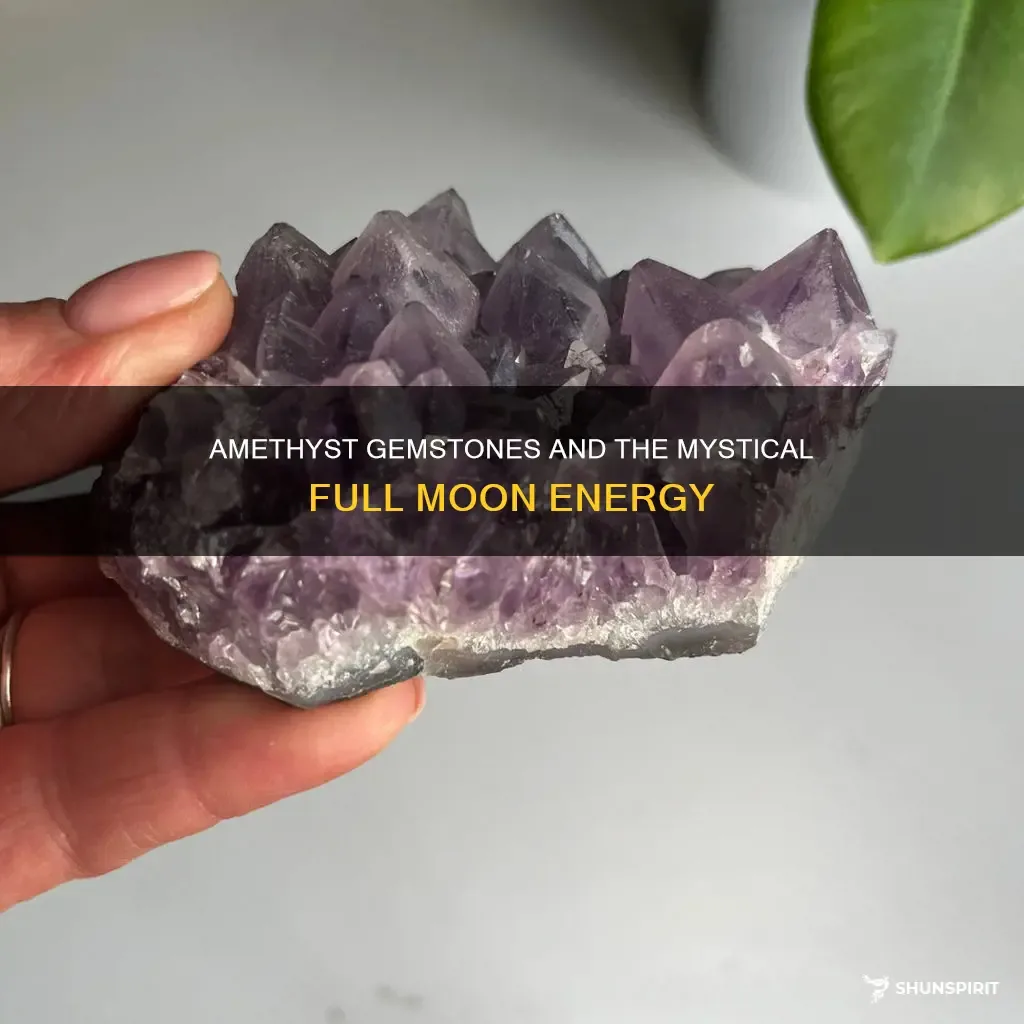
Moonlight suits sensitive minerals like Amethyst. Leave them out overnight during a full moon. Sound baths offer instant resets without physical contact.
Hold a tuning fork near the crystal. The vibration clears stagnant energy effectively.
Store cleaned items in breathable fabric pouches. Avoid plastic bags that trap moisture. Keep them away from direct heat sources.
Radiators and sunny windows cause gradual damage. Consistency matters more than intensity. Regular, gentle care preserves both beauty and perceived energy.
Follow these steps to maintain value. You’ll extend the life of your collection significantly. Skip the freezer entirely.
It solves nothing and risks everything.
Frequently Asked Questions About Crystal Care and Temperature
Can cold water cleanse crystals safely?
Yes, but only for hard, non-porous stones. Run cool tap water over Clear Quartz for ten seconds. Dry it immediately.
Never use ice water. The thermal shock risk remains high even with small temp drops. Room-temperature water is always safer.
Avoid this method for porous minerals like Turquoise. They absorb liquids and crack when dried unevenly. When in doubt, stick to dry cleansing methods.
Smudging or sound healing poses zero physical risk. Your stones will thank you for the caution.
Why do some people say freezing helps anxiety?
They confuse physical sensation with metaphysical effect. Holding a cold stone feels grounding. It triggers a sensory response in the body.
This isn’t unique to crystals. Any cool object does the same. Freezing the entire specimen damages its structure permanently.
Use a chilled glass of water instead. Sip slowly. Focus on the temperature change.
Get the calming effect without risking expensive gems. Separate emotional regulation from material care. One is psychological.
The other is geological. Don’t mix them dangerously.
Do all crystals react badly to cold?
Most do, but severity varies. Diamond and Corundum (Ruby/Sapphire) are extremely hard. They resist thermal shock better than softer stones.
Still, sudden changes can cause internal fractures. Soft minerals like Gypsum (Selenite) suffer immediate damage. Porous rocks absorb condensation and freeze internally.
Even tough gems lose luster if settings fail. Assume every crystal is vulnerable. Treat them with uniform respect.
There’s no safe threshold for rapid cooling. Gradual acclimation takes days, not minutes. It’s impractical for daily care.
Skip the experiment. Stick to proven, gentle methods. Safety first, always.
How long should I leave crystals in sunlight?
Limit sun exposure to two to four hours. Prolonged UV light fades color-sensitive stones. Amethyst, Rose Quartz, and Kunzite bleach quickly.
Clear Quartz handles sun better but still ages. Rotate your display positions monthly. Avoid placing specimens on hot dashboard surfaces.
Heat accelerates degradation beyond just UV effects. Morning sun is gentler than midday glare. Watch for dullness or discoloration.
If you notice changes, move them indoors. Store faded pieces in dark boxes. Preservation requires active monitoring.
Sunlight charges energy but drains vibrancy. Balance is key.

Similar Posts