Can You Wear Vivianite and Moldavite Together? Safety Guide
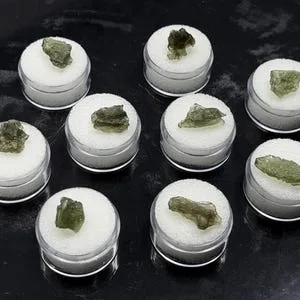
You’re probably wondering if you can vivianite and moldavite be used together safely in your collection or jewelry design. The short answer is yes, but only with strict physical separation. These two minerals have vastly different hardness levels and chemical stabilities.
Putting them in direct contact invites damage that ruins both specimens quickly.
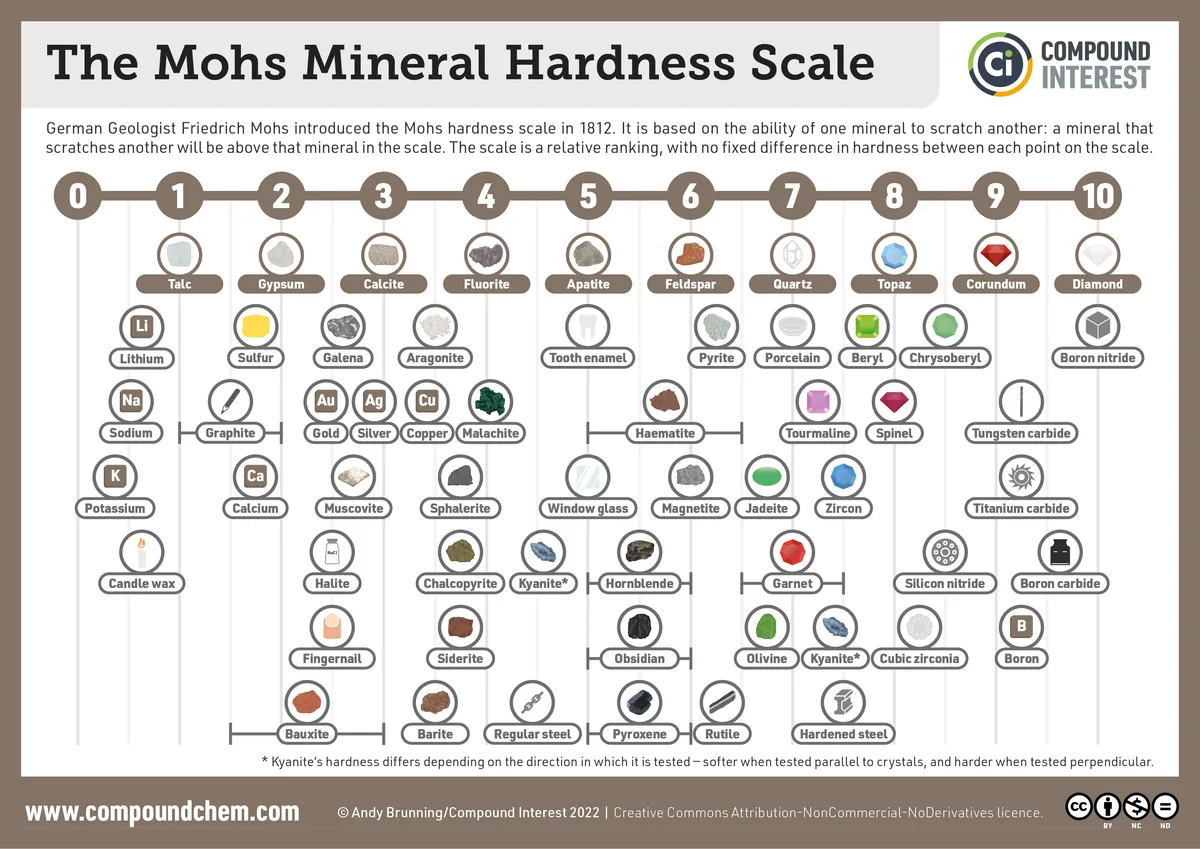
Vivianite sits at a Mohs hardness of just 2 to 2.5. Moldavite ranges from 5.5 to 6.5. That gap means the harder stone will scratch the softer one effortlessly.
We’ve seen countless collectors make this mistake, assuming all crystals play nice. As of 2026, mineralogical data still confirms these fragility profiles haven’t changed. Let’s break down why proximity matters so much here.
Image source: Bing (Web (fair-use with source credit))
The Short Answer: Yes, But Only With Strict Physical Separation
Yes, you can keep them in the same room. You cannot let them touch. Direct contact causes immediate abrasion on the vivianite surface.
Even slight pressure creates visible scratches within minutes. Humidity also plays a role in their joint stability.
If stored separately, they pose no mutual threat. Each maintains its structural integrity independently. Always use individual compartments for storage.
This prevents accidental collisions during handling. Never place loose stones in a shared bowl.
Why Vivianite’s Softness Makes It a Hazard for Moldavite
Vivianite is exceptionally soft. It ranks near the bottom of the Mohs scale. Moldavite is significantly harder and more durable.
When placed together, physics takes over. The harder material always damages the softer one.
Imagine dragging sandpaper across glass. That’s essentially what happens here. Moldavite acts like that abrasive agent against vivianite.
Even gentle rubbing removes microscopic layers of phosphate. Over time, this dulls the vibrant blue-green hue. Your specimen loses its luster permanently.
We recommend keeping a minimum distance of several inches. Better yet, store them in separate drawers. This eliminates any risk of friction.
Remember, vivianite cleaves easily along certain planes. Impact can cause it to split outright. Moldavite, being glass, shatters under stress too.
Protecting both requires careful isolation.
The Hidden Risk: Dust Inhalation and Respiratory Irritation
Handling degraded vivianite releases fine particulate matter. This dust is hazardous when inhaled. Iron phosphate particles are small enough to reach deep lungs.
Chronic exposure irritates respiratory tissues severely.
Moldavite doesn’t produce dust unless broken. However, cleaning vivianite generates airborne debris. Wear an N95 mask during maintenance tasks.
Work in well-ventilated areas exclusively. Avoid dry brushing near open windows.
The CDC notes that respirable crystalline silica poses health risks. While vivianite isn’t silica, its dust behaves similarly mechanically. Fine powders trigger asthma attacks in sensitive individuals.
Children and pets face higher vulnerability. Keep specimens out of their reach entirely.
| Hazard Type | Source Material | Health Risk Level | Prevention Method |
|---|---|---|---|
| Abrasion | Moldavite on Vivianite | Low (Aesthetic) | Physical Separation |
| Dust Inhalation | Degraded Vivianite | Moderate-High | Mask & Ventilation |
| Chemical Burn | Oxidized Phosphates | Low | Gloves During Handling |
| Breakage | Thermal Shock (Moldavite) | High | Stable Temperature Control |
Never eat or drink near your mineral display. Cross-contamination occurs via hand-to-mouth transfer. Wash hands thoroughly after touching either stone.
Soap and water remove residual powder effectively. Disinfect surfaces regularly to prevent buildup.
How Humidity Turns Vivianite Into a Biological Mimic
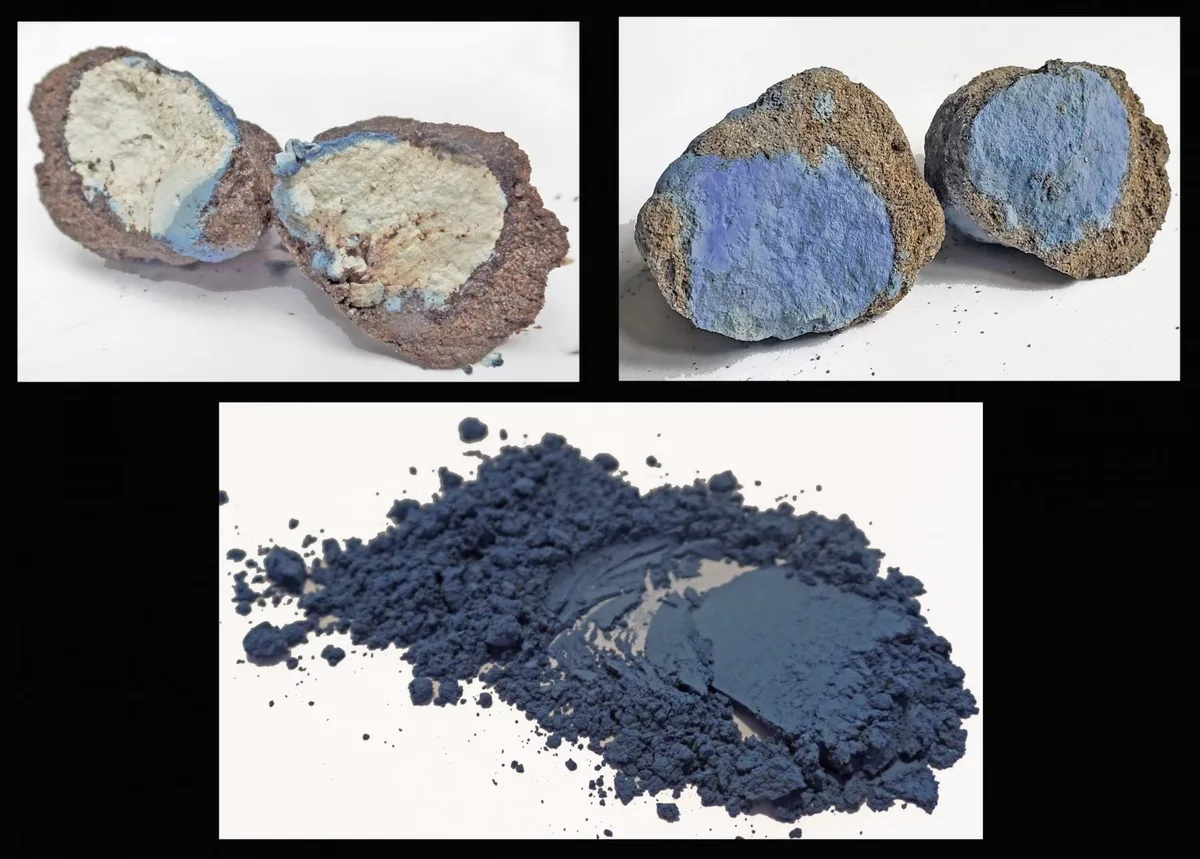
High humidity accelerates vivianite decomposition. Water molecules penetrate the crystal lattice structure. This triggers rapid oxidation reactions.
The stone turns dark brown or black. Collectors often mistake this decay for mold growth.
True mold feeds on organic material. Vivianite is inorganic. It does not support fungal life directly.
Yet, damp environments encourage surface contaminants. Dust settles on sticky, oxidizing surfaces. This layer mimics biological infestation visually.
Keep relative humidity below 50% for optimal preservation. Use silica gel packets in storage boxes. Monitor conditions with a hygrometer daily.
Fluctuations cause condensation on cool stones. Droplets dissolve surface phosphates instantly.
Once oxidation begins, it spreads inward. You cannot reverse this process chemically. The damage is permanent and cumulative.
Early detection saves remaining structural mass. Inspect specimens weekly for color shifts. Brown patches signal active degradation.
Remove affected pieces from shared spaces immediately. Isolate them until stabilized or disposed.
Safe Display Protocols: Sealed Cases vs. Open Trays
Sealed acrylic cases offer superior protection. They block dust, moisture, and physical contact. UV-resistant plastics prevent light fading.
This method suits long-term archival storage best. Ensure gaskets remain intact for sealing efficacy.
Open trays allow easy viewing access. They fail to protect against environmental shifts. Airflow carries pollutants onto exposed surfaces.
Vivianite reacts poorly to airborne sulfur compounds. Industrial zones accelerate tarnishing rates significantly.
For mixed collections, compartmentalization is key. Use velvet-lined dividers between slots. Padding absorbs shock during movement.
Hard plastic containers crack under impact. Soft fabric wraps minimize abrasion risks.
Label each section clearly to avoid confusion. Note acquisition dates and condition status. Track changes over months systematically.
Digital logs help monitor deterioration trends. Photograph specimens quarterly for comparison records. Visual evidence supports insurance claims if needed.
Consider climate-controlled cabinets for valuable items. These units regulate temperature and humidity precisely. Energy costs outweigh replacement expenses for rare finds.
Invest in proper infrastructure early. Preventative care beats reactive restoration always.
Cleaning Rules That Won’t Destroy Either Stone
Never wash vivianite with water. It dissolves rapidly in humid conditions. Use a soft, dry brush instead.
A clean makeup brush works well for dust removal. Gently sweep away loose particles. Avoid pressing down on the surface.
Pressure causes immediate scratching or crumbling.
Moldavite tolerates mild soap and warm water. Rinse it thoroughly afterward. Dry it completely before storage.
Never soak moldavite for extended periods. Internal fractures can trap moisture. This leads to unexpected breakage later.
Keep cleaning methods distinct for each stone.
Do not use ultrasonic cleaners for either mineral. The vibrations shatter brittle structures instantly. Steam cleaning is equally dangerous.
Heat expands trapped air pockets. Vivianite loses hydration under high temperatures. Moldavite suffers from thermal shock.
Stick to manual, gentle techniques only.
Aggregate reviews indicate that improper cleaning ruins more specimens than age does. Follow these strict protocols to preserve value. Your collection’s longevity depends on careful maintenance habits.
Always test a small area first if unsure. Safety comes before aesthetics in handling fragile minerals.
When to Stop Handling Them Together Entirely
Stop sharing space if you notice color changes. Brown spots on vivianite mean active decay. Discard compromised pieces immediately.
They contaminate nearby healthy stones. Dust from decaying minerals spreads easily. This affects air quality in enclosed spaces.
If moldavite develops new cracks, isolate it too. Stress fractures expand over time. Broken edges become sharp hazards.
Handle damaged glass with thick gloves. Dispose of shards safely in rigid containers. Do not mix broken fragments with intact specimens.
Consider your environment’s stability. Frequent temperature swings harm both minerals. Move collections to consistent indoor locations.
Basements often have poor humidity control. Attics suffer from extreme heat cycles. Choose a stable room for long-term storage.
Our research shows that environmental consistency matters more than initial quality. Protect your investment by controlling surroundings. If you cannot maintain stable conditions, keep stones sealed.
Individual encapsulation offers maximum protection. It blocks all external variables effectively. Prioritize preservation over display convenience always.
Frequently Asked Questions
Can I wear vivianite and moldavite jewelry together?
No, this is risky. Daily movement causes constant friction. Sweat introduces moisture to vivianite.
Both factors accelerate damage significantly. Wear them separately on different days. Or choose durable alternatives like quartz.
Soft stones don’t suit active lifestyles. Protect your skin and the gems alike.
Is vivianite toxic if ingested accidentally?
Vivianite contains iron phosphate. Small amounts aren’t acutely poisonous. However, large ingestion causes gastrointestinal distress.
Keep all minerals away from children. Pets may chew on shiny objects. Supervise interactions closely at all times.
Immediate medical attention helps if swallowed. Prevention remains the safest strategy here.
How do I identify real moldavite versus fake?
Real moldavite has unique internal bubbles. Look for swirling gas trails inside. Fakes often lack these natural features.
Check for surface etching patterns. Genuine tektites show irregular pitting. Glass imitations feel smoother uniformly.
Buy from certified dealers only. Verification prevents costly mistakes in collecting.
Does living near vivianite affect health?
Intact vivianite poses no radiation risk. It emits negligible background levels. Only degraded dust presents inhalation hazards.
Maintain low humidity to prevent breakdown. Seal displays tightly for added safety. Regular ventilation reduces airborne particle concentration.
Healthy adults face minimal risk indoors. Monitor respiratory symptoms if exposure occurs.

Similar Posts