Charge Crystals with Sunlight: Masculine Solar Energy Guide
Figuring out how to charge crystals with sunlight for masculine solar energy isn't just about leaving rocks in the sun. It’s a deliberate act of aligning your intent with active, projecting Yang energy. Many beginners make the mistake of treating all stones the same, risking permanent damage to their collection.
You need to know which minerals thrive under UV exposure and which ones fade or crack.
The process hinges on understanding thermal limits and photosensitivity. As of 2026, mineralogical data confirms that direct midday sun can raise surface temperatures above 120°F (49°C) quickly. This heat stress is dangerous for softer or water-bearing stones.
We’ll walk through the specific workflow to harness this power safely while protecting your investment.
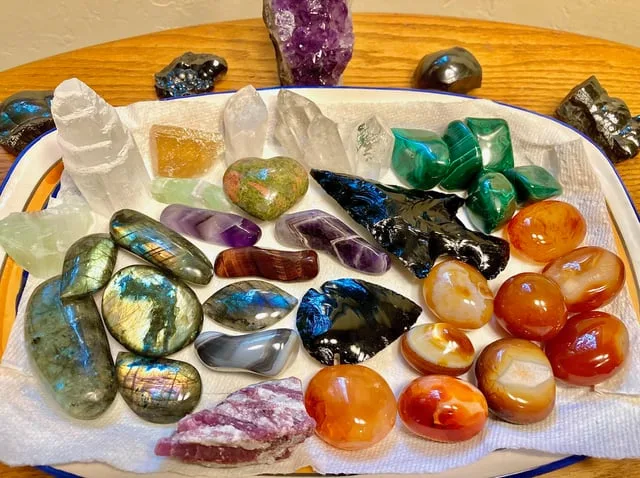
Image source: Bing (Web (fair-use with source credit))
Why Sunlight Charges Crystals Differently Than Moonlight
Sunlight represents pure Yang energy: active, outward-moving, and stimulating. Moonlight carries Yin energy: receptive, internal, and calming. When you choose solar charging, you’re looking to amplify confidence, drive, and logical clarity.
These are the traits associated with masculine solar archetypes in metaphysical traditions.
This method works best for goals requiring action. Think career launches, creative breakthroughs, or physical vitality. The rapid photon impact energizes the crystal lattice faster than passive lunar cycles.
However, this speed comes with higher stakes. You must respect the stone’s physical boundaries.
Unlike moonlight, which is gentle enough for almost any gem, sunlight demands selectivity. The high-energy UV radiation interacts differently with atomic structures. Some bonds strengthen, while others break down.
Understanding this distinction prevents accidental destruction of rare specimens. Always match the energy type to your intention first.
The Critical Filter: Which Stones Can Handle Solar Energy
Not every crystal survives direct sun exposure. Photosensitive minerals undergo chemical changes when hit by UV rays. This leads to fading, discoloration, or structural weakening.
You must filter your collection before starting the ritual.
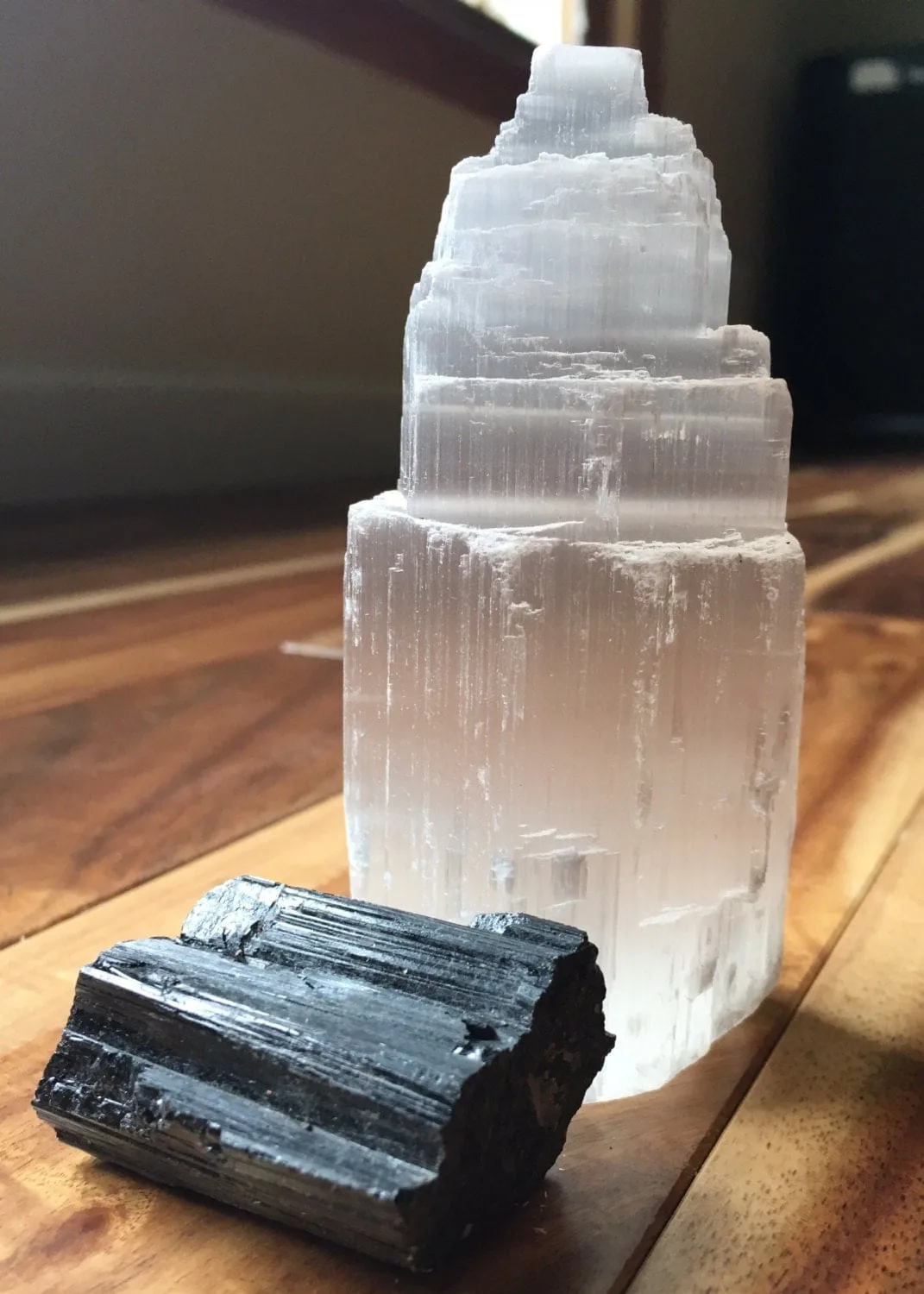
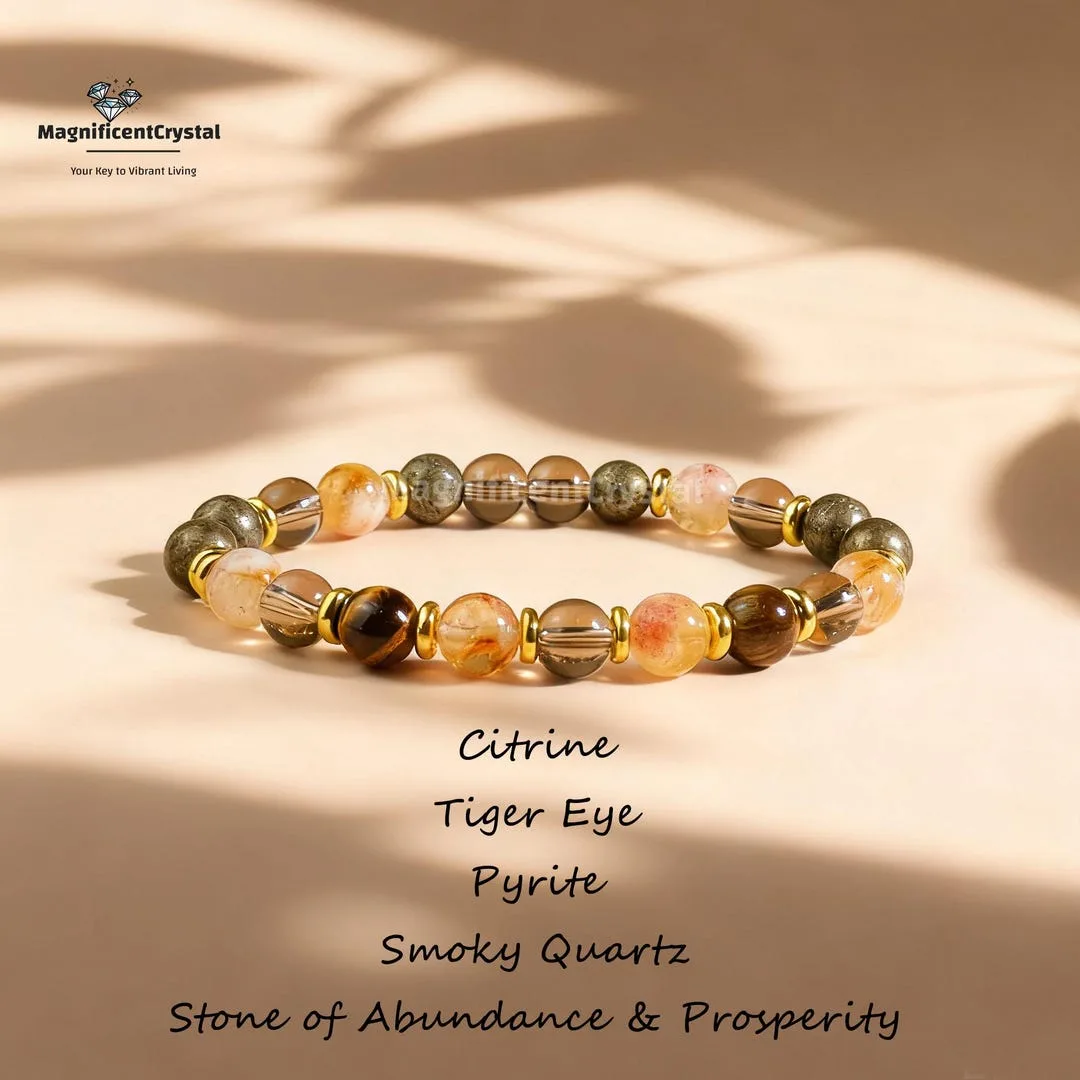
Hard, stable stones like Clear Quartz, Citrine, and Carnelian generally tolerate sunlight well. They have dense molecular structures that resist thermal shock. Conversely, Amethyst, Rose Quartz, and Selenite are notorious for fading rapidly.
Even popular "masculine" stones like Lapis Lazuli can suffer color loss if exposed too long.
Use this quick reference to categorize your stones:
| Stone Type | Solar Safety Level | Primary Risk Factor |
|---|---|---|
| Clear Quartz | High | None significant |
| Citrine | High | Rare heat fracture |
| Tiger’s Eye | Medium-High | Color shift if wet |
| Amethyst | Low | Permanent purple fade |
| Rose Quartz | Very Low | Pink bleaching |
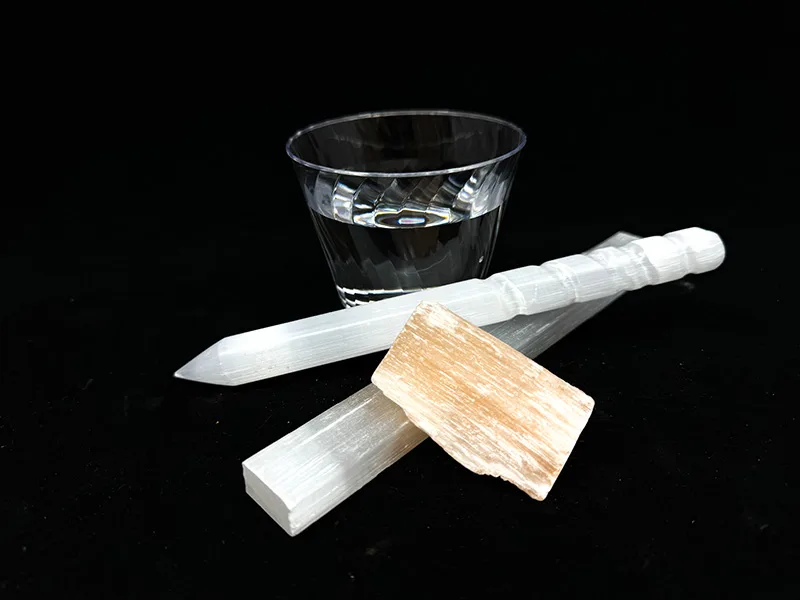
| Selenite | Zero | Dissolves/softens |
If you own delicate stones, skip solar charging entirely. Use moonlight or sound baths instead. For safe candidates, ensure they are dry before placement.
Moisture trapped inside fractures can expand when heated, causing cracks. Check manufacturer guidelines for treated stones, as dyes often bleed in heat.

Step-by-Step Workflow for Safe Masculine Charging
Follow this linear process to activate your stones without damaging them. Consistency matters more than duration here. Your intention sets the tone for the energetic imprint.
- Cleanse Physically: Wash the stone with lukewarm water and mild soap. Remove oils, dust, and previous energetic residue. Dry it completely with a soft cloth. Any moisture left behind creates steam pockets during heating.
- Set Intentions: Hold the dry stone in your dominant hand. Visualize the specific outcome you want. Focus on action-oriented words like "drive," "clarity," or "strength." Speak your affirmation aloud to anchor the frequency.
- Choose Location: Find a spot with indirect morning light or filtered afternoon sun. Avoid glass windows that magnify heat unpredictably. Outdoor surfaces should be natural stone or ceramic, not synthetic plastics.
- Place Strategically: Lay the stone flat or upright depending on its cut. Ensure it receives consistent light exposure. Rotate it halfway through if shadows move across the surface.
- Monitor Temperature: Touch the stone gently after thirty minutes. If it feels hot to the touch, retrieve it immediately. Surface heat indicates potential internal stress.
- Cool Down Gradually: Bring the stone indoors. Let it rest at room temperature for an hour. Do not place it directly on cold countertops. Rapid cooling causes thermal shock fractures.
- Store Properly: Once cool, wrap it in silk or cotton. Store away from other charged items until ready for use. This preserves the isolated Yang imprint.
This workflow prioritizes safety alongside efficacy. Skipping the cooling phase ruins even perfect charges. Patience yields better results than rushing the process.
Timing and Duration: Maximizing Yang Without Causing Damage
Duration depends heavily on UV index and ambient temperature. There is no universal timer. You must adjust based on weather conditions and stone type.
Overexposure wastes energy and risks physical harm.
For most hard quartz varieties, one to three hours suffices. Soft or porous stones require less time, often under forty-five minutes. Peak summer sun demands shorter sessions than winter daylight.
The angle of incidence affects intensity significantly.
Consider these variable factors when scheduling your session:
- Seasonal Variance: Summer UV indices often exceed 8+. Reduce exposure time by half compared to spring/fall levels. Winter sun is weaker but still capable of fading sensitive pigments.
- Altitude Effects: Living above 5,000 feet increases UV penetration. Add ten percent extra caution to your timing estimates. Thin air offers less protection against radiation.
- Cloud Cover: Diffused light penetrates slower but lasts longer. Extend session time slightly if skies are overcast. Direct beams create hotter spots than scattered rays.
Always aim for early morning (before 9 AM) or late afternoon (after 4 PM). Midday sun is harsh and unpredictable. These golden hours provide strong Yang energy without extreme thermal load.
Check local NOAA forecasts for daily UV ratings before beginning.

Common Mistakes That Ruin Your Crystals or Dilute Intent
Many practitioners fail because they ignore basic physics or psychology. Both aspects matter equally in effective charging. Neglecting either leads to poor results or broken tools.
First, never charge wet stones. Water expands when heated, creating internal pressure. This causes micro-fractures invisible to the naked eye.
Always verify complete dryness before outdoor placement. Second, avoid mixing intentions. Trying to charge for both calm and aggression confuses the energetic signature.
Stick to one clear goal per session.
Third, don’t leave stones unattended in public spaces. Theft is common for valuable minerals. Additionally, pets may ingest small tumbled pieces.
Secure your workspace properly. Fourth, skipping the cleansing step leaves old energies intact. You cannot overwrite stagnant vibes effectively.
Fresh starts require clean slates.
Finally, respecting material limits saves money. Faded Amethyst loses resale value instantly. Cracked Quartz becomes useless for meditation.
Learn the Mohs hardness scale basics. Know your inventory’s vulnerabilities. Prevention costs nothing; replacement does.
When to Choose Alternative Methods Over Sunlight
Sometimes the sun isn't the right tool for the job. If your stone is photosensitive, skip solar charging entirely. Use moonlight instead for a gentle, receptive reset.
This preserves color integrity while still clearing stagnant energy.
Consider earth burial for grounding heavy or chaotic stones. Burying crystals in soil stabilizes their vibration without heat stress. It’s ideal for large geodes or raw chunks that can’t fit on a windowsill.
The natural magnetic field aids in neutralizing excess Yang.
Running water works best for immediate cleansing before programming. Rinse away physical dirt and energetic clutter quickly. Just ensure the stone won’t dissolve (like Selenite) or crack from thermal shock.
Combine this with sound baths for deep purification.
If you live in cloudy climates, solar intensity drops significantly. Diffused light lacks the punch needed for strong masculine activation. In these cases, use incense smoke or sage smudging.
Fire element methods mimic the active nature of solar energy effectively.
Always assess your specific goal first. Need confidence? Try sunlight on Citrine.
Need calm? Use moonlight on Amethyst. Matching method to intent ensures optimal results.
Don’t force a technique that fights your stone’s nature.
Frequently Asked Questions About Solar Crystal Charging
Can I charge multiple crystals together in the sun?
Yes, but group them by hardness and color stability. Mixing fragile stones with hard quartz risks scratching. Keep similar types together to prevent uneven fading.
Separate distinct intentions into different batches for clarity.
Does window glass affect solar charging quality?
Standard window glass blocks most UVB rays, which carry high-energy photons. UVA passes through, but it’s less potent for activation. For true masculine solar energy, direct outdoor exposure is superior.
Indoor charging via windows yields weaker results.
How do I know if my crystal is fully charged?
Trust your intuition, but look for physical warmth. A properly charged stone often feels slightly hotter than ambient air. You may also notice increased mental clarity or energy spikes.
If it feels dull, extend the session cautiously.
Is Pyrite safe to leave in direct sunlight?
Pyrite contains iron sulfide, which can oxidize faster under intense UV. While generally durable, prolonged exposure may cause surface tarnishing. Limit sessions to under an hour.
Wipe it down afterward to remove any residual dust or oxidation flakes.
Can I recharge a crystal too much?
Overcharging leads to "energetic burnout," manifesting as agitation or headaches. Stones have capacity limits just like batteries. If you feel jittery after handling one, let it rest in darkness for 24 hours.
Resetting prevents excessive Yang accumulation.

Similar Posts