Crystal Cracked During Full Moon? Here’s What to Do Next
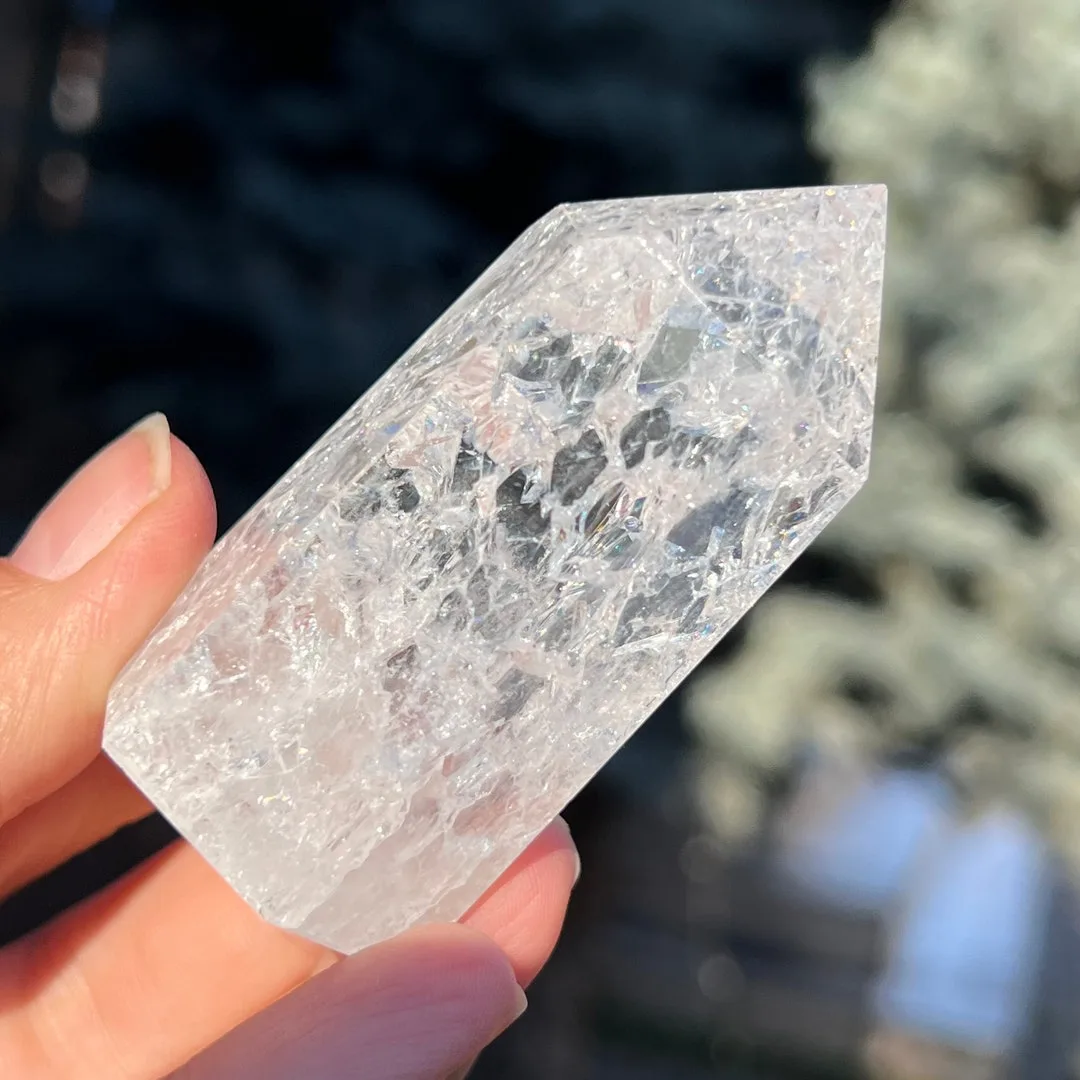
You’re staring at a shattered stone, heart sinking faster than the moon rises. Figuring out what to do when a crystal cracks during full moon charging is stressful, especially if you believe in its energetic properties. First, take a breath.
Physical breakage doesn’t mean spiritual failure or bad luck. It’s often just physics catching up with mineral structure under thermal stress.
Most cracks happen due to rapid temperature changes, not mystical forces. Per Gemological Institute of America standards, many quartz varieties have inherent internal fractures called "ice" that look like new damage. We need to distinguish between harmless inclusions and structural failures.
Let’s walk through the safety checks and decision paths so you know exactly how to handle your damaged piece.
Quick Answer
Stop handling the crystal immediately to avoid cuts. Inspect it under bright light to check for sharp edges. If the crack is superficial, clean it gently with dry cloth.
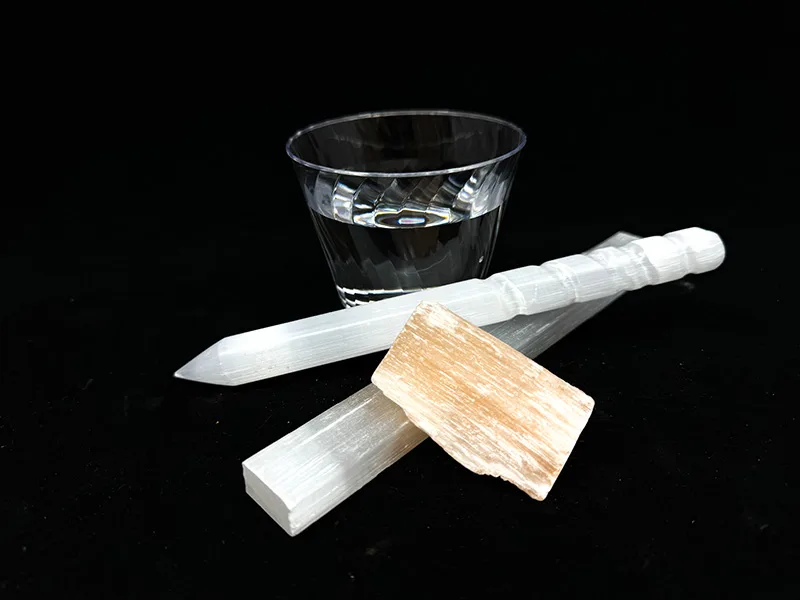
If broken apart, collect all fragments safely. Decide whether to repair, repurpose, or release based on damage severity. Never use water on porous stones like selenite.
Dispose of unusable shards responsibly by burying them.
First, Don’t Panic: Assessing the Crack vs. Natural Inclusions
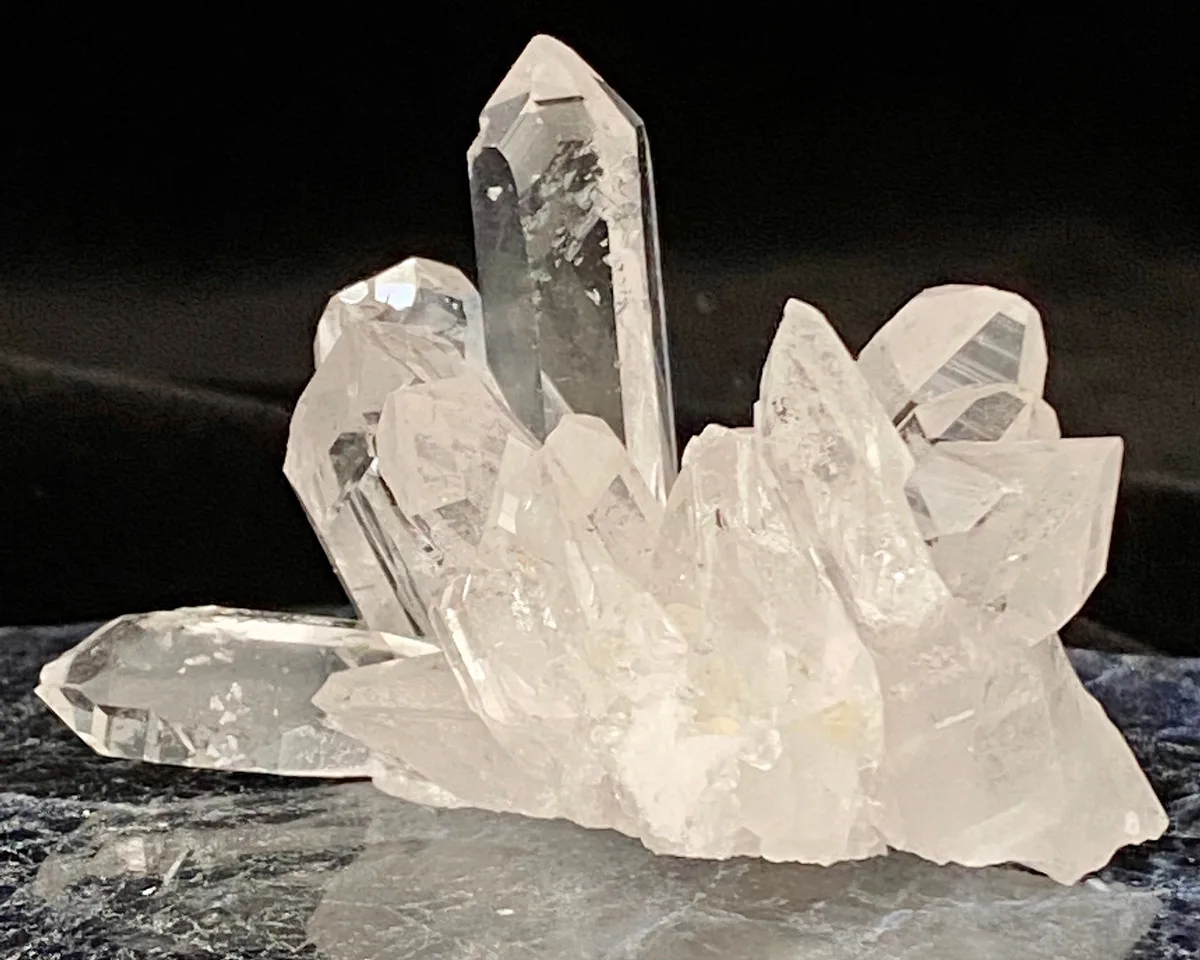
Before you assume disaster, verify if the crack is actually new. Many crystals, particularly Clear Quartz and Amethyst, contain natural fluid inclusions or feather-like fractures formed during geological creation. These are permanent features, not signs of recent damage.
You might be reacting to a flaw that was always there.
Look closely at the fracture pattern. New breaks from thermal shock usually show jagged, fresh surfaces with high reflectivity. Old inclusions often appear cloudy, rounded, or filled with secondary minerals.
Use a jeweler’s loupe or magnifying glass to inspect the edges. Sharp, glassy edges suggest a recent break. Smooth, worn edges indicate an ancient feature.
Consider the context of the charging session. Did you place the crystal in direct sunlight before the moon phase? Thermal expansion can cause sudden fracturing in brittle stones.
If the ambient temperature dropped rapidly overnight, condensation could freeze in micro-fissures, forcing them open. This is a physical reaction, not an energetic rejection.
If the crack looks identical to photos of the stone when you bought it, it’s likely an inclusion. Check your original purchase records or seller descriptions. Reputable dealers note significant inclusions.
If you didn’t notice it before, it may have been hidden by lighting or angle. Take a photo now for future reference. This helps track if the damage spreads over time.
The Immediate Safety Protocol for Handling Broken Shards
Your first priority is preventing injury. Freshly broken mineral shards can be razor-sharp, comparable to surgical steel. Do not pick up pieces with bare hands.
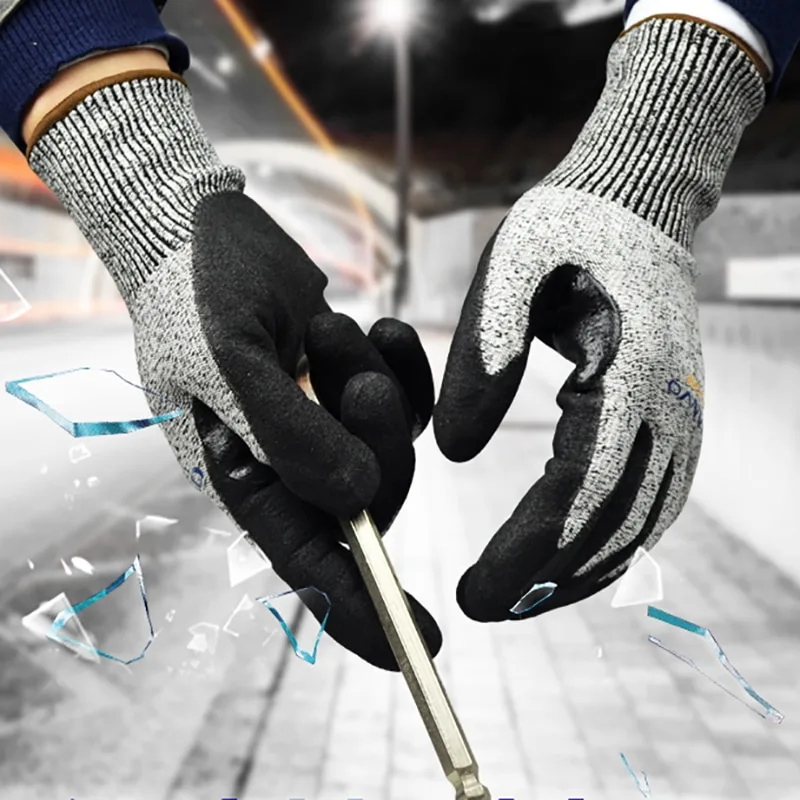
Wear cut-resistant gloves, ideally rated ANSI Level A4 or higher. Safety glasses are also crucial if small fragments flew outward during the break.
Carefully remove the crystal from the charging setup. Avoid shaking the container, which can cause further fragmentation. Place the main body and loose chips into a rigid box lined with soft tissue paper.
Label the box clearly as "Sharp Glass/Mineral Hazard" if storing temporarily. Keep it away from children and pets until resolved.
Inspect the work area for microscopic dust. Crushing porous stones releases fine particulates that irritate lungs. Ventilate the room well.
Wipe down surfaces with a damp cloth, then discard the cloth immediately. Do not vacuum dry dust, as this aerosolizes particles. Use a HEPA filter vacuum only if necessary, wearing a mask.
Assess the stability of the remaining large piece. If it feels loose or wobbles, it may split again under minimal pressure. Set it down on a flat, non-slip mat.
Do not attempt to glue it yet. Moisture or oils from fingers can prevent adhesion later. Wait until you’ve decided on the repair path.
Patience prevents messy, ineffective fixes.
Decision Branch 1: Minor Surface Fissures and Internal Fractures
If the crystal remains one solid piece with visible but contained cracks, you have options. These fissures haven’t compromised structural integrity significantly. They often affect aesthetics more than function.
Your choice depends on your tolerance for imperfection and intended use.
One path is acceptance. Many practitioners view these marks as character. The stone survived the stress, proving resilience.
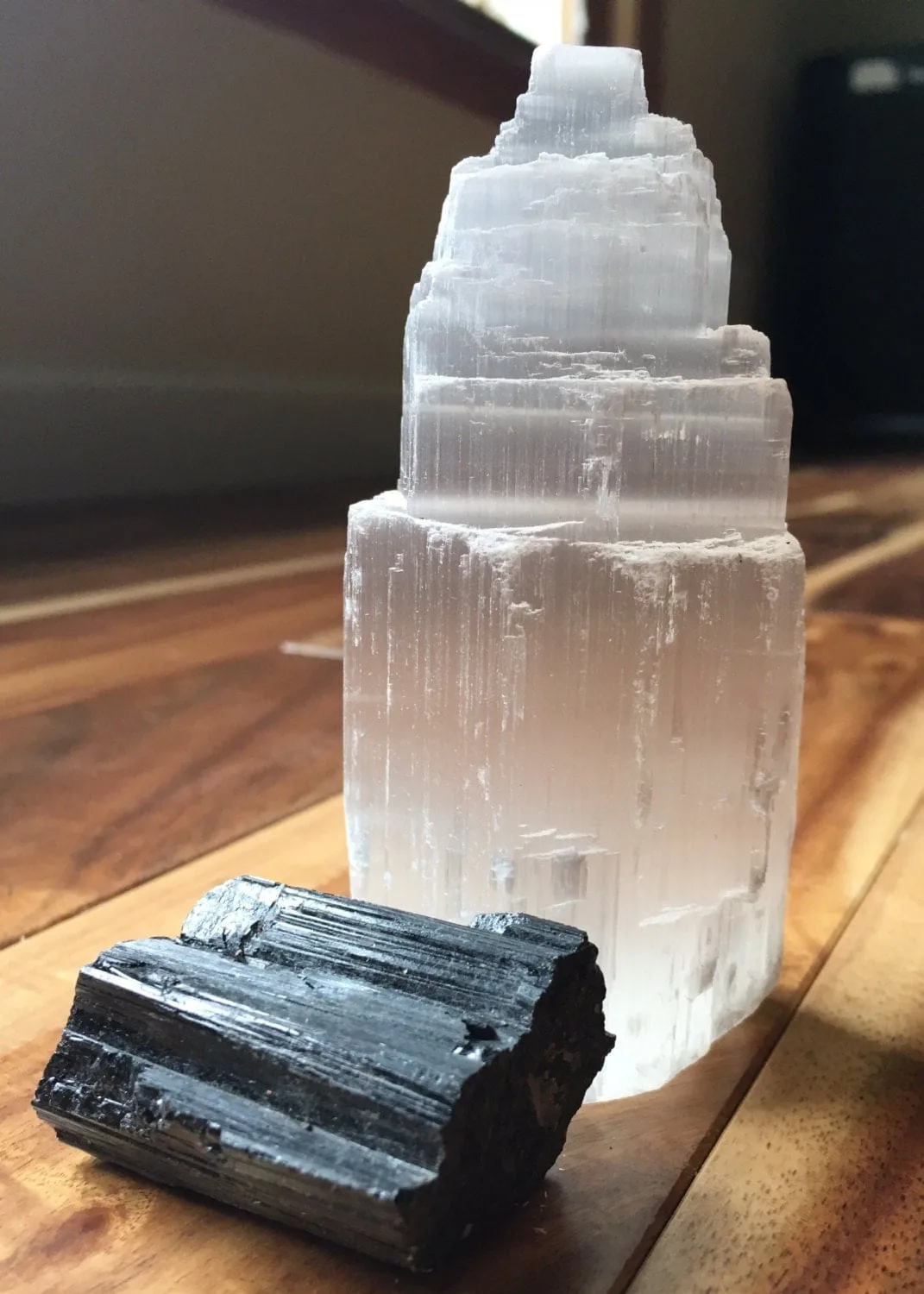
Clean the surface gently with a dry, lint-free cloth. Avoid water if the stone is porous (like Selenite or Halite), as moisture enters cracks and worsens them. Store it in a padded pouch to prevent snagging.
Another option is cosmetic enhancement. Some users apply a thin layer of crystal-safe wax or oil to reduce visibility. Be cautious here.
Oils can darken certain stones permanently. Test on a hidden spot first. For non-porous stones like Quartz, a tiny amount of mineral oil can fill micro-gaps visually.
Wipe off excess thoroughly.
Do not ignore spreading cracks. Monitor the fissure weekly. If it extends, the stone is unstable.
Move it to a protected location. Consider retiring it from active grids or meditation setups where vibration might accelerate breakage. Use it only for display.
This preserves its beauty while minimizing risk of total shattering.
| Condition | Action | Risk Factor |
|---|---|---|
| Hairline crack, no separation | Accept & Display | Low |
| Visible vein, stable structure | Seal with Wax/Oil | Medium (Staining) |
| Spreading fissure observed | Retire from Active Use | High (Breakage) |
Decision Branch 2: Complete Breaks and Structural Failure
When the crystal splits into two or more distinct pieces, the dynamic changes. You must decide whether to salvage, repair, or release. Each fragment holds potential energy, but handling becomes trickier.
Small shards pose ingestion hazards for pets and toddlers.
Evaluate the size of the largest fragment. If it’s substantial enough to hold comfortably, treat it as a standalone stone. Polish the raw edge lightly with sandpaper (start at 400 grit, move to 1000+) to remove sharpness.
This transforms a hazard into a usable tumbled-style piece. Keep smaller chips for jewelry making or grid corners.
If the break creates irregular, jagged shapes, repair is difficult. Epoxy bonding works best on clean, flat surfaces. Curved or fractured interfaces leave gaps.
These gaps trap dirt and weaken the bond. Attempting to force-fit pieces often results in a fragile, ugly join. Ask yourself: does the repaired item serve your purpose?
Sometimes, release is the kindest option. Burying fragments returns the mineral to the earth. Choose a quiet spot in nature.
Wrap pieces in biodegradable material like cotton cloth. Dig a shallow hole, six inches deep. Speak your intention aloud if that resonates with you.
This ritual provides closure and removes clutter. It honors the stone’s journey without forcing unnatural preservation.
Repair Workflows: Bonding, Polishing, or Leaving As-Is
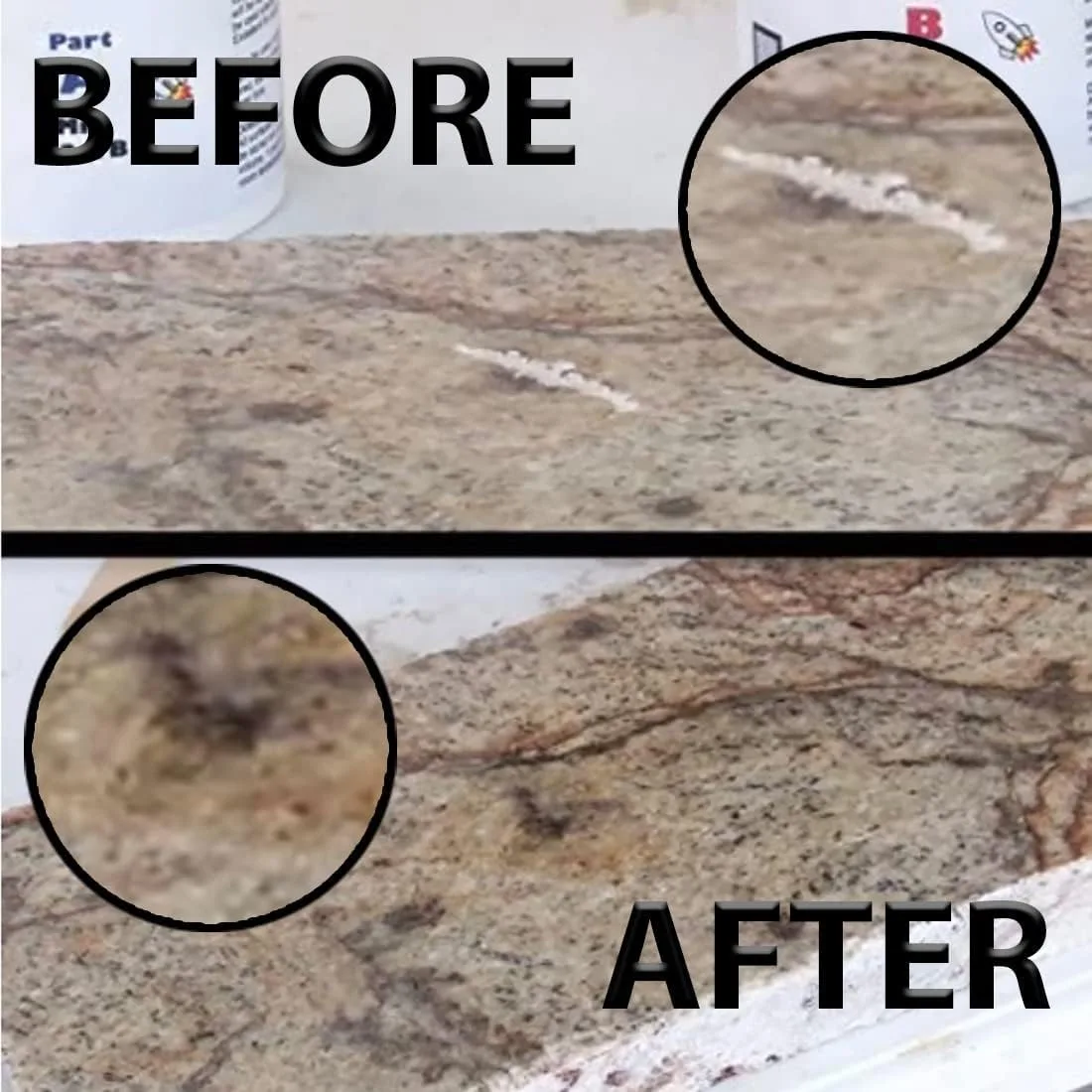
Choosing to repair requires precision. Standard superglue fails on smooth mineral surfaces. You need a two-part epoxy designed for glass or stone.
Look for products labeled "crystal-clear" and "non-yellowing." Manufacturer specifications indicate cure times vary from 24 to 72 hours. Rushing this step guarantees failure.
Prepare the surfaces meticulously. Clean both sides with isopropyl alcohol to remove oils and dust. Let them dry completely.
Any residue prevents proper adhesion. Mix the epoxy according to package ratios. Under-mixing leaves sticky spots; over-mixing introduces air bubbles.
Apply a thin bead to one side only. Press firmly for thirty seconds. Clamp loosely with rubber bands if shape allows.
Clamp the joint securely. Use clothespins or binder clips padded with felt. Ensure alignment before the epoxy sets.
Once cured, inspect for excess squeeze-out. Scrape it off carefully with a razor blade held parallel to the surface. Sand the seam lightly with high-grit paper (2000+) to blend textures.
Polish with a microfiber cloth to restore shine.
For severe damage, professional re-polishing is an alternative. Send the stone to a lapidary artist. They can grind down the break, reshaping the crystal.
This reduces size but restores integrity. Costs vary, typically $20, $50 per stone depending on complexity. Compare this against replacement cost.
Sometimes buying a new stone is cheaper and less hassle. Weigh the sentimental value against financial reality.
Energetic Resetting After Physical Damage
Does a crack mean the crystal is energetically dead? No. Most traditions agree that physical damage doesn’t sever energetic connection.
However, you should cleanse it again before reuse. The break may have trapped stagnant energy in the fracture lines.
Start with smoke cleansing. Sage, palo santo, or incense works well here. Pass the stone through the smoke three times.
Focus on the cracked area specifically. This clears any residual debris or dust from the break site.
Next, try sound healing. A singing bowl or tuning fork vibrates at frequencies that penetrate micro-fissures. Hold the instrument near the stone for sixty seconds.
Listen for changes in resonance. If the tone sounds dull, repeat the process.
Finally, set a new intention. Hold the repaired or intact piece in your dominant hand. Visualize light filling the cracks.
State your purpose clearly aloud. This mental reset aligns your focus with the stone’s current state. It bridges the gap between physical repair and spiritual utility.
As of 2026, many practitioners combine these steps for thorough renewal. Trust your intuition during this phase.
Common Mistakes That Ruin Salvageable Crystals
What kills a fixable stone faster than the initial break? Water exposure on porous minerals. Selenite, halite, and fluorite dissolve or crumble when wet.
Never rinse these under tap water after cracking. Dry brushing is your only safe cleaning method.
Another error is using household glue. Super glues contain cyanoacrylates that yellow over time. They also fail to bond smooth mineral surfaces effectively.
You’ll end up with a brittle, discolored mess. Always use two-part epoxy rated for glass or stone.
Ignoring safety gear is a critical oversight. People often skip gloves to "feel" the stone better. This leads to cuts and infection risks.
Sharp edges harbor bacteria from skin oils. Wear nitrile gloves throughout the inspection and repair process.
Rushing the cure time ruins bonds too. Epoxy needs twenty-four to seventy-two hours to harden fully. Handling it early causes misalignment or weak joints.
Patience ensures longevity. Set a timer and walk away. Let the chemistry work undisturbed.
Frequently Asked Questions
Can I still meditate with a cracked crystal?
Yes, if the structural integrity remains sound. Minor fissures don’t stop energy flow. Many users find broken stones hold stronger intentions due to their history.
Just ensure no sharp edges contact your skin. Use a cushion or wrap it in cloth. Comfort matters more than perfection during practice.
How do I know if my crystal was already cracked?
Compare it to original photos or descriptions. Natural inclusions look cloudy or rounded. Fresh breaks appear shiny and jagged.
Use a magnifying loupe for clarity. If unsure, consult a gemologist. They can identify geological features versus recent trauma.
Documenting purchase details helps track baseline conditions accurately.
Is it bad luck to keep a broken crystal?
No. This is a superstition, not fact. Cracking is usually caused by thermal shock or pressure.
It reflects physics, not fate. Keeping fragments honors the stone’s journey. Release them if they cause distress.
Burial returns elements to the earth naturally. Choose what brings you peace, not fear.
What adhesive works best for crystal repairs?
Two-part clear epoxy is ideal. Look for non-yellowing formulas designed for glass. Brands like Loctite or Devcon offer suitable options.
Avoid hot glue or cyanoacrylate. These fail under stress or discolor quickly. Follow manufacturer mixing ratios precisely.
Proper application ensures a durable, invisible bond over time.

Similar Posts