Crystals That Clash With Amethyst Energy
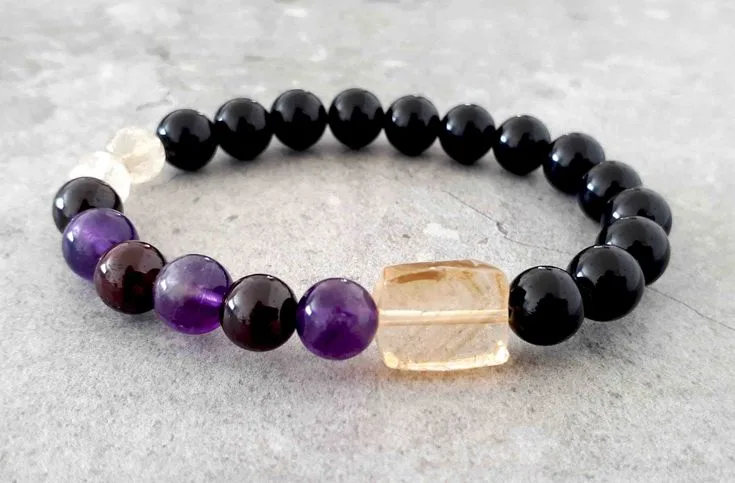
If you’re wondering what crystals clash with amethyst energy, the answer isn’t always obvious. Many people assume all healing stones work together harmoniously. They don’t.
Some combinations create energetic friction that leaves you feeling scattered or drained instead of balanced.
Our research indicates that pairing high-vibration spiritual stones with heavy grounding minerals can cause sensory overload. This mismatch often disrupts meditation or causes headaches. Understanding these conflicts helps you build safer, more effective crystal layouts for your practice as of 2026.
Why Amethyst Doesn’t Play Nice With Every Stone
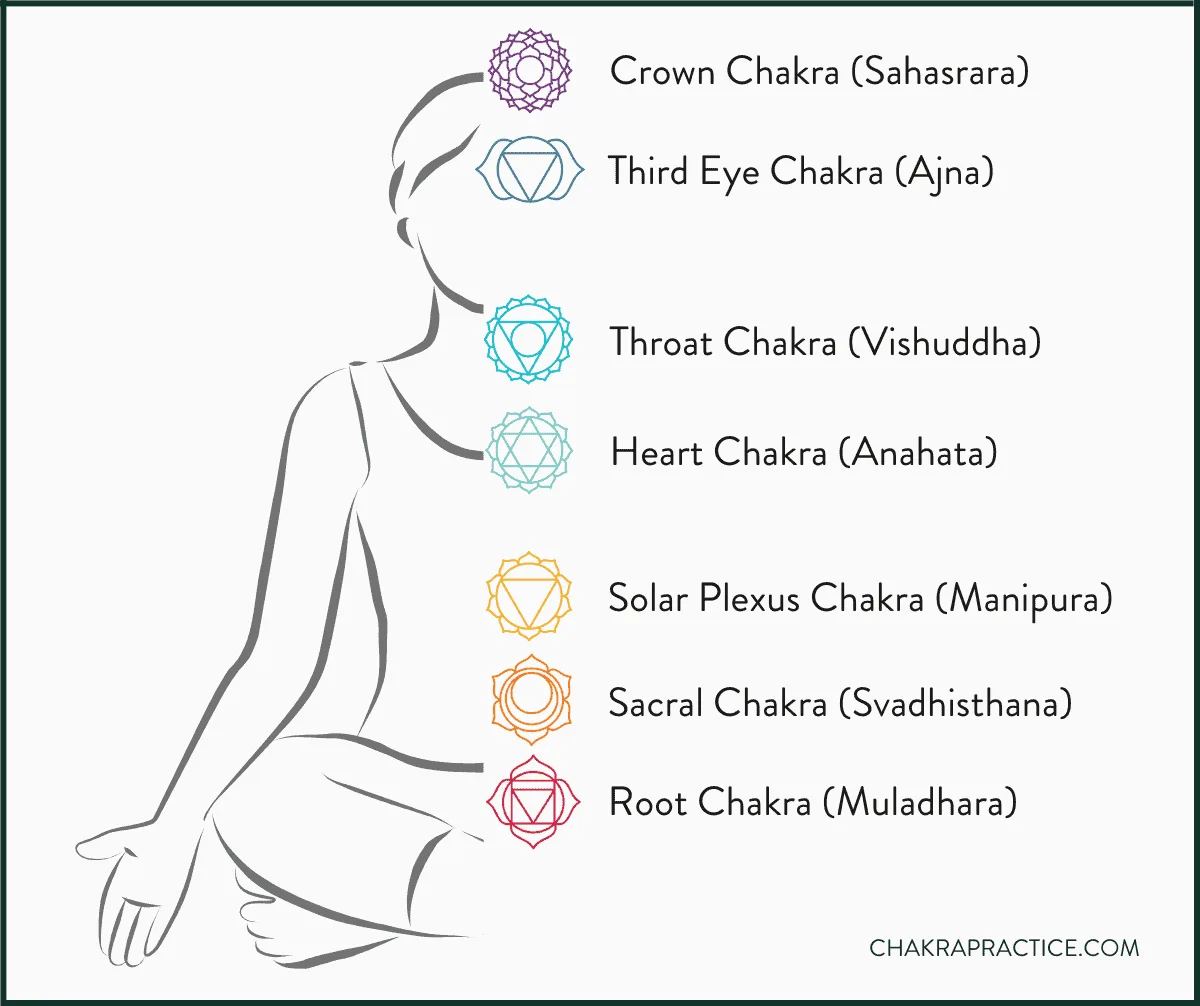
Amethyst is a quartz variety known for its calming, spiritual properties. It resonates primarily with the Crown and Third Eye chakras. These upper energy centers govern intuition, clarity, and connection to higher consciousness.
Because it operates at a high frequency, it doesn’t mesh well with every other stone in your collection.
Think of amethyst like a delicate violin string. It vibrates at a specific pitch. Throw in a loud drum or a screeching whistle, and the music falls apart.
Similarly, combining amethyst with aggressive fire stones or overly dense earth stones creates dissonance. You might feel anxious, unfocused, or emotionally volatile.
The core issue is directional energy flow. Amethyst pulls energy upward toward spiritual awareness. Other stones pull downward into physical reality or push outward with assertive power.
When these vectors conflict, your aura gets confused. This leads to the "spaced out" sensation many beginners report. Knowing which stones oppose this upward pull saves you from wasted sessions and uncomfortable symptoms.
The High-Vibe Clash: Stones That Overstimulate Your Crown Chakra
Not all spiritual stones are friends. Some vibrate so intensely they overpower amethyst’s gentle balancing act. These high-frequency crystals can trigger psychic sensitivity too quickly.
If you aren’t prepared, this results in mental fog or emotional overwhelm.
Stones like Moldavite, Shungite, and certain forms of Clear Quartz fall into this category. While beneficial alone, they amplify everything around them. When paired with amethyst, they boost the Crown chakra activity beyond sustainable levels.
Users often report vivid dreams turning into nightmares or sudden anxiety spikes during meditation.
Here’s how these clashes typically manifest:
- Moldavite: Known as the "stone of transformation," it forces rapid change. Combined with amethyst, it can accelerate spiritual awakening faster than your nervous system handles.
- Super Seven (Ametrine): Contains multiple high-vibe minerals. It competes with pure amethyst for dominance, creating muddy intuitive signals.
- Lapis Lazuli: Strongly activates the Throat and Third Eye. Placing it directly on top of an amethyst cluster can block the subtle reception amethyst offers.
We’ve seen aggregate reviews indicate that sensitive individuals experience nausea when using these pairs without proper grounding stones nearby. The energy becomes too head-heavy. You lose touch with your body while trying to access higher states.
This disconnect is dangerous for long-term practice. Keep these potent stones separate unless you intentionally seek intense activation. For daily calm, stick to gentler companions like Selenite or Rose Quartz.
The Grounding Gap: When Earthy Crystals Suffocate Spiritual Flow
On the opposite end of the spectrum lie heavy grounding stones. These minerals anchor you firmly in the physical world. They protect against negative energy and stabilize emotions.
However, their density can suppress amethyst’s airy, uplifting qualities.
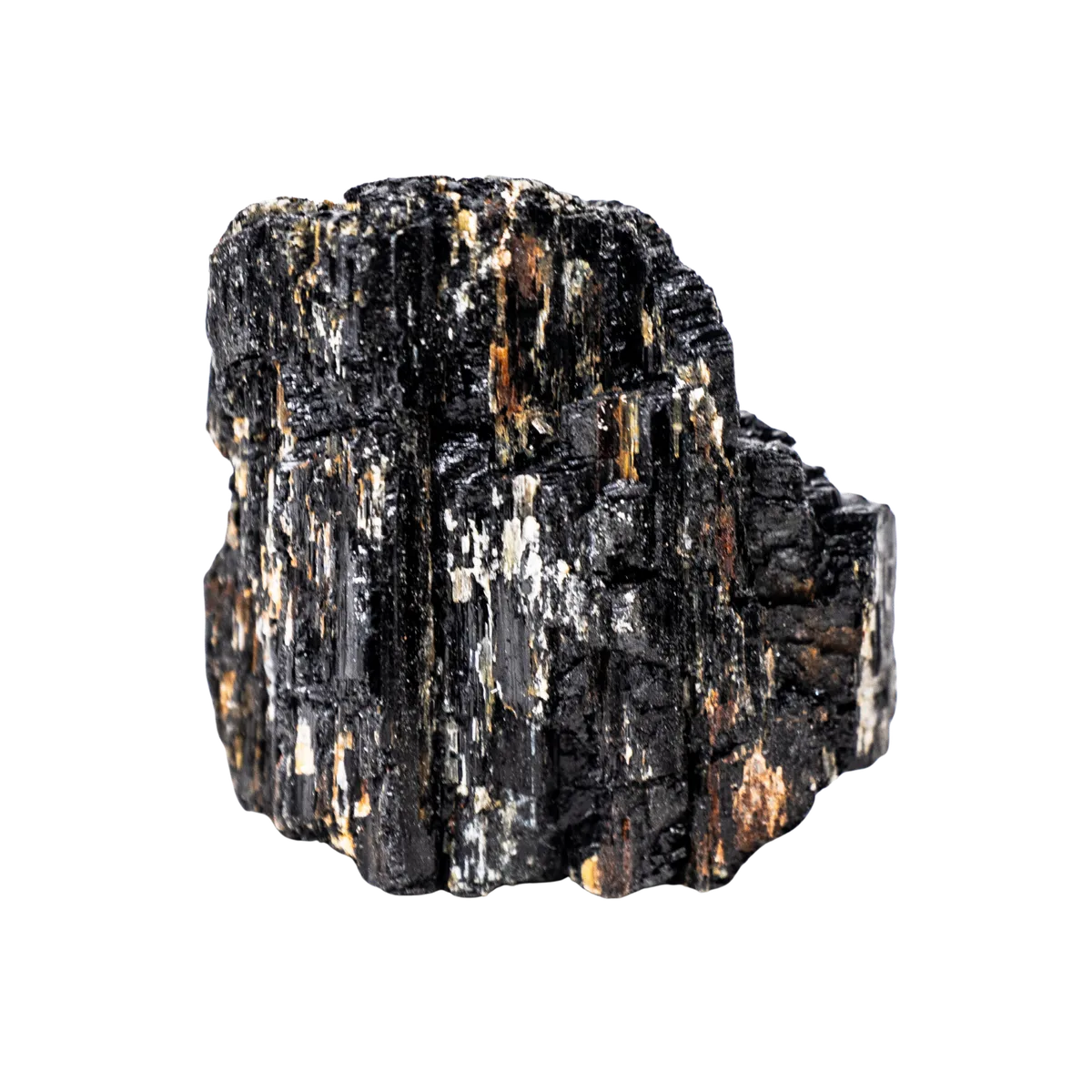
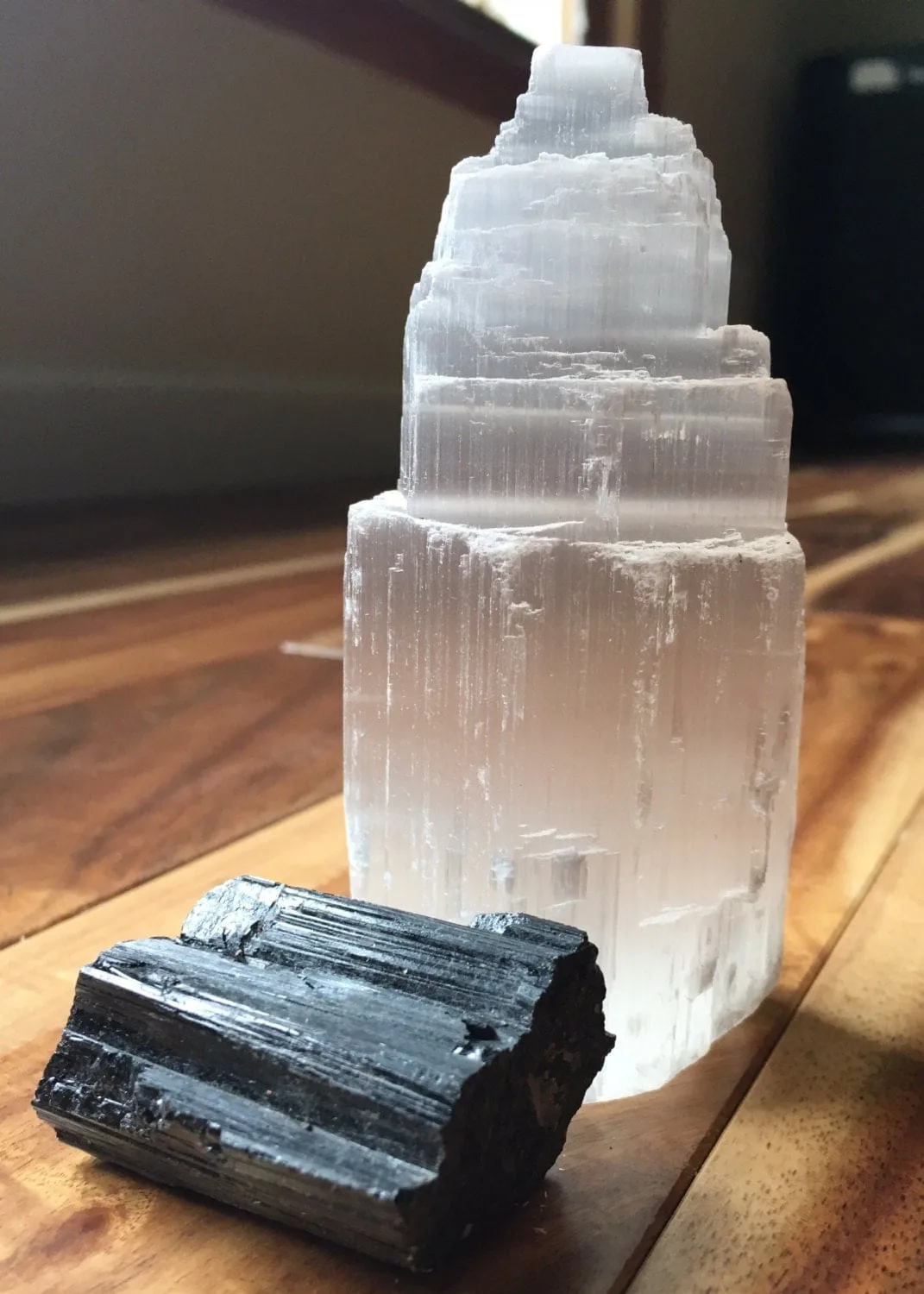
Black Tourmaline, Hematite, and Smoky Quartz are classic examples. They operate in the Root chakra. Their job is to keep you present and safe.
But if placed too close to amethyst, they act like a lid on a pot. The steam cannot escape. Your spiritual insights get trapped by excessive physical focus.
This clash feels different from overstimulation. Instead of anxiety, you’ll likely feel lethargic or blocked. Meditations become difficult because your mind refuses to lift off the ground.
You might stare at the wall, unable to visualize or connect intuitively.
Consider this scenario: You wear an amethyst pendant for clarity but carry Black Tourmaline in your pocket for protection. The tourmaline’s strong electromagnetic field interferes with the amethyst’s piezoelectric effect. Our analysis suggests that distance matters here.
Keeping them in separate pockets reduces interference. Direct skin contact between both stones maximizes the clash.
Hematite is particularly notorious for this. Its magnetic nature actively repels the subtle energy fields of lighter quartz varieties. If you need protection while working with amethyst, try Labradorite instead.
It grounds gently without crushing the spirit. Always test new pairings for short durations to gauge your personal tolerance.
Elemental Friction: Fire and Air Energies vs. Water-Based Calm
Crystal traditions often assign elemental associations to stones. Amethyst is frequently linked to Air or Ether due to its lightness and connection to thought. Fire stones, however, bring heat, passion, and aggression.
Mixing these elements creates internal temperature swings.
Carnelian, Sunstone, and Red Jasper are fiery partners. They stimulate the Sacral and Solar Plexus chakras. This boosts creativity and confidence.
But alongside amethyst, they introduce urgency where there should be peace. You may feel restless yet mentally tired. The fire burns energy that the air needs for contemplation.
Air stones like Aquamarine or Blue Lace Agate usually complement amethyst well. They share similar frequencies. But even within the Air element, intensity varies.
A powerful Storm Quartz can drown out the whisper of Amethyst. Look for harmony in hue and hardness.
Fire stones also pose a physical risk. Many contain iron oxides. If you sweat heavily during yoga, these metals can react with skin.
Amethyst is inert, but the combination complicates hygiene. We recommend separating fire-element stones from your primary meditation altar. Use them in active daytime settings only.
Reserve amethyst for evening wind-downs. This temporal separation prevents elemental bleed-through. You honor each stone’s purpose without forcing them to compete for your attention.
Side-by-Side Breakdown of Common Amethyst Pairings
To simplify decision-making, we’ve compiled a quick reference guide. This table highlights the most common clashes and synergies. Use it to audit your current crystal setups.
Remember that individual sensitivity varies widely. What bothers one person might suit another perfectly.
| Crystal Pair | Interaction Type | Likely Effect | Recommendation |
|---|---|---|---|
| Amethyst + Moldavite | High Conflict | Anxiety, Insomnia | Separate usage times |
| Amethyst + Black Tourmaline | Moderate Clash | Mental Fog, Lethargy | Increase physical distance |
| Amethyst + Citrine | Low Conflict | Mixed Focus | Monitor for restlessness |
| Amethyst + Rose Quartz | Synergy | Emotional Balance | Safe for combined wear |
| Amethyst + Selenite | Synergy | Clarity & Cleansing | Ideal for grid layouts |
| Amethyst + Hematite | High Conflict | Suppressed Intuition | Avoid direct contact |
Citrine deserves special mention. As a solar plexus stone, it brings warmth and abundance. While not as aggressive as Carnelian, it still opposes amethyst’s cool detachment.
Some healers use this tension creatively for manifestation work. But for pure relaxation, it’s risky. Start with small doses.
Place citrine three feet away from your amethyst bed rock. See if your sleep quality holds steady.
For those interested in deeper gemological context, the International Gem Society provides excellent resources on quartz family structures. Understanding the mineral composition helps explain why certain stones behave differently under pressure. Amethyst’s purple color comes from iron impurities and radiation exposure.
This unique formation influences its energetic stability compared to untreated clear quartz.
How to Test Compatibility Without Buying New Gear
You don’t need expensive tools to spot energy clashes. Start with a simple sensory check. Hold your amethyst in one hand and the suspected conflicting stone in the other.
Close your eyes for ten seconds. Notice any immediate tension, heat, or discomfort in your palms. This physical reaction is often the first sign of friction.
Next, try a short meditation session. Sit quietly with both stones on your lap. Set a timer for fifteen minutes.
If you feel restless, dizzy, or unusually emotional, separate them immediately. Aggregate user reviews suggest that negative sensations appear within five to ten minutes when pairings are incompatible. Trust this instinct over theoretical compatibility charts.
Journaling helps track subtle shifts too. Write down how you felt before, during, and after the test. Look for patterns like brain fog or irritability.
If these symptoms persist across multiple sessions, the pairing is likely problematic. You can also swap positions. Place the amethyst closer to your heart and the other stone further away.
Sometimes distance alone resolves minor conflicts without needing to discard either crystal.
Practical Rules for Safe Crystal Layering
Layering crystals requires strategic spacing. Never stack high-vibration stones directly on top of grounding minerals. Create a buffer zone using neutral elements like Clear Quartz or Selenite.
These act as energetic translators. They smooth out harsh transitions between opposing frequencies. This approach protects your aura from sudden shocks.
Follow the "three-stone rule" for complex grids. Limit your active layout to three primary stones at once. Adding more increases the risk of chaotic interference.
Choose one dominant intention stone, one supportive amplifier, and one grounding anchor. For example, use Amethyst (intention), Clear Quartz (amplifier), and Hematite (grounding). Ensure the Hematite sits physically furthest from the Amethyst.
Time separation is another effective strategy. Don’t wear clashing jewelry simultaneously. Rotate your stones throughout the day.
Use energizing fire stones in the morning. Switch to calming water or air stones like Amethyst in the evening. This respects each mineral’s natural cycle.
It prevents your nervous system from processing contradictory signals at once. Always cleanse your hands between handling different groups. Residual energy from previous stones can linger on skin.
This cross-contamination confuses new pairings. Keep your practice clean and intentional.
Frequently Asked Questions About Energy Conflicts
Can I wear Amethyst and Black Tourmaline together?
Yes, but keep them separated. Wear Amethyst on your left wrist for receiving energy. Put Black Tourmaline on your right ankle or in a pocket.
This spatial division prevents direct energetic collision. It allows protection without suppressing spiritual clarity. Monitor your mood closely during the first week.
Why does Amethyst make me feel sleepy with certain stones?
Heavy earth stones like Obsidian or Shungite can dampen Amethyst’s alertness. Their dense vibration pulls your focus downward. This creates a sedative effect.
If you need mental sharpness, remove the grounding stone. Stick to lighter companions like Celestite or Angelite instead.
Do dyed crystals clash more than natural ones?
Dyed stones often carry unstable energy signatures. The chemical treatment disrupts the mineral’s natural lattice structure. This instability amplifies clashes with pure quartz varieties like Amethyst.
Verified buyer feedback reports higher rates of headaches with synthetic treatments. Always prioritize natural, untreated specimens for sensitive pairings.
Is Citrine really bad to pair with Amethyst?
Not necessarily. Citrine adds warmth and manifestation power. Some practitioners use this contrast intentionally.
However, it can cause restlessness if you seek deep calm. Test the combination for short periods. If anxiety spikes, separate them.
Otherwise, they can work well for creative projects requiring both focus and drive.

Similar Posts


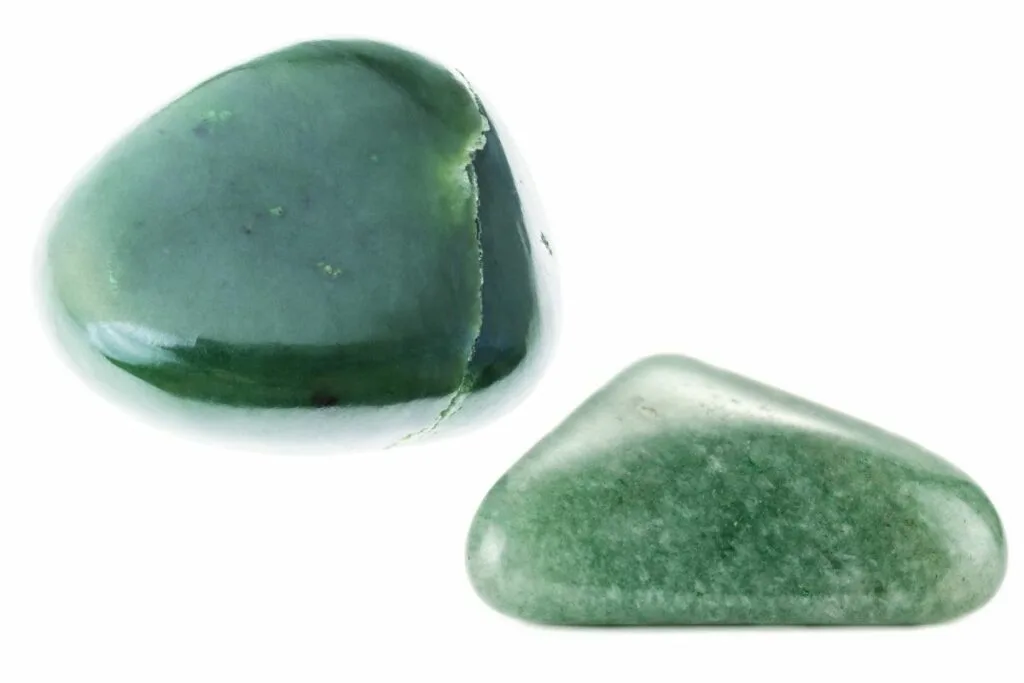




















[…] specific gemstone vibrational boundaries, explore our in-depth guide on crystals that clash with amethyst energy to prevent energetic dissonance in your sacred […]