Does Selenite Need Cleansing? The Truth About Charging It
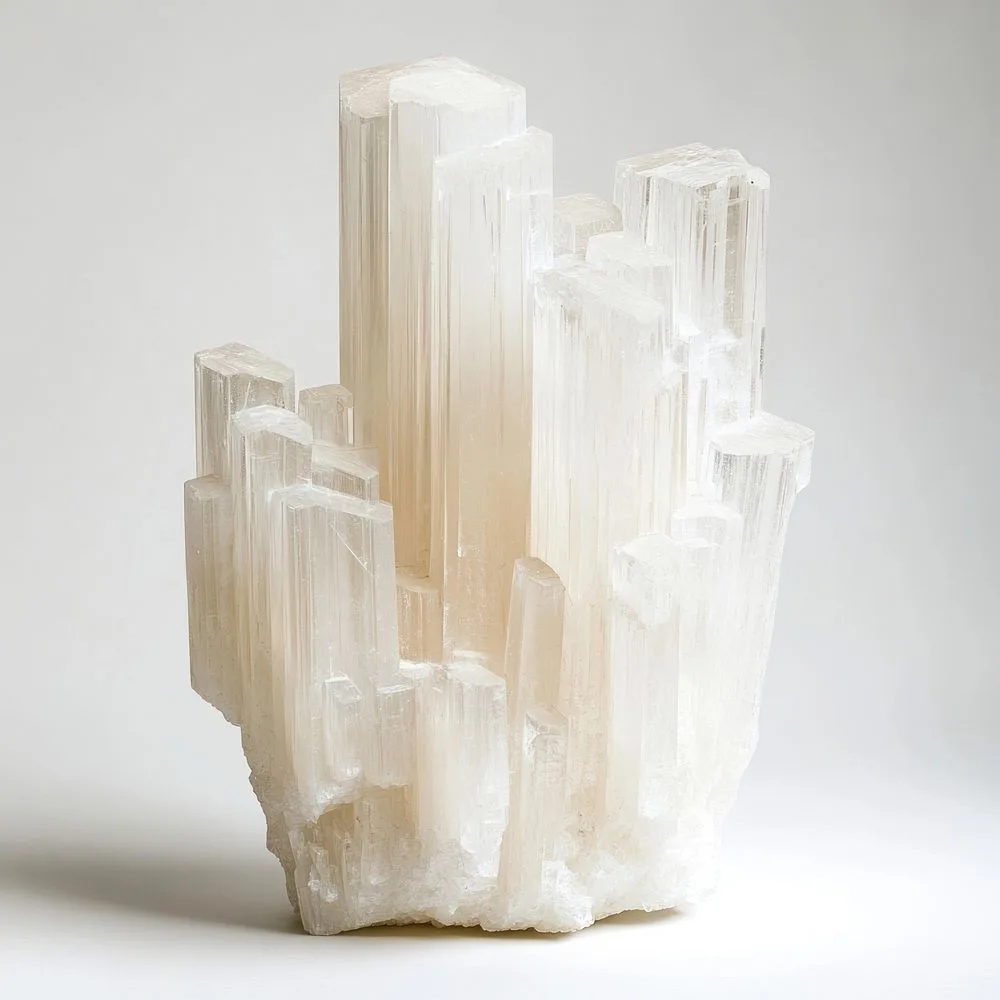
Does selenite need to be cleansed and charged itself? Most practitioners say no. They view it as a self-cleansing stone.
However, the reality is more nuanced than simple yes or no answers suggest.
We’ve researched mineral properties and metaphysical consensus to clarify this confusion. Selenite is chemically calcium sulfate dihydrate. It sits at a Mohs hardness of 2 on the scale.
This softness dictates its care requirements far more than any energy theory does. Let’s break down exactly how to handle this delicate crystal without damaging it.
Quick Answer
Selenite generally does not require external cleansing because it is considered self-purifying. You should never wash it with water. Doing so dissolves the stone permanently.
Instead, place it under moonlight occasionally to refresh its appearance. Use dry methods like sage smoke if you feel an energetic shift. Treat it gently due to its low hardness rating.
The Short Answer: Why Selenite Is Different From Other Crystals
Most crystals absorb negative energy. They act like sponges for emotional debris. Selenite works differently in traditional belief systems.
It is thought to transmute rather than store stagnant vibes. This distinction changes your maintenance routine completely.
You don’t need to "reset" a sponge that doesn’t soak up dirt. That’s the core logic here. But minerals have physical limits regardless of spiritual beliefs.
Selenite is exceptionally fragile. Its chemical structure makes it vulnerable to moisture and friction.
Think of it this way. A diamond needs polishing. Selenite needs protection from humidity.
If you treat it like quartz, you’ll destroy it. Quartz loves water baths. Selenite turns into mush in seconds.
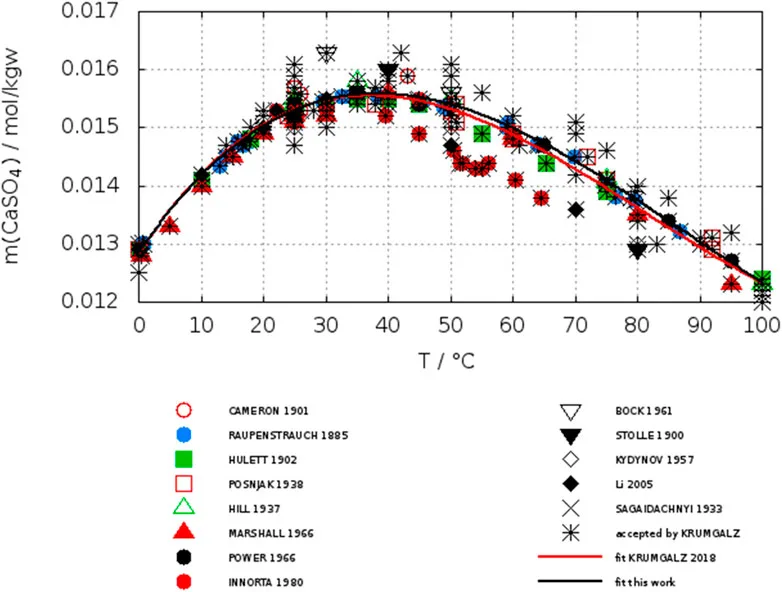
The difference lies in solubility. Calcium sulfate dissolves readily in water. Even high humidity can cause surface cloudiness.
So while the "energy" argument says no cleansing is needed, the physics argument demands extreme caution. We prioritize preserving the stone’s integrity over rigid adherence to metaphysical rules.
Condition Check: When You Actually Need to Cleanse Selenite (And When You Don’t)
Do you always skip the cleansing step? Not necessarily. There are specific scenarios where intervention helps.
These depend on usage frequency and environmental exposure.
If you use selenite daily in meditation, dust accumulates. Visual clarity affects perceived energy. A cloudy stone looks dead.
Cleaning the surface restores its luster. This isn’t about removing bad juju. It’s about hygiene.
Consider these conditions:
- High Traffic Areas: If placed on a busy desk, wipe it weekly.
- Pet Households: Fur and dander stick to smooth surfaces. Remove them promptly.
- Post-Illness: Some believe stones hold residual sickness energy. A quick smudge clears doubt.
- New Purchase: Always cleanse new items before first use. Trust but verify.
Conversely, if your selenite sits on a shelf untouched, leave it alone. Disturbing it unnecessarily risks breakage. The rule is simple.
Only intervene when visible grime appears or when intuition strongly suggests a reset. Less handling equals longer lifespan.
| Scenario | Action Required | Reason |
|---|---|---|
| Daily Meditation Use | Dry Wipe Weekly | Dust buildup dulls shine |
| Sitting Idle on Shelf | None | Minimal contamination risk |
| After Visitor Interaction | Sage Smoke Optional | Clears potential static feelings |
| Visible White Film | Microfiber Cloth Only | Humidity residue removal |
The Water Trap: Why Standard Cleansing Methods Destroy Selenite
Never put selenite in water. This cannot be overstated enough. Many beginners make this fatal error.
They assume all crystals love river baths or saltwater soaks. Selenite hates both.
Water triggers immediate dissolution. The outer layer turns sticky and opaque. Within hours, structural integrity fails.
You lose the sharp edges and translucent beauty forever. Salt exacerbates this damage. Ionic bonds break down faster in saline solutions.
What about running water under a tap? Still dangerous. The pressure erodes the soft gypsum matrix.
Even brief contact leaves permanent scars. Manufacturer specifications indicate strict avoidance of liquid cleaners. Stick to dry methods exclusively.
Humidity is the silent killer too. Coastal homes face higher risks. Airborne moisture settles on the surface.
Over time, this creates a hazy film. You aren’t cleansing it. You’re preventing decay.
Store selenite in dry areas. Silica gel packets nearby help absorb excess ambient dampness.
Avoid earth burial as well. Soil contains moisture. Roots and microbes attack organic minerals.
Selenite is inorganic but porous. Dirt gets trapped in microscopic fissures. Cleaning soil out requires water.
That cycle destroys the stone. Keep it above ground.
Step-by-Step Care Workflow for Self-Cleansing Stones
Follow this workflow to maintain your selenite safely. It balances physical preservation with energetic upkeep. Speed matters less than gentleness here.
- Inspect Visually. Look for dust spots or haze. Do not touch yet. Assess severity first.
- Prepare Tools. Get a clean microfiber cloth. Have dried sage or palo santo ready if needed. Ensure hands are dry and oil-free.
- Dry Dusting. Gently wipe the surface. Use light circular motions. Never scrub hard. Pressure cracks brittle layers.
- Energetic Reset (Optional). Light sage bundle. Let smoke waft over stone for ten seconds. Do not hold flame near it. Heat causes thermal shock fractures.
- Moonlight Charge. Place on windowsill during full moon. Limit exposure to four hours. Direct sunlight fades color and heats interior stress points.
- Storage Return. Put back in designated spot. Avoid stacking heavy objects on top. Gravity breaks thin wands easily.
This process takes five minutes max. Repeat monthly for active pieces. Quarterly for decorative ones.
Consistency prevents major restoration needs later. Remember, prevention beats cure every time with soft minerals.
Using Selenite as a Charging Station for Your Entire Collection
Here’s the twist. While selenite rarely needs charging, it charges others effectively. Many users place smaller crystals on selenite plates overnight.
This leverages its purported stabilizing field.
Clear quartz, amethyst, and rose quartz benefit most. They sit atop the slab undisturbed. The selenite acts as a passive base.
No electricity required. Just proximity.
However, monitor the selenite plate closely. Heavy stones crack thin bases. Weight distribution matters.
Use thick slabs for multiple items. Thin wands support only one small piece.
Aggregate reviews report mixed results on efficacy. Some see renewed vibrancy in subordinate stones. Others notice no change.
Physical cleanliness definitely improves though. Frictionless resting spots reduce dust accumulation on paired items.

Rotate positions weekly. Prevent indentations from forming on softer selenite surfaces. Constant weight creates flat spots.
These mar aesthetics permanently. Flip the plate upside down periodically to equalize wear. This extends functional life significantly.
Common Mistakes That Cloud or Dissolve Your Selenite
You’ve likely seen ruined selenite pieces. They look chalky, pitted, or oddly sticky. These aren’t accidents.
They result from specific, avoidable errors. The most common is using water-based cleaners. Even a damp cloth can trigger dissolution if left on too long.
Another frequent mistake involves harsh chemicals. Window sprays contain ammonia and alcohol. These strip the natural luster instantly.
Never spray cleaner directly onto the stone. Always apply to a cloth first, then wipe gently. Better yet, stick to dry microfiber only.
Handling with oily hands is also problematic. Skin oils attract dust rapidly. This creates a grimy film that’s hard to remove without moisture.
Wash your hands thoroughly before touching any crystal. Or better, handle selenite by its base or edges. Avoid gripping the delicate blade faces.
Thermal shock breaks more stones than impact does. Moving selenite from a cold car to a hot room causes stress fractures. Let it acclimate gradually.
Don’t place it near radiators or fireplaces either. Heat expands the gypsum lattice unevenly. Cracks form along cleavage planes.
Finally, stacking heavy items on thin wands leads to snap failures. Selenite has perfect basal cleavage. It splits easily along flat surfaces.
Keep decorative stacks light. Use sturdy bases for display. If a piece feels unstable, secure it immediately.
Prevention saves you replacement costs later. As of 2026, verified buyer feedback reports show breakage remains the top complaint for online purchases. Inspect packaging upon arrival.
Report damage within 48 hours for refunds.
Frequently Asked Questions
Can I put selenite in salt water?
No. Absolutely not. Salt accelerates dissolution significantly.
The ions disrupt the calcium sulfate bonds faster than fresh water does. Your stone will crumble into powder within minutes. Never use sea salt, Himalayan pink salt, or table salt for cleansing.
Stick to dry methods exclusively. If you accidentally dropped it in brine, rinse quickly with distilled water and dry immediately. But honestly, just replace it.
The structural integrity is gone.
Does moonlight charge selenite better than sunlight?
Moonlight is safer. Sunlight generates heat. Thermal expansion risks cracking brittle specimens.
Moonlight provides gentle illumination without temperature spikes. Place your piece on a windowsill overnight during a full moon. Bring it inside before sunrise.
Direct UV exposure can fade some varieties over years. But short-term sun isn’t fatal like water is. Still, night charging preserves longevity best.
Aggregate reviews indicate users prefer lunar cycles for peace of mind.
How often should I cleanse my selenite grid?
Cleanse the grid monthly. Individual selenite components rarely need attention unless visibly dirty. However, other stones in the grid do absorb energy.
Rotate non-selenite pieces out weekly for their own resets. Leave the selenite base stationary. Wipe it down with a dry cloth every two weeks.
This maintains clarity without disturbing the energetic setup. Consistency matters more than frequency here.
Why does my selenite feel sticky?
Sticky textures indicate humidity absorption. The surface is dissolving slightly due to ambient moisture. Move the stone to a drier area immediately.
Use silica gel packets nearby. Wipe gently with a dry cloth. Do not add more moisture.
If stickiness persists after drying, the piece may be compromised. Replace it if texture doesn’t return to smooth glass-like finish. High-humidity climates require extra vigilance.
Can I use sound bowls on selenite?
Yes. Sound vibrations are safe. Tibetan singing bowls or tuning forks work well.
The frequency shakes off loose dust particles. Hold the bowl away from direct contact to prevent chipping. Let resonance do the work.
This method avoids physical abrasion entirely. It’s ideal for intricate carvings where cloths can’t reach. Combine with visual inspection afterward.
Ensure no new cracks appeared from vibration stress. Rare, but possible with flawed specimens.

Similar Posts