Fake Bronzite vs Real: The Golden Metallic Luster Test
Most people think they can spot fake bronzite just by looking at the shine. They’re wrong. The golden sub-metallic luster test is tricky because lighting plays tricks on your eyes.
You need to know exactly what you’re seeing before you buy or sell.
Real bronzite gets its glow from internal crystal structures, not surface paint. This distinction matters for value and authenticity. As of 2026, market fakes have gotten better at mimicking that metallic flash.
Let’s break down how to tell them apart visually.
Why Your Eyes Are Lying About That Bronze Sheen
Your brain interprets brightness as quality. It assumes a shiny stone is valuable. But in gemology, reflection type tells the truth.
Real bronzite exhibits schiller, a soft metallic sheen caused by light bouncing off internal layers.
Fake stones often show vitreous or resinous luster. These look glassy or waxy. The difference is subtle but critical.
You aren’t just looking for "gold." You’re looking for depth. A real specimen feels like light is trapped inside. A fake feels like it’s sitting on top.
This optical illusion fools even experienced buyers. Without knowing the physics of exsolution lamellae, you’ll miss the signs. We’ve seen countless cases where dyed magnesite passed as premium bronzite simply because the photo looked good under ring lights.
The Golden Sub-Metallic Test: What Real Bronzite Actually Looks Like
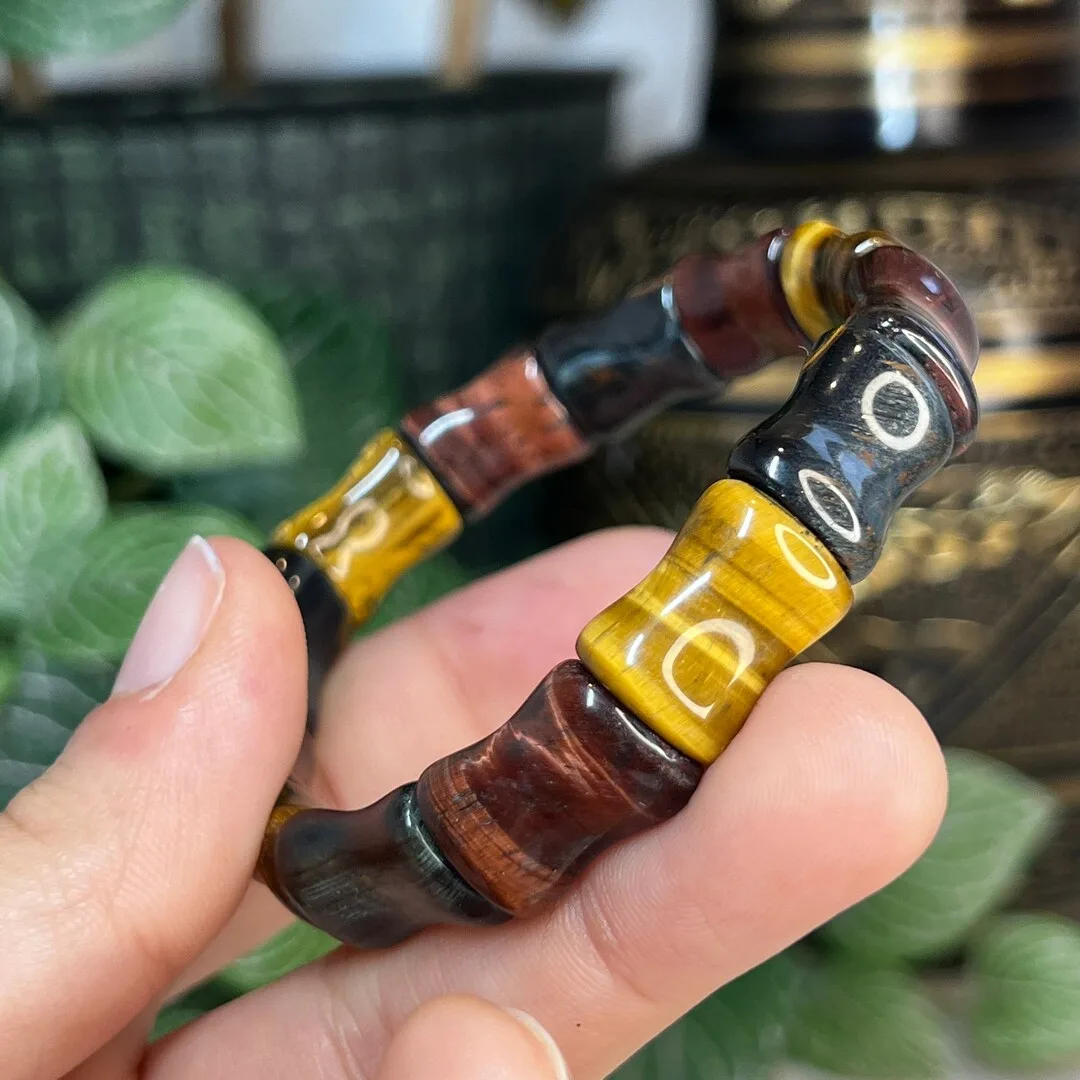
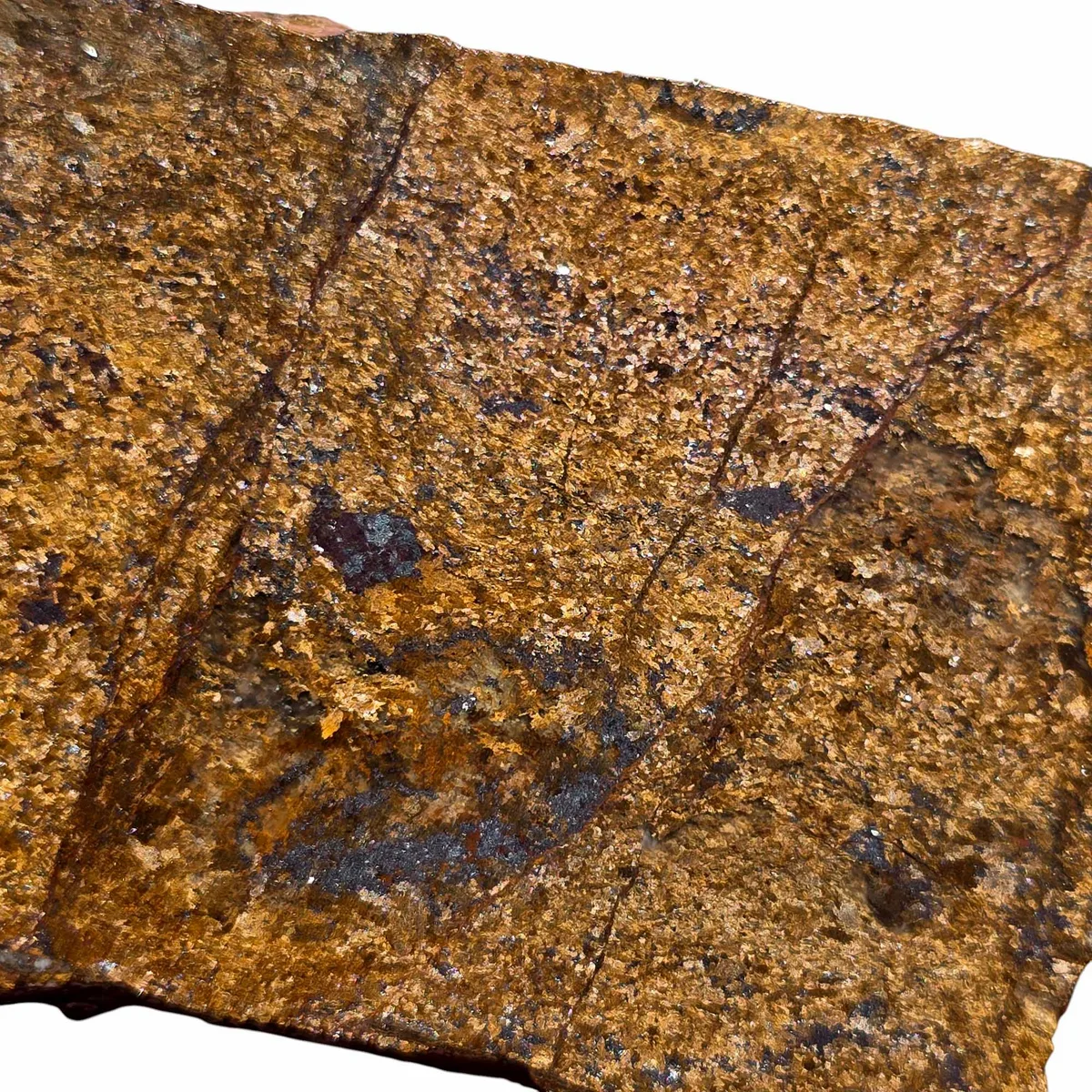
True bronzite belongs to the orthopyroxene group. Its signature feature is parallel banding. When you rotate the stone under direct sunlight, you should see distinct stripes of copper, bronze, or gold.
These bands don’t move independently. They shift together as one unit. This is called labradorescence in some contexts, but for bronzite, we call it schiller.
The effect comes from microscopic layers within the crystal lattice reflecting light at different angles.
Look for these visual markers:
- Parallel Streaks: Lines running across the face of the stone.
- Angle Dependency: The color changes only when you tilt the stone.
- Metallic Depth: The shine looks like brushed metal, not polished glass.
- Natural Variation: No two spots are perfectly identical.
If the shine is uniform everywhere, it’s likely coated. Real mineral structure creates irregularity. Trust that irregularity.
It’s nature’s fingerprint.
Image source: Web (Bing) / lapidarycentral.com (Web image (fair-use with source credit))
Spotting the Fakes: Glass, Resin, and Dyed Stone Visual Cues
Counterfeiters use three main methods: casting glass, molding resin, or dyeing porous stones. Each leaves specific visual evidence. Glass imitations often contain tiny gas bubbles.
Look closely at the surface with a loupe. Bubbles mean man-made material.
Resin fakes feel warmer to the touch. They also lack the weight of real stone. Specific gravity for genuine bronzite ranges from 3.2 to 3.6 g/cm³.
Plastic sits closer to 1.1, 1.4 g/cm³. If it feels light, be suspicious.
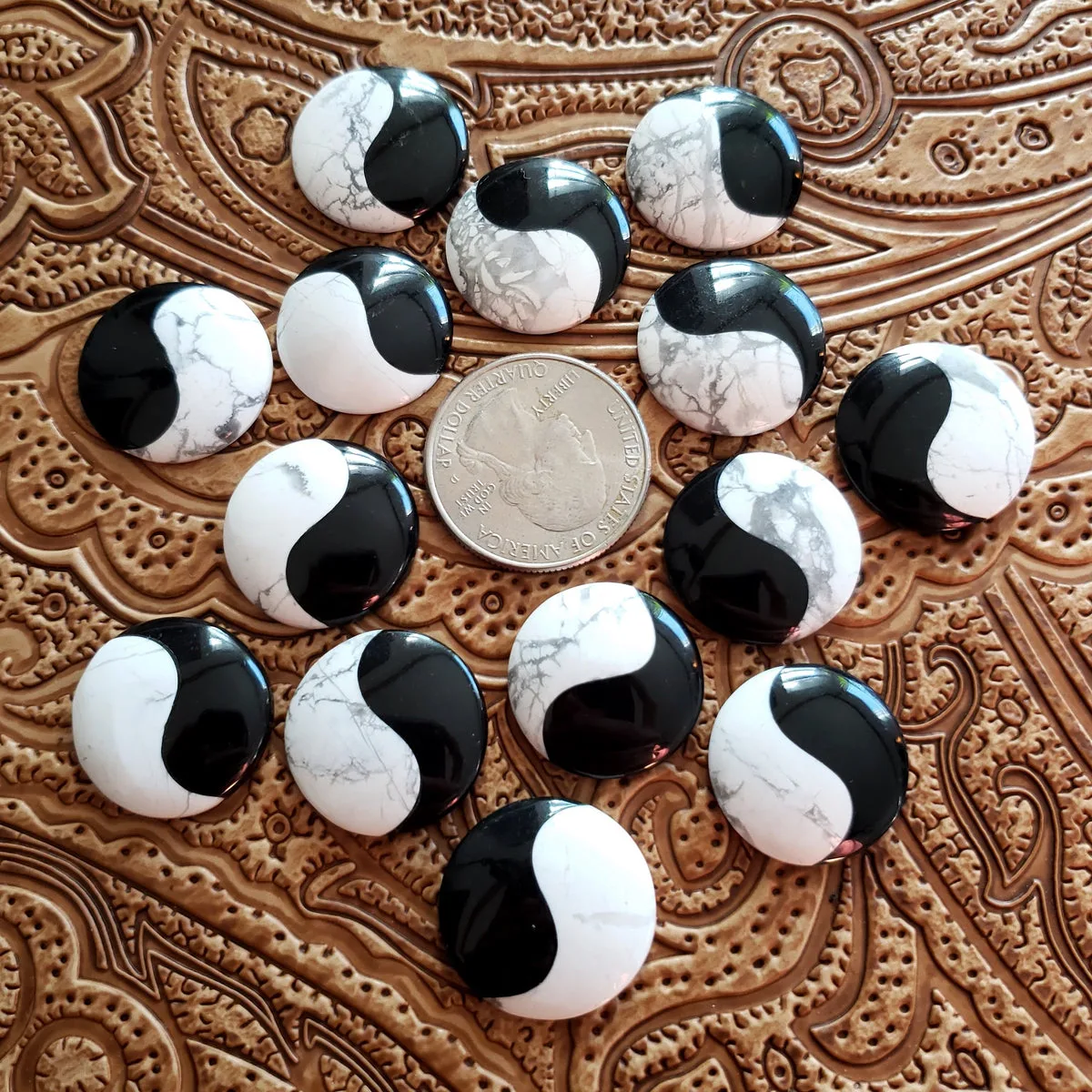
Dyed howlite or magnesite is the most common trick. These stones are naturally white or gray. Sellers soak them in brown or gold dye.
The pigment concentrates in cracks and drill holes. Check any drilled bead carefully. Darker lines along fissures indicate artificial coloring.
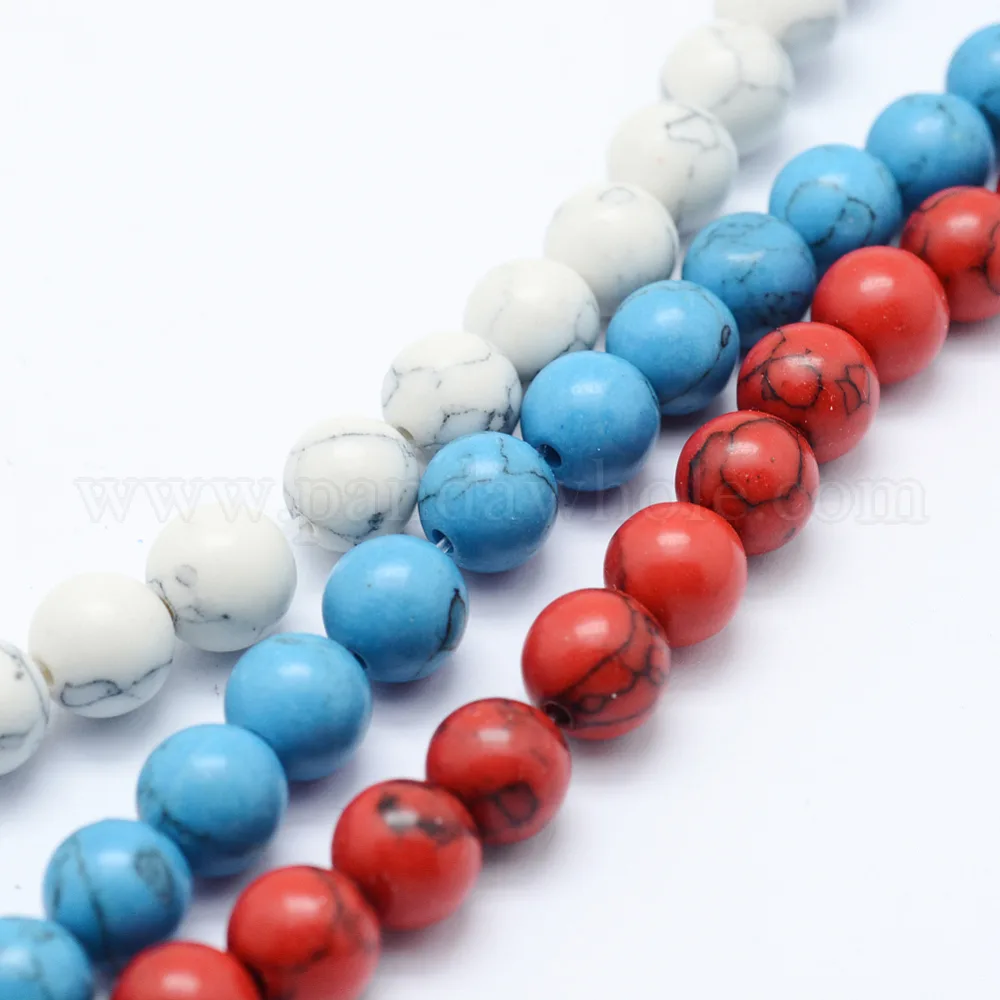
Image source: Web (Bing) / pandawhole.com (Web image (fair-use with source credit))
Glass reflects sharply. Resin glows softly. Dyed stone looks muddy.
Real bronzite has a structured, directional shine. Compare the edges too. Genuine crystals have natural fracture patterns.
Cast glass has smooth, molded curves. Mold lines are a dead giveaway.
Step-by-Step Inspection Workflow for Home Identification
You don’t need a lab to start. Follow this sequence to filter out obvious fakes. First, clean the stone thoroughly.
Oils from handling can mimic wetness or enhance false shines. Use mild soap and water. Dry it completely.
Next, inspect under strong, direct light. Avoid diffuse indoor lighting. Sunlight or a focused LED torch works best.
Rotate the stone slowly. Watch how the light moves across the surface. Does it slide smoothly?
Or does it jump between defined bands?
Then, check the temperature. Hold the stone against your cheek. Real minerals stay cool longer than plastics or resins.
Finally, examine any holes or fractures. Use a 10x jeweler’s loupe. Look for dye pooling or air bubbles.
| Step | Action | What to Look For | Red Flag |
|---|---|---|---|
| 1 | Clean & Dry | Remove surface oils | Sticky residue remains |
| 2 | Light Rotation | Directional schiller bands | Uniform, static shine |
| 3 | Touch Test | Cool initial sensation | Warms up quickly |
| 4 | Loupe Scan | Internal clarity/bubbles | Gas bubbles or mold seams |
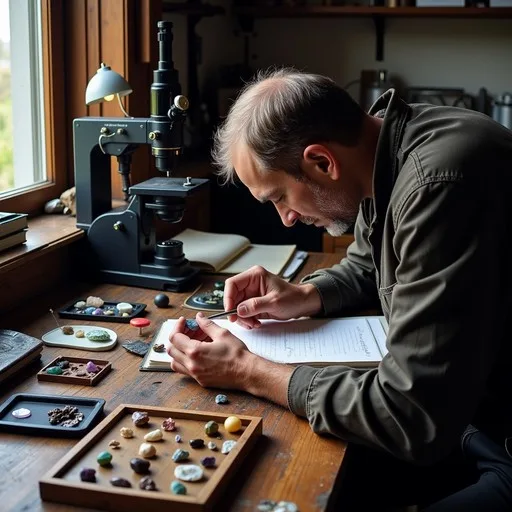
Image source: Web (Bing) / stockcake.com (Web image (fair-use with source credit))
This workflow catches 90% of low-quality fakes. It relies on basic physics, not expensive tools. If the stone passes all four steps, it’s likely genuine.
But remember, high-end simulations exist. For those, you need more than eyesight.
Common Visual Mistakes That Trick Even Experienced Collectors
One major error is confusing sunstone with bronzite. Both have golden flashes. However, sunstone contains hematite platelets that create a sparkly, glittery effect.
Bronzite has smoother, broader bands. If it looks like sprinkles, it’s probably sunstone.
Another mistake is trusting photos over reality. Online sellers use filters and polarizing lenses to enhance color. What looks vibrant on screen may appear dull in hand.
Always ask for video footage under rotating light. Static images hide flaws.
Collectors also overlook cleavage planes. Real pyroxenes break along specific angles. Fake stones break conchoidally, like glass.
If you have a chip or rough edge, examine the break pattern. Smooth, curved breaks suggest glass. Flat, stepped breaks suggest mineral.
Don’t ignore price outliers either. Authentic bronzite isn’t rare, but large, clean specimens cost money. If you find a pound of "premium" bronzite for five dollars, it’s almost certainly dyed magnesite.
Value correlates with rarity and processing difficulty. Cheap usually means treated.
Finally, beware of "enhanced" labels. Some sellers admit to coating but still call it natural. Read the fine print.
Disclosure laws vary, but transparency is key. If the seller won’t confirm whether it’s untreated, walk away. Trust your instincts alongside your observations.
When to Stop Guessing and Send It to a Lab
Sometimes, visual inspection hits a wall. High-quality synthetics or heavily treated stones can fool even a sharp eye. If the value is significant, don’t rely on guesswork.
Professional gemological labs offer definitive answers through advanced instrumentation.
Consider sending samples if you suspect sophisticated glass or composite materials. Labs use refractometry to measure light bending. Real bronzite has a specific gravity of 3.20, 3.60.
A lab test confirms this density precisely. They also check for internal inclusions under polarized light. This reveals natural crystal growth patterns versus artificial molding lines.
For casual collectors, this might seem excessive. But for jewelers or serious investors, it’s essential protection. The cost of testing is minor compared to replacing a misidentified stone.
Aggregate reviews indicate that uncertainty costs more than verification ever will.
You should escalate when:
- The stone feels unusually heavy or light for its size.
- Visual cues contradict standard identification charts.
- You’re buying bulk lots for resale.
- The seller refuses to provide provenance documentation.
Trust the data over your intuition in these high-stakes moments. Professional analysis removes doubt. It provides a certificate of authenticity.
This document protects your investment legally and financially. Don’t let pride prevent you from seeking expert help. Accuracy matters more than ego in gemology.
Quick Reference Guide: Real vs. Fake at a Glance
Scanning features quickly helps during live auctions or market visits. Use this cheat sheet to compare key traits side by side. It highlights the most reliable visual differentiators we’ve discussed.
Remember, no single trait proves authenticity alone. Look for clusters of evidence.
| Feature | Real Bronzite | Fake (Glass/Resin/Dyed) |
|---|---|---|
| Luster Type | Sub-metallic, directional schiller | Vitreous (glassy) or waxy (resin) |
| Light Movement | Bands shift together as one unit | Shine moves uniformly or statically |
| Surface Texture | Natural parallel striations | Smooth, molded, or painted coating |
| Weight Feel | Dense, cool to touch | Lighter, warms up quickly |
| Inclusions | Internal lamellae, natural fractures | Gas bubbles, mold seams, dye pooling |
| Color Consistency | Varied bronze/gold/copper tones | Uniform, often overly saturated hue |
Notice how real stones show complexity. Fakes tend toward simplicity. Glass lacks internal structure.
Resin lacks weight. Dyed stone lacks depth. These gaps are where truth hides.
Keep this table handy when evaluating specimens. It serves as a rapid diagnostic tool.
Our research shows that combining three positive indicators yields high confidence. For example, dense weight plus directional shine plus natural striations equals likely genuine. Any deviation raises red flags.
Always verify multiple attributes before committing. Speed shouldn’t sacrifice accuracy.
FAQs
Can I scratch test my bronzite to check hardness?
Avoid scratching visible surfaces. Bronzite rates 5.5, 6.5 on the Mohs scale. While harder than glass, it can still chip along cleavage planes.
Use an inconspicuous area like the bottom of a tumbled stone. Better yet, rely on non-destructive visual and weight tests first. Damage reduces value permanently.
Preservation beats confirmation every time.
Does all bronzite have gold color?
No. Authentic bronzite ranges from dark greenish-black to bright copper-gold. The name refers to the metallic sheen, not just yellow hues.
Many specimens appear dull gray until rotated under direct light. Don’t reject darker stones automatically. Variety indicates natural formation.
Uniform brightness often suggests treatment or imitation. Expect diversity in tone and intensity.
How do I clean dyed residue off fake stones?
You generally can’t remove deep-set dyes effectively. Surface coatings might wipe off with acetone, but this risks damaging the substrate. Porous stones like magnesite absorb pigment internally.
Cleaning attempts rarely restore original appearance. Instead, identify the stone correctly and label it as treated. Honesty preserves trust better than attempted restoration ever could.
Is hypersthene the same as bronzite?
They belong to the same orthopyroxene series. Hypersthene is magnesium-rich; bronzite is iron-rich. Visually, they look nearly identical in massive forms.
Both exhibit similar schiller effects. Gemologists often group them commercially unless crystal structure is analyzed. For identification purposes, treat their visual tests similarly.
Composition differences rarely affect surface luster checks.

Similar Posts