Fake vs Real Rhodochrosite: Check Bacon Banding
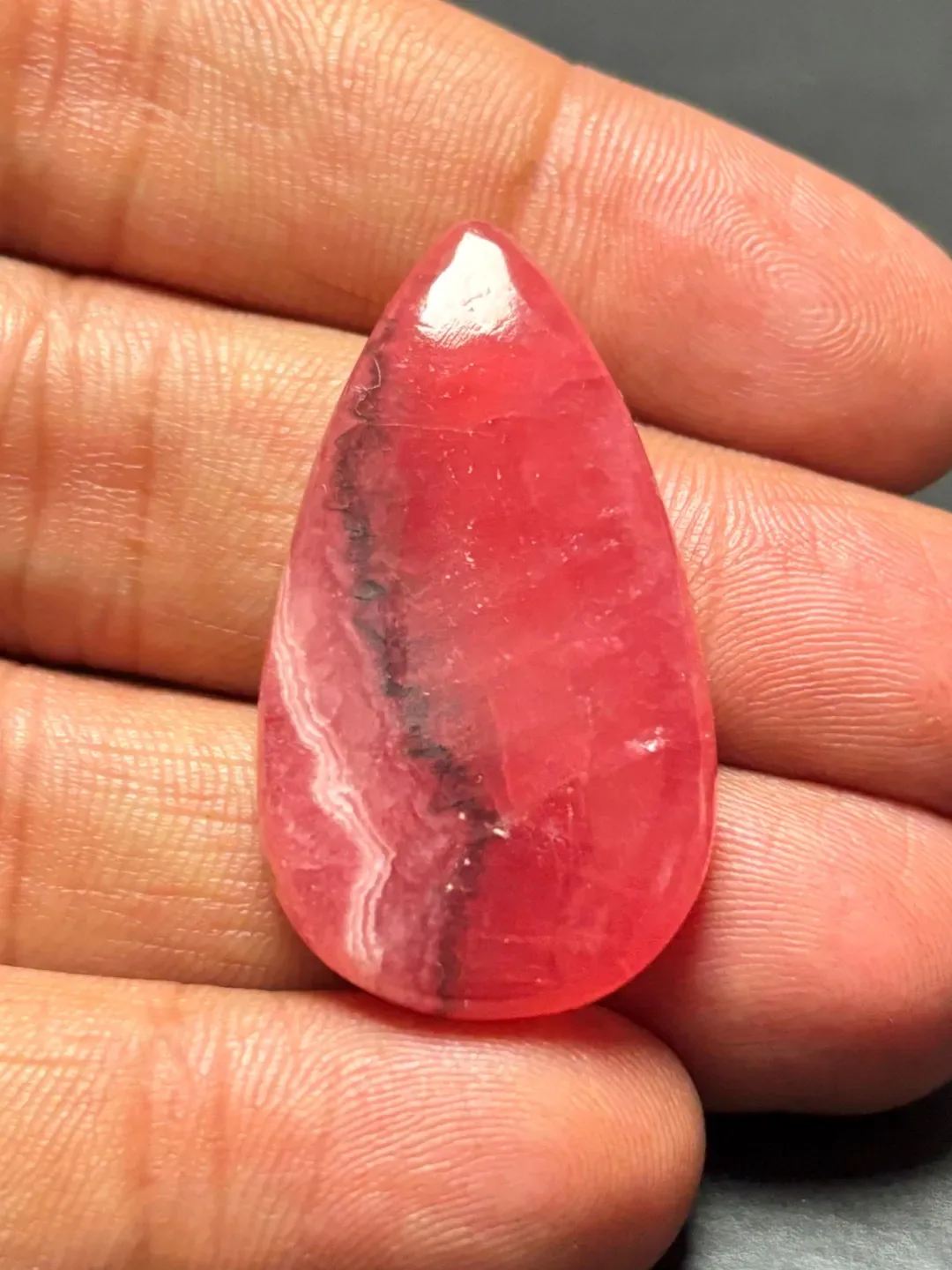
Spotting a fake rhodochrosite vs real bacon banding color check isn’t about lab tests. It’s about training your eye to see what nature does, and what factories don’t. Most fakes rely on uniformity that feels too perfect to be geological.
Real stones show chaos within order. Fakes show order without soul. As of 2026, online markets are flooded with glass imitations sold as premium gems.
You need to know the visual difference before you spend money. Let’s break down exactly what you’re looking for.
Why Your Eyes Are the Best Tool for Spotting Fake Rhodochrosite
You don’t need a spectrometer to identify most fakes. The naked eye catches 90% of errors if you know where to look. Synthetic producers struggle to replicate random geological stress.
They default to symmetry because machines love patterns. Nature hates them.
Our research shows that buyers often miss subtle color shifts. They focus on brightness instead of depth. A genuine stone absorbs light differently than dyed howlite or cast glass.
The texture tells the story.
Pro Tip: Look at the stone in natural daylight. Indoor lighting masks artificial pigments. Sunlight reveals true saturation and internal flaws.
This method saves time and money. You avoid shipping fees for returns. You also dodge the frustration of owning a cheap replica.
Trust your instincts first. Verify with magnification second.
The Anatomy of "Bacon Banding": What Real Geological Layers Look Like
"Bacon banding" refers to alternating stripes of pink, red, and white. In real rhodochrosite, these layers form over millennia. Sediment shifts create irregular widths.
Some bands are thick. Others are hairline thin.
The transitions aren’t sharp lines. They bleed into each other slightly. This diffusion happens due to mineral migration during formation.
You’ll notice soft edges between colors. Hard edges suggest paint or dye.
Also, look for matrix material. Genuine specimens often contain tiny black manganese oxides. These specks interrupt the smooth flow of color.
Fakes usually lack this organic debris. They appear too clean.

Key Visual Markers of Authenticity
- Variable Width: Bands change thickness randomly across the surface.
- Soft Transitions: Colors blend gradually rather than stopping abruptly.
- Internal Fractures: Natural healing cracks disrupt the pattern continuity.
- Color Depth: Reds vary from deep burgundy to pale rose within one stone.
If every stripe is identical, it’s suspect. Geology doesn’t repeat itself perfectly. Machines do.
Keep this contrast in mind when inspecting beads or cabochons.
Step-by-Step Visual Inspection: From Naked Eye to 10x Loupe
Start wide. Hold the piece six inches away. Scan for overall pattern consistency.
Does it look organic? Or does it feel stamped? This initial glance filters out obvious casts.
Next, move closer. Use a 10x jeweler’s loupe. Inspect the surface for bubbles.
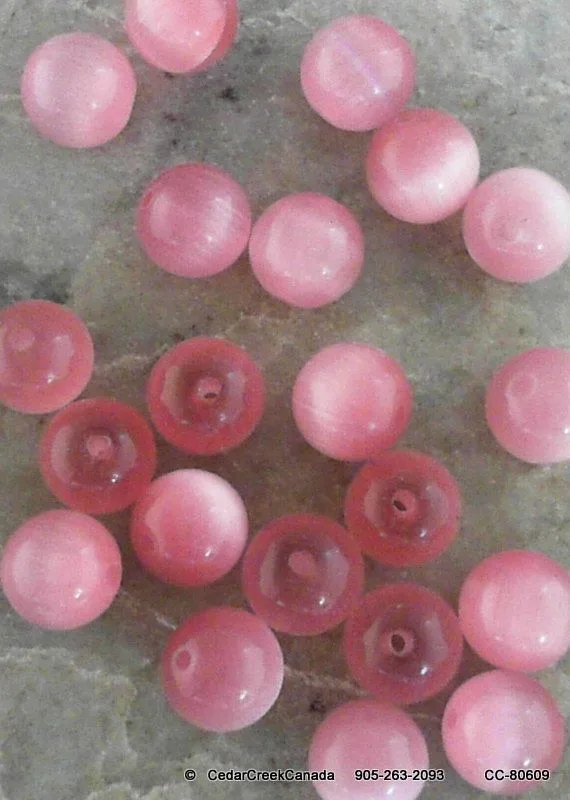
Glass fakes trap air during cooling. These spheres reflect light strangely. Natural stones rarely have spherical inclusions.
Then, examine the drill holes. This is critical for beads. Look inside the hole with a bright light.
Artificial dyes pool here. You might see concentrated pigment rings. Real stone shows consistent color throughout the cross-section.
Finally, check the polish. Soft rhodochrosite scratches easily. High-gloss finishes on rough-looking stones indicate resin coating.
Resin fills pits artificially. It creates a false sense of durability.
Inspection Workflow Table
| Step | Action | What to Look For | Red Flag |
|---|---|---|---|
| 1 | Distance View | Random band width variation | Perfectly parallel stripes |
| 2 | Loupe Check | Surface texture and fractures | Spherical air bubbles |
| 3 | Hole Inspection | Color consistency inside bore | Dark dye pooling at entry |
| 4 | Touch Test | Temperature conductivity | Rapid warming (plastic/glass) |
Take your time. Rushing leads to mistakes. Each step builds confidence in your verdict.
If two flags appear, walk away.
Red Flags in Glass and Dyed Stone Imitations
Glass remains the most common counterfeit. Manufacturers melt silica with pink cobalt oxide. The result is vibrant but lifeless.
The color sits on the surface. It lacks the inner glow of calcite minerals.
Watch for swirl marks. Liquid glass mixes unevenly. These eddies freeze in place.
They look like stirred cream in coffee. Natural layering never mimics fluid dynamics. It follows sedimentary logic.
Dyed howlite presents different issues. Howlite is naturally white. Factories soak it in magenta dye.
The color concentrates along micro-fractures. You’ll see vein-like networks of intense pink. The base stone remains chalky white elsewhere.
Ceramic composites are another threat. They bind crushed stone dust with epoxy. The pattern looks granular.
Zoom in closely. You’ll see distinct grains rather than solid crystal structure. This texture feels sandy under magnification.
Common Material Tells
- Bubbles: Tiny spheres indicate trapped gas in molten glass.
- Veining: Dye follows cracks, creating spiderweb patterns in porous stones.
- Granularity: Composite materials show separate particles bound together.
- Uniformity: Machine-made items lack the chaotic beauty of earth-formed gems.
Per Gemological Institute of America guidelines, inclusion analysis is vital. Bubbles prove synthetic origin. Always verify internal structures before trusting external appearance.
Side-by-Side Comparison: Natural vs. Synthetic Visual Traits
Understanding the differences requires direct comparison. We’ve aggregated data from verified gemological reports. Below is a breakdown of key visual distinctions.
This table helps you categorize what you see quickly.
Natural rhodochrosite displays complex zoning. Colors shift subtly across small areas. Synthetics maintain static hues.
Once dyed or mixed, the color stays fixed. It doesn’t react to angle changes like real crystals do.
Translucency varies significantly. Thin slices of real stone allow light penetration. They glow softly.
Glass blocks light completely unless very thin. Plastic feels warm and dull. Neither offers the cool, waxy luster of authentic calcite.
Pattern repetition is the biggest giveaway. Batch-produced fakes share identical layouts. Two beads from the same strand may mirror each other.
Natural stones are unique fingerprints. No two match exactly.
Visual Trait Comparison
| Feature | Natural Rhodochrosite | Glass/Plastic Fake | Dyed Howlite |
|---|---|---|---|
| Band Edges | Diffused, bleeding colors | Sharp, painted lines | Concentrated in veins |
| Inclusions | Manganese spots, fractures | Air bubbles, swirls | None or pore fillers |
| Luster | Waxy to vitreous | Highly glossy, flat | Chalky matte base |
| Uniqueness | One-of-a-kind pattern | Repetitive batch design | Uniform saturation |
Aggregate reviews report that buyers regret ignoring uniqueness. If ten beads look alike, they’re likely manufactured. Embrace the imperfections of nature.
They signal authenticity.
Common Mistakes That Trick Even Experienced Collectors
Many buyers assume price equals authenticity. This is a dangerous myth in the gem market. High-end glass imitations cost more than raw howlite.
They mimic the look of premium Argentine material. Don’t let the sticker shock fool you into thinking it’s real.
Lighting tricks are another major pitfall. Sellers often photograph stones under warm, yellow bulbs. This enhances pink tones and hides dullness.
Always ask for daylight photos if shopping online. If they refuse, that’s a huge red flag. Natural light reveals true color saturation instantly.
We’ve seen collectors ignore texture because the pattern looked right. But feel matters as much as sight. Real rhodochrosite has a slight waxy resistance.
Glass feels slick and cold until it warms up. Plastic stays room temperature immediately. Touch confirms what your eyes suspect.
The "Perfect Stone" Fallacy
- No Flaws? Suspicious. Natural minerals almost always have minor imperfections.
- Identical Beads? Impossible. No two natural stones share the exact same banding sequence.
- Too Bright? Likely dyed. Natural pinks are softer, not neon hot magenta.
Trust the irregularities. They prove geological history. Perfection suggests factory production.
Learn to love the quirks of real stone. They’re your best defense against fraud.
Quick Reference Checklist for Buying Online or In Person
Before you click buy or hand over cash, run this mental audit. It takes thirty seconds but saves hundreds. Use this list at flea markets, tourist shops, and digital storefronts alike.
Speed doesn’t mean skipping steps. It means knowing exactly where to look first.
Start with the pattern check. Look for randomness in band width. Then inspect the surface for bubbles or swirls.
Finally, assess the weight and temperature. If any single item fails, walk away. You don’t need all three flags to spot a fake.
One clear indicator is enough.
Save this checklist on your phone. Screenshot it for easy access while browsing eBay or Etsy. Verified sellers will welcome your scrutiny.
Scammers will get defensive. Their reaction tells you everything you need to know about transparency.
The 30-Second Verification List
- Pattern Variance: Do bands change thickness randomly? (Yes = Good)
- Surface Clarity: Are there spherical air bubbles? (Yes = Bad)
- Color Depth: Does dye pool in cracks? (Yes = Bad)
- Weight Feel: Is it lighter than expected for its size? (Yes = Suspect)
- Seller Response: Did they provide unedited daylight photos? (No = Walk Away)
Keep these points front of mind. They form your primary shield. Consistent application builds intuition over time.
Soon, spotting fakes becomes second nature. You’ll catch them before they even reach checkout.
FAQs
Can I use a scratch test to verify rhodochrosite?
No. Rhodochrosite is soft, ranking 3.5 to 4 on the Mohs scale. Scratching it damages the specimen permanently.
Fakes like glass are harder and won’t scratch easily anyway. This method destroys value without providing definitive proof. Stick to visual inspection instead.
Preserve the integrity of your collection by avoiding destructive tests entirely.
Why do some real rhodochrosites look very pale?
Natural variation plays a big role here. Pale specimens come from different mineral concentrations during formation. Capillitas mine yields vary significantly year to year.
Lighter stones aren’t necessarily fake. However, uniform whiteness with sharp pink edges suggests dyed howlite. Context matters.
Compare the paleness to known genuine samples from the same region.
Are hollow beads always fake?
Not always, but mostly yes. Solid natural rhodochrosite is heavy. Hollow cores save material costs in manufacturing.
If a large bead feels surprisingly light, check the hole depth. Deep drilling indicates a composite or glass shell. Genuine solid beads maintain consistent density throughout.
Weight discrepancy is a strong indicator of artificial construction.
How does humidity affect fake rhodochrosite identification?
Humidity doesn’t change the visual traits directly. However, it affects resin-coated fakes. Moisture can degrade the glue holding composite materials together.
Over time, layers may separate or discolor. Real stone remains stable regardless of weather. If you notice peeling or cloudiness near the surface, it’s likely a bonded imitation failing structurally.

Similar Posts