How Did Manifest Destiny Affect America: Unveiling Its Impact
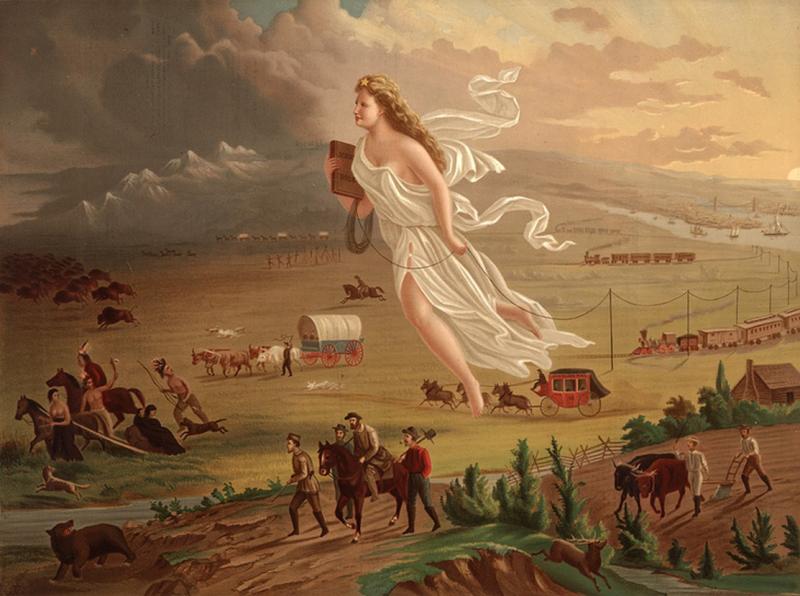
Have you ever wondered how a simple idea can change a whole country? Manifest Destiny was more than just a phrase—it shaped America in ways you might not expect.
It pushed the nation to grow bigger, brought new opportunities, but also sparked conflicts and challenges. If you want to understand how this powerful belief affected your country’s history and still influences life today, keep reading. This story will reveal the surprising impact Manifest Destiny had on America—and on you.

Credit: www.albert.io
Roots Of Manifest Destiny
Manifest Destiny shaped America’s growth in the 19th century. Its roots lie deep in the nation’s history and beliefs. Understanding these origins helps explain why Americans pushed westward. The idea combined dreams, politics, and a sense of mission. These elements fueled expansion and changed the country’s future.
Origins And Ideals
Manifest Destiny began with a belief in progress and destiny. Many Americans thought the country had a special role. They believed the nation should spread across the continent. This idea rested on values like freedom and democracy. People saw expansion as a way to spread these ideals.
The concept also linked to economic hopes. Settlers wanted new land for farming and business. They imagined a brighter future in the West. This hope made the idea popular among many citizens.
Political Climate In The 19th Century
Politics played a big role in Manifest Destiny’s rise. Leaders and parties debated the nation’s direction. The country was young and still shaping its identity. Expansion became a key political goal for many.
At the time, the U.S. faced challenges like slavery and state balance. Adding new lands raised questions about these issues. Politicians used Manifest Destiny to gain support. It united some groups while dividing others.
Overall, Manifest Destiny was both a political tool and a national vision. It reflected the hopes and conflicts of the era.
Territorial Expansion
Territorial expansion was a key part of Manifest Destiny, shaping America’s growth and identity. It was about more than just land—it was about opportunity, power, and a vision for the future. This drive to stretch the nation’s borders westward changed the map and the lives of many along the way.
Acquisition Of New Lands
The United States gained huge new territories through purchases, treaties, and sometimes conflict. The Louisiana Purchase doubled the size of the country, opening vast lands for settlement and farming.
Later, the annexation of Texas and the Oregon Territory expanded the nation further. The Mexican-American War ended with the Treaty of Guadalupe Hidalgo, adding California and much of the Southwest. These acquisitions provided land for millions seeking a fresh start and new opportunities.
Have you ever thought about how these land gains might have influenced your own family’s history or where you live today?
Impact On Native American Territories
Expansion often came at a heavy cost for Native American communities. As settlers pushed west, many tribes were forced off their ancestral lands through treaties that were unfair or simply ignored.
This led to loss of traditional lifestyles and forced relocations, such as the Trail of Tears. The changes disrupted native cultures and economies, and the effects are still felt today.
What would you do if your home was taken away in the name of progress? Thinking about this helps understand the deep conflicts behind Manifest Destiny’s promise.
Economic Consequences
Manifest Destiny reshaped America’s economy in many ways. The drive to expand westward opened vast lands for farming and business. This growth brought new opportunities but also challenges. The country saw rapid change in its agriculture and industries. Infrastructure, especially railroads, played a big role in connecting distant regions. These economic shifts helped build the foundation of the modern United States.
Growth Of Agriculture And Industry
New land allowed farmers to grow more crops. Wheat, corn, and cotton became major products. Small farms turned into large plantations in some areas. Industry also expanded, especially in mining and manufacturing. Factories grew near resources like coal and iron. This growth created jobs and boosted trade. Agriculture and industry together fueled economic progress across the nation.
Role Of Railroads And Infrastructure
Railroads linked the East with the West. They made travel and shipping faster and cheaper. Towns and cities grew along railroad lines. Roads, canals, and bridges improved transportation too. This infrastructure helped businesses move goods to markets. It encouraged more settlement and investment. Railroads became the backbone of the country’s economy during this era.
Social And Cultural Effects
The social and cultural effects of Manifest Destiny reshaped the very fabric of American life. As people moved westward, they carried their traditions, beliefs, and hopes with them, transforming communities and identities. This movement influenced how Americans saw themselves and their place in the world.
Migration And Settlement Patterns
Manifest Destiny sparked a massive wave of migration. Families, adventurers, and entrepreneurs packed up and headed west in search of new opportunities. This shift created diverse settlements, from bustling towns to isolated farms.
Settlers adapted to unfamiliar environments, often clashing with Native American tribes and other groups. You might wonder how these migrations changed the daily lives of those involved. For many, the journey was both hopeful and harsh, demanding resilience and flexibility.
The arrival of new settlers also led to the establishment of schools, churches, and local governments, shaping the social structures of emerging communities. This patchwork of cultures and practices set the stage for a uniquely American mix of traditions.
Changes In American Identity
The idea of Manifest Destiny fueled a sense of national purpose and destiny. Many Americans began to see their country as a special place destined to spread its values across the continent. This belief affected attitudes toward expansion, governance, and cultural superiority.
As you reflect on your own identity, consider how historical events shape collective self-understanding. During this period, Americans grappled with questions about freedom, democracy, and the treatment of others, especially indigenous peoples and immigrants.
These debates influenced art, literature, and political discourse, embedding expansionist ideals into the national consciousness. The legacy of Manifest Destiny remains visible in how Americans view opportunity, progress, and their role on the global stage.
Political Repercussions
The political repercussions of Manifest Destiny reshaped the United States in profound ways. As the nation expanded westward, new territories sparked fierce political debates and altered the balance of power. These changes forced Americans to confront difficult questions about their values, governance, and international relations.
Debates Over Slavery
Every new territory added to the U.S. raised the critical question: Would it allow slavery? This issue divided politicians and citizens alike, intensifying sectional tensions between the North and South.
Congress faced heated debates over whether to admit new states as free or slave-holding. The Missouri Compromise and the Compromise of 1850 were temporary solutions but failed to settle the conflict.
Have you ever thought about how your region’s stance on slavery shaped your ancestors’ political views? These debates weren’t just about land—they were about the future of American freedom and equality.
Influence On U.s. Foreign Policy
Manifest Destiny also changed how the U.S. interacted with other countries. The acquisition of territories like Texas, California, and Oregon involved conflicts and negotiations with Mexico and Britain.
This expansionist mindset pushed the U.S. to assert itself on the global stage. It led to the Mexican-American War and the signing of the Treaty of Guadalupe Hidalgo, which dramatically increased U.S. land.
Consider how this aggressive expansion shaped America’s approach to diplomacy and power. Would the U.S. have become a world power without Manifest Destiny driving its foreign policy ambitions?
Conflicts And Controversies
The idea of Manifest Destiny stirred strong emotions and sparked many conflicts in America’s history. It wasn’t just about expanding land—it meant facing tough battles and moral questions. These conflicts shaped the nation in ways that still affect us today.
Mexican-american War
The Mexican-American War was a direct result of Manifest Destiny’s push westward. The U.S. wanted to claim lands that were part of Mexico, leading to a violent clash. This war ended with the Treaty of Guadalupe Hidalgo, which gave America a huge chunk of territory but left many questions about justice and fairness.
Have you ever thought about how war changes a country’s identity? The war added new states but also created deep divisions about slavery and power. It forced Americans to confront what kind of nation they wanted to become.
Displacement Of Indigenous Peoples
As settlers moved west, Indigenous peoples faced forced removal from their ancestral lands. This displacement caused loss of culture, homes, and lives. Policies like the Indian Removal Act made this suffering legal and widespread.
Think about the long-term effects of losing a homeland. Many Native American communities still struggle with the consequences today. Understanding this part of history helps you see the full impact of Manifest Destiny beyond just maps and borders.
Legacy Of Manifest Destiny
The legacy of Manifest Destiny shaped America in many lasting ways. It changed the country’s size, culture, and politics. The idea pushed the nation westward, sparking growth and conflict. Its effects still influence the United States today.
Long-term National Impact
Manifest Destiny expanded America’s borders across the continent. It added vast lands through wars and treaties. This growth created new states and opportunities for settlers.
The expansion also increased tensions over slavery. It set the stage for the Civil War by dividing the nation. Economic growth followed as new resources and markets opened.
Infrastructure like railroads grew rapidly. These connected distant regions and boosted trade. The country became more united, yet faced new challenges.
Reflection In Modern America
Today’s America still reflects Manifest Destiny’s influence. The idea of progress and growth remains strong. The diverse population partly results from westward migration.
Many cities and towns started during this period. Cultural blending happened between Native Americans, settlers, and immigrants. The legacy includes both opportunity and conflict.
Environmental changes also trace back to this era. Land use and resource extraction shaped the landscape. Understanding this history helps explain current social and political issues.
Credit: pastorbhart.medium.com

Credit: www.youtube.com
Frequently Asked Questions
What Was The Main Goal Of Manifest Destiny?
Manifest Destiny aimed to expand the U. S. territory across North America. It promoted westward migration and settlement. This belief shaped America’s growth in the 19th century.
How Did Manifest Destiny Impact Native Americans?
Manifest Destiny led to Native American displacement and loss of land. Many tribes faced forced relocation and conflicts. Their cultures and populations were significantly affected.
Did Manifest Destiny Influence U.s. Politics?
Yes, it intensified debates over slavery and territorial control. New states raised questions about free or slave status. This contributed to tensions leading to the Civil War.
What Economic Changes Resulted From Manifest Destiny?
Expansion opened new lands for farming, mining, and trade. It boosted the U. S. economy and infrastructure development. Railroads and markets grew rapidly during this period.
Conclusion
Manifest Destiny shaped America’s growth and its borders. It pushed people west and changed the land. Native communities faced great challenges during this time. New states formed, and the economy grew fast. Yet, it also brought conflicts and tough decisions.
The idea of destiny drove the nation’s path forward. Understanding this helps us see how America became what it is today. The story is complex, with both gains and losses. It shows how ideas can shape a country’s future.

Similar Posts