How Did the Manifest Destiny Start: Unveiling Its Origins
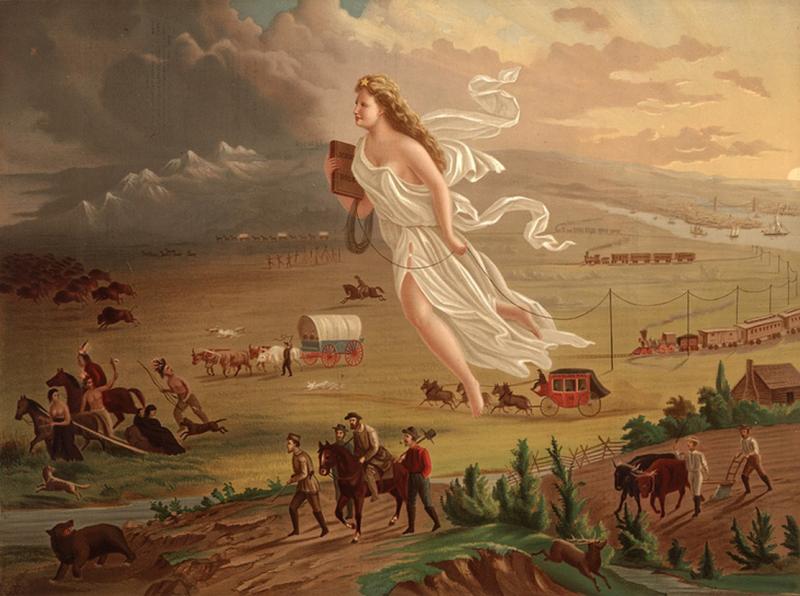
Have you ever wondered why the United States stretched all the way from the Atlantic to the Pacific? The story behind this incredible growth starts with something called Manifest Destiny.
But how did this powerful idea come to be? Understanding its beginning will change the way you see America’s past—and maybe even your own future. Keep reading, and you’ll discover the surprising forces that sparked a movement which shaped a nation.

Credit: www.instagram.com
Early American Expansion
The story of Manifest Destiny begins long before the phrase was ever coined. Early American expansion laid the groundwork for this powerful idea. It shaped how people viewed the land, their rights, and their future. Understanding this early phase helps you see why so many Americans felt destined to spread across the continent.
Colonial Roots
American expansion started during colonial times when settlers pushed beyond the original thirteen colonies. They sought new land for farming, trade, and opportunity. Conflicts with Native American tribes and European powers often erupted as settlers moved westward.
Colonial governments encouraged expansion by granting land and supporting frontier settlements. This early push set patterns of migration and land claims. Did you ever wonder how these early moves influenced your own state’s history?
Post-revolution Growth
After the American Revolution, expansion gained new momentum. The new nation claimed vast territories, including lands west of the Appalachian Mountains. The government passed laws like the Northwest Ordinance to organize these territories and encourage settlement.
Many Americans believed it was their right to expand and bring civilization to new areas. This belief created a strong drive to explore and settle further west. How might your perspective change knowing this expansion was both a legal and cultural goal?
Political Climate In The 19th Century
The political climate of the 19th century in America was charged with energy and ambition. This period was marked by a strong desire for expansion and growth, fueled by both internal and external pressures. Understanding this backdrop helps you see why the idea of Manifest Destiny gained such powerful momentum.
Nationalism And Patriotism
Nationalism surged as Americans began to see their country as a unique and destined power. People believed the United States had a special mission to spread its values across the continent. This sense of pride made many willing to support policies that pushed westward expansion.
Patriotism wasn’t just about love for the country—it was tied to the belief in progress and destiny. Citizens felt that expanding the nation’s borders was a way to strengthen America’s future. This fueled popular support for acquiring new lands and developing them.
Role Of Political Leaders
Political leaders played a key role in shaping and promoting the idea of Manifest Destiny. Presidents like James K. Polk openly supported expansionist goals, pushing for the annexation of Texas and the Oregon Territory. Their bold policies encouraged citizens to back territorial growth.
These leaders often used persuasive rhetoric to convince the public that expansion was both necessary and just. They framed it as a national duty, linking it to economic opportunity and security. Have you ever thought about how your leaders’ views influence your own opinions on national issues?
Economic Motivations
Economic motivations played a key role in starting Manifest Destiny. Many Americans saw the West as a land full of chances to improve their lives. Expanding the nation promised new jobs, wealth, and resources. These hopes pushed people to support moving westward.
Agricultural Opportunities
The fertile lands in the West attracted farmers and settlers. Good soil meant better crops and more food. Farmers believed they could grow enough to support their families and sell extra. Owning land was also a sign of success and independence. This promise of land ownership made many eager to move.
New farming tools and techniques helped make farming easier. With more land available, people thought they could build a better future. The idea of starting fresh on untouched land appealed to many families and individuals.
Trade And Resources
Expanding west opened new paths for trade and business. Rivers and ports allowed goods to move faster across the country. Americans wanted control over important resources like gold, timber, and minerals. Access to these resources meant wealth and power.
New markets appeared as settlers moved west. This growth created jobs and boosted the economy. Controlling trade routes helped the U.S. grow stronger internationally. These economic benefits made expansion seem necessary and urgent.
Cultural And Ideological Factors
The idea of Manifest Destiny grew from deep cultural and ideological roots in early America. People believed the United States had a special role to play in the world. This belief shaped the nation’s attitude toward expansion and shaped its future.
Cultural pride and a sense of mission combined to create strong support for moving west. Many Americans thought they were chosen to spread their way of life. This feeling made expansion seem natural and even necessary.
Manifest Destiny As A Belief
Manifest Destiny was more than a plan. It was a powerful belief that the U.S. should stretch from the Atlantic to the Pacific. People saw it as their right and duty to claim the land.
This belief helped unite many Americans. They felt proud of their country’s growth and progress. It also justified taking land from Native Americans and other nations.
Manifest Destiny created a sense of purpose. It encouraged settlers to move west and build new communities. This belief pushed the nation forward.
Religious Influences
Religion played a big role in shaping Manifest Destiny. Many Americans believed God wanted them to spread Christianity across the continent. This idea gave moral support to expansion efforts.
Preachers and leaders often spoke about a divine mission. They described the U.S. as a “chosen nation” meant to bring light and civilization. This message inspired many settlers.
Religious ideas also helped justify actions against Native Americans and others. People thought they were helping to save souls and improve the land. This made expansion feel like a sacred duty.
Key Events Sparking Expansion
Manifest Destiny grew from several important events that pushed the United States to expand westward. These moments shaped the country’s borders and inspired many to move beyond the original states. Each event played a crucial role in the story of America’s growth.
Louisiana Purchase
The Louisiana Purchase doubled the size of the United States. In 1803, the U.S. bought land from France, adding vast territories west of the Mississippi River. This deal opened new lands for farming and settlement. It also gave control of the Mississippi River, a key trade route.
Texas Annexation
Texas joined the United States in 1845 after gaining independence from Mexico. This annexation caused tension with Mexico and led to the Mexican-American War. Texas’ addition expanded U.S. territory deep into the southwest. It attracted settlers eager for new opportunities.
Oregon Trail
The Oregon Trail was a major path for settlers moving west. Thousands traveled this route to reach Oregon’s fertile lands. The journey was difficult but promised new beginnings. The trail helped establish U.S. claims to the Oregon Territory, expanding American influence in the northwest.
Impact On Native Populations
The impact of Manifest Destiny on Native populations was profound and often tragic. As settlers moved westward, Native American communities faced enormous challenges. Their lands were taken, and their ways of life changed forever. Understanding these effects is crucial to grasp the full story of Manifest Destiny.
Displacement And Conflict
Native tribes were forced to leave their ancestral lands. The U.S. government used laws and treaties to push tribes westward. This caused many violent clashes between settlers and Native Americans. Entire communities were uprooted, leading to loss of homes and resources.
Famous events like the Trail of Tears show the harsh realities of this displacement. Thousands of Native Americans died during forced removals. The struggle over land often led to long-lasting conflicts and suffering.
Cultural Consequences
Native cultures faced severe disruption. Traditional ways of life were challenged by new settlers and government policies. Many Native languages, customs, and religions were suppressed or lost. Children were taken to boarding schools to erase their heritage.
The loss of land and resources weakened social structures. Communities struggled to maintain their identity. Despite this, many Native groups continue to preserve and revive their cultures today.
Media And Literature’s Role
The rise of Manifest Destiny didn’t happen in isolation. Media and literature played a huge role in shaping public opinion and stirring the national spirit. They didn’t just report facts—they created a narrative that made westward expansion seem not only inevitable but necessary.
Newspapers And Political Cartoons
Newspapers were the primary source of information for most Americans in the 19th century. Editors often used their pages to promote the idea that the United States was destined to stretch from the Atlantic to the Pacific.
Political cartoons were especially powerful. They simplified complex ideas into images that anyone could understand. One famous cartoon showed an eagle spreading its wings across the continent, symbolizing America’s reach and ambition.
Have you ever noticed how a single image can stick in your mind longer than paragraphs of text? That’s exactly what these cartoons did—they made Manifest Destiny a vivid and emotional idea.
Popular Literature
Books and poems also boosted Manifest Destiny’s appeal. Writers painted the West as a land of opportunity and adventure, full of promise for ordinary people like you and me.
Stories about pioneers overcoming hardships inspired readers to believe they could do the same. This kind of literature didn’t just entertain—it motivated people to pack up and head west.
Think about how stories influence your own decisions. Could a book or a tale you read have nudged you toward a new path? For many Americans then, popular literature was that nudge toward the unknown frontier.

Credit: www.instagram.com
Credit: pastorbhart.medium.com
Frequently Asked Questions
What Triggered The Start Of Manifest Destiny?
Manifest Destiny began from a belief in American expansionism in the 1840s. It was driven by a desire for land, economic opportunities, and spreading democracy.
Who First Coined The Term Manifest Destiny?
The term “Manifest Destiny” was first coined by journalist John L. O’Sullivan in 1845. He used it to promote U. S. territorial expansion westward.
How Did Manifest Destiny Impact U.s. Territory Growth?
Manifest Destiny led to significant U. S. territorial acquisitions, including Texas, Oregon, and California. It shaped the nation’s borders and increased its continental presence.
What Role Did Politics Play In Manifest Destiny?
Political leaders used Manifest Destiny to justify expansion policies. It influenced debates over slavery, Native American removal, and relations with Mexico.
Conclusion
Manifest Destiny began with a strong belief in growth and expansion. People wanted more land and new opportunities. This idea shaped America’s future and changed its borders. It also caused conflicts and challenges along the way. Understanding its start helps us see how history moved forward.
The story of Manifest Destiny shows hope, struggle, and change. It remains an important part of America’s past and identity.

Similar Posts