
Have you ever found yourself stuck in a loop of unwanted thoughts or repetitive actions that you just can’t shake off? If so, you might be wondering how OCD really shows up in daily life.
Understanding how OCD manifests is key to recognizing it in yourself or others. This article will guide you through the common signs and subtle clues that reveal the presence of OCD. By the end, you’ll have a clearer picture of what OCD looks like—and why it’s more than just being “a little bit obsessed.
” Keep reading to uncover the truth behind these patterns and how they affect your mind and behavior.
Common Ocd Symptoms
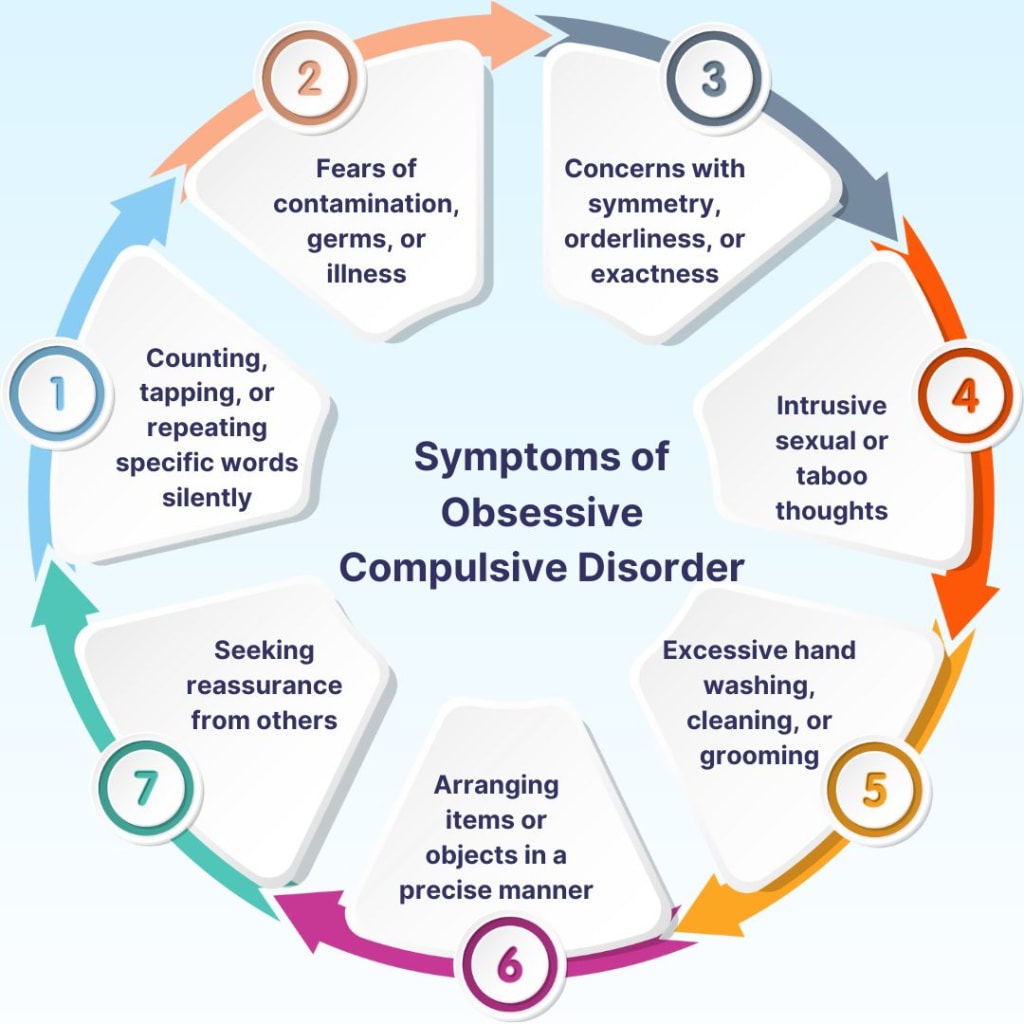
Understanding the common symptoms of OCD can help you recognize how this condition might show up in daily life. OCD doesn’t look the same for everyone, but certain patterns tend to emerge. These symptoms impact your thoughts, actions, and emotions in very specific ways.
Obsessive Thoughts
Obsessive thoughts are unwanted ideas that keep popping into your mind. They often feel intrusive and cause a lot of anxiety or distress. You might find yourself repeatedly worrying about germs, safety, or making mistakes, even if you logically know these fears are unlikely.
Have you ever caught yourself stuck on a thought you can’t shake? That’s what many with OCD experience daily. These thoughts can be so persistent that they interfere with your ability to focus on anything else.
Compulsive Behaviors
Compulsions are actions you feel driven to perform to reduce the stress caused by obsessive thoughts. These behaviors can be physical, like washing your hands multiple times, or mental, such as repeating phrases silently. The urge to perform these acts can be overwhelming and feel impossible to resist.
Imagine feeling you must check the door lock repeatedly before leaving the house. This compulsion might provide temporary relief but often leads to more anxiety later. Compulsions can consume hours of your day, disrupting your routine and productivity.
Emotional Impact
OCD doesn’t just affect your actions and thoughts—it also takes a toll on your emotions. You might experience feelings of shame, frustration, or helplessness because of the repetitive nature of your symptoms. It’s common to feel isolated, as these struggles are hard to explain to others.
Have you noticed how OCD can drain your energy and motivation? The constant battle with your mind can leave you emotionally exhausted. Recognizing this emotional impact is crucial for finding the right support and strategies to manage OCD effectively.
Less Obvious Signs
Obsessive-Compulsive Disorder (OCD) does not always show itself through clear actions like hand washing or checking locks repeatedly. Many signs are hidden and easy to miss. These less obvious symptoms can still cause distress and take time from daily life.
Recognizing subtle signs helps people get support sooner. Understanding these behaviors opens a window into the mind of someone with OCD.
Mental Rituals
Mental rituals are invisible routines inside the mind. People repeat certain thoughts or count silently to reduce anxiety. These rituals feel necessary to prevent bad things from happening.
Common mental rituals include:
- Repeating words or phrases silently
- Counting numbers in a specific order
- Praying or asking for forgiveness mentally
- Reviewing memories to ensure no mistakes
These actions are hard to notice but take up much mental energy.
Avoidance Patterns
Avoidance is a way to escape triggers that cause obsessive thoughts. People may skip places or activities that make them anxious. This behavior limits their daily life quietly.
Examples of avoidance include:
- Not touching certain objects
- Avoiding social events
- Skipping topics in conversations
- Changing routes to avoid specific areas
Avoidance reduces anxiety temporarily but reinforces OCD over time.
Subtle Compulsions
Subtle compulsions are small actions done to ease anxiety. These are not obvious like loud tapping or checking. People may straighten items or adjust clothing repeatedly.
Some subtle compulsions are:
- Touching objects a certain number of times
- Rearranging items to feel “just right”
- Mentally reviewing tasks done perfectly
- Repeating small movements under the breath
These behaviors look normal but are driven by OCD fears.
Ocd Variations
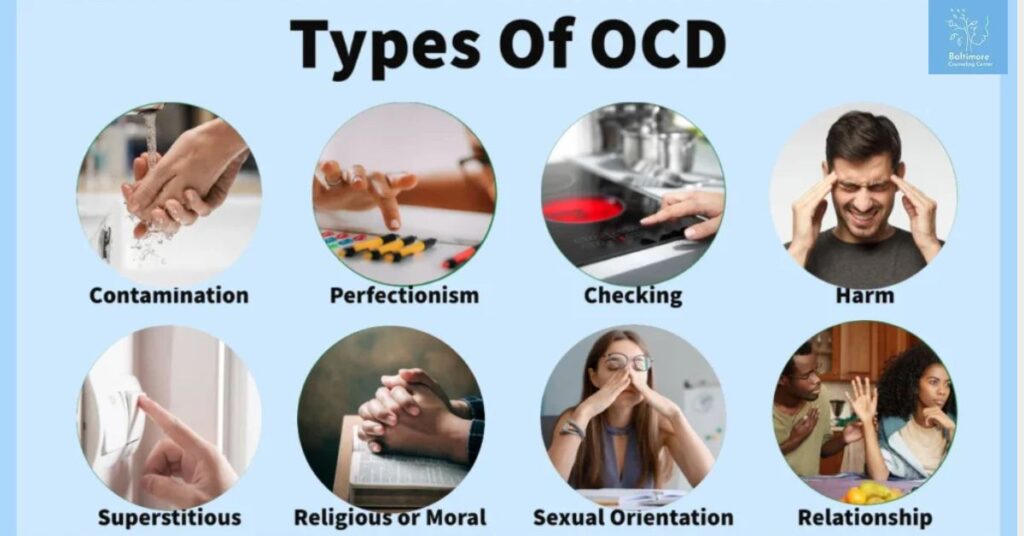
OCD doesn’t look the same for everyone. It shows up in different ways, and recognizing these variations can help you better understand your own experiences or support someone else. Each type involves specific patterns of thoughts and behaviors that can feel overwhelming and hard to control.
Contamination And Cleaning
This variation centers on a fear of germs, dirt, or illness. People might wash their hands repeatedly or clean their surroundings obsessively to feel safe. Have you ever found yourself scrubbing something over and over, even when it’s already clean? That’s a common sign of this type of OCD.
Checking And Repeating
Checking things like locks, appliances, or switches multiple times is typical here. The need to repeat actions until it “feels right” can take up a lot of time and energy. Think about how many times you’ve double-checked a door before leaving—now imagine doing that dozens of times daily.
Hoarding Tendencies
Hoarding involves difficulty letting go of possessions, even if they have little value. It can create clutter that makes everyday life challenging. You might relate if you feel anxious at the thought of throwing something away, fearing you’ll need it later.
Intrusive Thoughts
These are unwanted, often disturbing thoughts or images that pop into your mind. They can be violent, sexual, or blasphemous, causing intense distress. If you’ve ever been shocked by a sudden, inappropriate thought and worried about what it means, you’re not alone in this experience.
Credit: vocal.media
Impact On Daily Life
Obsessive-Compulsive Disorder (OCD) can significantly affect your daily life, often in ways you might not expect. Its impact stretches beyond just thoughts and rituals, touching how you work, interact with others, and manage your emotions. Understanding these effects can help you recognize the challenges and find strategies to cope.
Work And School Challenges
OCD can make focusing on tasks difficult. You might find yourself stuck repeating actions or checking things multiple times, which eats up valuable time. This can lead to missed deadlines or incomplete work.
For example, someone might spend extra minutes organizing their desk repeatedly, losing track of actual work. It’s easy to feel frustrated when your productivity doesn’t match your effort.
Have you noticed how small distractions sometimes spiral into long delays? Learning to set time limits on tasks and using reminders can help keep you on track.
Social Relationships
OCD can create barriers between you and others. You might avoid social settings out of fear that your compulsions will be noticed or judged. This isolation can strain friendships and family ties.
Sometimes, the need for reassurance or specific routines can confuse or frustrate loved ones. Imagine constantly needing to check if a door is locked before leaving a friend’s house—over time, this can wear down patience.
How often do you feel misunderstood by those closest to you? Open conversations about your experience can build understanding and support.
Emotional Well-being
Living with OCD often means battling intense anxiety and self-doubt. The constant mental loops can drain your energy and lower your mood.
You might feel trapped by your thoughts, wondering if things will ever get better. It’s normal to feel overwhelmed, but small steps like mindfulness or therapy can provide relief.
What strategies have you tried to manage your stress and negative feelings? Finding what works for you is key to reclaiming your emotional balance.
Recognizing Hidden Symptoms
Obsessive-Compulsive Disorder (OCD) often hides behind common behaviors. These hidden symptoms can confuse both the person and those around them. Recognizing these subtle signs helps in managing OCD better. Many people mistake these symptoms for habits or quirks.
Hidden symptoms may include repetitive thoughts or small rituals that feel necessary. These actions often take up time and energy, affecting daily life. Awareness of these signs is the first step to addressing OCD early.
Self-monitoring Techniques
Tracking thoughts and behaviors helps identify patterns linked to OCD. Keep a simple journal to note times when urges or rituals occur. Ask yourself:
- How often do these thoughts or actions happen?
- What feelings trigger these behaviors?
- Do they interrupt daily tasks?
Self-monitoring increases awareness and can reveal hidden symptoms. It also prepares you for discussions with professionals.
Seeking Professional Help
Consulting a mental health expert provides clear diagnosis and support. Professionals use tools to spot symptoms that may not be obvious. Early sessions focus on understanding your experiences and struggles. Treatment plans often include therapy, which helps reduce symptoms.
Importance Of Early Detection
Finding OCD symptoms early prevents worsening of the condition. Early care improves quality of life and limits stress. It also stops OCD from disrupting relationships and work. Detecting symptoms early allows for faster, more effective treatment. This leads to better control over daily routines and thoughts.
Credit: baltimorecounselingcenter.com
Credit: www.psychiatryofthepalmbeaches.com
Frequently Asked Questions
What Are Common Signs Of Ocd In Daily Life?
Common signs include repetitive thoughts, compulsive behaviors, and excessive cleanliness. These actions often disrupt daily routines and cause distress. People may repeatedly check things or count objects to reduce anxiety related to intrusive thoughts.
How Does Ocd Affect A Person’s Mental Health?
OCD can cause significant anxiety, stress, and depression. Persistent intrusive thoughts lead to emotional exhaustion. The compulsions temporarily relieve anxiety but often worsen mental health over time, creating a challenging cycle.
Can Ocd Symptoms Vary Between Individuals?
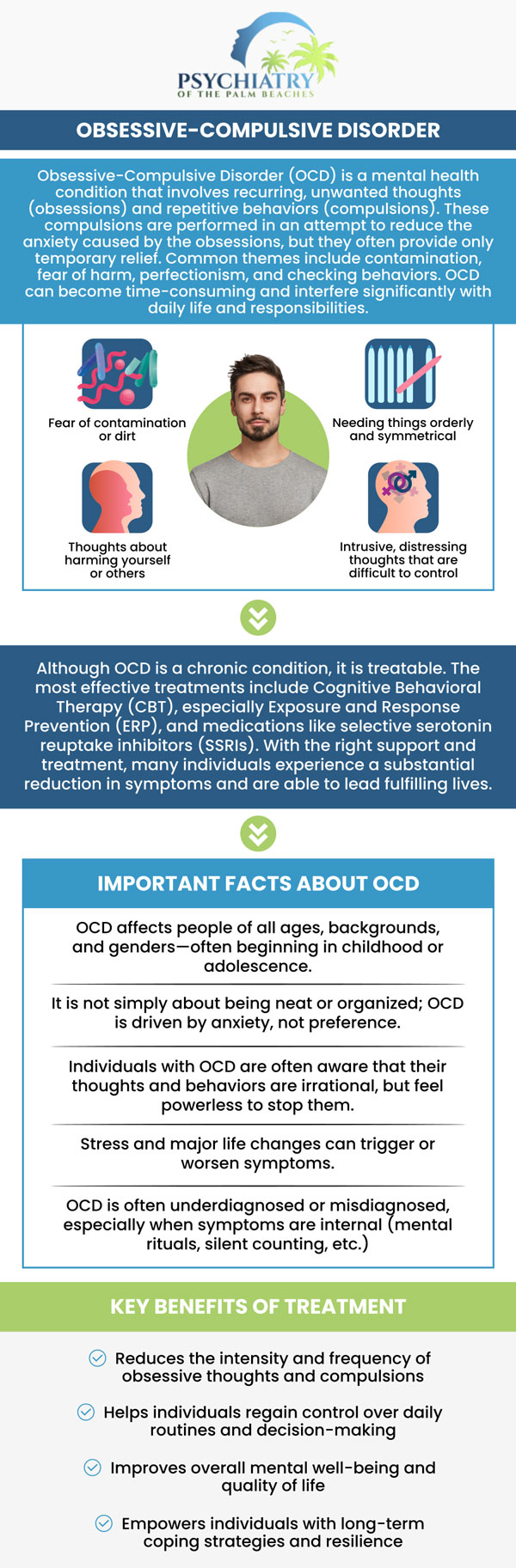
Yes, OCD symptoms differ widely. Some experience contamination fears, others have symmetry obsessions. Compulsions can range from hand-washing to constant checking. This variability makes personalized treatment essential for effective management.
When Should Someone Seek Help For Ocd?
Seek help if obsessive thoughts or compulsions interfere with daily life. If these behaviors cause distress or affect work, relationships, or self-care, consulting a mental health professional is crucial for diagnosis and treatment.
Conclusion
OCD shows in many ways, through thoughts and actions. It can cause stress and take time from daily life. Knowing how OCD works helps people understand those who have it. Treatment and support can reduce its impact. Awareness is the first step toward better help.
Everyone deserves patience and kindness. Keep learning to break the stigma around OCD. Small changes make a big difference.