Who Coined Manifest Destiny: Unveiling Historical Origins
Have you ever wondered where the powerful idea of Manifest Destiny came from? This phrase shaped a whole era in American history and still sparks debates today.
But who actually coined Manifest Destiny? Understanding the origin of this term can give you a clearer picture of how it influenced the nation’s growth and your country’s story. Keep reading to uncover the surprising answer and see why this phrase mattered more than you might think.
Early Uses Of Manifest Destiny
The phrase “Manifest Destiny” emerged in a unique political and cultural moment. It captured the belief that the United States had a special mission to expand across North America. Early uses of this term reveal much about the nation’s mindset during the 1840s. These uses show how politics, media, and key individuals shaped its meaning and popularity.
Political Climate In The 1840s
The 1840s were a time of growth and change in America. The country was expanding westward rapidly. Many people believed it was their right and duty to spread democracy and civilization. Conflicts over land, slavery, and borders were common. These tensions made the idea of Manifest Destiny very appealing. It gave a sense of purpose and justification for expansion.
John L. O’sullivan’s Role
John L. O’Sullivan is often credited with coining the term “Manifest Destiny.” He was a newspaper editor and writer. O’Sullivan used the phrase to argue that the United States had a divine right to expand its territory. His writings linked expansion to American values and progress. O’Sullivan’s role helped popularize the term and spread the idea widely.
First Published Mentions
The term “Manifest Destiny” first appeared in print in 1845. It was used in O’Sullivan’s articles about the annexation of Texas. These early mentions framed expansion as a clear and inevitable mission. Newspapers and politicians quickly adopted the phrase. It became a powerful tool to rally support for territorial growth.

Credit: www.aspendailynews.com
John L. O’sullivan’s Influence
John L. O’Sullivan played a crucial role in shaping the idea of Manifest Destiny, a term that captured the spirit of 19th-century American expansionism. His words gave a clear voice to the belief that the United States was destined to expand across the continent. Understanding his influence helps you see how powerful language can direct a nation’s path.
Background And Career
O’Sullivan was a journalist and editor born in 1813. He worked for several newspapers and became known for his sharp political commentary. His career put him at the heart of debates about America’s future during a time of rapid growth and change.
Editorials And Writings
It was in his editorials that O’Sullivan first used the phrase “Manifest Destiny” in 1845. He argued that the United States had a divine right and duty to expand westward. His writings stirred public opinion and encouraged settlers to move beyond established borders.
Impact On American Expansionism
O’Sullivan’s ideas helped justify actions like the annexation of Texas and the Oregon Territory claim. His vision pushed political leaders and citizens to support territorial growth aggressively. Ask yourself—how can one person’s words influence the direction of a whole country?
Manifest Destiny In Political Debate
The phrase Manifest Destinyquickly became a powerful slogan in American political debates during the mid-19th century. It wasn’t just about expanding territory; it stirred deep arguments about the nation’s future, values, and identity. Understanding how Manifest Destiny played out in political discussions helps you see why it was so divisive and impactful.
Supporters And Opponents
Supporters of Manifest Destiny believed the United States had a divine right and duty to expand across the continent. They saw it as a way to spread democracy and freedom. Politicians like President James K. Polk championed this idea, pushing aggressively for territorial growth.
Opponents, however, warned that this expansion could lead to conflict and injustice. Many feared it would upset the balance of power between free and slave states. Some also worried about the treatment of Native Americans and Mexicans living in the targeted lands.
Expansion And Slavery
One of the biggest issues tied to Manifest Destiny was slavery. Every new territory raised the question: would it allow slavery or not? This question split the nation and fueled heated debates in Congress.
The Missouri Compromise and the later Compromise of 1850 were attempts to manage this tension, but they only delayed the inevitable conflict. You might wonder how different American history would look if this question had been resolved peacefully.
Role In The 1844 Election
The 1844 presidential election turned Manifest Destiny into a central issue. James K. Polk’s clear support for expansion, including the annexation of Texas and Oregon, won him the presidency. His opponent, Henry Clay, tried to balance expansionist desires with concerns over slavery and war.
This election showed how your vote can influence a country’s direction on major issues. It also demonstrated how political leaders use ideas like Manifest Destiny to rally support and define their platforms.
Credit: www.latimes.com
Cultural And Social Impact
The phrase “Manifest Destiny” did more than describe a political agenda; it shaped American culture and society in profound ways. This idea stirred emotions, influenced art, and reshaped how people viewed their country and themselves. Understanding its cultural and social impact helps you see how language and belief can drive a nation’s identity.
Public Perception
People at the time saw Manifest Destiny as a promise and a duty. Many believed it was America’s fate to expand westward, bringing progress and civilization. But this belief also justified harsh actions against Native Americans and others, showing how public perception can support both hopeful and harmful outcomes.
Have you ever noticed how powerful ideas can change how society acts? Manifest Destiny did exactly that by making expansion seem not only necessary but righteous.
Manifest Destiny In Literature And Art
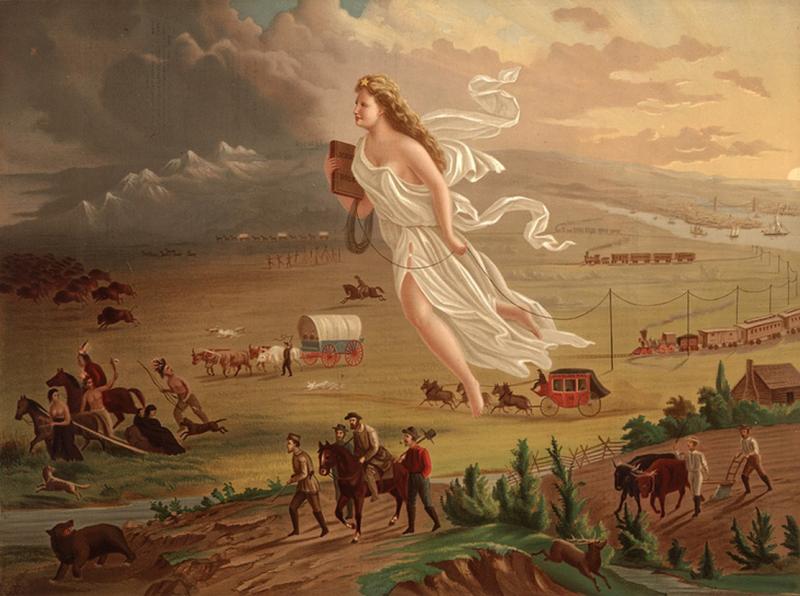
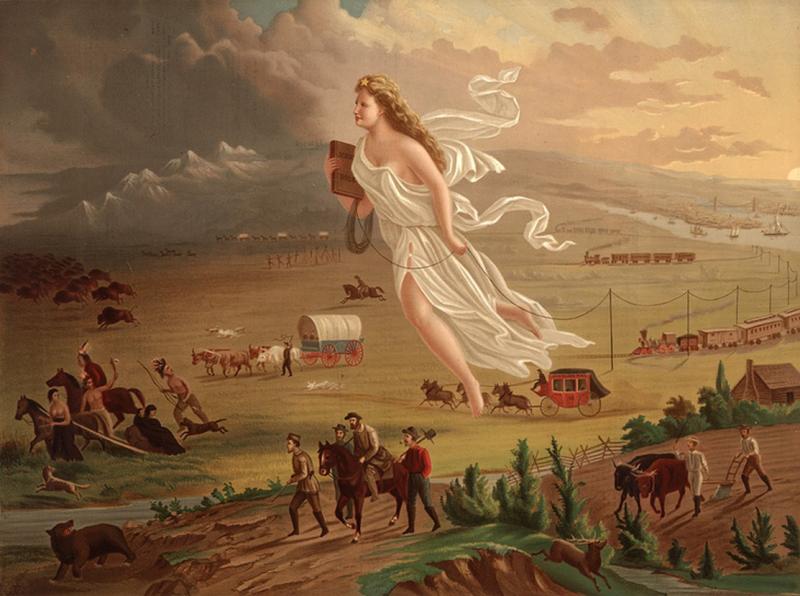
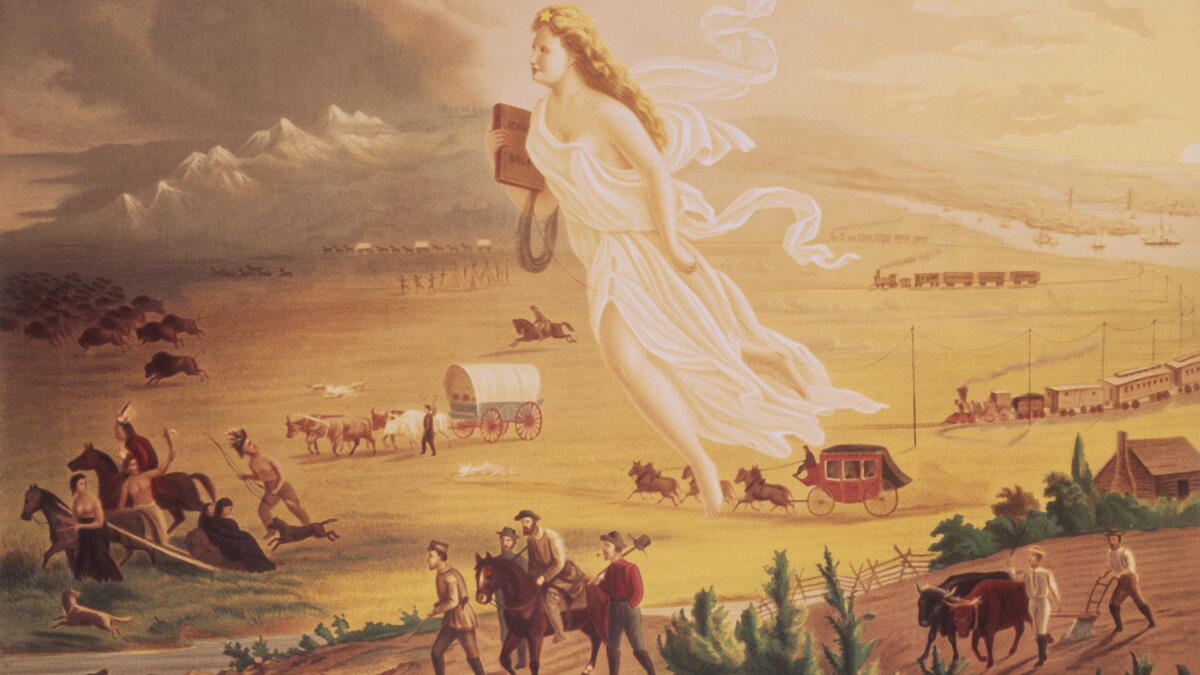
Writers and artists captured the spirit of Manifest Destiny, using their work to inspire and reflect the era’s beliefs. Paintings showed heroic pioneers moving west, while literature portrayed the frontier as a place of opportunity and adventure.
This cultural output didn’t just record history—it shaped how people imagined their country’s future. You might find it interesting that even today, some of these images influence how Americans view their heritage.
Legacy In American Identity
Manifest Destiny left a lasting mark on how Americans see themselves. It helped build a national identity based on expansion, innovation, and a sense of mission.
But it also raises tough questions: How do you balance pride in progress with acknowledgment of past injustices? Reflecting on this helps you understand the complexities behind national stories and your role in continuing or challenging them.
Misconceptions About The Term
The term “Manifest Destiny” is often surrounded by misunderstandings that can cloud its true origin and meaning. Many people assume they know who coined the phrase or what it originally stood for, but these assumptions don’t always hold up under closer inspection. Clearing up these misconceptions can change how you view a key part of American history.
Common Myths
One widespread myth is that “Manifest Destiny” was a phrase used by political leaders during the early 1800s to justify any kind of territorial expansion. Another misconception is that it was a universally accepted idea without any opposition or debate. People often think the term was coined during the presidency of Thomas Jefferson, but that’s not accurate.
Clarifying The Origin
The phrase “Manifest Destiny” was actually coined by journalist John L. O’Sullivan in 1845. He used it to express the belief that the United States was destined to expand across the North American continent. This origin is important because it ties the term directly to a specific time, place, and perspective rather than a vague or timeless concept.
How The Term Evolved
Over time, “Manifest Destiny” took on different meanings depending on who used it and when. Initially, it was a rallying cry for expansion, but later it became associated with justifications for war and displacement of Native Americans. Understanding this evolution helps you see the term as a reflection of changing political and social attitudes, not just a fixed idea.

Credit: www.instagram.com
Frequently Asked Questions
Who Originally Coined The Term “manifest Destiny”?
The term “Manifest Destiny” was coined by journalist John L. O’Sullivan in 1845. He used it to express the belief that the U. S. was destined to expand across North America.
What Was The Meaning Of “manifest Destiny”?
“Manifest Destiny” meant the U. S. had a divine right to expand westward. It reflected a belief in American cultural and political superiority.
How Did “manifest Destiny” Influence U.s. History?
It fueled westward expansion, including the annexation of Texas and the Oregon Territory. This idea shaped American policies during the mid-1800s.
Why Did John L. O’sullivan Create The Term?
O’Sullivan wanted to promote U. S. territorial growth. He believed expansion was both justified and inevitable for America’s future.
Conclusion
The term “Manifest Destiny” came from journalist John L. O’Sullivan. He used it in 1845 to describe America’s future. The phrase showed the belief that the U. S. Should expand westward. This idea shaped much of American history and politics.
Understanding who coined it helps us see the past clearly. The phrase still sparks interest and debate today. It reminds us how words can influence a nation’s path. Keep this in mind when studying U. S. History. The story of Manifest Destiny is more than just a phrase.

Similar Posts