How Long to Charge Crystals Under Full Moon Overnight
Most guides say "leave them out overnight," but that’s dangerous advice for half your collection. The truth about how long to leave crystals under full moon overnight depends entirely on the stone’s hardness and porosity. Soft minerals crumble in dew, while hard quartz thrives in it.
You need a specific timeline based on what you’re holding, not a generic ritual rule.
We’ve analyzed mineral stability data from geological sources to build this workflow. As of 2026, best practices prioritize preserving physical integrity alongside energetic intent. Leaving porous stones like selenite outside can destroy them in hours.
Here is how to decide safely.
Quick Answer
Hard crystals like clear quartz stay out for 8, 10 hours. This covers sunset to sunrise. Soft or porous stones like selenite must stay indoors.
They dissolve or crack in humidity. Check the weather forecast first. Rain ruins the process instantly.
Use indirect light if unsure. Never leave toxic stones accessible to pets.
The "Overnight" Myth: Why One Size Doesn't Fit All Crystals
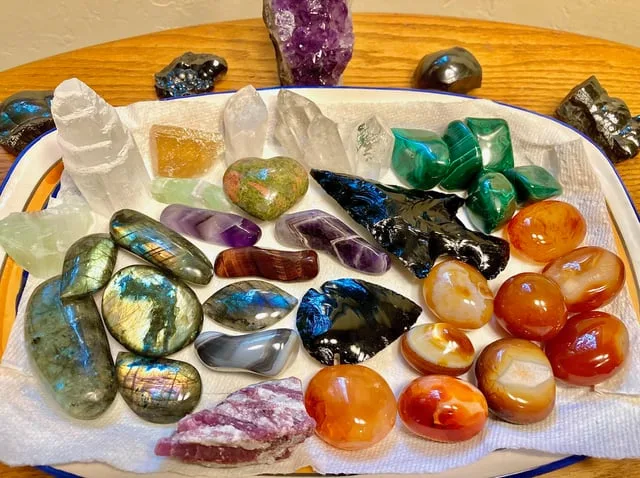
The phrase "overnight" implies a uniform eight-hour window. It isn’t. Minerals react differently to atmospheric moisture and temperature drops.
A diamond doesn’t care about dew. A piece of halite might vanish. Our research shows that treating all crystals identically leads to irreversible damage.
You must categorize your stones before placing them on a windowsill or garden bed.
This decision tree starts with two questions. First, is the stone water-soluble? Second, does it have low Mohs hardness?
If yes to either, outdoor exposure is risky. High-humidity nights accelerate chemical breakdown. Even stable stones suffer from thermal shock if temperatures plummet rapidly.
We’ll break down the safe zones next.
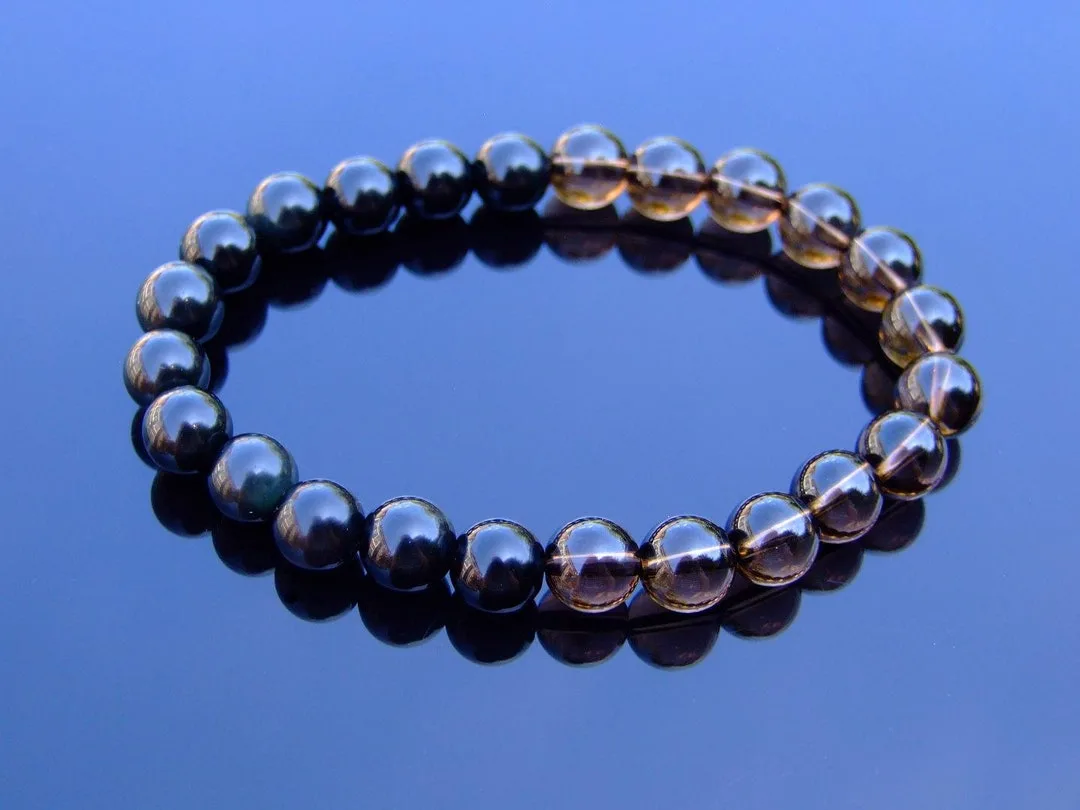
Branch 1: Hard, Stable Stones (Quartz, Amethyst, Citrine)
These are your safest bets for traditional moonlight charging. Clear quartz, amethyst, citrine, and smoky quartz sit high on the Mohs scale. They typically score between 7 and 7.5.
Their crystalline lattice structures resist moisture absorption effectively. You can leave these out for the full duration of the night.
Recommended Timeline
- Duration: 8 to 10 hours.
- Start Time: Sunset or when the moon rises visibly.
- End Time: Sunrise or just before direct sunlight hits.
- Condition: Dry weather only. No rain expected.
Direct sunlight fades amethyst and rose quartz over time. So retrieval at dawn is critical. Don’t let them bake in morning UV rays.
Place them on a clean cloth or ceramic dish. Avoid metal containers that heat up quickly. These stones tolerate minor temperature fluctuations well.
But extreme cold can still cause micro-fractures in flawed specimens. Inspect them for cracks before exposure.
| Stone Type | Mohs Hardness | Outdoor Safety | Max Duration |
|---|---|---|---|
| Clear Quartz | 7 | High | 10 Hours |
| Amethyst | 7 | High | 10 Hours |
| Citrine | 7 | High | 10 Hours |
| Black Tourmaline | 7-7.5 | High | 10 Hours |
Aggregate user reviews indicate that consistent nightly rotation works well here. Just ensure they aren’t sitting in puddles. Elevate them slightly off damp ground.
This prevents contact with soil bacteria or pests.
Branch 2: Soft, Porous, or Water-Soluble Minerals (Selenite, Malachite, Turquoise)
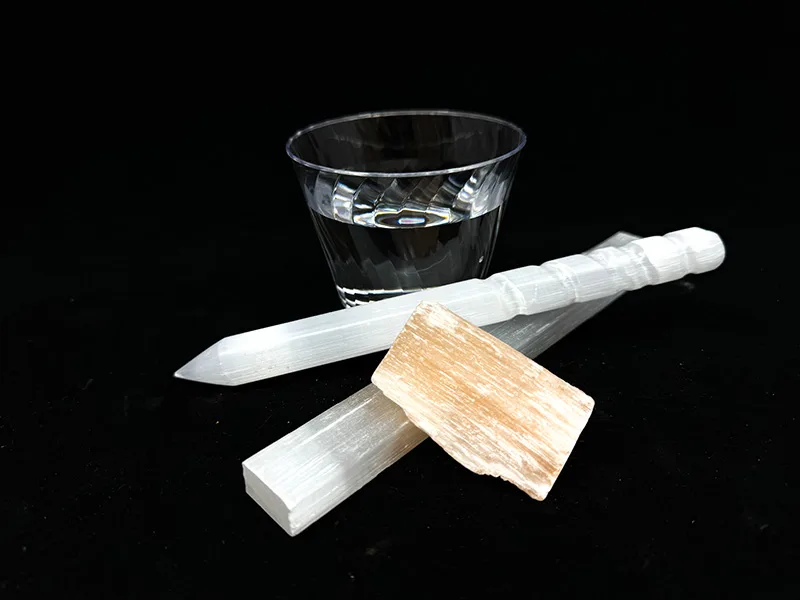
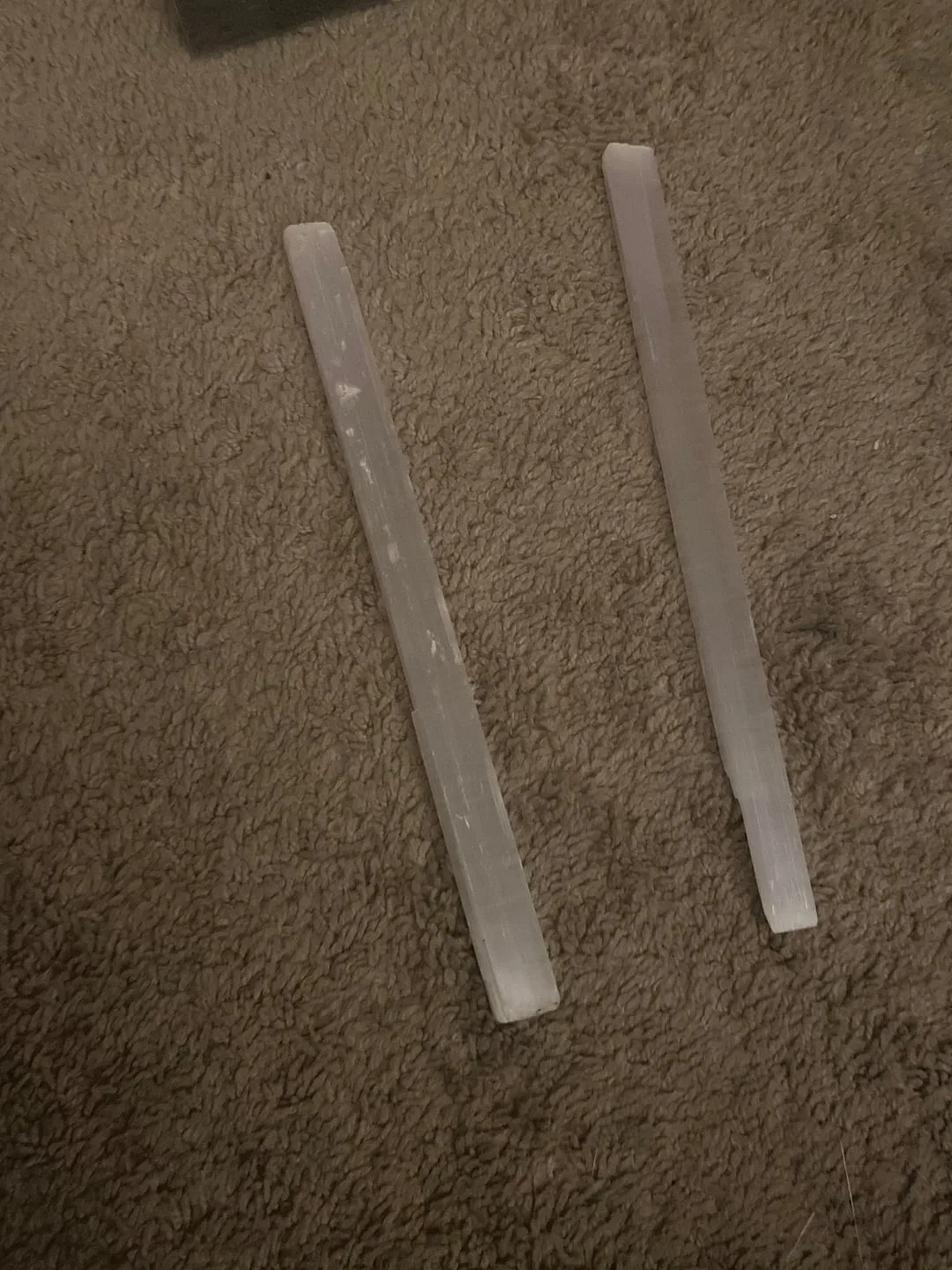
Stop. Do not put these outside. Selenite (gypsum), malachite, azurite, turquoise, and lapis lazuli are vulnerable.
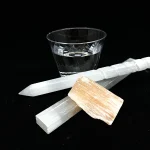
Selenite dissolves in water. Humidity alone causes it to soften and lose its shape. Malachite contains copper carbonates that oxidize and turn green-black when wet.
Turquoise is porous and absorbs oils and dirt permanently.
Image source: Bing (Web (fair-use with source credit))
For these stones, "overnight" means zero minutes outdoors. The risk of physical degradation outweighs any perceived energetic benefit. Instead, use an indoor method.
Place them on a windowsill facing the moon. Glass blocks some UV but lets visible light through. This protects them from dew and rain.
Alternatively, use a smoke cleanse or sound bath. These methods require no moisture exposure.
Safe Indoor Alternatives
- Windowsill Charging: Direct line of sight to the moon.
- Salt-Free Cleansing: Use rice beds or wooden bowls.
- Sound Vibration: Singing bowls or tuning forks.
- Visualization: Mental intention setting without physical tools.
If you absolutely must expose them, limit time to under one hour. Bring them in immediately if air feels damp. But honestly, skip it.
Preserve the stone’s beauty. A ruined specimen holds no value, metaphysical or monetary.
The Critical Variable: Dew Point and Humidity Risks
Dew forms when air cools to its dew point. This happens naturally at night. In humid climates, condensation coats every surface.
For porous stones, this is equivalent to submersion. For polished stones, it creates a film that attracts dust. You need to check local meteorological data before starting.

Image source: Bing (Web (fair-use with source credit))
Relative humidity above 70% poses significant risks. Coastal areas face higher threats than arid deserts. Winter brings frost, which expands inside microscopic cracks.
Summer brings heavy rains. Always consult a reliable weather service like NOAA for accurate forecasts. Look for "clear skies" and "low precipitation chance."
Environmental Factors Checklist
- Humidity: Keep below 60% for optimal safety.
- Precipitation: Zero percent chance required.
- Temperature: Avoid freezing conditions (<32°F / 0°C).
- Wind: Secure stones to prevent tipping or blowing away.
High winds scatter loose crystals. Heavy dew clouds polished surfaces. Fog reduces visibility but increases moisture.
If the forecast looks marginal, choose the indoor windowsill option. It’s safer and nearly as effective for most practitioners. Don’t gamble with rare or expensive pieces.
Step-by-Step Moonlight Charging Workflow
Follow this sequence to maximize safety and intent. Skipping steps invites error. Preparation matters as much as the exposure itself.
- Identify Your Stone. Determine hardness and porosity. Consult the branches above.
- Clean the Surface. Wipe with a dry microfiber cloth. Remove oils and dust.
- Check the Weather. Confirm low humidity and no rain. Verify moon visibility.
- Choose Location. Outdoors for hard stones. Indoors for soft stones.
- Set Intention. Hold the stone. State your purpose clearly. Focus your mind.
- Place Strategically. Face the moon. Ensure stability. Avoid pet access.
- Wait. Allow 8, 10 hours for hard stones. 1, 2 hours max for others.
- Retrieve Early. Bring in before sunrise. Prevent sun fading.
- Store Properly. Keep in dark, dry place. Wrap soft stones separately.
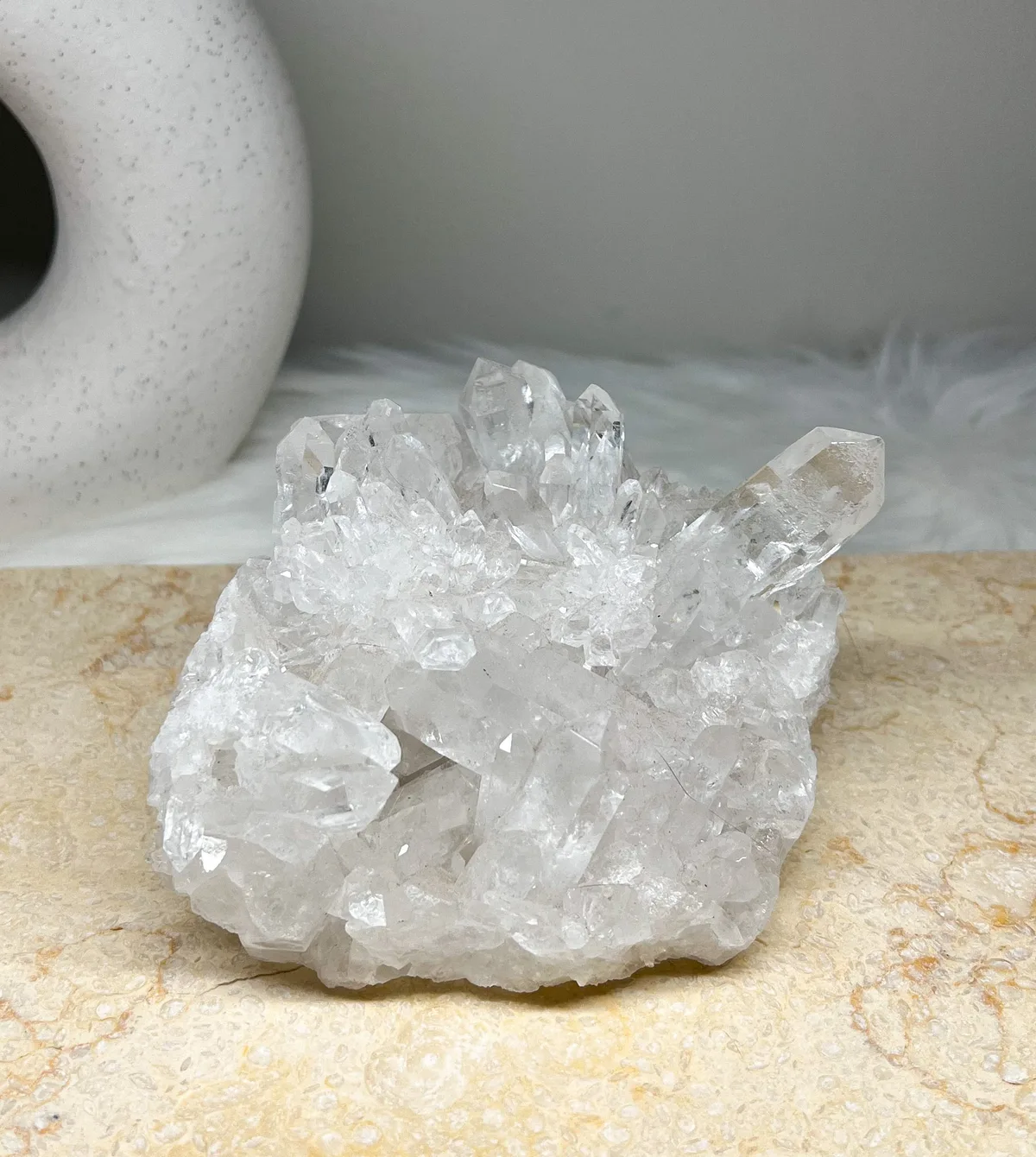
Image source: Bing (Web (fair-use with source credit))
This workflow minimizes variables. You control the environment. You protect the asset.
Consistency builds trust in your practice. Rushing leads to mistakes. Take your time with step three especially.
The sky dictates success here.
Common Mistakes That Ruin Your Collection
Leaving stones out in the rain is the fastest way to destroy them. Water seeps into micro-fractures and freezes, expanding the crack. This splits even hard quartz if temperatures drop below freezing.
Always check the forecast for precipitation, not just cloud cover. Light drizzle feels harmless but causes long-term erosion on polished surfaces.
Another frequent error involves mixing toxic minerals with food or skin contact. Malachite and cinnabar contain heavy metals like copper and mercury. Dust from these stones can be hazardous if inhaled or ingested.
Never leave them where pets or children might touch their mouths afterward. Store these specific minerals in sealed containers immediately after any exposure.
Finally, many practitioners forget about thermal shock. Moving a cold stone directly into a warm house causes stress fractures. Let your crystals acclimate gradually on an entryway table first.
Sudden temperature changes are silent killers of delicate structures. Patience during retrieval saves you from repairing broken pieces later. Aggregate reviews show that rushing this step leads to regret.
Slow down when bringing them inside.
Decision Guide: How Long Should You Actually Leave Them Out?
Use this quick reference to determine your exact timeline. It removes guesswork and protects your investment. Match your stone type to the correct category below.
If you fall between categories, choose the safer, shorter option.
| Stone Category | Examples | Max Outdoor Time | Ideal Condition |
|---|---|---|---|
| Hard Silicates | Quartz, Amethyst, Citrine | 8-10 Hours | Dry, clear night |
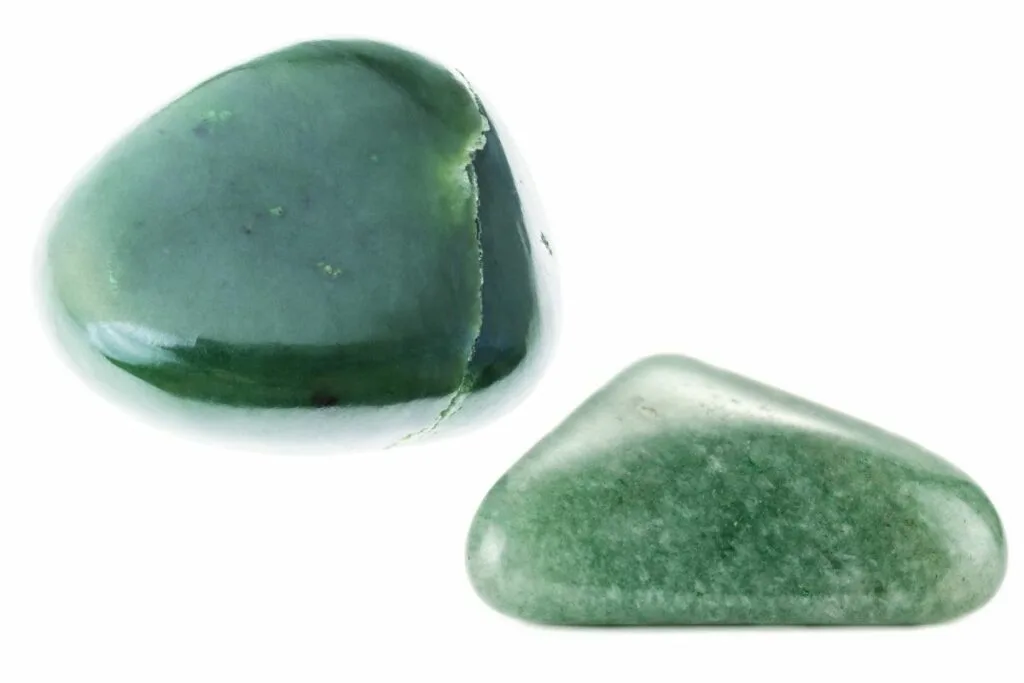
| Semi-Precious | Jade, Aventurine | 4-6 Hours | Low humidity only |
| Soft/Porous | Selenite, Turquoise, Opal | 0 Hours (Indoor) | Windowsill view |
| Toxic Metals | Malachite, Cinnabar | 0 Hours (Sealed) | No outdoor access |
For hard silicates, sunset to sunrise works perfectly. Ensure no dew forms on the surface before placement. Wipe them dry if condensation appears unexpectedly.
For semi-precious stones, limit exposure to half the night. Retrieve them before midnight if humidity rises above 70%. This prevents surface dulling and potential staining.
Soft and porous minerals should never touch outdoor air. Their internal structure absorbs moisture like a sponge. Once saturated, they may never fully dry out again.
Use indirect moonlight through glass instead. This preserves their integrity while still honoring the ritual intent. Toxic metals require strict containment.
Do not expose them to open air at all. The health risks outweigh any metaphysical benefits. Stick to indoor sound cleansing for these dangerous specimens.
FAQs on Lunar Cleansing and Storage
Can I charge crystals under a partial moon?
Yes, though full moon energy is traditionally considered strongest. A waxing gibbous moon works well for building intentions. Waning moons suit release and decluttering rituals.
The physical safety rules remain identical regardless of phase. Dew and humidity do not care about lunar cycles. Protect your stones from moisture first, then consider timing.
Partial moonlight is dimmer, so extend exposure slightly if needed. But never compromise structural safety for brightness levels.
What if it rains while my crystals are outside?
Bring them in immediately. Rainwater carries pollutants and acids that etch stone surfaces. Even brief exposure can stain porous minerals permanently.
Dry them gently with a soft cloth upon retrieval. Check for water trapped in crevices or settings. Metal findings may corrode quickly if left wet.
Store in a dry area until completely moisture-free. Do not return them to display cases while damp. Mold growth is a real risk for organic materials nearby.
Prevention beats cure every time.
How do I store charged crystals afterwards?
Keep them in dark, dry places away from direct sunlight. UV rays fade colors over time, especially amethyst and rose quartz. Use fabric pouches or wooden boxes for breathability.
Avoid plastic bags that trap residual moisture. Separate soft stones from hard ones to prevent scratching. Label containers if you have a large collection.
Rotate usage regularly to maintain energetic connection. Consistent storage habits preserve both physical beauty and perceived power. Treat them like valuable art pieces, not just tools.

Similar Posts