How to Charge Crystals with Brown Rice in a Glass Jar

Figuring out how to charge crystals with brown rice in a glass jar sounds simple, but the visual details make or break the ritual. Many beginners miss crucial steps like checking grain dryness or ensuring proper light exposure through clear glass.
We’ve seen too many practitioners ruin their stones by ignoring physical signs of spoilage or poor setup. This guide focuses on what you need to see and do at each stage. Let’s look closely at why the visual component is non-negotiable for this method.
Why the Visual Setup Matters More Than the Ritual
In metaphysical circles, intention drives energy work, but physics dictates preservation. Brown rice is an organic medium. It absorbs moisture.
It attracts pests. If you ignore the visual state of your materials, you risk damaging your crystal more than cleansing it.
A cloudy jar blocks sunlight. Sunlight is often part of the charging equation. Damp rice grows mold within days.
Mold releases spores that can settle on porous stones like Selenite or Fluorite. These stones degrade when exposed to humidity.
You aren’t just performing a spiritual act. You are managing a biological system inside a container. The visual check ensures the environment remains sterile enough for long-term contact.
Without seeing the grain texture, you’re guessing. Guessing leads to ruined crystals.
Our research indicates that successful practitioners treat this as a hygiene protocol first, ritual second. They inspect every kernel. They verify glass clarity.
They monitor environmental conditions. This discipline separates effective cleansing from accidental contamination.
The Three-Part Visual Checklist: Jar, Grain, and Stone
Before you begin, you must inspect three distinct components. Each has specific visual markers for readiness. Fail one, and the entire process compromises.
1. The Glass Jar
- Clarity: Must be transparent. Frosted or colored glass filters UV light, reducing effectiveness for solar-charged varieties.
- Integrity: Check for micro-cracks. Stress fractures weaken over time, especially with temperature shifts.
- Cleanliness: No residue. Old oils or soap films attract dust and obscure visibility.
2. The Brown Rice
- Dryness: Kernels should feel crisp, not soft. Humid rice clumps together.
- Color: Uniform tan hue. Dark spots indicate oxidation or early fungal growth.
- Debris: Zero chaff or broken shells. Dust clouds reduce air circulation around the stone.
3. The Crystal
- Surface: Free of scratches or chips. Rough edges trap bacteria.
- Porosity: Know your stone. Porous gems (like Turquoise) absorb liquids faster than quartz.
- Temperature: Room temp only. Cold stones condense moisture when placed in warm environments.
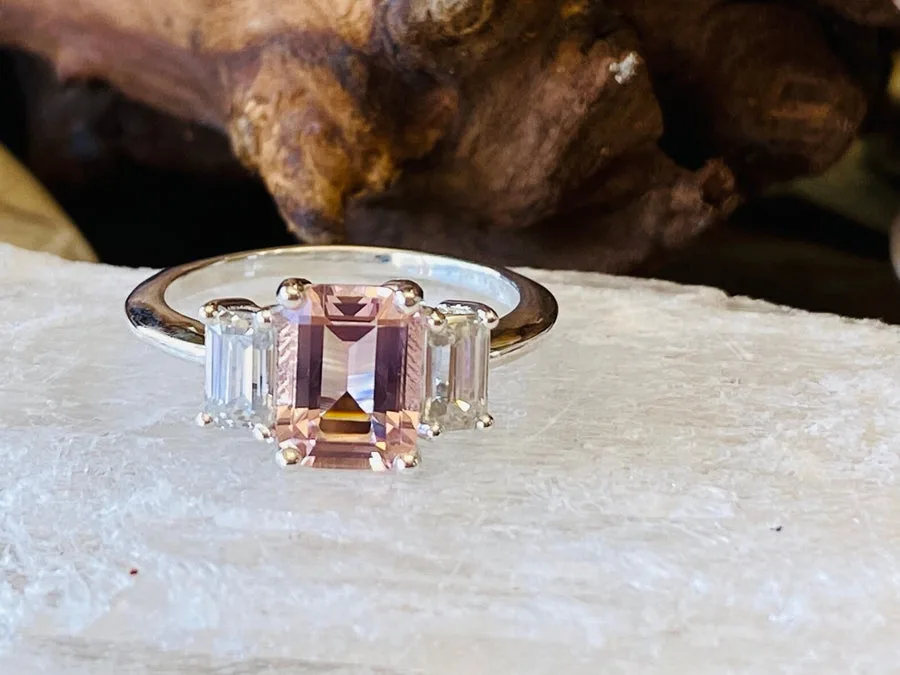
This image shows the ideal starting state. Note the uniform grain color and the pristine glass surface. Compare this to any jar showing cloudiness or discoloration.
That’s your baseline.
Step-by-Step Layering for Maximum Light Exposure
Proper layering isn’t just about aesthetics. It ensures even energy distribution and prevents physical damage. Follow this sequence precisely.
- Sanitize the Jar. Wash with hot water and mild detergent. Rinse thoroughly. Air dry completely. Any leftover moisture starts the clock on spoilage immediately.
- Prepare the Rice. Spread brown rice on a baking sheet. Bake at 170°F (75°C) for 15 minutes. This kills potential insect eggs and removes ambient humidity. Let it cool to room temperature.
- Create the Base Layer. Pour enough cooled rice into the jar to cover the bottom by one inch. Press down gently. Do not compact tightly. Airflow matters.
- Place the Crystal. Set your stone in the center. Ensure it doesn’t touch the glass walls directly if possible. Use a small piece of unbleached cotton cloth as a buffer if the stone is sharp.
- Cover Completely. Add more rice until the stone is buried under at least two inches of grain. Smooth the top surface.
- Seal and Position. Close the lid loosely for airflow during initial settling, then tighten. Place the jar on a windowsill receiving indirect morning sun. Avoid direct harsh afternoon heat which cooks the rice.

Notice the depth of coverage in this photo. The crystal is fully submerged. Shallow burial leaves parts exposed to air fluctuations, creating uneven energetic "charging" zones according to practitioner consensus.
Identifying Spoilage vs. Successful Charging
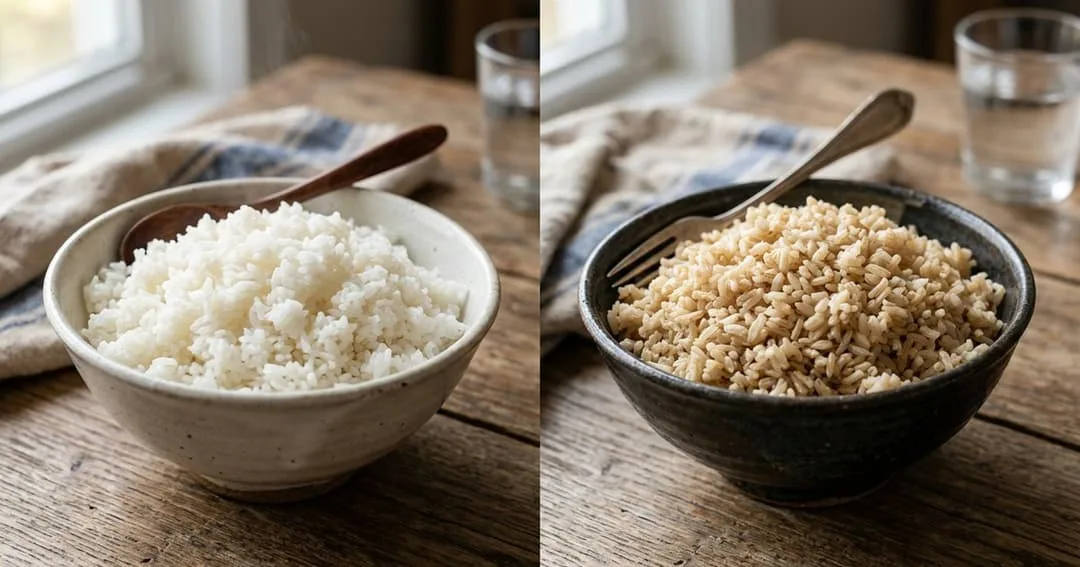
Image source: Web (Bing) / nutrifytracker.com (Web image (fair-use with source credit))
How do you know if your method is working or failing? Visual cues tell the story. You’re looking for stability, not transformation.
The rice shouldn’t change color dramatically unless it’s old.
Signs of Success:
- Rice remains loose and granular.
- No off-odors detected upon opening.
- Crystal surface stays clean and bright.
- Jar interior remains fog-free.
Signs of Failure (Spoilage):
- Clumping indicates moisture absorption.
- White fuzzy patches signal mold start.
- Sour or fermented smell means bacterial activity.
- Discoloration (darkening) suggests oxidation.
If you spot any failure signs, stop immediately. Remove the crystal. Discard the rice.
Clean the jar with vinegar solution. Restart with fresh materials. Never reuse compromised rice.
It holds negative biological residues that counteract positive intent.
Per USDA guidelines on grain storage, maintaining low humidity (<60%) prevents most spoilage organisms. Your jar creates a microclimate. Monitor it visually daily.
Early detection saves your stone.
Common Visual Mistakes That Ruin the Process
Even experienced users slip up here. These errors seem minor but cascade into major problems.
| Mistake | Visual Cue | Consequence | Fix |
|---|---|---|---|
| Using wet rice | Steam inside jar; clumped grains | Rapid mold growth | Bake rice first; ensure full cooling |
| Opaque containers | Cannot see contents | Undetected spoilage | Switch to clear borosilicate glass |
| Overfilling | Rice presses against lid | Compression damages stone | Leave 1-inch headspace minimum |
| Ignoring light angles | Shadowed areas in jar | Uneven energetic exposure | Rotate jar weekly for equal access |
| Reusing old rice | Stale odor; grayish tint | Residual negativity carries over | Always use fresh batch per session |
Don’t skip the rotation step. Static placement creates shadow zones where energy stagnates. Turn the jar slowly once a week.
Watch for sediment buildup at the bottom. Fine dust settles there. If it accumulates quickly, your rice was too dusty initially.
Sift it next time.
Another frequent error: placing the jar near heat sources like radiators. Thermal expansion cracks glass. Heat accelerates rice degradation.
Keep it away from vents and appliances. Cool, stable temperatures preserve both vessel and medium.
Finally, never seal the jar airtight during the first 24 hours. Trapped moisture condenses on the lid. Droplets fall back onto the rice.
This cycle breeds fungus instantly. Ventilate briefly, then seal. Observe the lid for fog.
Clear lid equals dry environment. Foggy lid equals trouble.
Brown Rice in Glass vs. Salt Baths and Selenite Plates
Salt baths are popular but risky for certain minerals. Halite dissolves easily, leaving sticky residue on porous stones like Lapis Lazuli. Brown rice offers a dry alternative that won’t chemically alter the crystal surface.
It absorbs ambient moisture without introducing liquid solvents. This makes it safer for delicate specimens that crack under thermal shock from water immersion.
Selenite plates are often touted as universal chargers. They work well for static display but lack the active absorption property of grain. Rice physically traps particulate matter and potential energetic "debris" around the stone.
The visual layering allows you to see exactly how much medium surrounds your crystal. With selenite, you’re relying on faith rather than observable contact.
Glass jars provide containment that open bowls cannot match. An open bowl exposes the rice to airborne dust and pet hair. A sealed jar maintains a controlled microenvironment.
You can rotate the jar to ensure even exposure without losing grains. This structural advantage is critical for long-term storage during extended charging cycles.
Storage, Retrieval, and Disposal Protocols
Retrieving your crystal requires care. Don’t dig blindly with metal tools. Use wooden chopsticks or clean fingers to gently sift through the top layer.
Brush off excess grains softly. Avoid rubbing hard, which generates static electricity and attracts more dust back to the stone. Inspect the surface immediately for any stuck particles.
Disposing of used rice is non-negotiable. Never return it to your pantry. Even if it looks clean, it has absorbed environmental contaminants and potentially negative intent per practitioner belief.
Compost it outdoors far from edible crops. Alternatively, seal it in a plastic bag and discard it in general waste. Reusing rice defeats the purpose of single-use purification.
Store your cleaned crystal separately until needed. Keep it in a silk pouch or on a dedicated shelf. Do not place it back into fresh rice immediately unless starting a new cycle.
Allow the stone to rest in neutral air for an hour. This transition period helps stabilize its vibrational state before the next interaction with organic mediums.
FAQs on Crystal Care with Organic Mediums
Can I use white rice instead of brown?
No. White rice lacks the bran layer found in brown varieties. The bran contains oils and nutrients that practitioners believe enhance absorptive properties.
White rice is too processed and inert for this specific ritual. Stick to whole-grain brown rice for optimal results.
How long should the crystal stay in the jar?
Typical recommendations range from 24 hours to one full lunar cycle. Shorter durations suit smaller stones. Larger crystals may need up to seven days.
Monitor the rice condition daily. If clumping occurs, remove the stone early regardless of time elapsed.
Is it safe for porous crystals like Turquoise?
Yes, provided the rice is bone-dry. Porous stones absorb liquids readily but handle dry granules better. Ensure no humidity enters the jar.
Condensation is the enemy here. Bake the rice thoroughly beforehand to eliminate all moisture risks before burial.
Why does my rice smell bad after three days?
This indicates bacterial growth due to trapped moisture. Your initial drying step failed, or the environment was too humid. Discard everything immediately.
Clean the jar with vinegar. Restart with freshly baked rice and lower ambient humidity levels.

Similar Posts